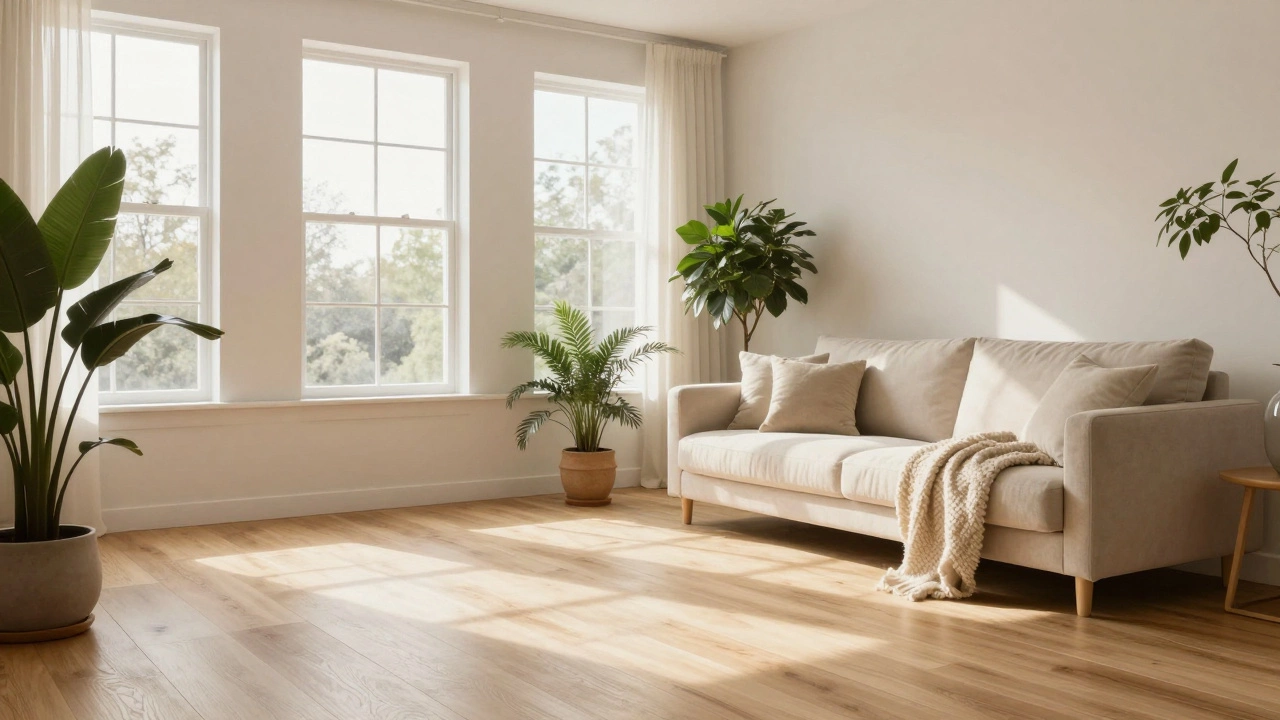
Home Decor Style Finder
Step 1: How do you spend most evenings?
Your daily routine shapes what works in your space.
You walk into a room and feel instantly calm. Or maybe you walk in and feel overwhelmed by clutter. That feeling isn’t magic; it’s design. Choosing the right home decor style is less about following trends on social media and more about understanding how you actually live. It’s the difference between a house that looks like a magazine spread and one that feels like *yours*.
Many people get stuck because they try to pick a style based on what’s popular right now. But trends fade. Your lifestyle doesn’t have to. This guide cuts through the noise. We’ll look at how to identify your personal aesthetic, match it with functional needs, and create a space that works for you-whether you’re renting a tiny apartment or buying your first family home.
Key Takeaways
- Your home style should reflect your daily habits, not just Pinterest boards.
- Start with three anchor pieces (like a sofa or rug) to define the room’s vibe before buying smaller items.
- Mixing styles is acceptable if you keep color palettes and textures consistent.
- Budget constraints often lead to better creativity than unlimited funds.
Step 1: Audit Your Life, Not Just Your Taste
Before you buy a single throw pillow, you need to understand who lives in this space. Interior designers don’t start with paint swatches; they start with floor plans and routines. Ask yourself: How do I spend my evenings? Do I cook every night, or order takeout? Do I work from home, or am I out all day?
If you have young children, a pristine white marble coffee table might sound dreamy until a juice box spills. In that case, durability beats aesthetics. If you love hosting dinner parties, your dining area needs to be flexible, not just decorative. Write down your top three daily activities in each room. This list becomes your filter for every purchase. If an item hinders those activities, it doesn’t belong in your home, no matter how pretty it is.
Step 2: Identify Your Core Aesthetic
Once you know *how* you live, figure out *what* makes you feel good visually. Most people fall into one of a few broad categories, though many blend them. Here are the most common styles in 2026:
- Minimalist: Clean lines, neutral colors, and "less is more." Ideal for those who feel stressed by clutter. Focuses on high-quality, functional pieces.
- Scandinavian: Similar to minimalist but warmer. Think light wood, cozy textiles, and natural light. It’s functional but inviting.
- Bohemian (Boho): Eclectic, colorful, and layered. Mixes patterns, plants, and global artifacts. Great for creative types who collect souvenirs.
- Industrial: Exposed brick, metal fixtures, and raw materials. Works well in lofts or urban apartments with high ceilings.
- Traditional/Classic: Symmetrical, ornate, and rich fabrics. Uses dark woods and antique-style furniture. Feels formal and timeless.
- Modern Farmhouse: Shiplap, apron sinks, and neutral tones with rustic touches. Very popular in suburban homes for its approachable warmth.
To find yours, go to Instagram or Pinterest. Save images that catch your eye. Don’t overthink why. After saving 20-30 images, look for patterns. Do you see mostly earth tones? Lots of greenery? Sleek black metals? These visual cues tell you more than any quiz ever could.
Step 3: The Anchor Piece Strategy
A common mistake is buying small decor items first-vases, frames, candles-and then trying to fit furniture around them. This leads to a disjointed look. Instead, start with Anchor Pieces, which are large, foundational furniture items that set the tone for a room.
In a living room, this is usually the sofa. In a bedroom, it’s the bed frame. In a dining room, it’s the table. These pieces take up the most visual weight. Once you have your anchor, build outward. If your sofa is a chunky, velvet mid-century modern piece, your side tables and lighting should complement that era and texture. If your bed is a sleek, platform wooden frame, avoid heavy, carved headboards that clash with its simplicity.
This strategy saves money too. You’re investing in quality for the big items and can afford to be more experimental with cheaper accessories later.
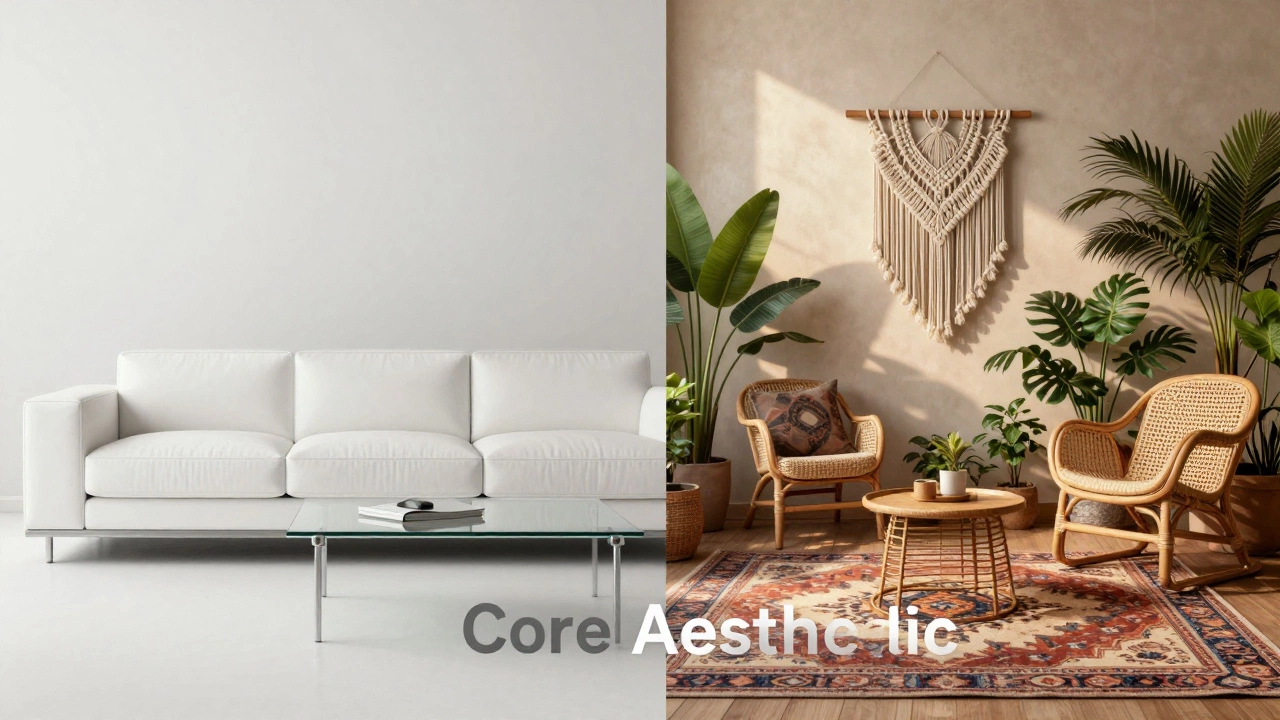
Comparing Major Design Styles
| Style | Best For | Key Materials | Budget Level |
|---|---|---|---|
| Minimalist | Small spaces, busy professionals | Glass, steel, white leather | High (quality over quantity) |
| Scandinavian | Families, cold climates | Light wood, wool, cotton | Medium |
| Bohemian | Creatives, renters | Rugs, macramé, rattan | Low to Medium |
| Industrial | Urban lofts, open plans | Brick, iron, concrete | Medium |
| Modern Farmhouse | Suburban homes, families | Shiplap, distressed wood | Medium to High |
Step 4: Master the Color Palette
Color dictates mood. A bright yellow kitchen energizes you for cooking; a soft blue bedroom helps you sleep. Don’t guess. Use the 60-30-10 rule. This is a classic interior design principle that ensures balance.
- 60% Dominant Color: Usually walls, large rugs, or sofas. Keep this neutral if you want flexibility.
- 30% Secondary Color: Curtains, accent chairs, or bedding. This adds interest without overwhelming.
- 10% Accent Color: Pillows, art, vases. This is where you can play bold. Change these seasonally to refresh the room cheaply.
If you’re unsure, stick to neutrals for the 60% and 30%. Beige, gray, white, and cream are safe bets. They allow you to swap out accent colors as your taste evolves. In 2026, warm whites and earthy greens are trending, replacing the cool grays of the past decade. Warm tones make spaces feel cozier and more inviting.
Step 5: Lighting Sets the Vibe
Bad lighting ruins even the best-decorated room. Most homes rely on one overhead bulb, which creates harsh shadows and makes everything look flat. Layer your lighting.
- Ambient Light: The general glow. Recessed lights or ceiling fans with bulbs.
- Task Light: Focused light for activities. Desk lamps, under-cabinet kitchen lights, reading sconces.
- Accent Light: Highlights specific features. Track lighting on art, LED strips behind shelves.
Warm light (2700K-3000K) feels cozy and residential. Cool light (4000K+) feels clinical and is better for garages or offices. Swap your bulbs if your home feels too sterile. It’s the cheapest upgrade you can make.
Step 6: Texture Adds Depth
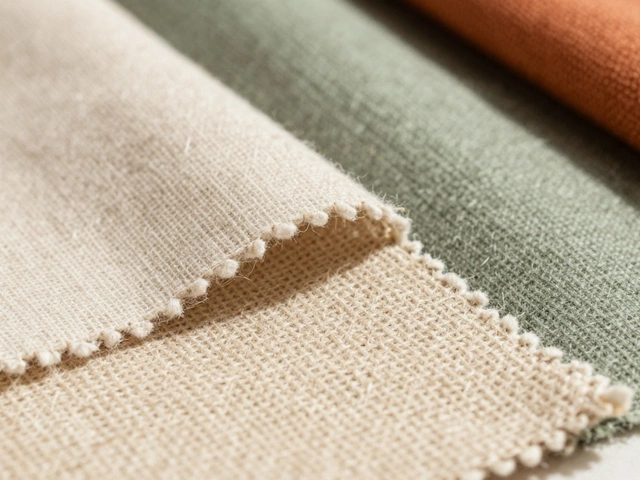
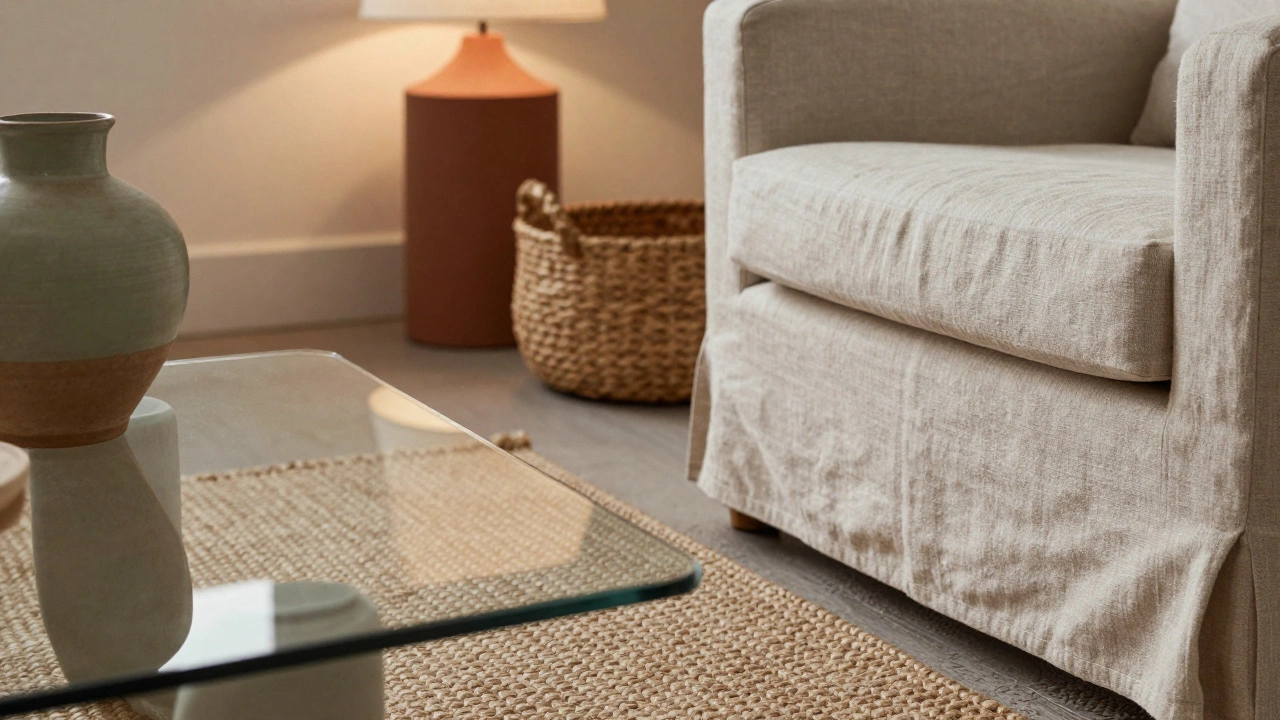
If your room looks flat, it’s likely lacking texture. Even in a monochromatic scheme, mixing materials keeps the eye engaged. Combine rough with smooth, hard with soft.
Imagine a linen sofa (soft) paired with a glass coffee table (hard) and a jute rug (rough). Add a ceramic vase (smooth) and a woven basket (textured). This variety prevents boredom. Without texture, a room feels like a showroom. With it, it feels lived-in and tactile. Touch things when you shop. If it feels cheap or uncomfortable, put it back.
Common Pitfalls to Avoid
Even experienced decorators make mistakes. Here’s what to watch out for:
- Buying Everything at Once: Rooms evolve. Leave empty space for future finds. Over-furnishing makes rooms feel cramped.
- Ignoring Scale: A tiny sofa in a huge room looks lost. A massive sectional in a small studio blocks flow. Measure your space before buying.
- Following Trends Blindly: Trendy items (like neon signs or excessive shiplap) date quickly. Invest in timeless basics and use trends sparingly in accessories.
- Forgetting Personal Items: A home without photos, books, or travel souvenirs feels impersonal. Curate your collections. Display what you love, not what looks "good" in theory.
Next Steps: Start Small
You don’t need to renovate your entire house today. Pick one corner. Maybe it’s your reading nook or your entryway. Apply the steps above: audit its function, pick an anchor piece, choose a color palette, and add texture. See how it feels. Adjust. Then move to the next room.
Design is iterative. It changes as you change. The goal isn’t perfection; it’s comfort. When you come home, do you exhale? Do you feel seen? If yes, you’ve chosen the right style.
How do I mix different decor styles without it looking messy?
The key is consistency in color and texture. You can pair a modern leather chair with a vintage wooden table if they share a similar wood tone or leather hue. Limit yourself to two main styles per room to avoid chaos. Use neutral backgrounds to let eclectic pieces coexist peacefully.
What is the most budget-friendly home decor style?
Bohemian and Scandinavian styles are often the most affordable. Boho relies on textiles, plants, and thrifted finds, which are inexpensive. Scandinavian focuses on functionality and simple forms, avoiding expensive ornate details. Both styles prioritize natural materials that age well.
Should I decorate my rental property?
Yes, absolutely. Renters can transform spaces with removable wallpaper, peel-and-stick backsplashes, freestanding furniture, and strategic lighting. Avoid permanent changes like painting built-ins or drilling holes unless permitted. Focus on items you can take with you when you move.
How do I choose wall colors for a small room?
Lighter colors generally make small rooms feel larger and airier. Whites, creams, and soft pastels reflect light. However, deep colors can also work if used as an accent wall to create depth. Always test paint samples on the actual wall at different times of day to see how natural light affects the shade.
Is it okay to have mismatched furniture?
Yes, especially in casual spaces like living rooms and bedrooms. Matching sets can feel stiff and hotel-like. Mismatched pieces add character and history. Ensure they share a unifying element, such as a similar finish, leg style, or color family, to maintain cohesion.