
Emotional Well-Being Balance Score
Your Emotional Balance Report
0/12
Personalized Recommendations:
Ever feel like your emotions are running the show instead of you? Maybe a small comment from a colleague sends you into a spiral of self-doubt, or a minor traffic jam ruins your entire evening. If that sounds familiar, you aren't alone. In our fast-paced world, maintaining emotional well-being isn't just a luxury; it's a necessity for navigating daily life with clarity and resilience.
Emotional well-being is more than just feeling happy all the time. It’s about having the tools to handle life’s ups and downs without falling apart. It involves understanding your feelings, managing stress effectively, and building connections that support your mental health. This guide breaks down practical, science-backed strategies to help you build a stronger emotional foundation, starting today.
Understanding the Foundation of Emotional Health
Before we jump into fixes, let’s clarify what we’re actually trying to achieve. Many people confuse emotional well-being with constant positivity. That’s a recipe for burnout. True emotional health means accepting the full spectrum of human experience-joy, sadness, anger, fear-and responding to them constructively.
Think of your emotional capacity like a battery. Stressful events drain it. Positive interactions and restorative practices recharge it. The goal isn’t to keep the battery at 100% forever (impossible), but to ensure you have enough charge to get through the day without crashing. Research from the World Health Organization highlights that mental health is a state of well-being where an individual realizes their own abilities, can cope with normal stresses of life, and can work productively. It’s functional, not just feeling good.
To improve this, you need to address three core pillars:
- Awareness: Knowing what you feel and why.
- Regulation: Managing the intensity and duration of those feelings.
- Connection: Building relationships that provide safety and support.
The Power of Mindfulness and Present-Moment Awareness
One of the biggest drains on emotional energy is living in the past (regret) or the future (anxiety). Mindfulness is the practice of paying attention to the present moment without judgment. It sounds simple, but it’s incredibly powerful. When you anchor yourself in the now, you stop feeding hypothetical fears or replaying old wounds.
You don’t need to meditate for an hour to benefit. Try the "5-4-3-2-1" grounding technique when you feel overwhelmed:
- Identify 5 things you can see.
- Identify 4 things you can touch.
- Identify 3 things you can hear.
- Identify 2 things you can smell.
- Identify 1 thing you can taste.
This simple exercise forces your brain to switch from panic mode to observation mode. It lowers cortisol levels and brings you back to reality. Over time, regular mindfulness practice changes the structure of your brain, increasing activity in areas associated with learning and memory while decreasing activity in areas linked to stress and anxiety.
Building Resilience Through Physical Health
Your mind and body are not separate entities. They are deeply interconnected systems. Neglecting your physical health will inevitably take a toll on your emotional state. Conversely, caring for your body provides a solid foundation for mental stability.
Sleep is non-negotiable. During sleep, your brain processes emotional experiences from the day. Chronic sleep deprivation leads to heightened emotional reactivity. You’ll find yourself snapping at loved ones or feeling irrationally sad over small issues. Aim for 7-9 hours of quality sleep by establishing a consistent bedtime routine and keeping your bedroom cool and dark.
Movement matters. Exercise releases endorphins, dopamine, and serotonin-chemicals that naturally boost mood. You don’t need to run a marathon. A 30-minute walk outside, especially in nature, can significantly reduce stress hormones. Studies show that even light physical activity can be as effective as medication for mild to moderate depression in some cases.
Nutrition fuels emotion. What you eat affects how you feel. Diets high in processed sugars and fats are linked to higher rates of depression and anxiety. Focus on whole foods: fruits, vegetables, lean proteins, and healthy fats like omega-3s found in fish and walnuts. These nutrients support brain function and stabilize blood sugar levels, preventing mood swings.
| Lifestyle Factor | Positive Impact | Negative Consequence |
|---|---|---|
| Quality Sleep | Emotional regulation, cognitive clarity | Irritability, increased anxiety |
| Regular Exercise | Mood elevation, stress reduction | Fatigue, low energy, poor coping |
| Balanced Diet | Stable energy, improved focus | Mood swings, brain fog |
| Social Connection | Support system, sense of belonging | Isolation, loneliness |

Cultivating Strong Social Connections
Humans are social creatures. We evolved to thrive in communities. Isolation is one of the most significant risks to emotional well-being. Quality relationships act as a buffer against stress. Having someone to talk to, laugh with, or simply sit in silence with can lower blood pressure and reduce feelings of loneliness.
It’s not about the number of friends you have, but the depth of your connections. Prioritize relationships that are reciprocal and supportive. Set boundaries with toxic individuals who drain your energy. Learn to say "no" to commitments that don’t align with your values or capacity.
If you’re struggling to connect, start small. Join a local club, volunteer for a cause you care about, or reach out to an old friend. Vulnerability is key. Sharing your true feelings invites others to do the same, deepening the bond. Remember, connection is a two-way street. Be present, listen actively, and show empathy.
Practical Techniques for Emotional Regulation
Even with a strong foundation, tough emotions will arise. How you respond determines your long-term well-being. Here are some practical techniques to regulate your emotions in the moment:
Name it to tame it. Psychologist Dan Siegel coined this phrase. Simply labeling your emotion ("I am feeling anxious") reduces its intensity. It engages the prefrontal cortex, which helps calm the amygdala (the brain’s fear center).
Challenge negative thoughts. We often fall into cognitive distortions, like catastrophizing or black-and-white thinking. Ask yourself: "Is this thought true? Is it helpful? What evidence do I have for and against it?" Reframing negative thoughts into balanced perspectives can shift your emotional state.
Practice self-compassion. Treat yourself with the same kindness you would offer a friend. Self-criticism fuels shame and guilt, which erode emotional well-being. Acknowledge your struggles without judgment. Remind yourself that imperfection is part of being human.
Journaling. Writing down your thoughts helps process complex emotions. It provides clarity and perspective. Try free-writing for 10 minutes each morning or evening. Don’t worry about grammar or structure. Just let it flow.
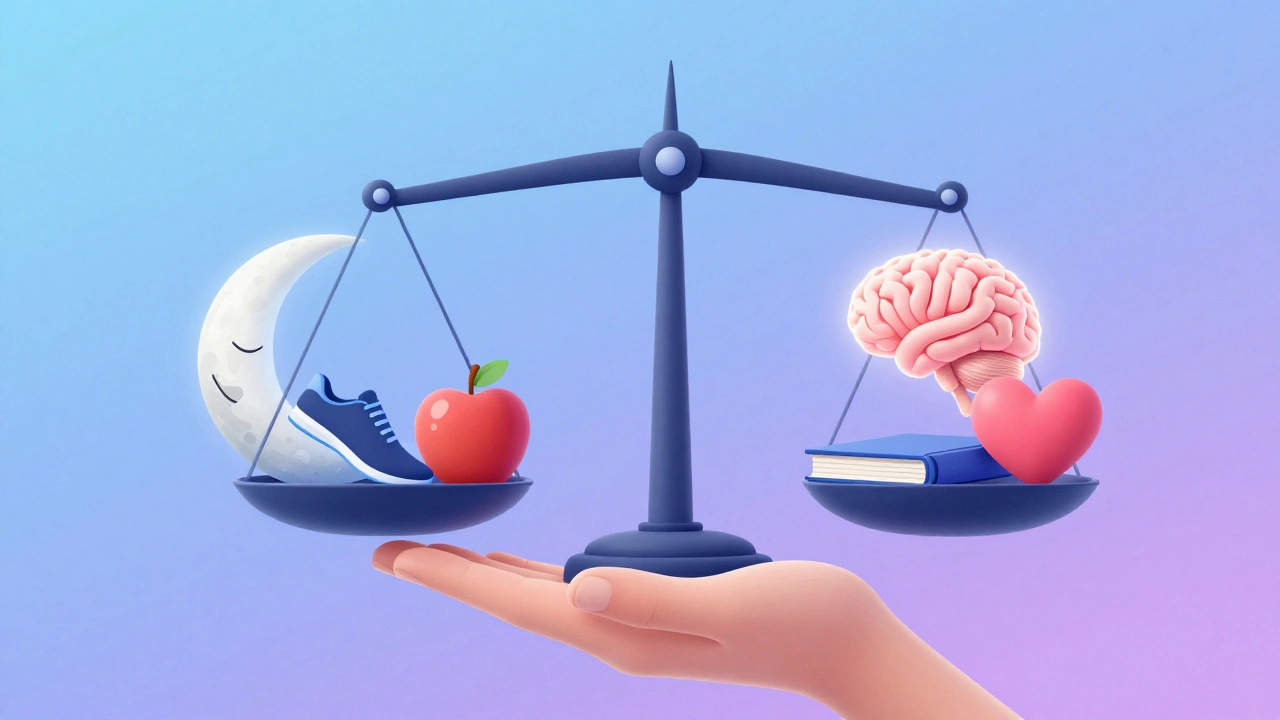
Creating a Sustainable Routine for Mental Wellness
Improving emotional well-being isn’t a one-time fix. It’s a continuous practice. Integrate these habits into your daily routine so they become automatic.
- Morning: Start with 5 minutes of mindfulness or gratitude journaling. Avoid checking your phone immediately upon waking.
- Midday: Take a break to move your body. Step outside for fresh air. Eat a nutritious lunch away from your desk.
- Evening: Wind down with a relaxing activity. Read, listen to music, or spend time with loved ones. Disconnect from screens at least an hour before bed.
Consistency is more important than perfection. Some days you’ll nail it. Other days you’ll struggle. That’s okay. The goal is progress, not flawlessness. Celebrate small wins. Notice when you handled a stressful situation better than before. Acknowledge your efforts.
When to Seek Professional Help
There’s no shame in asking for help. Sometimes, emotional struggles are too big to handle alone. If you experience persistent sadness, hopelessness, or anxiety that interferes with your daily life, consider speaking with a mental health professional.
Therapy offers structured support and evidence-based techniques to manage mental health challenges. Cognitive Behavioral Therapy (CBT) is particularly effective for changing negative thought patterns. Medication may also be necessary for certain conditions. A qualified therapist can help you develop personalized strategies for improving your emotional well-being.
In Australia, resources like Beyond Blue and Lifeline provide confidential support and information. Don’t wait until you’re in crisis to reach out. Early intervention can prevent problems from worsening.
How long does it take to improve emotional well-being?
Improving emotional well-being is a gradual process. While some techniques like deep breathing provide immediate relief, lasting change takes weeks or months of consistent practice. Be patient with yourself. Small, daily improvements compound over time.
Can diet really affect my mood?
Yes, absolutely. Your gut and brain are connected via the vagus nerve. Nutrients from food influence neurotransmitter production. Diets rich in whole foods, fiber, and omega-3 fatty acids are linked to better mental health outcomes compared to diets high in processed foods and sugar.
What if I don’t have time for mindfulness or exercise?
Start small. Even 5 minutes of mindful breathing or a 10-minute walk can make a difference. Consistency matters more than duration. Integrate micro-habits into your existing routine, like practicing mindfulness while brushing your teeth or taking the stairs instead of the elevator.
Is it normal to feel emotional sometimes?
Yes, feeling emotions is a natural part of being human. Emotional well-being isn’t about suppressing feelings but managing them healthily. It’s okay to feel sad, angry, or frustrated. The key is how you respond to these emotions and whether they disrupt your ability to function.
How can I tell if I need professional help?
Consider seeking help if your emotions consistently interfere with work, relationships, or daily activities. Signs include persistent sadness, loss of interest in hobbies, changes in sleep or appetite, and feelings of hopelessness. If you’re unsure, talking to a doctor or therapist can provide clarity.