Garden Maintenance & Watering Calculator
Look at your backyard. Does it feel like a chaotic mess of weeds and half-finished projects? Or does it look like a postcard from somewhere else? Most people think making a garden great requires a green thumb you were born with. That is a myth. A great garden is built on logic, not magic. It is about understanding what the land wants and giving it exactly that.
If you are living in a place with shifting seasons like Melbourne, the challenge doubles. One day it is summer, the next it is winter. You need a strategy that works with nature, not against it. Let’s break down how to turn any patch of dirt into a thriving ecosystem that looks good and feels even better.
Start With the Soil, Not the Plants
Here is the hard truth: you can buy the most expensive roses in the world, but if they sit in poor soil, they will die. Soil is the engine of your garden. If the engine is broken, the car won’t go, no matter how shiny the paint job is.
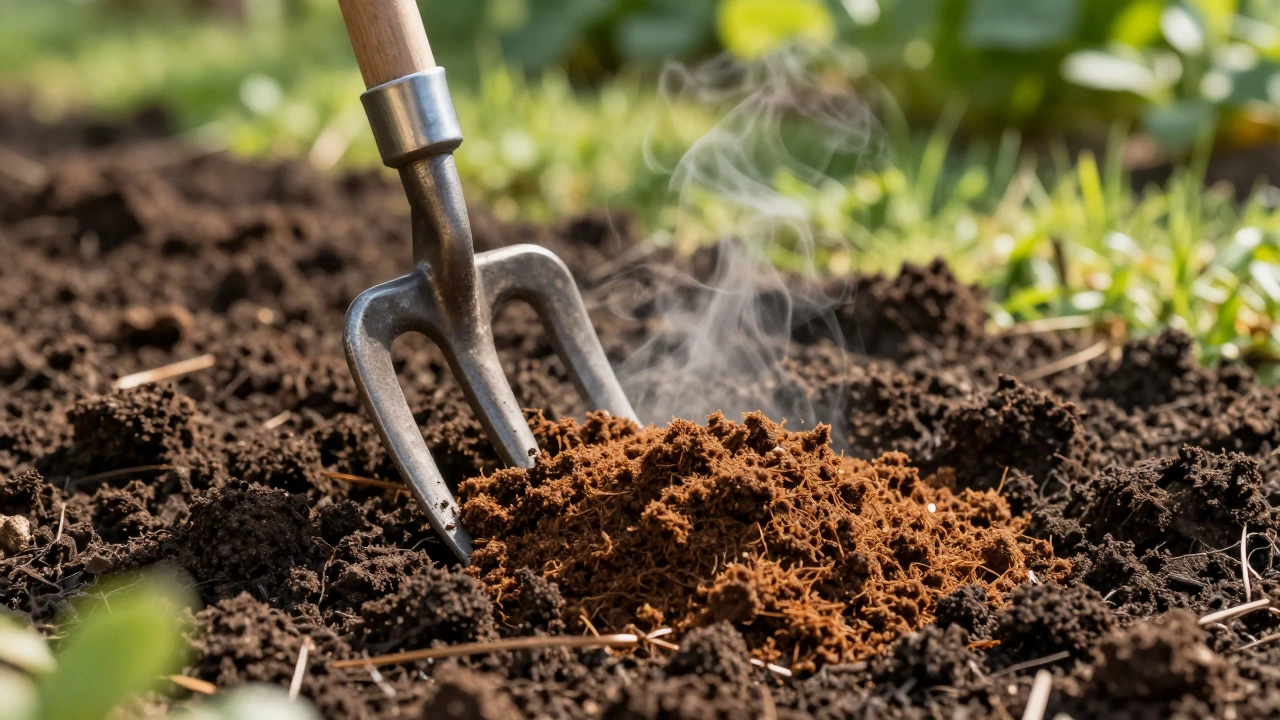
Most urban gardens suffer from compacted earth. Years of foot traffic and construction have squeezed the air out of the ground. Plants need oxygen as much as they need water. To fix this, you need to aerate the soil. You don’t need heavy machinery. A simple garden fork dug into the ground every few inches does the trick. Then, cover it with organic matter.
Compost is decomposed organic material used as a fertilizer and soil conditioner. It adds nutrients, improves drainage, and feeds the microbes that keep roots healthy. Aim for a layer of five centimeters across your beds. If you don’t make your own, buy high-quality aged manure or leaf mold. Avoid cheap, peat-based mixes which dry out too fast and harm bogs.
- Test your pH: Most vegetables prefer slightly acidic soil (pH 6.0-7.0). Use a cheap test kit from a hardware store.
- Add structure: Mix in coarse sand or perlite if your clay holds too much water.
- Mulch heavily: Cover bare soil with wood chips or straw to retain moisture and suppress weeds.
Design for Lazy Days
We all get busy. Life happens. The best gardens are designed so they survive when you forget to water them for a week. This is called resilience. Resilience comes from choosing the right plants for the specific conditions of your yard.
Walk around your property for three days. Note where the sun hits in the morning, noon, and evening. Note where water pools after rain. These are your constraints. Don’t fight them. If a corner is shady and damp, plant ferns or hostas there. Trying to grow lavender in shade is a waste of time and money.
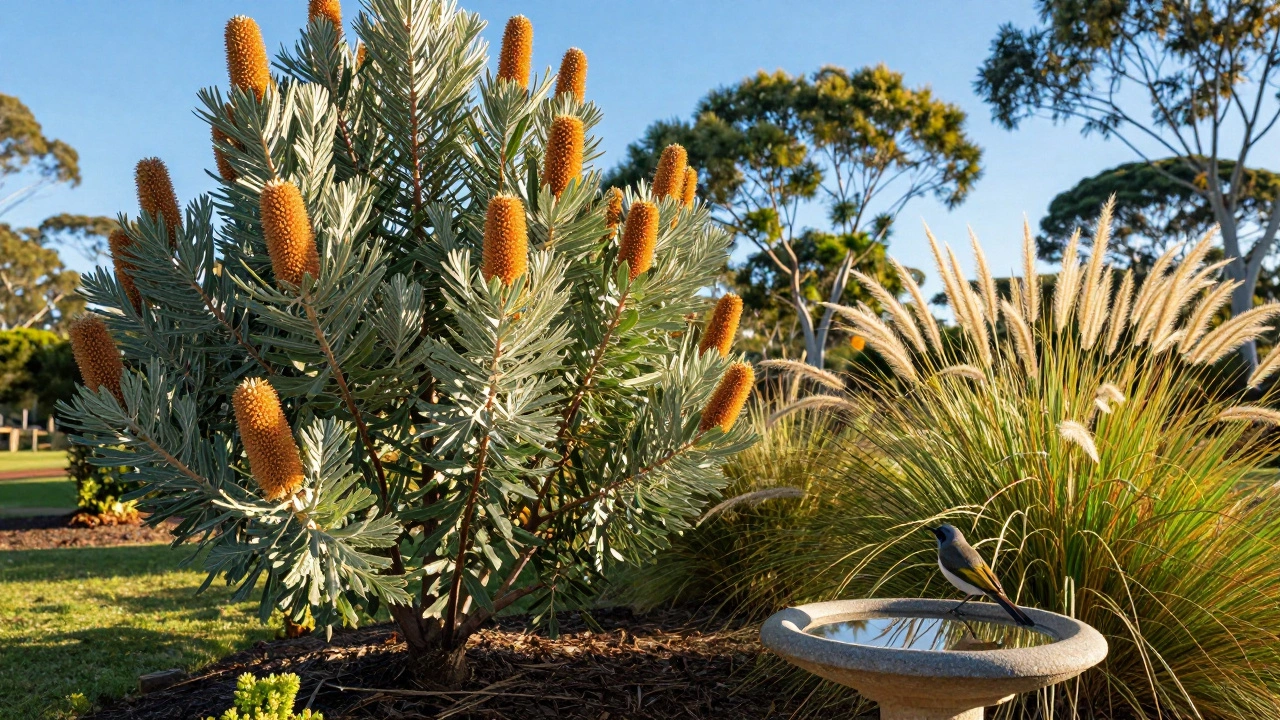
In Australia, we have an incredible advantage: Native plants are species indigenous to a particular region, adapted to local climate and pests. They know how to handle our heat, our droughts, and our soils because they evolved here. A Banksia or a Tea Tree needs a fraction of the water and care that a European rose bush does. Plus, they attract local birds and bees, adding life and sound to your space.
| Plant Type | Water Needs | Pest Resistance | Best For |
|---|---|---|---|
| Native Shrubs | Low | High | Structure & Wildlife |
| Ornamental Grasses | Medium | High | Texture & Movement |
| Exotic Annuals | High | Low | Quick Color Bursts |
| Perennial Vines | Medium | Medium | Shade & Privacy |
Create Layers for Visual Depth
A flat garden looks boring. Nature isn’t flat; it has layers. To make your garden look professional, mimic this vertical structure. Think of it like a cake with different tiers.
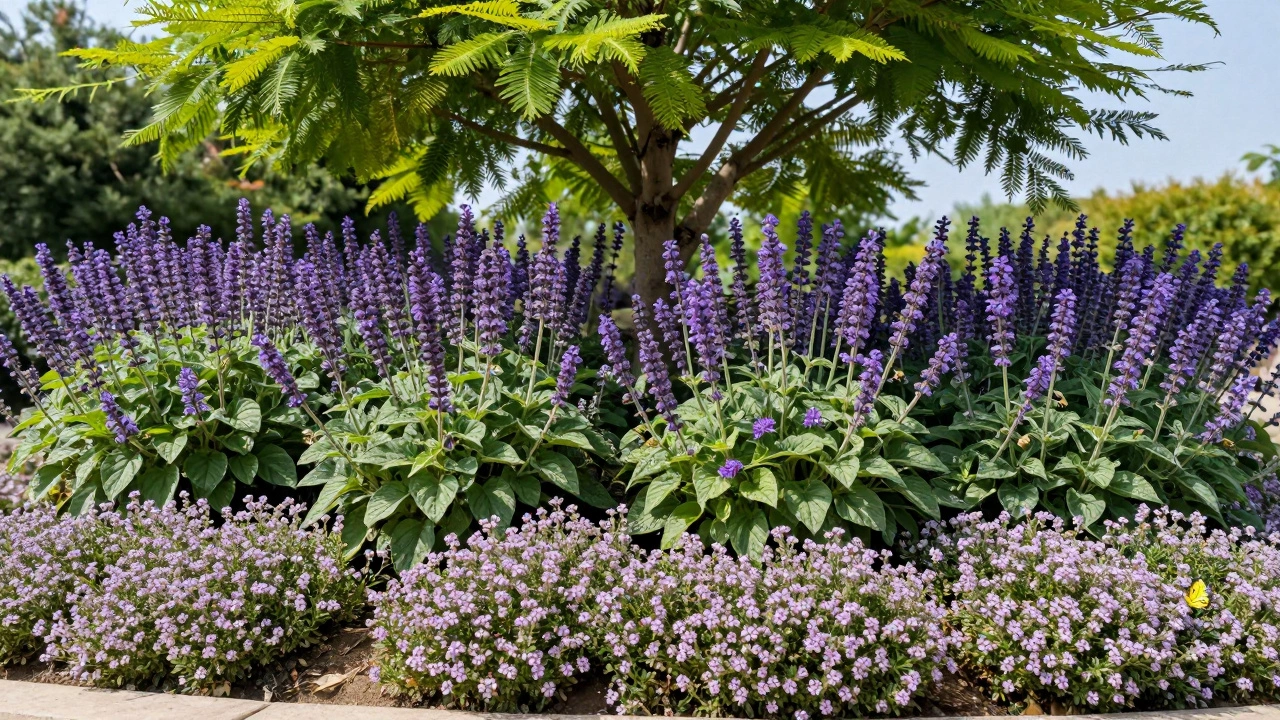
The top tier is your canopy. Even in a small backyard, a small tree like a Jacaranda or a dwarf fruit tree provides scale and shade. Without a tree, a garden often feels like a pot rather than a landscape.
The middle tier consists of shrubs and perennials. These are the workhorses. They provide color and bulk year-round. Group them in odd numbers-three, five, or seven. Our eyes find odd numbers more natural and pleasing than even pairs.
The bottom tier is the ground cover. Instead of letting weeds take over, plant low-growing species like Thyme or Creeping Jenny. They spread out, smothering weeds naturally and creating a soft carpet underfoot. This reduces the amount of weeding you have to do by up to 50%.
Water Wisely and Efficiently
Water is precious. In many parts of Australia, we face strict watering restrictions. Wasting water on evaporation is foolish. The goal is to deliver water directly to the roots, where it counts.
Ditch the sprinkler. Sprinklers spray water into the air, where half of it evaporates before hitting the ground. Switch to Drip irrigation is a method of applying water slowly and directly to the root zone of plants. It uses less water, reduces disease on leaves, and can be automated with a timer. Set it to run early in the morning, just before sunrise. This gives plants hydration for the day without encouraging fungal growth overnight.
Collect rainwater if you can. A simple barrel connected to your gutter downpipe can save thousands of liters a year. Use this grey water for ornamentals. Never use soapy dishwater on edible plants.
Maintain With Minimal Effort
A great garden doesn’t mean zero work. It means smart work. Spend ten minutes a week doing the right things instead of two hours a month fighting battles.
Deadheading is one of these tasks. Removing spent flowers from plants like petunias or zinnias signals the plant to produce more blooms. It keeps the garden looking tidy and vibrant. Do it while you drink your morning coffee. It takes five minutes.
Pruning is another key skill. Learn the basics of cutting back shrubs after they flower. This encourages new growth and maintains shape. Don’t be afraid to cut. Plants generally respond well to pruning because it removes dead weight and lets light in.
Finally, observe. Watch your garden daily. Look for yellowing leaves, signs of pests, or dry patches. Catching problems early saves you from catastrophic losses later. A single aphid colony can destroy a plant in a week if ignored. But if you see it, you can squash it or blast it with water.
Invite Life Into Your Space
A garden is not just for humans. It is a habitat. When you create a diverse environment, you invite beneficial insects, birds, and pollinators. They become your unpaid workforce.
Bees and butterflies need nectar-rich flowers. Plant clusters of Lavender, Salvia, or native Grevillea. Leave some bare soil for ground-nesting bees. Add a bird bath with shallow water. You might start seeing blue wrens or honeyeaters visiting regularly. Their presence makes the garden feel alive and dynamic.
Leave a small corner wild. Let the seed heads stand through winter. They provide food for birds and shelter for insects. It looks rustic and charming, and it supports the ecosystem. Perfection is sterile. A little chaos is healthy.
How often should I water my garden?
It depends on the season and soil type. In summer, deep watering once or twice a week is better than daily sprinkles. Check the soil moisture by sticking your finger two inches deep. If it is dry, water. If it is damp, wait. Overwatering kills plants faster than underwatering.
What are the best plants for beginners?
Start with hardy perennials like Hostas for shade or Sedum for sun. Herbs like rosemary and thyme are forgiving and useful. Native Australian plants are also excellent choices as they require minimal care once established.
Can I improve my garden soil quickly?
Yes, by adding organic compost. Spread a thick layer of compost over your beds and mix it into the top six inches of soil. This immediately boosts nutrient content and improves texture. For long-term health, continue to add mulch annually.
How do I stop weeds from taking over?
Prevention is key. Keep soil covered with mulch to block sunlight from weed seeds. Pull weeds when they are small and the soil is moist. For persistent weeds, use a vinegar solution or manual removal tools. Avoid chemical herbicides if possible to protect soil health.
Is it worth investing in drip irrigation?
Absolutely. Drip irrigation systems pay for themselves in water savings and reduced labor. They ensure consistent moisture delivery, leading to healthier plants. Basic kits are affordable and easy to install for most home gardens.