Meal Prep Safety Calculator
Safety Result
Select options and click calculate.
Personalized Safety Tips
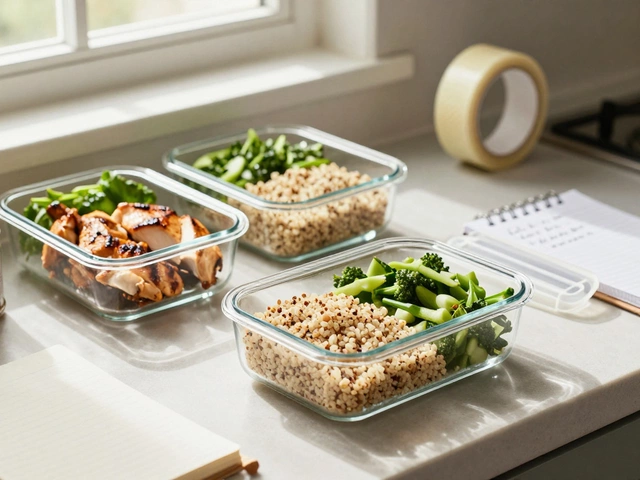
You’ve spent your Sunday chopping, cooking, and portioning out lunches for the entire work week. It feels productive, right? But by Thursday, you’re staring at a container of chicken and rice that looks… questionable. Is it actually safe to eat, or are you risking a nasty stomach bug?
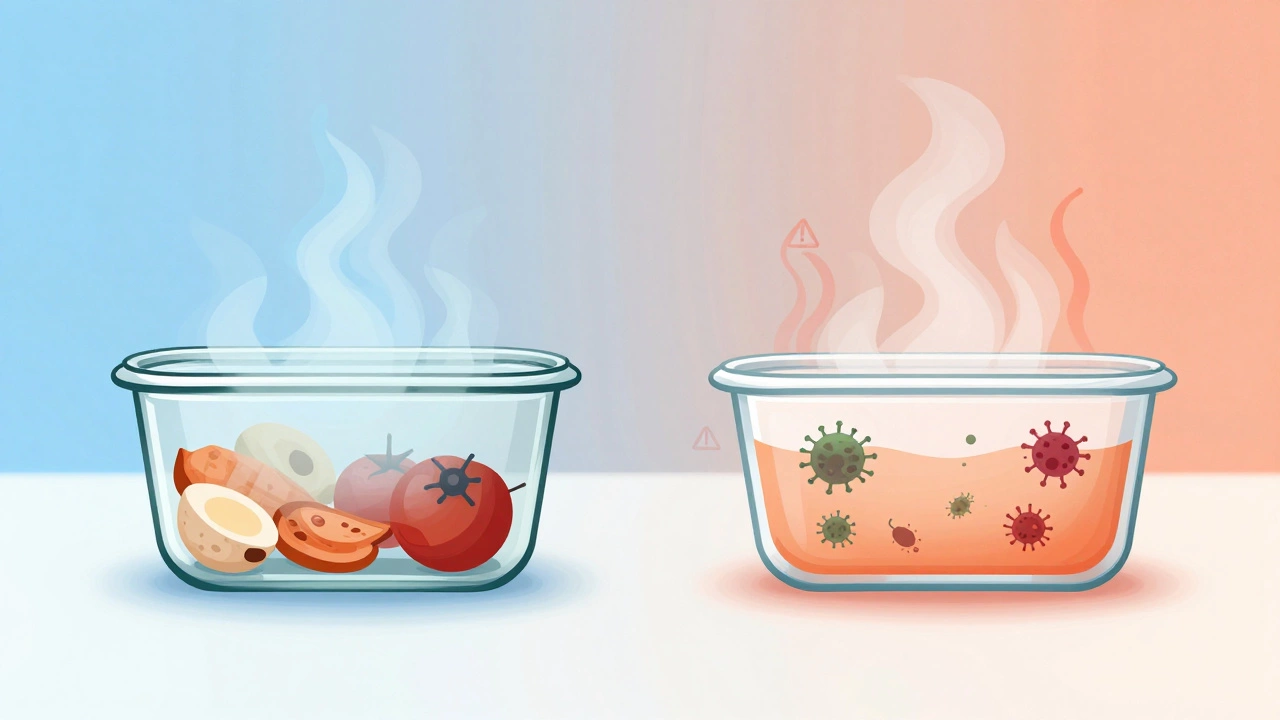
The short answer is yes, it is generally safe to meal prep for five days, but only if you play by strict rules regarding temperature, storage containers, and what you cook. The danger zone isn’t just about bad smells; it’s about bacteria like Salmonella and harmful pathogens that grow rapidly between 40°F and 140°F (4°C and 60°C) multiplying before you even notice.
The Science Behind the 3-to-5 Day Rule
Most food safety authorities, including the USDA and FDA, recommend consuming cooked leftovers within three to four days. Why not five? Because bacterial growth follows an exponential curve. Even in a cold fridge, some bacteria survive. By day four or five, those survivors have multiplied enough to potentially cause illness, especially in people with weaker immune systems.
However, many people successfully eat meal-prepped food on day five without issues. How? They manage the "thermal load." If you leave your meal prep on the counter for two hours after cooking before refrigerating it, you’ve already given bacteria a head start. To safely stretch to five days, you must minimize the time food spends in the danger zone.
- Cool quickly: Don’t put steaming hot food directly into the fridge. It raises the internal temperature of your appliance, endangering other foods. Let it cool to room temperature for no more than 30 minutes, then refrigerate.
- Shallow containers: Use wide, shallow containers rather than deep Tupperware. This allows heat to escape faster, cooling the food down uniformly and quickly.
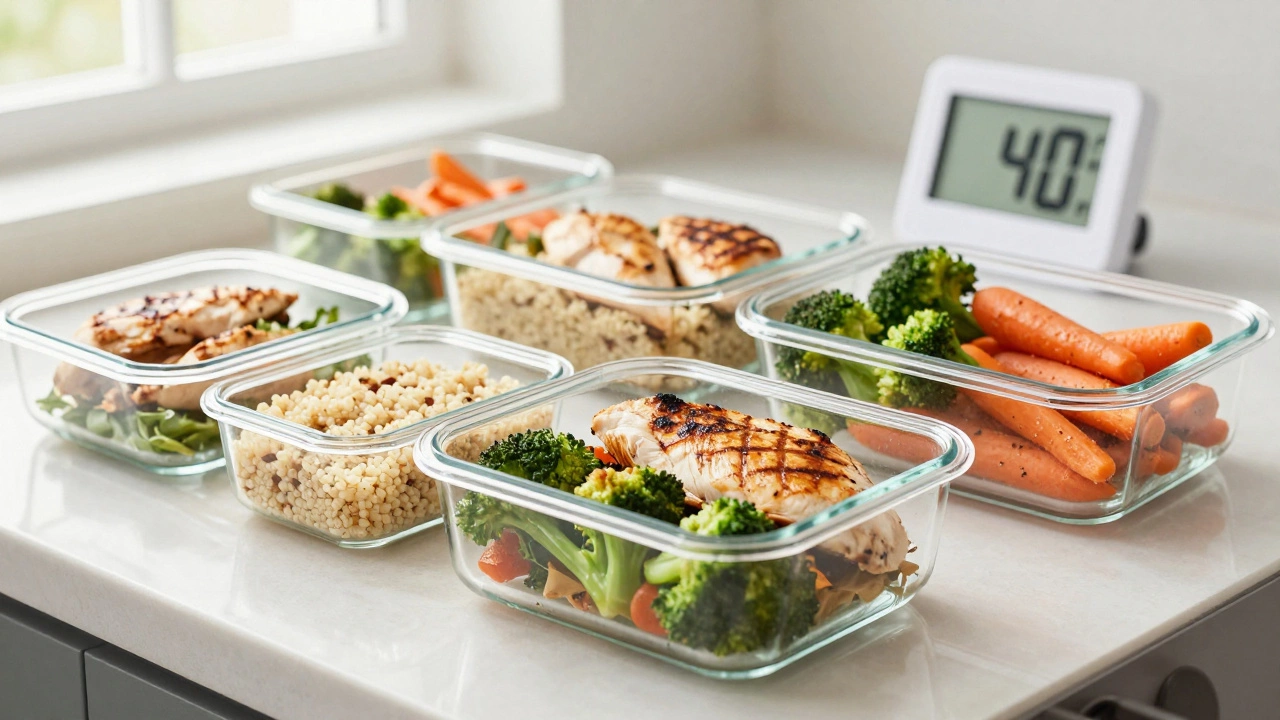
- Fridge temperature: Ensure your refrigerator is set to 40°F (4°C) or below. Most modern fridges have a thermometer inside, but if yours doesn’t, buy a standalone one. Warm spots near the door are common culprits for spoilage.
What You Can Safely Store for 5 Days
Not all ingredients age equally. Some foods hold up well structurally and microbiologically over a full work week, while others turn to mush or become hazardous.
| Ingredient Type | Safety Rating (5 Days) | Texture/Taste Impact | Tips for Success |
|---|---|---|---|
| Hard-cooked Eggs | High | Minimal change | Keep shells on until eating to prevent rubbery whites. |
| Grilled Chicken/Breasts | High | Slightly drier if reheated poorly | Add a splash of broth or sauce when reheating. |
| Quinoa/Rice | Medium-High | Can become hard/dry | Cook slightly underdone so it softens upon reheating. |
| Raw Leafy Greens (Lettuce/Spinach) | Low | Wilts, becomes slimy | Store separately in an airtight container with a paper towel. |
| Cooked Beans/Lentils | High | Flavor often improves | Ensure they were boiled thoroughly initially. |
| Dairy-based Sauces | Low | May separate or curdle | Avoid creamy sauces for 5-day preps; use oil-based instead. |
Proteins like chicken, beef, and tofu are your safest bets for a five-day window, provided they were cooked to proper internal temperatures (165°F for poultry, 145°F for beef). Vegetables vary wildly. Root vegetables like carrots and broccoli hold up fine, but cruciferous veggies can sometimes release gases that make your lunch smell odd by Wednesday.
The Container Game: Plastic vs. Glass
Your choice of container matters more than you think. While both plastic and glass can keep food safe, they behave differently in terms of chemical leaching and thermal shock.
Glass containers are superior for meal prepping because they don’t absorb odors or stains, and they are non-porous. Bacteria have nowhere to hide in microscopic scratches. When you wash a scratched plastic container, you might be leaving behind biofilm-a slimy layer of bacteria that survives soap and water. Over five days, this biofilm can compromise food safety.
If you use plastic, ensure it is labeled "BPA-free" and microwave-safe. However, avoid microwaving plastic repeatedly, as heat can accelerate the breakdown of polymers, potentially leaching chemicals into your food. Glass is also better for reheating because it distributes heat evenly, reducing the risk of cold spots where bacteria survive.
Reheating Safely: The Final Hurdle
Eating cold meal prep is safe if stored correctly, but most people prefer their food hot. Reheating is where many mistakes happen. Simply warming food to "lukewarm" isn’t enough to kill bacteria that may have grown during storage.
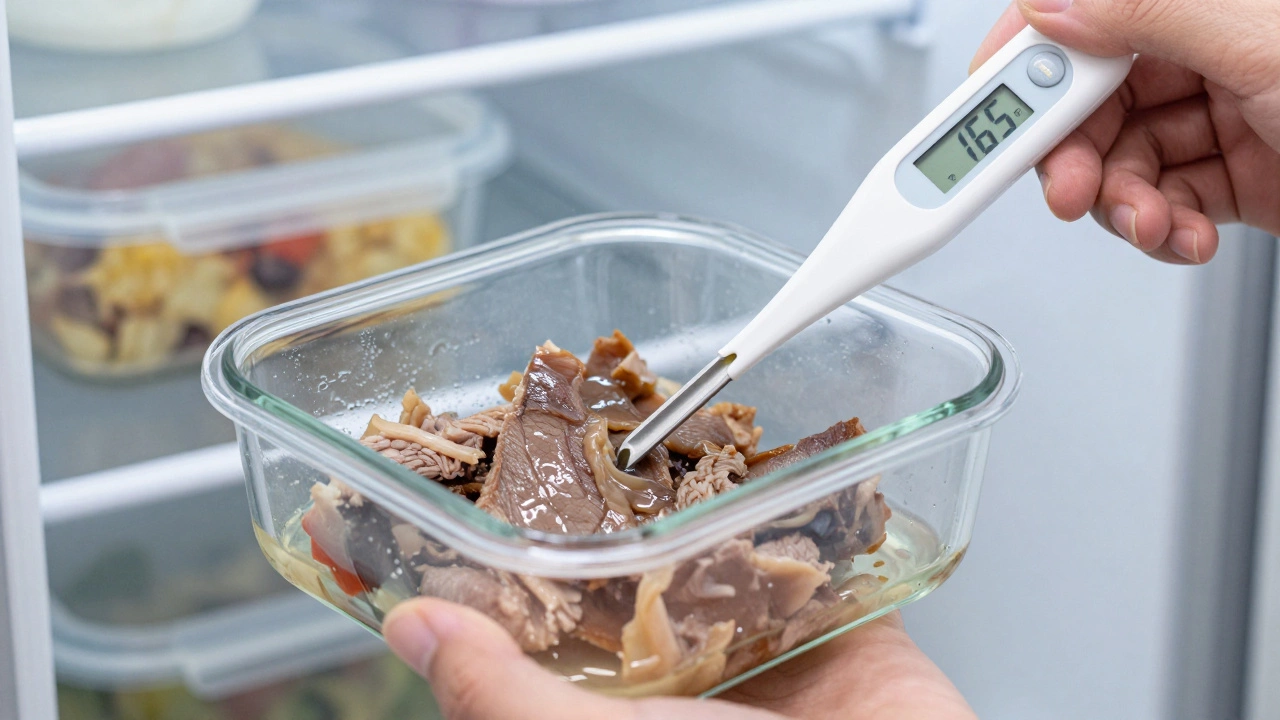
To ensure safety, reheat your meal until it reaches an internal temperature of 165°F (74°C). Use a food thermometer if possible. If you’re using a microwave, stir the food halfway through heating to eliminate cold spots. Cover the container with a damp paper towel to add moisture and promote even heating.
Avoid reheating food more than once. Each time you bring food from cold to hot and back to cold, you cycle it through the danger zone, increasing bacterial load. If you won’t finish a container in one sitting, divide it into smaller portions before storing.
Signs Your Meal Prep Has Gone Bad
Don’t rely solely on the calendar. Sometimes food spoils faster due to improper handling. Trust your senses.
- Smell: Sour, ammonia-like, or just "off" odors are immediate red flags. Freshly cooked chicken should smell neutral or savory, not tangy.
- Texture: Sliminess on meat or vegetables indicates bacterial growth. Dryness is a quality issue, not necessarily a safety one, but slime is dangerous.
- Mold: Visible mold means the food is contaminated. Do not cut off the moldy part and eat the rest; mycotoxins can penetrate deeper than visible spots.
- Liquid Separation: Excessive watery discharge from vegetables or meat can indicate breakdown and spoilage.
When in doubt, throw it out. Hospital bills cost more than a batch of quinoa and chicken.
Strategies for Longer Shelf Life
If you want to push beyond the typical three-day limit without risking health, consider these strategies:
- Freeze Half: Cook for five days, but freeze meals for days 4 and 5 immediately after cooking. Thaw them in the fridge overnight. Freezing halts bacterial growth entirely.
- Prep Components Separately: Keep wet ingredients (sauces, dressings) and dry ingredients (grains, proteins) separate. Moisture promotes bacterial growth. Assemble your salad or bowl just before eating.
- Acidulate: Foods with higher acidity, like those marinated in vinegar or lemon juice, resist bacterial growth better. Think Mediterranean-style salads or citrus-glazed fish.
By understanding how bacteria behave and respecting the limits of your refrigerator, you can confidently meal prep for a full work week. It’s not just about convenience; it’s about smart, safe habits that keep you healthy and energized.
Can I meal prep for 7 days?
It is not recommended to store cooked food in the refrigerator for 7 days. The USDA advises consuming leftovers within 3-4 days. For a 7-day supply, you should freeze meals intended for days 5-7 and thaw them in the fridge as needed.
Does reheating kill bacteria in old meal prep?
Reheating to 165°F (74°C) kills most active bacteria, but it does not destroy toxins produced by certain bacteria like Staphylococcus aureus or Bacillus cereus. These toxins remain stable even after heating, so relying on reheating to "fix" spoiled food is unsafe.
What is the best container for 5-day meal prep?
Glass containers with airtight lids are the best option. They are non-porous, easy to clean, do not retain odors, and are safer for microwave reheating compared to plastic, which can leach chemicals when heated.
How long can raw meat sit in the fridge for meal prep?
Raw poultry should be cooked within 1-2 days of purchase. Ground meats and seafood should also be used within 1-2 days. Red meat like beef or pork can last 3-5 days in the fridge, but always check for off-odors or sliminess before cooking.
Can I leave meal prep out overnight?
No. Leaving food out overnight exposes it to the "danger zone" (40°F-140°F) for too long, allowing bacteria to multiply rapidly. Discard any perishable food left at room temperature for more than 2 hours, or 1 hour if the ambient temperature is above 90°F.