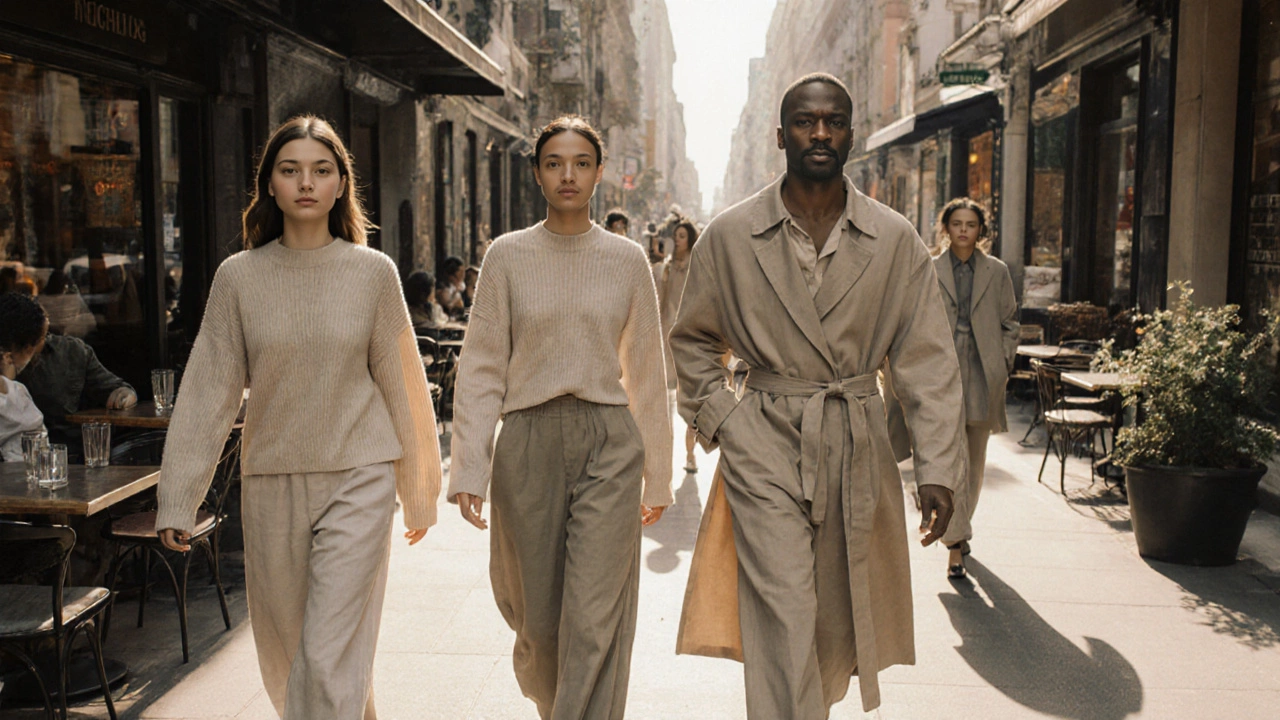
Comfort-First Fashion: Style That Feels as Good as It Looks
When you hear comfort-first fashion, a style approach prioritizing ease, movement, and wearability without sacrificing appearance. Also known as functional style, it’s what happens when you stop choosing between looking good and feeling good. This isn’t about lazy dressing. It’s about making smart choices—clothes that fit your body, not the other way around. Think soft fabrics, relaxed cuts, and pieces that stay comfortable from morning coffee to evening walks. No more squeezing into jeans that dig in or shoes that blister after an hour. Real life doesn’t happen in stiff silhouettes, and your clothes shouldn’t either.
casual style, an everyday approach to dressing that values practicality and personal comfort over rigid trends. Also known as low-effort fashion, it’s the foundation of comfort-first fashion. It’s not about being sloppy—it’s about being intentional. A well-cut linen shirt, a pair of stretchy trousers with a flattering waist, or a lightweight knit that drapes just right. These aren’t random picks. They’re chosen because they work with your body, your routine, and your mood. And when you pair them with wardrobe basics, essential, timeless clothing items that form the backbone of a functional, mix-and-match wardrobe, you build a system that saves time, money, and stress. You don’t need 50 tops—you need five that you love wearing every week.
What makes comfort-first fashion different from just wearing pajamas all day? It’s the details. A slightly tailored blazer over a hoodie. Boots with cushioned soles that still look polished. A dress with hidden elastic waistbands. These aren’t gimmicks—they’re solutions. And they’re everywhere in the posts below. You’ll find guides on how to dress to hide belly fat without looking frumpy, how to build a capsule wardrobe using neutral colors, and even how to pick the right footwear for all-day walking. You’ll see how people are blending minimalism with practicality, using layering to stay warm without bulk, and choosing materials that breathe and move. This isn’t a trend that’ll fade. It’s a shift. People are tired of clothes that fight them. They want pieces that support them. And the best part? You don’t need a big budget to start. You just need to know what to look for.
Below, you’ll find real, practical advice from people who’ve figured this out—not just stylists, but regular folks who got tired of sacrificing comfort for style. Whether you’re working from home, chasing kids, or just want to feel good in your own skin, the posts here will show you how to build a wardrobe that doesn’t just look good, but actually works for your life.