Sofa Color & Style Simulator
Why this works:
Loading recommendation...
Walk into any home that feels instantly calming, and you’ll likely spot one thing in common: a sofa in a shade that doesn’t scream for attention. We’ve all been there-bought a bold, trend-chasing piece of furniture only to feel overwhelmed by it six months later. The question isn’t just about aesthetics; it’s about longevity. What color sofa never goes out of style? The answer lies not in chasing the latest Pantone forecast, but in understanding the psychology of space and the practical realities of daily life.
In Melbourne, where our interiors often blend indoor and outdoor living with natural light flooding through large windows, we see this principle play out constantly. A sofa is the anchor of your living room. It’s the first thing guests notice, the place you collapse after work, and the backdrop for your entire social life. When you choose a color that fights with your walls, your rugs, or your changing taste in art, you create visual noise. A timeless sofa, however, acts as a canvas. It allows the rest of your decor to breathe.
The Case for Greige: The Ultimate Neutral
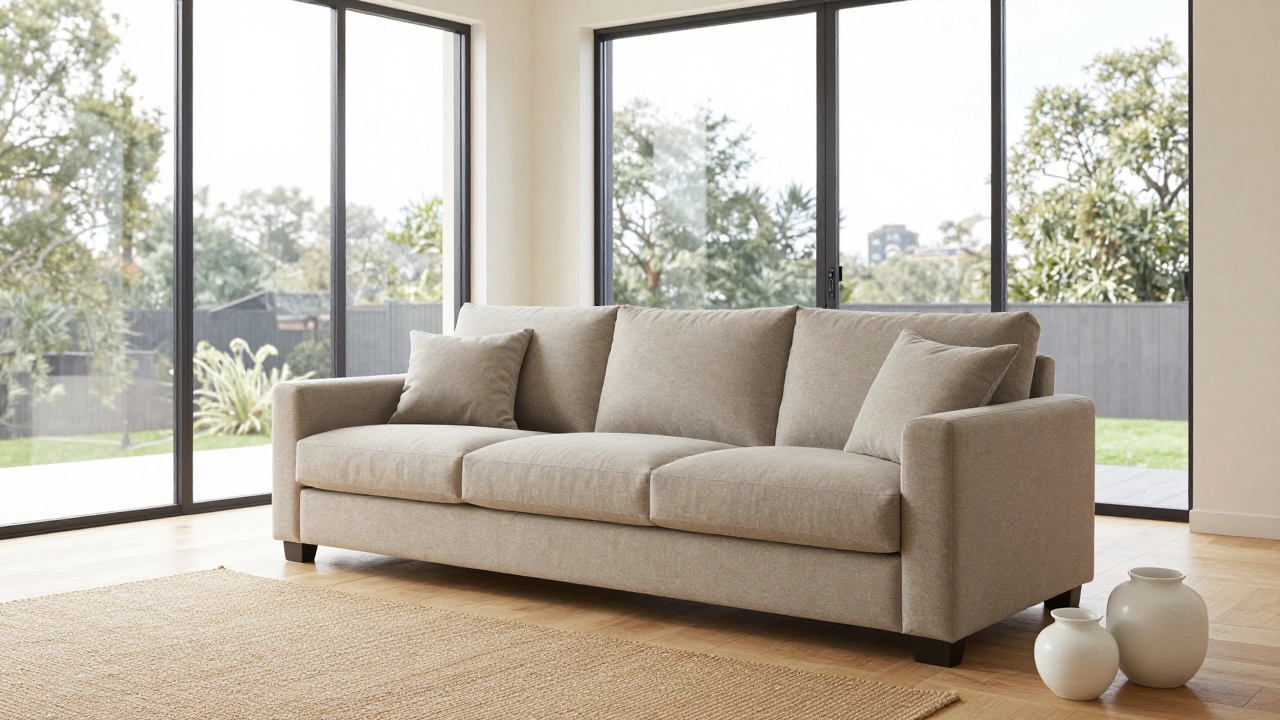
If there is one color that has earned its keep in modern interior design, it is greige, which is a sophisticated blend of gray and beige that offers warmth without heaviness. Pure gray can sometimes feel cold or clinical, especially in smaller rooms or spaces with northern exposure. Pure beige, on the other hand, can lean too yellow or brown depending on the lighting, risking a dated look from the early 2000s. Greige hits the sweet spot. It provides the grounding stability of gray with the organic warmth of beige.
Why does greige work so well? It adapts. In a bright, sun-drenched room, it reads as airy and clean. In a cozy, dimly lit den, it feels rich and enveloping. This versatility means you don’t have to repaint your walls or change your rug every time the seasons shift. You can swap out throw pillows in burnt orange for autumn or crisp white linen for summer, and the sofa remains the perfect, unobtrusive base. It’s a color that respects your other choices rather than competing with them.
Charcoal Gray: The Modern Classic
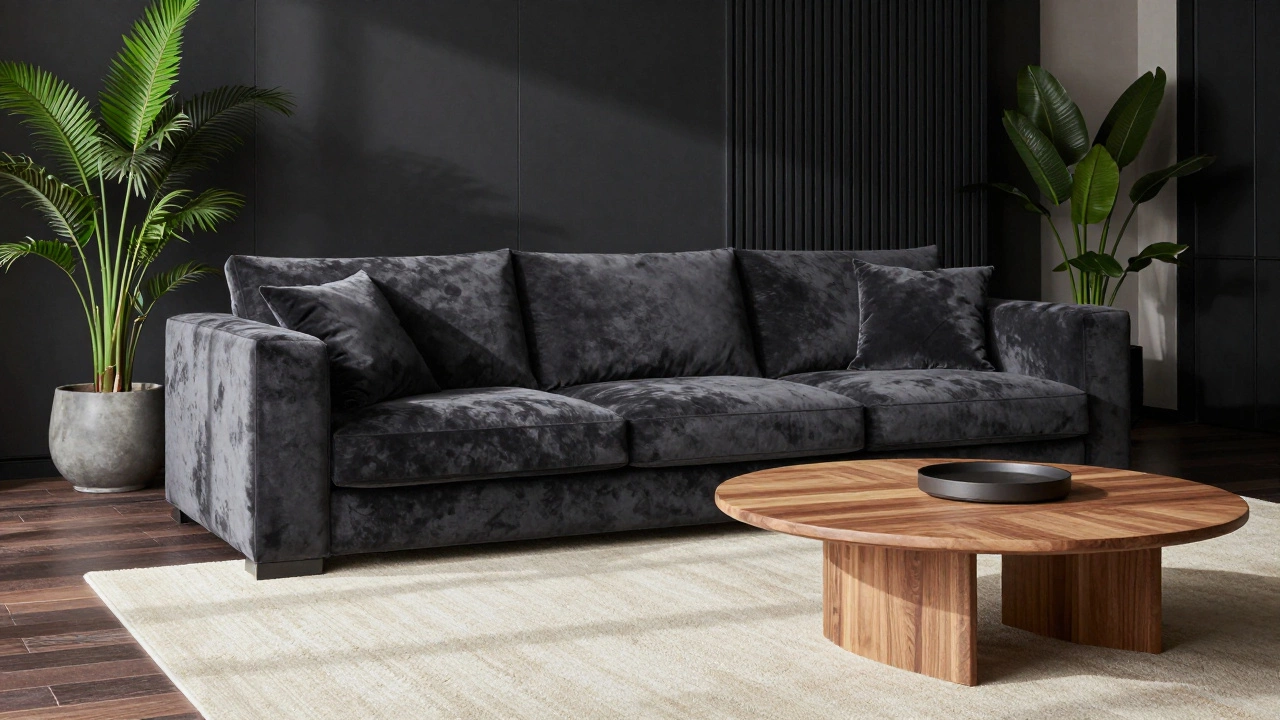
While lighter tones dominate the conversation around timeless neutrals, charcoal gray deserves a serious mention. This deep, dark hue is the antidote to the fear of showing wear and tear. If you have pets, young children, or simply lead a busy household, a light-colored sofa might seem like a nightmare waiting to happen. Charcoal gray hides dust, pet hair, and minor spills remarkably well. But beyond practicality, it offers a sleek, contemporary aesthetic that pairs beautifully with almost any material.
Think about the textures around your home. Wood floors, metal fixtures, glass tables-charcoal gray complements all of them. It creates a sense of depth and sophistication without closing off the room. To prevent it from feeling too heavy, balance it with lighter elements. A cream-colored rug, light wood coffee table, and plenty of greenery can lift the space. The key here is contrast. A dark sofa against light walls creates a focal point that draws the eye inward, making the room feel intentional and curated.
Olive Green: The Earthy Alternative
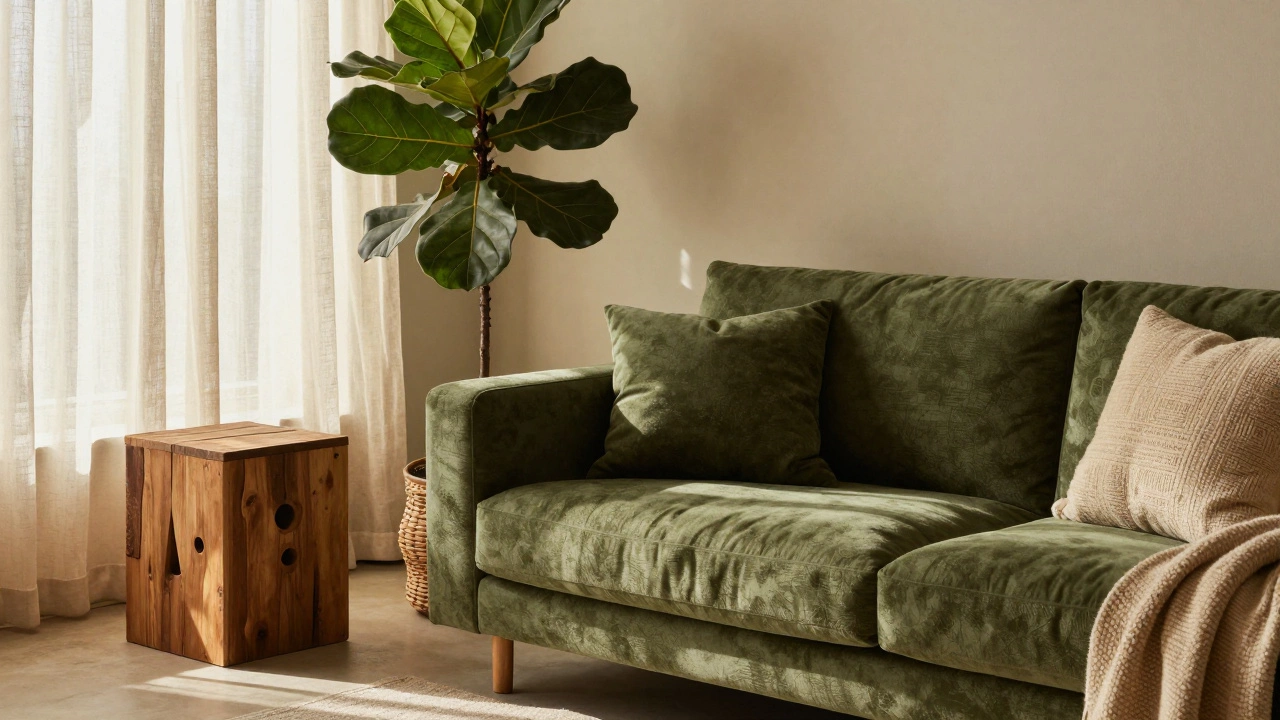
Not everyone wants a neutral that leans strictly toward gray or beige. For those who crave a hint of color without committing to a trend, olive green is a powerhouse. This shade is rooted in nature, mimicking the foliage outside your window. Because it’s an earth tone, it feels inherently stable and permanent. Unlike bright emerald or trendy teal, olive green has been a staple in military uniforms, traditional gardens, and classic interiors for decades. It doesn’t feel new, which is exactly why it won’t feel old soon.
Olive green works particularly well in homes with a biophilic design approach-spaces that prioritize connection to nature. It pairs effortlessly with rattan, jute, wool, and leather. Imagine an olive green velvet sofa next to a reclaimed wood sideboard and a potted fiddle-leaf fig. The result is a space that feels grounded and serene. This color also hides stains better than you’d expect, especially if you opt for a fabric with a slight texture or weave. It’s a smart choice for anyone who wants personality in their living room without sacrificing longevity.
Navy Blue: The Sophisticated Anchor
Navy blue is often overlooked as a timeless option because people associate it with formal dining rooms or nautical themes. However, when used correctly in a living room, navy blue exudes calm authority. It’s a cool tone that promotes relaxation, making it ideal for spaces meant for unwinding. Unlike black, which can be stark and absorbing, navy has depth and nuance. It reflects light subtly, adding richness to the room without dominating it.
This color is incredibly versatile in terms of styling. It looks stunning with brass accents, white trim, and light oak flooring. It also serves as a fantastic backdrop for colorful artwork or vibrant textiles. If you love collecting art, a navy sofa ensures that your pieces take center stage. The fabric choice matters here; a textured linen or a soft bouclé in navy adds tactile interest that prevents the color from feeling flat. It’s a sophisticated choice for those who appreciate a more traditional yet updated aesthetic.
Material Matters More Than Hue
You can pick the perfect shade, but if the fabric is wrong, the sofa will age poorly. Texture plays a huge role in how a color is perceived over time. Smooth, shiny fabrics can show every lint ball and scratch, while textured weaves hide imperfections and add visual interest. Natural fibers like cotton, linen, and wool are breathable and develop a beautiful patina over years of use. They don’t just sit there; they live with you.
Synthetic blends, while often more stain-resistant, can look cheap or plastic-like as they age. Look for high-performance fabrics that mimic the look and feel of natural materials but offer enhanced durability. Brands now offer treatments that repel water and resist stains without compromising comfort. This is crucial for maintaining the timeless appeal of your sofa. A faded, pilled fabric will make even the best color look dated. Investing in quality upholstery ensures that the color remains true and inviting for years to come.
| Color | Best For | Lighting Needs | Maintenance Level |
|---|---|---|---|
| Greige | Versatile styling, small spaces | Adaptable to any light | Medium (shows dark stains) |
| Charcoal Gray | Pet owners, modern aesthetics | Works in low light | Low (hides dust/hair) |
| Olive Green | Nature-inspired, cozy vibes | Needs some natural light | Medium (depends on fabric) |
| Navy Blue | Art lovers, traditional homes | Brightens with accent lights | Low-Medium |
Avoiding Trend Traps
To keep your sofa timeless, you must actively avoid colors that are tied to specific cultural moments. Bright mustard yellows, electric blues, and neon accents may be popular in design magazines today, but they will likely feel overwhelming in three years. These colors demand constant attention and limit your ability to change other elements in the room. If you buy a bright yellow sofa, your walls, rugs, and curtains suddenly have to match or complement that intense energy. It restricts your creative freedom.
Instead, think of your sofa as a long-term investment. Trends cycle quickly, but good design endures. Stick to shades that exist in nature. Look at a landscape-do you see neon pink rocks or electric purple trees? No. You see greens, browns, grays, blues, and whites. These colors have coexisted for millennia. Choosing a sofa color from this palette ensures that your furniture will always feel at home, regardless of what designers are predicting for next season.
How to Test Before You Buy
Before committing to a purchase, bring fabric swatches home. Place them on your current floor, next to your wall paint, and under your existing lighting conditions. Observe them at different times of day. Morning light is cool and blue, while evening light is warm and yellow. A color that looks perfect in the showroom might clash with your home’s ambiance. This simple step can save you from costly regrets. Also, sit on the sample if possible. Comfort is subjective, and a beautiful sofa that hurts your back is no sofa at all.
Is white really a bad choice for a timeless sofa?
White sofas are high-maintenance and can look sterile if not styled carefully. While they can be elegant, they require frequent cleaning and often clash with darker wood tones or busy patterns. For true timelessness with less upkeep, off-white or cream is a safer bet.
Can I mix patterns with a neutral sofa?
Absolutely. A neutral sofa is the perfect foundation for mixing patterns. Use pillows, throws, and area rugs to introduce prints like stripes, florals, or geometrics. The neutral base keeps the room from looking chaotic.
What is the most durable fabric for a family sofa?
Performance fabrics like microfiber, tightly woven linen blends, and treated cottons are excellent choices. They resist stains, wear, and fading better than delicate silks or loose weaves. Leather is also highly durable and ages gracefully.
Does the size of my room affect the sofa color choice?
Yes. Lighter colors like greige or cream can make small rooms feel larger and airier. Darker colors like charcoal or navy add coziness to large spaces but can shrink small rooms if not balanced with light walls and decor.
How do I update a neutral sofa without buying a new one?
Swap out throw pillows, blankets, and nearby accessories. Change your rug or add a colorful coffee table. Since the sofa is neutral, it adapts easily to new styles, allowing you to refresh the room seasonally for minimal cost.