Healthy Lifestyle Balance Audit
Take a quick self-assessment to see where your energy is flowing and where it might be leaking.
Your Current State
Your Balance Report
Personalized Recommendation
Adjust the sliders and click analyze to see your specific advice.
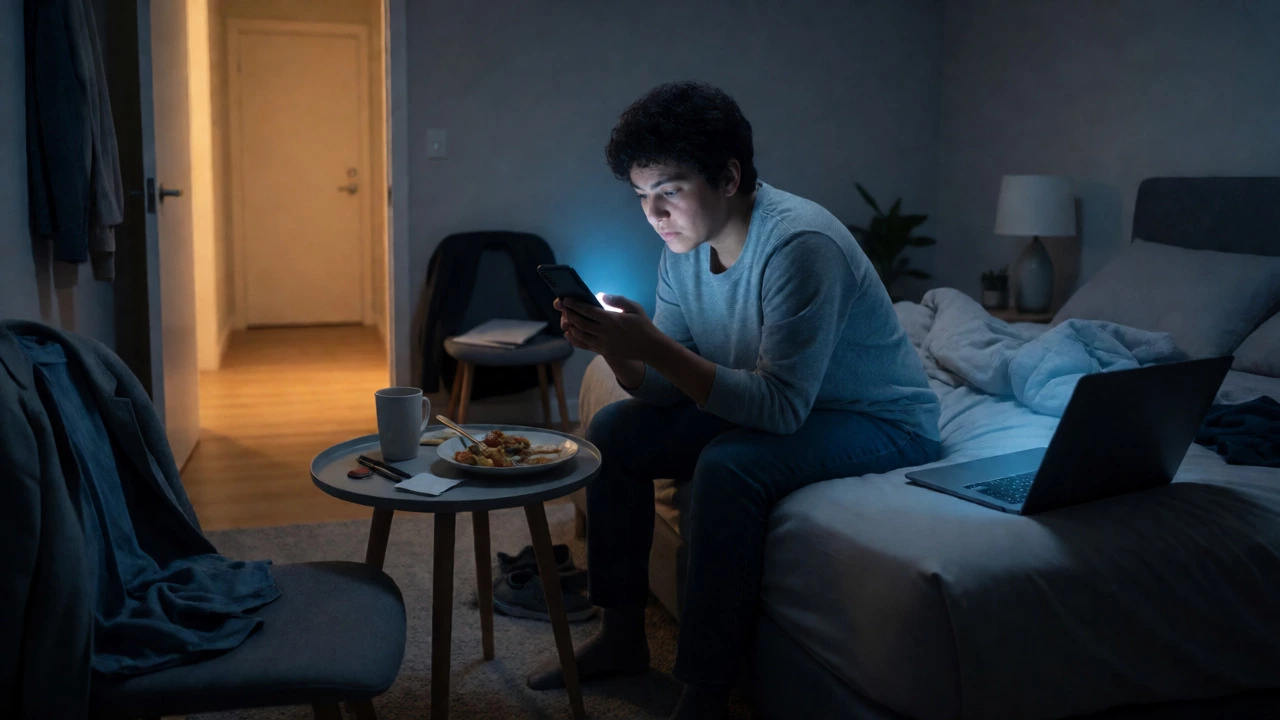
You know that feeling when you finally hit "send" on a big project at 9 PM, skip dinner because you're too tired to cook, and then scroll through your phone until 1 AM just to feel like you own your time? That's not relaxation. That's revenge bedtime procrastination, and it’s a screaming red flag that your healthy lifestyle balance is off-kilter.
We often treat balance like a math equation where every hour of work must be offset by an hour of leisure. But here is the truth: balance isn't static. It’s dynamic. It’s more like riding a bicycle than standing still on a scale. If you stop moving or adjusting your weight, you fall over. In 2026, with remote work blurring boundaries and AI handling more of our cognitive load, understanding what true balance looks like is harder-and more critical-than ever.
| Common Myth | The Reality |
|---|---|
| Balance means equal time for everything. | Balance means giving adequate attention to high-priority areas based on current needs. |
| You need a perfect morning routine. | You need consistent micro-habits that fit your actual energy levels. |
| Rest is earned after exhaustion. | Rest is fuel required before exhaustion hits. |
| Work-life balance is a destination. | It is a continuous practice of adjustment and boundary setting. |
Redefining Balance: It’s Not About Time Management
Most people fail at balance because they try to manage their clocks instead of their energy. You can schedule eight hours of sleep, but if you spend them worrying about tomorrow’s meeting, you aren’t resting. Energy management is the core skill of modern wellness. Think of your day as a battery. Some activities drain it (high-focus work, difficult conversations), while others recharge it (walking in nature, deep conversation, creative hobbies).
Healthy lifestyle balance requires you to audit these inputs and outputs. Ask yourself: What drains me? What recharges me? If you spend six hours draining and only thirty minutes recharging, no amount of weekend binge-watching will fix the deficit. The goal isn't to eliminate stress; it's to ensure recovery happens regularly enough to prevent chronic fatigue.
The Four Pillars of Sustainable Wellness
To build a framework that actually sticks, we need to look beyond vague advice like "eat well." We need specific domains that interact with each other. Neglecting one inevitably collapses the others.
- Physical Vitality: This isn't just about hitting the gym. It includes sleep hygiene, nutrition stability, and movement variety. If you’re sleeping five hours, your decision-making capacity drops by roughly 30%, making healthy food choices nearly impossible.
- Mental Clarity: Your brain needs downtime. Constant input from podcasts, news, and emails creates cognitive clutter. Practices like meditation or simply sitting in silence help reset your attention span.
- Social Connection: Loneliness is a silent killer. Humans are wired for connection. Even introverts need regular, meaningful interaction-not just digital pings-to maintain emotional resilience.
- Purposeful Work: Does your daily effort align with your values? Misalignment causes friction. You might work fewer hours but feel more exhausted if the work feels meaningless.
Practical Strategies for Real Life
Theory is nice, but how do you apply this when you have a boss, kids, and a mortgage? Here are three concrete tactics that move the needle without requiring a complete life overhaul.
1. The Power of Micro-Boundaries
Large boundaries are hard to enforce. Small ones are easier to slip into. Instead of trying to never check email after 6 PM, start with "no email during dinner." Use physical cues. Put your phone in another room. Wear headphones even if you aren't listening to anything. These small signals tell your brain, "I am off duty," allowing your nervous system to downshift.
2. Schedule Joy Like Meetings
If it’s not on the calendar, it doesn’t happen. Treat your hobby or workout with the same respect as a client call. Block out 45 minutes for a walk or reading. When that time arrives, protect it fiercely. This isn't selfish; it’s maintenance. You wouldn't drive a car without oil changes, so why expect your mind to run indefinitely without refueling?
3. Audit Your Digital Diet
In 2026, we consume more information in a day than a person did in a month in the 1990s. This overload leads to decision fatigue. Try a "low-input" evening once a week. No screens, no news, no social media. Just books, music, or conversation. Notice how your anxiety levels drop when you remove the constant comparison and noise.

Recognizing Burnout Before It Breaks You
Burnout doesn't announce itself with sirens. It whispers. Early signs include cynicism toward colleagues, irritability over minor issues, and a persistent sense of ineffectiveness. If you find yourself dreading Sunday nights more than usual, pay attention. Burnout is a state of emotional, physical, and mental exhaustion caused by excessive and prolonged stress.
Recovery from burnout takes longer than prevention. If you ignore the whispers, you’ll eventually hear the scream-a forced sick leave or a health crisis. Regularly checking in with your stress levels using a simple 1-10 scale can help you catch the drift before it becomes a cliff.
Building a Personalized Balance Blueprint
There is no one-size-fits-all template. A single parent’s balance looks different from a student’s or a CEO’s. The key is customization. Start with a two-week experiment. Track your energy levels hourly for three days. Identify your peak energy times. Schedule demanding tasks during peaks and administrative or low-energy tasks during slumps.
Then, adjust one variable at a time. Maybe you change your wake-up time. Maybe you swap one coffee for water. Maybe you say "no" to one extra commitment. Observe the impact. Did you feel more rested? More focused? Keep what works. Discard what doesn’t. This iterative process builds a lifestyle that supports you rather than depletes you.
Remember, balance is messy. You will have weeks where work dominates. You will have months where family needs take center stage. That’s okay. As long as you return to equilibrium regularly, you’re doing it right. Stop aiming for perfection and start aiming for sustainability.
Is work-life balance possible with a high-pressure job?
Yes, but it requires strict boundary enforcement. High-pressure jobs often demand flexibility, which can blur lines. Focus on quality of rest rather than quantity. Ensure you have periods of true disconnection, even if they are short. Communicate your limits clearly to employers and stick to them.
How long does it take to establish a healthy lifestyle balance?
Research suggests it takes anywhere from 21 to 66 days to form new habits. However, feeling balanced often happens faster if you focus on immediate relief strategies like better sleep or reduced screen time. Consistency matters more than speed. Expect setbacks and view them as data points for adjustment.
Does exercise help with mental health balance?
Absolutely. Physical activity releases endorphins and reduces cortisol levels. Even moderate exercise like walking for 30 minutes can significantly improve mood and cognitive function. It acts as a natural buffer against stress, making it easier to handle daily challenges.
What role does nutrition play in lifestyle balance?
Nutrition fuels both body and brain. Unstable blood sugar leads to energy crashes and irritability, disrupting balance. Prioritize whole foods, hydration, and regular meal times. Avoid relying on caffeine and sugar for energy spikes, as they lead to deeper lows later.
Can technology disrupt my healthy lifestyle balance?
Yes, if used without intention. Constant notifications fragment attention and increase stress. Use technology to support balance (e.g., fitness trackers, meditation apps) rather than hinder it. Set specific times for checking devices and turn off non-essential alerts to regain control over your focus.