4-10-30 Method Personal Planner
Your Profile
Target Heart Rate Zone
Based on Dr. Maffetone's 180 Formula
Keep your heart rate below this number during the entire 30-minute walk.
Estimated Calorie Burn
Per 30-Minute Session
Walking at 3.7 mph with 4% incline burns ~50% more calories than flat walking.
Recommended Frequency
Enter your details to generate your personalized 4-10-30 plan.
You’ve probably seen it everywhere on social media lately. People posting clips of themselves walking briskly while wearing heavy weights on their ankles or waist, claiming they’re melting fat without breaking a sweat in the gym. It’s called the 4-10-30 method, and it has taken the fitness world by storm. But before you rush out to buy ankle weights or start pounding the pavement for an hour every day, you need to know what this protocol actually is, who invented it, and whether it’s safe for your joints.
This isn’t just another viral trend that will fade next month. It’s based on specific physiological principles regarding heart rate zones and calorie expenditure. However, like any intense physical regimen, it comes with risks if done incorrectly. Let’s break down exactly how the 4-10-30 method works, why it might be effective for weight loss, and how you can adapt it safely using minimal home workout equipment.
The Origins: Dr. Phil Maffetone and the Science Behind the Numbers
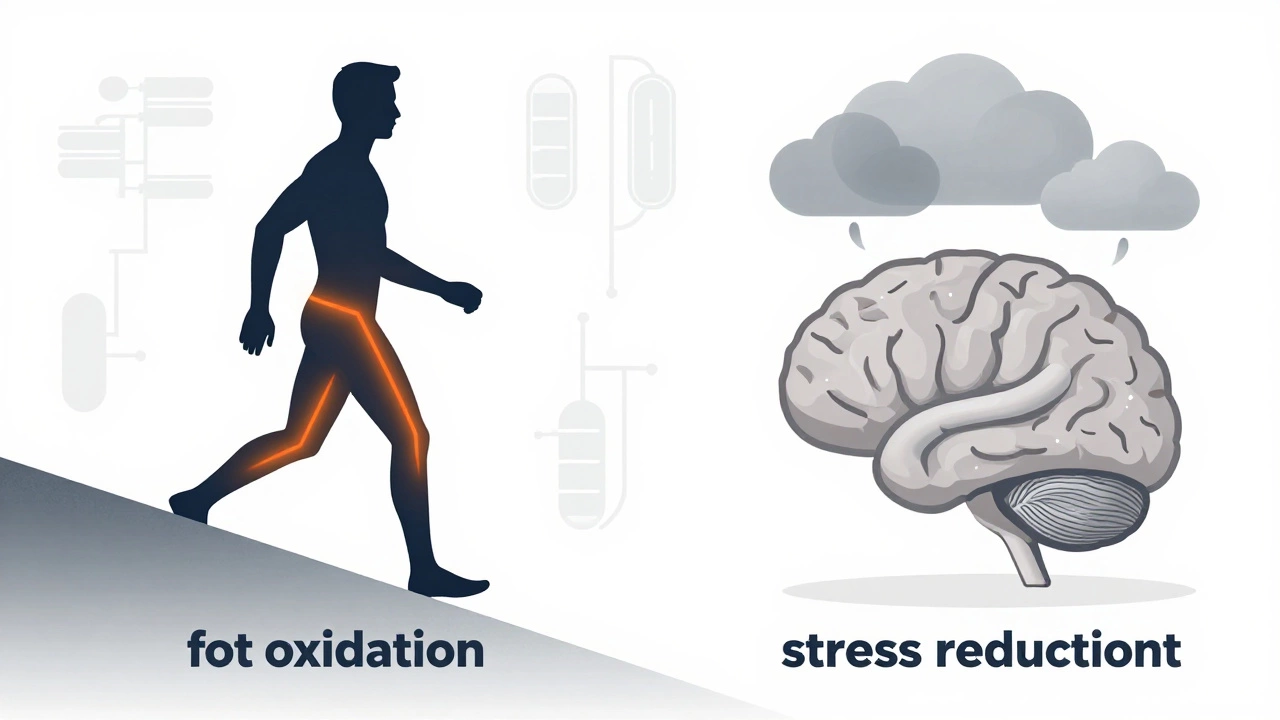
To understand the 4-10-30 method, you first have to look at its creator. This protocol was popularized by Dr. Phil Maffetone, a well-known endurance coach and author. He didn’t pull these numbers out of thin air; they are rooted in his "180 Formula" for determining optimal aerobic heart rate. The goal is to train primarily in the aerobic zone, where your body burns fat as its primary fuel source rather than carbohydrates (glycogen).
The name itself tells you exactly what you need to do:
- 4%: You walk up a 4% incline.
- 10: You maintain a speed of 10 minutes per mile (which is roughly 6 km/h or 3.7 mph).
- 30: You perform this activity for 30 minutes straight.
The key constraint here is intensity. You must keep your heart rate below a specific threshold-usually calculated as 180 minus your age. For a 40-year-old, that means staying under 140 beats per minute (bpm). If your heart rate spikes above this number, you slow down or reduce the incline. This ensures you stay in the "fat-burning zone," even though walking uphill feels challenging.
Why Does the 4-10-30 Method Work for Weight Loss?
The effectiveness of this method lies in the combination of duration, intensity, and resistance. By adding a 4% incline, you significantly increase the caloric burn compared to walking on flat ground. Studies show that walking on an incline can burn up to 50% more calories than walking on a flat surface at the same speed.
Furthermore, keeping the heart rate low prevents the release of cortisol, a stress hormone that can promote fat storage when chronically elevated. High-intensity interval training (HIIT) is great for cardiovascular health, but it also spikes insulin and cortisol. The 4-10-30 method offers a sustainable alternative that doesn’t leave you exhausted or injured, making it easier to stick with long-term. Consistency is the real driver of fat loss, and this method is designed for daily repetition.
Equipment Needed: Do You Really Need Ankle Weights?
Here is where things get controversial. Dr. Maffetone originally suggested adding external resistance, such as ankle weights or a weighted vest, to further increase the metabolic demand without raising the heart rate too high. However, many physical therapists warn against using ankle weights for walking. They alter your natural gait and can put undue stress on your knees, hips, and ankles, potentially leading to injury over time.
If you want to try this method safely, here is how you should approach your home workout equipment setup:
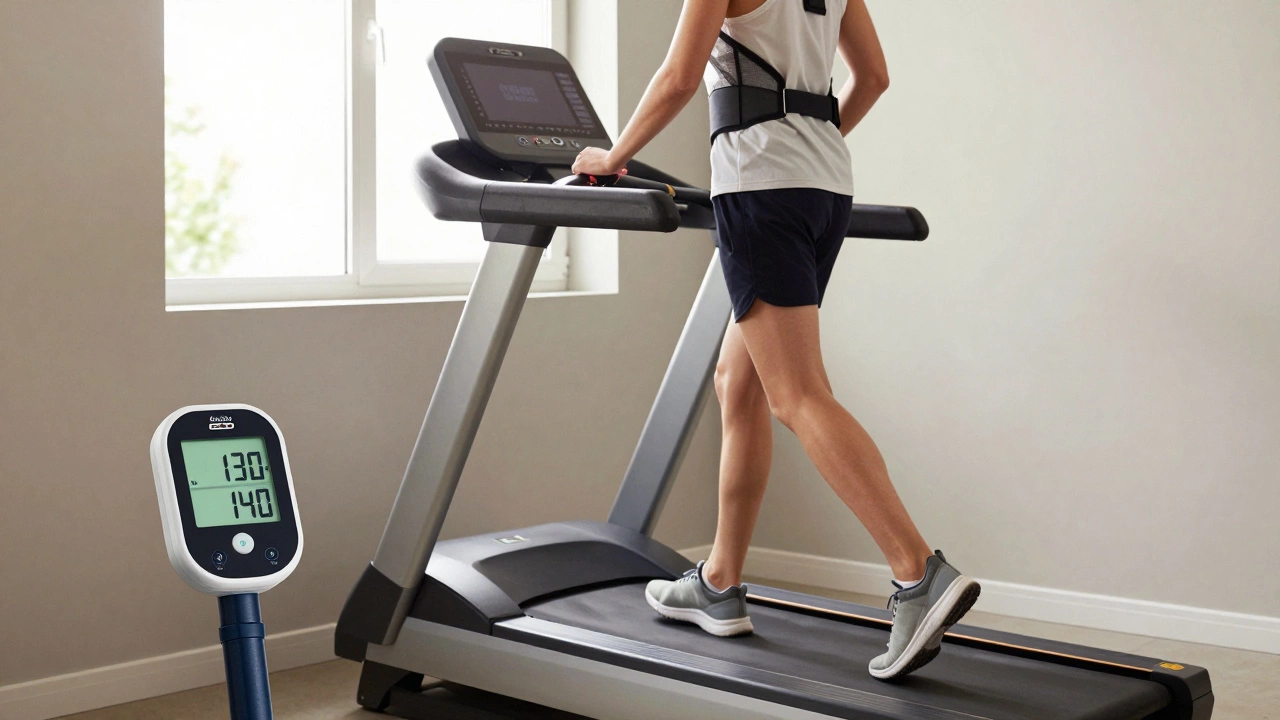
- Treadmill: This is the ideal tool because you can precisely set the incline to 4% and the speed to 10 min/mile. Most modern treadmills allow you to monitor your heart rate via chest straps or built-in sensors.
- Weighted Vest: If you choose to add resistance, a weighted vest is far safer than ankle weights. It keeps the weight centered on your core, maintaining proper posture and reducing joint strain. Start with a light load, around 5-10% of your body weight.
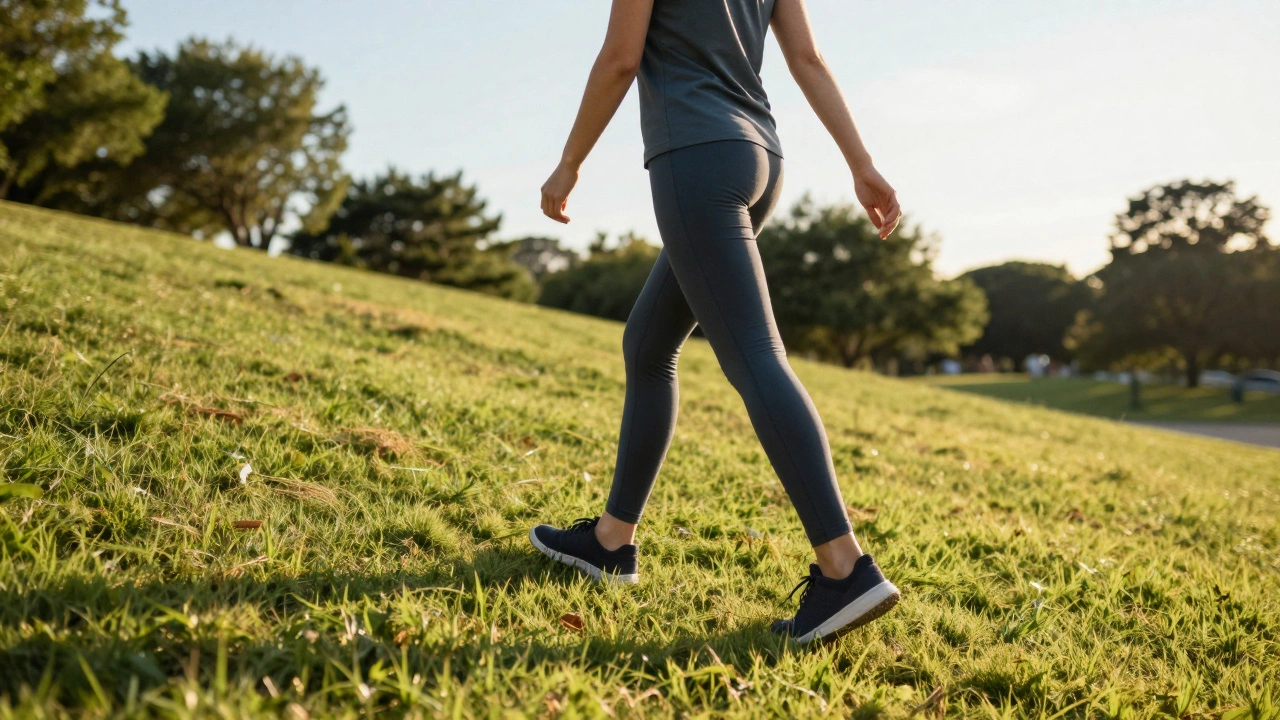
- Outdoor Terrain: If you don’t have a treadmill, find a hill with a similar gradient. Use a GPS watch or smartphone app to track your pace and ensure you’re hitting the 10-minute-per-mile mark.
You do not need expensive gear to start. A good pair of walking shoes and a way to measure your heart rate are sufficient. Avoid starting with heavy weights immediately; let your tendons and ligaments adapt to the incline first.
Step-by-Step Guide to Performing the 4-10-30 Workout
Executing this protocol correctly is crucial for reaping the benefits while avoiding injury. Here is a practical step-by-step guide to getting started:
| Step | Action | Details |
|---|---|---|
| 1 | Calculate Max Heart Rate | Subtract your age from 180. Adjust -1 for general illness, -2 for chronic issues. |
| 2 | Warm Up | Walk on a flat surface for 5 minutes to get blood flowing. |
| 3 | Set Incline | Increase treadmill grade to 4%. If outdoors, find a steady hill. |
| 4 | Set Speed | Aim for 10 minutes per mile (approx. 3.7 mph or 6 km/h). |
| 5 | Monitor Heart Rate | Keep HR below your calculated max. Slow down if it spikes. |
| 6 | Duration | Maintain this pace for 30 minutes. |
| 7 | Cool Down | Walk flat for 5 minutes to lower heart rate gradually. |
Start by doing this workout three times a week. As your aerobic base improves, you can increase the frequency to five or six days a week. Listen to your body. If you feel sharp pain in your joints, stop immediately. Discomfort from muscle exertion is normal; joint pain is not.
Who Should Avoid the 4-10-30 Method?
While this method is low-impact compared to running, it is not suitable for everyone. If you have pre-existing knee, hip, or back issues, the added incline and potential external weight could exacerbate your condition. Always consult with a healthcare provider or physical therapist before starting any new exercise regimen, especially one involving repetitive motion on an incline.
Pregnant women should also exercise caution. While walking is generally safe during pregnancy, the addition of incline and weight requires medical clearance. Additionally, if you are new to exercise, jumping straight into 30 minutes of continuous uphill walking might be too much. Consider starting with a modified version: 2% incline, slower pace, and shorter duration (15 minutes), gradually building up over several weeks.
Alternatives and Modifications for Home Workouts
Not everyone has access to a treadmill or a perfect hill. That’s okay. The core principle of the 4-10-30 method is sustained aerobic effort with moderate resistance. You can achieve similar results with other forms of home workout equipment:
- Stationary Bike: Set a moderate resistance level and maintain a cadence that keeps your heart rate in the aerobic zone for 30-45 minutes.
- Elliptical Trainer: Increase the resistance setting and lean forward slightly to engage your glutes, mimicking the uphill motion.
- Stair Climber: Use a slower pace with no handrail assistance to ensure you’re using your legs fully. Keep your heart rate controlled.
The beauty of this approach is its flexibility. The goal is to build an aerobic engine that efficiently burns fat. Whether you use a treadmill, a bike, or just find a steep hill outside, the metrics of time, intensity, and consistency matter most.
Common Mistakes to Avoid
Many people fail to see results from the 4-10-30 method because they make simple errors in execution. Here are the most common pitfalls:
Ignoring Heart Rate Limits: If you push too hard and your heart rate exceeds your target zone, you shift from burning fat to burning glycogen. You’ll feel winded and tired, defeating the purpose of the aerobic base-building protocol. Slow down if necessary.
Using Too Much Weight Too Soon: Adding 20 pounds of weight to your vest on day one is a recipe for injury. Start with no weight or very light resistance. Focus on mastering the incline and pace first.
Inconsistent Effort: Doing the workout once a week won’t yield significant changes. The metabolic adaptations required for improved fat oxidation take time and regular stimulus. Aim for at least three sessions per week initially.
Neglecting Nutrition: No amount of walking will offset a poor diet. The 4-10-30 method creates a calorie deficit and improves metabolic health, but you still need to eat whole, nutrient-dense foods to support recovery and fat loss.
Conclusion: Is the Hype Real?
The 4-10-30 method is not a magic bullet, but it is a scientifically sound approach to improving cardiovascular health and promoting fat loss. Its simplicity is its strength. There’s no complex choreography, no heavy lifting, and no need for a gym membership. Just a consistent, mindful effort to move your body in a specific way.
If you’re looking for a sustainable, low-risk way to get fit, this method deserves a spot in your routine. Start slow, listen to your body, and focus on the process rather than immediate results. Over time, you’ll notice increased energy, better endurance, and yes, likely some weight loss. And remember, the best workout is the one you can stick with consistently.
Can I do the 4-10-30 method outdoors?
Yes, you can. Find a hill with a consistent 4% grade. Use a GPS watch or phone app to track your speed and ensure you're maintaining a 10-minute-per-mile pace. Be mindful of traffic and terrain safety.
Do I need to wear ankle weights for the 4-10-30 method?
No, ankle weights are not recommended due to the risk of joint injury. A weighted vest is a safer alternative if you wish to add resistance. Many people find success with just the incline and no extra weight.
How often should I do the 4-10-30 workout?
Start with 3 times per week to allow your body to adapt. As your fitness improves, you can increase frequency to 5-6 days a week. Rest days are important for recovery.
What if my heart rate goes above the limit?
Slow down your pace or reduce the incline until your heart rate drops back into the target zone. The goal is to stay in the aerobic range, so adjusting intensity is part of the protocol.
Is the 4-10-30 method good for beginners?
It can be, but beginners should start with a lower incline (e.g., 2%) and shorter duration (15 minutes). Gradually increase the difficulty over several weeks to avoid injury and build endurance safely.
Does the 4-10-30 method build muscle?
It primarily targets fat loss and cardiovascular health. While it engages leg muscles (glutes, quads, calves), it is not a hypertrophy-focused workout. Combine it with strength training for comprehensive fitness.
Can I combine 4-10-30 with other exercises?
Yes, you can pair it with strength training on alternate days or do it after a lighter strength session. Ensure you have enough energy to maintain proper form and heart rate control.
How long does it take to see results?
Results vary based on individual factors like diet and starting fitness level. Most people notice improved endurance within 2-4 weeks. Visible fat loss typically takes 6-8 weeks of consistent practice combined with a healthy diet.