Home Decor Style Finder
Not sure where to start? Answer these three questions based on your lifestyle and preferences to identify your dominant interior design archetype.
Your Recommended Style:
Key Design Tips:
Walk into a room that feels like home, and you’ll notice something specific. It’s not just about expensive furniture or trendy colors. It’s about comfort. It’s about a space that tells your story without saying a word. But for most of us, finding that "vibe" is harder than it looks. You scroll through Pinterest, see a minimalist Scandinavian loft, and think, "Yes!" Then you try to recreate it in your Melbourne apartment, and it feels cold and empty. Why? Because copying isn’t styling.
Finding your own style isn’t about picking a label from a magazine. It’s about digging into what actually makes you feel good. It’s a process of elimination, observation, and a little bit of trial and error. If you’ve been staring at blank walls wondering where to start, this guide will help you strip away the noise and build a home that truly fits you.
The "Why" Behind Your Choices
Before you buy a single cushion, you need to understand how you live. Design trends come and go-maximalism was huge in 2024, then quiet luxury took over in 2025-but your life doesn’t change that fast. If you have two kids and a dog, a pristine white marble coffee table is a liability, not an asset.
Ask yourself these three questions:
- How do I use my space? Do you host dinner parties every weekend, or do you mostly read alone on the couch? If you’re a social butterfly, prioritize seating and flow. If you’re a remote worker, prioritize lighting and ergonomics.
- What is my maintenance tolerance? Be honest. Do you enjoy dusting velvet curtains, or does it stress you out? High-maintenance styles require high-maintenance habits. If you hate cleaning, lean towards leather, linen, and easy-wipe surfaces.
- What mood do I want to feel? Do you want energy (bright colors, bold patterns) or calm (neutrals, soft textures)? Your home should regulate your nervous system, not fight against it.
Your lifestyle dictates the function; your personality dictates the form. Get the function right first, and the form becomes much easier to choose.
Collect, Don’t Just Browse
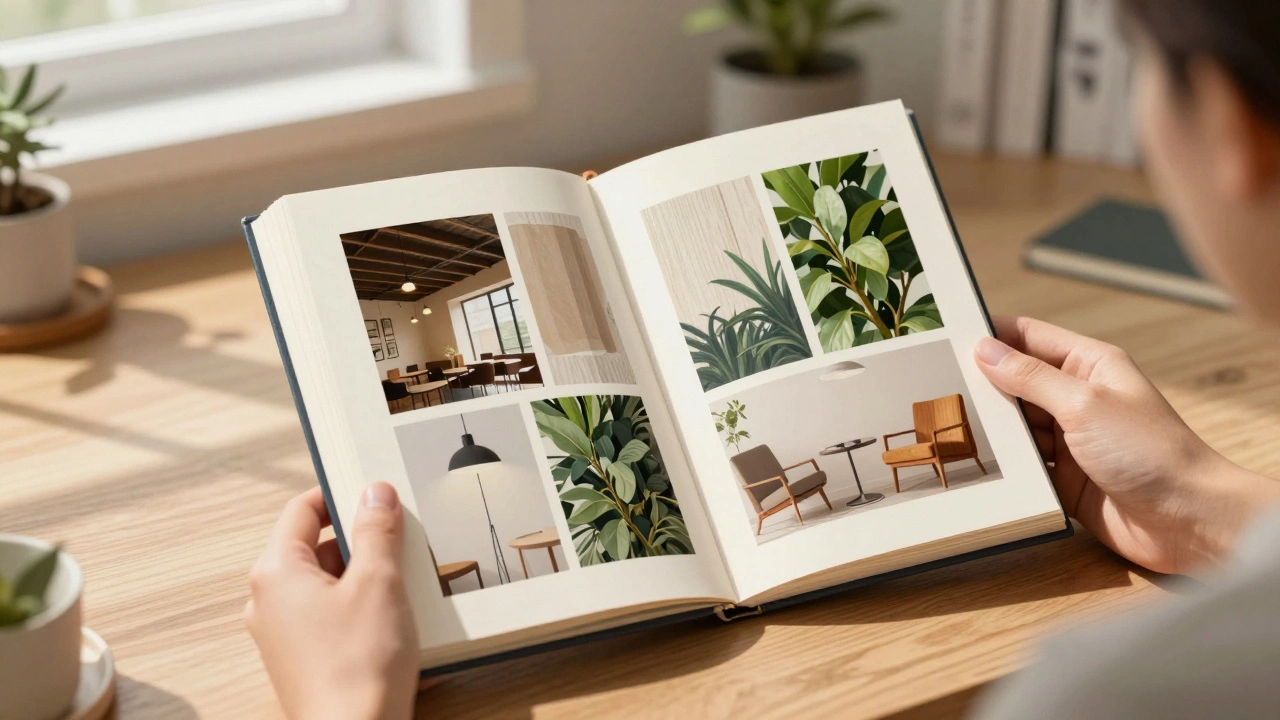
Most people browse aimlessly. To find your style, you need to collect evidence. Start a digital folder on your phone or a physical scrapbook. For two weeks, save anything that catches your eye. It doesn’t have to be interior design. Save a photo of a cafe ceiling, a color palette from a painting, or even the way light hits a tree branch in the Royal Botanic Gardens.
After two weeks, look at your collection. What connects them?
- Are they all dark and moody?
- Do they feature natural materials like wood and stone?
- Is there a lot of greenery?
If you see ten photos of mid-century modern chairs but zero photos of ornate Victorian mirrors, you have your answer. You aren’t a fan of Victorian design. This data-driven approach removes the guesswork. You’re not guessing what you like; you’re analyzing what you’ve already proven you like.
Identifying Common Archetypes
While everyone is unique, most homes fall into recognizable archetypes. Knowing these names helps you communicate with designers or search for products online. Here are the big ones dominating Australian homes in 2026:
| Style Name | Key Characteristics | Best For... |
|---|---|---|
| Scandinavian Minimalist | Clean lines, white walls, functional furniture, lots of light. | Small spaces, introverts, low-maintenance lovers. |
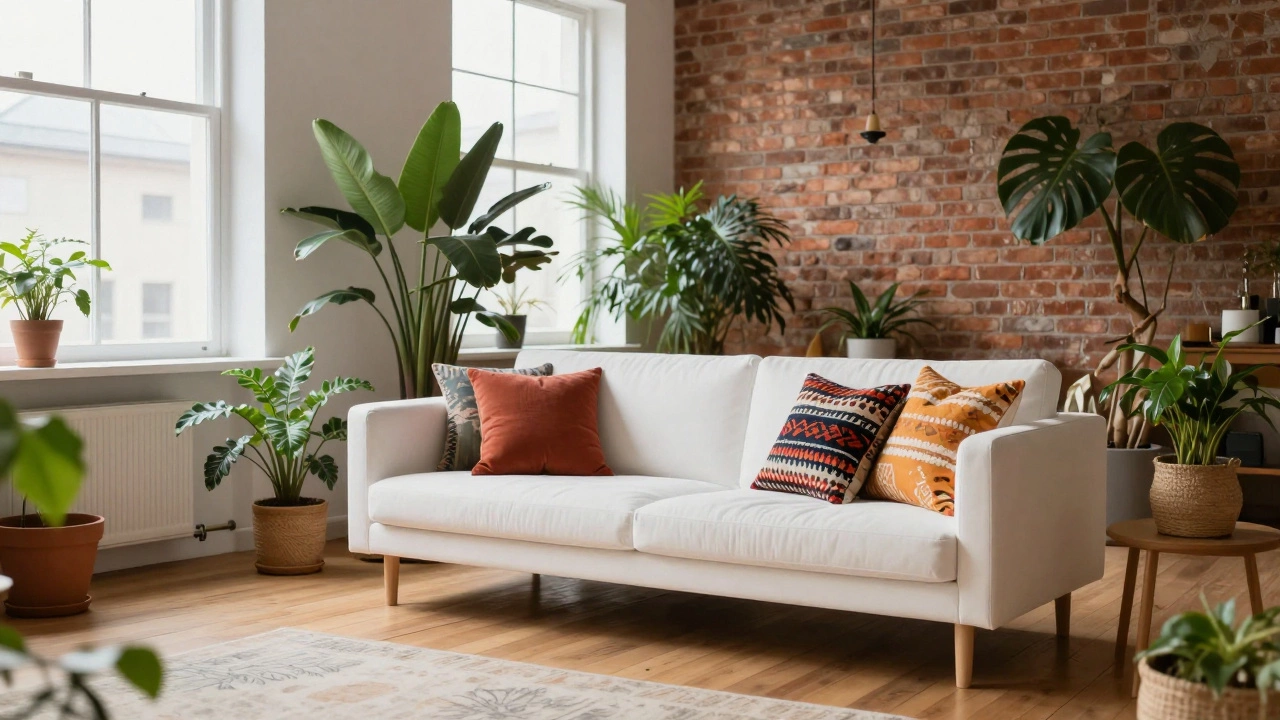
| Bohemian (Boho) | Mixed patterns, plants, rugs, warm earth tones, eclectic. | Creative types, collectors, those who love texture. |
| Industrial | Exposed brick, metal pipes, raw wood, dark accents. | Loft apartments, urban dwellers, edgy aesthetics. |
| Modern Farmhouse | Shiplap, neutral palettes, vintage touches, cozy textiles. | Families, rural settings, traditionalists with a twist. |
| Japandi | Blend of Japanese rustic minimalism and Scandinavian functionality. | Zen seekers, small apartments, quality-over-quantity buyers. |
You don’t have to pick just one. Most successful homes are hybrids. Maybe you love the clean lines of Scandinavian design but want the warmth of Bohemian textiles. That’s called "Eclectic Minimalism," and it’s totally valid. The key is balance. Pick one dominant style (70%) and mix in secondary influences (30%).
The Power of Texture Over Color
New decorators obsess over color. They spend weeks choosing between "Sage Green" and "Seafoam." But color is temporary. Paint is cheap. Texture is permanent. Texture creates depth and interest without visual clutter.
Think about touch. A smooth leather sofa feels different than a nubby wool throw. A glossy ceramic vase reflects light differently than a matte clay pot. In a room with neutral walls, varying textures keep things interesting. Try layering:
- A jute rug (rough, natural).
- A linen sofa (soft, breathable).
- A glass coffee table (smooth, reflective).
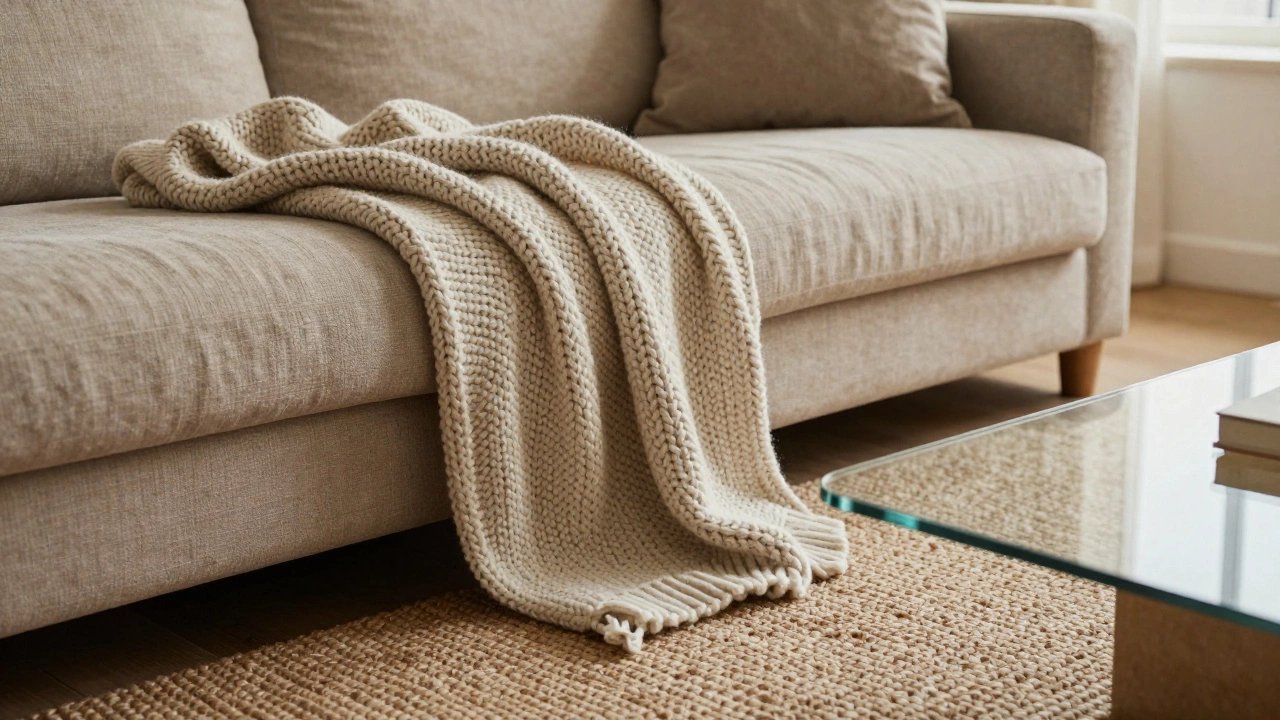
- A chunky knit blanket (warm, cozy).
This combination works in almost any style. If you get the textures right, you can change the paint color next year without redoing the whole room. This is especially useful in rental properties where you can’t knock down walls but can swap out cushions.
Start Small, Think Big
The biggest mistake people make is trying to renovate everything at once. It’s overwhelming and expensive. Instead, start with one corner or one piece of furniture. Buy the chair you love. Hang the art that speaks to you. See how it feels.
If you buy a large item, ask yourself: "Will I still love this in five years?" Trends fade. Quality lasts. Invest in durable pieces for sofas and beds. Save money on side tables and decor items that you might want to swap out later. This strategy prevents buyer’s remorse and keeps your budget healthy.
Embrace Imperfection
Your home shouldn’t look like a showroom. Showrooms are sterile because no one lives in them. Your home should show signs of life. Books stacked on the floor. A plant that’s slightly overgrown. A framed ticket stub from a gig you loved. These personal artifacts add soul to your space.
Don’t be afraid to break the rules. If you want to hang a gallery wall in a kitchen, do it. If you want neon lights in a bedroom, go for it. Rules exist to be learned, not necessarily followed. The goal is joy, not judgment.
When to Call a Pro
Sometimes, you hit a wall. You know what you like, but you can’t make it work spatially. This is when an interior designer adds value. They don’t just pick pillows; they solve problems. They understand sightlines, traffic flow, and lighting ratios.
In Melbourne, many designers offer "e-design" packages where you send them photos and measurements, and they send back a shopping list and layout plan. This is more affordable than full-service design and gives you expert guidance without the high cost. Use this if you’re stuck on a tricky layout or a major renovation.
How long does it take to find my home decor style?
There is no set timeline. For some, it takes a few months of collecting inspiration. For others, it evolves over years as they move houses and accumulate belongings. The key is patience. Don’t rush to fill empty spaces. Let your style emerge naturally through your daily life and preferences.
Can I mix different design styles in one room?
Absolutely. Mixing styles is often the best way to create a unique look. The trick is to maintain balance. Choose one dominant style for the large furniture pieces (sofa, bed, dining table) and use smaller accessories (cushions, art, lamps) to introduce secondary styles. Ensure there’s a unifying element, such as a consistent color palette or material, to tie everything together.
What if I rent and can’t make big changes?
Renters have plenty of options. Focus on removable elements: area rugs, curtains, peel-and-stick wallpaper, and portable furniture. Lighting is also a game-changer; swapping out harsh overhead fixtures for warm floor lamps or string lights can completely alter the mood. These changes are reversible and allow you to express your style without violating lease agreements.
How do I choose a color scheme for my home?
Start with a piece you love-a rug, a painting, or even a favorite outfit. Pull 2-3 colors from that item to create your palette. Use the 60-30-10 rule: 60% dominant color (usually walls), 30% secondary color (furniture), and 10% accent color (decor). Test paint samples on your actual walls at different times of day, as natural light significantly affects how colors appear.
Is it better to buy new or second-hand furniture?
A mix of both is ideal. Second-hand shops, like those in Brunswick or Collingwood, offer unique pieces with character and history at lower prices. New furniture provides warranties and modern ergonomics. Buying second-hand is also more sustainable. Look for solid wood frames and quality upholstery in used items, as these can often be reupholstered or refinished to match your current style.