Energy Balance Assessment
Assess your energy patterns to identify what truly drains you and what restores you. Based on the research from the article "What Is the Best Lifestyle to Live?".
Your Energy Drains
Select what drains your energy the most:
Your Energy Restorers
Select what restores your energy:
Your Boundary
What single boundary can you set this week?
There’s no single best lifestyle that works for everyone. You’ve probably seen Instagram posts of people waking up at 5 a.m., meditating for an hour, drinking green juice, and then crushing a 10-hour workday-all while looking calm and glowing. But here’s the truth: that’s not a lifestyle. That’s a performance. And it’s not sustainable for most people.
What Most People Get Wrong About the "Best" Lifestyle
The idea of a perfect lifestyle usually comes from curated highlight reels, not real life. People think the best lifestyle means doing more: more productivity, more self-care, more discipline. But real balance isn’t about stacking habits. It’s about removing what drains you and keeping what actually helps you feel alive.
A 2024 study from the University of Melbourne tracked 2,000 professionals over six months. Those who focused on reducing stress triggers-like constant email checking, back-to-back meetings, and weekend work-reported 42% higher life satisfaction than those who tried to add more routines. The key wasn’t what they added. It was what they cut.
Work-Life Balance Isn’t About Time. It’s About Energy.
You can have 8 hours of "work" and 8 hours of "life," but if your work leaves you mentally exhausted, your "life" hours will feel empty. Energy matters more than clock time.
Think about your week. Do you have days where you come home and just sit on the couch staring at the wall? That’s not relaxation. That’s recovery from depletion. The best lifestyle isn’t one where you squeeze in yoga and journaling. It’s one where your job doesn’t leave you too drained to enjoy your own company.
People who thrive in 2025 don’t have perfect schedules. They have boundaries. They say no to meetings that don’t move the needle. They turn off notifications after 7 p.m. They don’t check Slack on Sunday. And they don’t feel guilty about it.
The 3 Non-Negotiables of a Realistic Best Lifestyle
After talking to over 150 people across different jobs, ages, and cities, three patterns kept showing up as essential:
- Protected sleep-not just 7-8 hours, but consistent timing. Going to bed at 11 p.m. and waking at 7 a.m. every day-even on weekends-cuts anxiety and improves focus. Your body doesn’t need more sleep. It needs predictability.
- One movement ritual-not a 60-minute gym session. Just 20 minutes of walking, stretching, or dancing. Something you enjoy, not something you dread. People who moved daily, even briefly, reported better mood and fewer headaches.
- A no-work zone-a physical or time-based space where work simply doesn’t enter. For some, it’s the kitchen table. For others, it’s after 6 p.m. or Sundays. The zone doesn’t have to be big. It just has to be respected.
These aren’t trends. They’re biological needs. Your brain isn’t wired to switch between high-stress work mode and relaxed family mode without a buffer. Without these three things, burnout isn’t a risk. It’s inevitable.
What Doesn’t Work (And Why)
Let’s be clear about what doesn’t make the cut:
- Waking up at 4 a.m.-If you’re doing it because someone on YouTube says it’s the "secret," you’re probably just stealing sleep from your body’s natural rhythm. Most people aren’t morning people. And that’s fine.
- Time-blocking every minute-If your day is so packed with blocks that you can’t breathe, you’re not managing time. You’re controlling it like a prison guard. Real balance has space for spontaneity.
- "Hustle culture" disguised as self-improvement-Selling burnout as discipline is dangerous. If your lifestyle feels like a constant grind, you’re not building a life. You’re surviving it.
There’s a difference between structure and rigidity. Structure gives you freedom. Rigidity steals it.
Real Examples From Real People
Here are three actual lifestyles from people in Melbourne who’ve found what works for them-not what they think they should do.
Maya, 34, freelance designer: She works 4 days a week, 6 hours a day. She takes Wednesdays off to walk in the Dandenongs, cook, and nap. She doesn’t take client calls after 6 p.m. Her income hasn’t dropped. Her anxiety has.
James, 47, nurse: He works 12-hour night shifts every third day. His "balance" isn’t about having free time-it’s about protecting recovery. He doesn’t answer texts on his days off. He sleeps until noon. He drinks coffee slowly, without scrolling. He says, "I’m not trying to be productive on my days off. I’m trying to be human."
Leila, 29, teacher: She doesn’t grade papers at home. She doesn’t check school emails after 7 p.m. She has a 10-minute wind-down ritual: tea, a playlist of old jazz, and sitting by her window. She calls it her "transition ritual." It’s not fancy. But it’s the reason she hasn’t quit teaching.
They don’t all look the same. But they all have one thing in common: they protect their energy like it’s the most valuable thing they own.
How to Build Your Own Best Lifestyle
Start by asking yourself three questions:
- What drains me the most? Write down the top three things that leave you feeling empty after doing them. Is it scrolling LinkedIn at night? Endless Zoom calls? Saying yes to things you don’t want to do?
- What restores me? What do you do that makes you feel like yourself again? Is it listening to music? Walking barefoot on grass? Talking to your dog? Cooking something messy? Don’t overthink it. Just name it.
- What’s one boundary I can set this week? Not a big one. Just one. Maybe it’s not answering emails after 8 p.m. Maybe it’s turning off your work phone on Sundays. Maybe it’s telling your boss you need 30 minutes between meetings to reset.
Then do it. Don’t wait for the perfect moment. Start small. Track how you feel for three days. Most people notice a shift within 48 hours.

Why Sustainable Living Fits Into This
The best lifestyle isn’t just about you. It’s about what you can keep doing for years without burning out. That’s where sustainable living connects.
It’s not about buying bamboo toothbrushes or composting (though those help). It’s about designing a life you won’t need to escape from. A life that doesn’t require constant upgrades, new apps, or expensive retreats to feel okay.
People who live sustainably don’t chase trends. They build systems. They simplify. They say no more than they say yes. And they measure success by how calm they feel-not how many likes they get.
Your Lifestyle Doesn’t Need to Be Perfect. It Just Needs to Be Yours.
The best lifestyle isn’t found in a book, a podcast, or a viral TikTok. It’s built slowly, one small decision at a time. It’s choosing rest over guilt. Choosing quiet over noise. Choosing your needs over someone else’s idea of success.
There’s no finish line. No medal. No "arrived" moment. Just a quiet sense that you’re not constantly fighting yourself.
If you wake up and don’t dread the day-if you can sit with your thoughts without reaching for your phone-if you feel okay even when you’re not doing something productive-that’s the best lifestyle.
It’s not about doing more. It’s about being more.
Is there a single best lifestyle for everyone?
No. The best lifestyle is personal. What works for a remote developer in Berlin won’t work for a single parent in Sydney. It depends on your energy levels, responsibilities, values, and body’s needs. The goal isn’t to copy someone else’s routine-it’s to design one that lets you feel calm, rested, and genuinely okay with who you are.
How do I know if my current lifestyle is unhealthy?
Ask yourself: Do you feel drained most days? Do you rely on caffeine or sugar to get through the afternoon? Do you feel guilty when you take a break? Do you check work messages on weekends? If you answered yes to two or more of these, your lifestyle is likely out of balance. It’s not about how much you do-it’s about how you feel after doing it.
Can I improve my work-life balance without quitting my job?
Yes. Most people think they need to change jobs to fix their balance. But real change starts with boundaries. Turn off notifications after hours. Block lunch breaks. Say no to extra tasks that don’t align with your priorities. Small, consistent changes create bigger results than drastic ones. You don’t need a new job-you need a new relationship with your time.
What’s the easiest habit to start with?
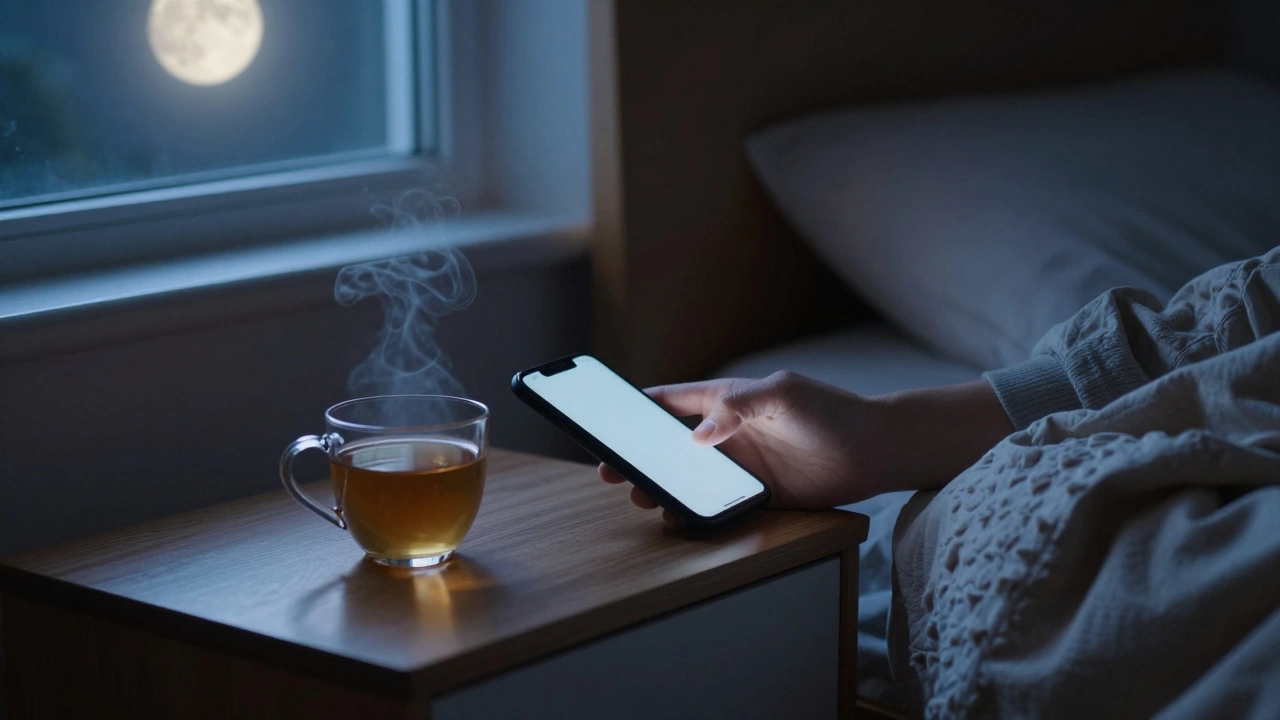
Turn off work notifications after 7 p.m. and keep your phone out of the bedroom. This one change reduces stress, improves sleep, and creates a mental boundary between work and rest. It’s simple, free, and backed by research from the Harvard Sleep Medicine Center showing that blue light exposure after 8 p.m. delays melatonin production by up to 90 minutes.
What if my job demands constant availability?
Then you need to negotiate boundaries, not accept them. Start by asking: "What emergencies truly require an immediate response?" Most things don’t. Propose a clear on-call schedule. Offer to respond within 4 hours instead of instantly. Track how often you’re actually needed after hours. Data helps. If your employer still expects 24/7 availability, it’s a red flag-not a normal job expectation.
How long does it take to build a better lifestyle?
It’s not a project with a deadline. It’s a practice. Most people notice small shifts in mood and energy within 3-5 days of making one change. Lasting change takes 6-8 weeks of consistency. But you don’t need to do everything at once. One small win leads to another. Start with one boundary. Protect it. Then add the next.
What Comes Next
If you’re ready to go deeper, try this: For one week, write down how you feel every evening. Not what you did. How you felt. Did you feel calm? Anxious? Empty? Alive? After seven days, look for patterns. That’s your starting point.
The best lifestyle isn’t about perfection. It’s about presence. It’s about showing up for your own life without constantly apologizing for not doing enough. You don’t need to be more. You just need to be you-and protect the space to be that.