Garden Companion Planner
Select a main crop to see which plants thrive together and which ones should be kept apart. This helps maximize space and minimize pests naturally.
Quick Reference Guide
| Beneficial Strategy | Example Pairing | Why It Works |
|---|---|---|
| Pest Repellent | Tomatoes + Basil | Basil masks scent from thrips/aphids |
| Nitrogen Fixation | Corn + Beans | Beans add nitrogen; Corn provides structure |
| Living Mulch | Squash + Melons | Broad leaves shade soil, retaining moisture |
| Scent Masking | Carrots + Onions | Alliums confuse carrot root fly |
You stare at your patch of dirt and wonder where all the food is supposed to go. It’s a common panic. You bought too many seedlings, or maybe you just realized that a standard tomato plant takes up way more room than you thought. The good news? You don’t need a bigger yard. You need smarter systems. Maximizing your garden is about using every square inch efficiently through vertical growth, timing, and smart pairing. It’s not about cramming plants together until they choke; it’s about stacking them in time and space so they thrive without fighting for resources.
Think Up, Not Just Out
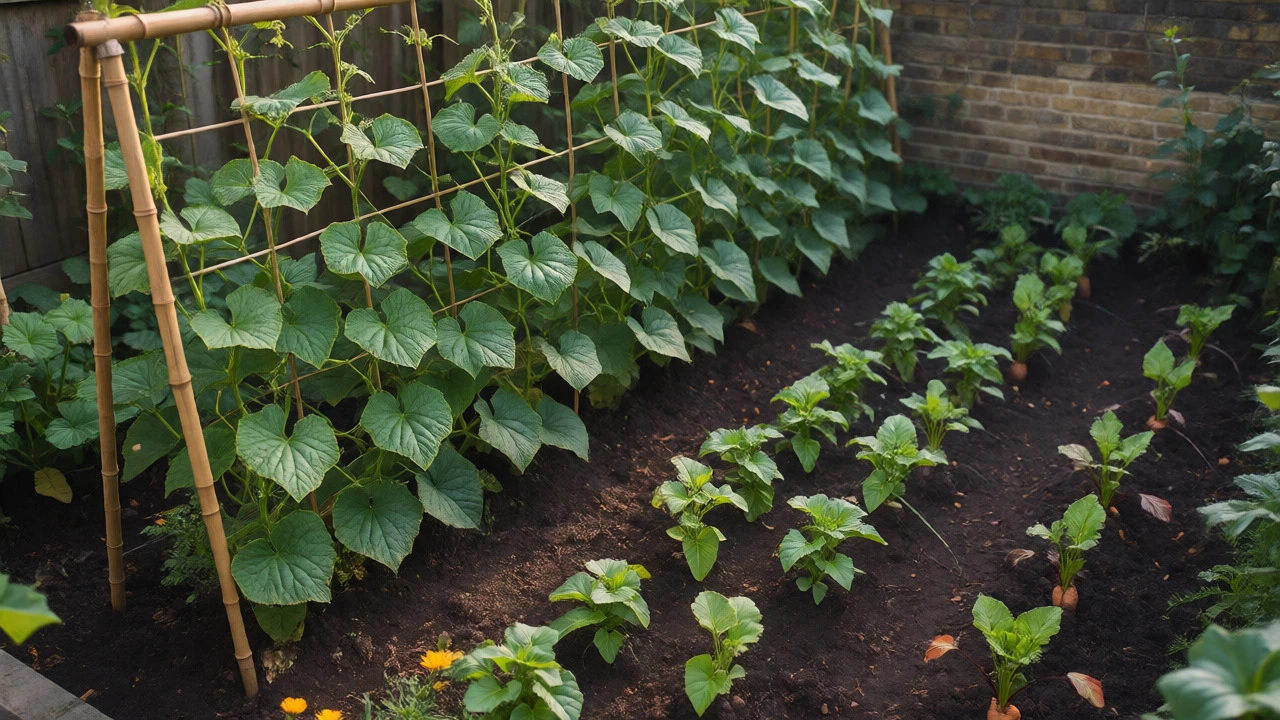
Most beginners treat their garden like a flat carpet. Everything sits on the ground. This wastes the most abundant resource you have: air. When you grow upwards, you instantly double or triple your growing area without buying an extra bag of soil. Think about trellising. A cucumber plant sprawls across two square meters if left alone. Train it up a string or a wire mesh, and it occupies less than half a meter of footprint while producing more fruit because better airflow reduces mildew risk.
This isn't just for vines. Peppers and even dwarf tomatoes benefit from support structures that keep branches off the damp soil. In Melbourne, where humidity can spike in summer, keeping foliage elevated helps prevent fungal diseases like powdery mildew. Install simple bamboo stakes or invest in a sturdy cattle panel arch. These structures become permanent fixtures that pay dividends season after season. By shifting from horizontal to vertical, you free up ground space for root crops like carrots or beets that hate competition but don’t mind shade.
Master the Art of Timing
A static garden loses money. If you plant lettuce in spring and leave the bed empty until autumn, you’ve wasted months of potential harvests. Succession planting fixes this. It means replacing harvested crops immediately with new ones. Imagine pulling out your radishes-they mature in 25 days. Immediately sow spinach in that same spot. Spinach loves the cooler temps that follow. Then, when spinach bolts, plant beans.
To make this work, you need a calendar. Don’t guess. Write down sowing dates. For a temperate climate like ours, here is a rough rule of thumb for fast-turnover beds:
- Spring: Sow salad greens, peas, and broad beans.
- Late Spring: Transplant brassicas (broccoli, cabbage) and start cucurbits.
- Summer: Focus on heat-lovers like tomatoes, capsicums, and eggplants.
- Autumn: Sow garlic, onions, and winter brassicas.
The key is having seedlings ready before the previous crop finishes. Start seeds indoors or in trays two weeks before you expect to clear a bed. This eliminates "dead time" where soil sits bare, inviting weeds and losing moisture.
Pair Plants for Mutual Benefit
Some plants are neighbors; others are enemies. Companion planting uses natural relationships to boost yields. It’s not magic, but biology. Take the classic "Three Sisters" method used by Indigenous peoples in North America. Corn provides a stalk for beans to climb. Beans fix nitrogen in the soil, feeding the corn. Squash spreads along the ground, shading out weeds and retaining moisture. This trio maximizes light, nutrients, and water efficiency simultaneously.
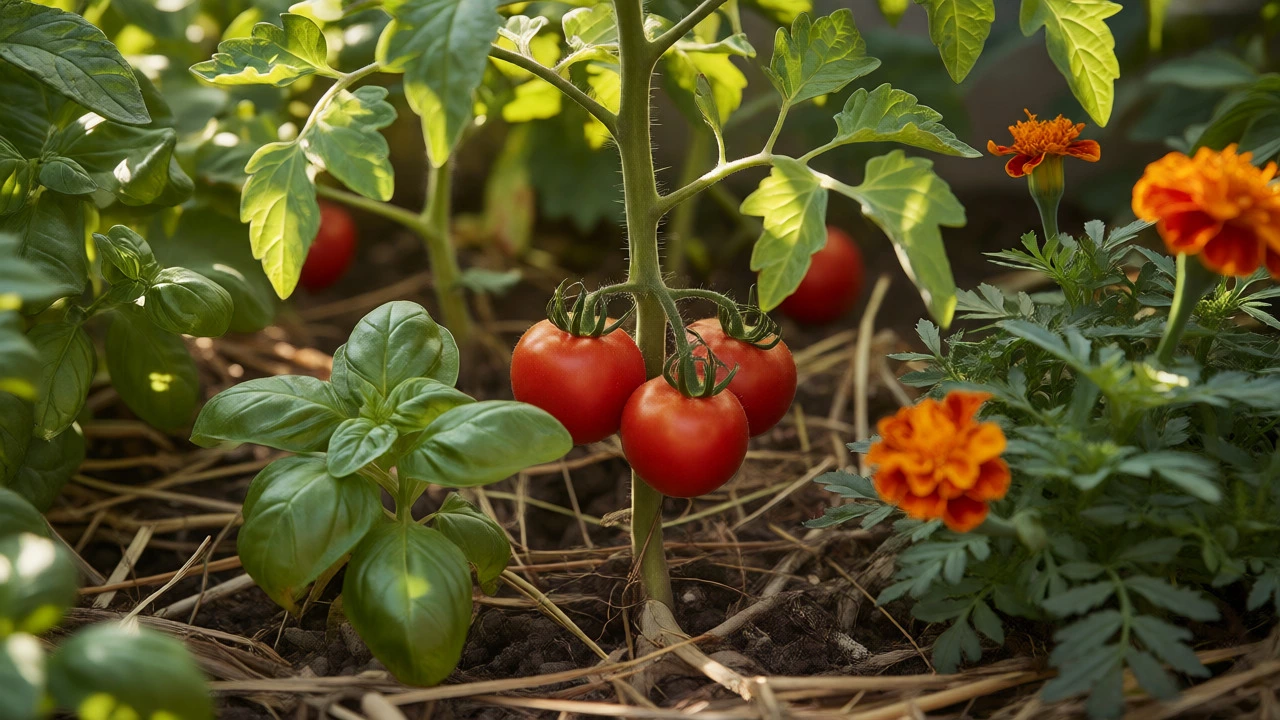
In a modern small garden, you can adapt this. Plant basil near tomatoes. Basil repels thrips and aphids, which are major pests for solanaceous crops. Marigolds are another staple. Their roots exude substances that deter nematodes, microscopic worms that attack vegetable roots. Conversely, avoid planting fennel near most vegetables. Fennel releases allelopathic chemicals that inhibit the growth of nearby plants, including tomatoes and beans.
| Main Crop | Good Companions | Why It Works | Avoid Nearby |
|---|---|---|---|
| Tomatoes | Basil, Marigolds, Carrots | Pest repellent, improved flavor | Cabbage family, Potatoes |
| Carrots | Onions, Leeks, Rosemary | Alliums mask carrot scent from flies | Dill, Parsley |
| Beans | Squash, Cucumbers, Savory | Nitrogen fixation, structural support | Onions, Garlic |
| Brassicas (Kale/Cabbage) | Dill, Mint, Nasturtiums | Attracts beneficial insects for pest control | Strawberries, Tomatoes |
Feed the Soil, Not Just the Plant
You can’t squeeze high yields from tired dirt. Soil structure determines how much water and nutrients roots can access. If your soil is compacted clay, roots struggle to penetrate deep, making plants vulnerable to drought. If it’s sandy, nutrients wash away quickly. The solution is organic matter. Compost is gold. It improves drainage in heavy soils and water retention in sandy ones.
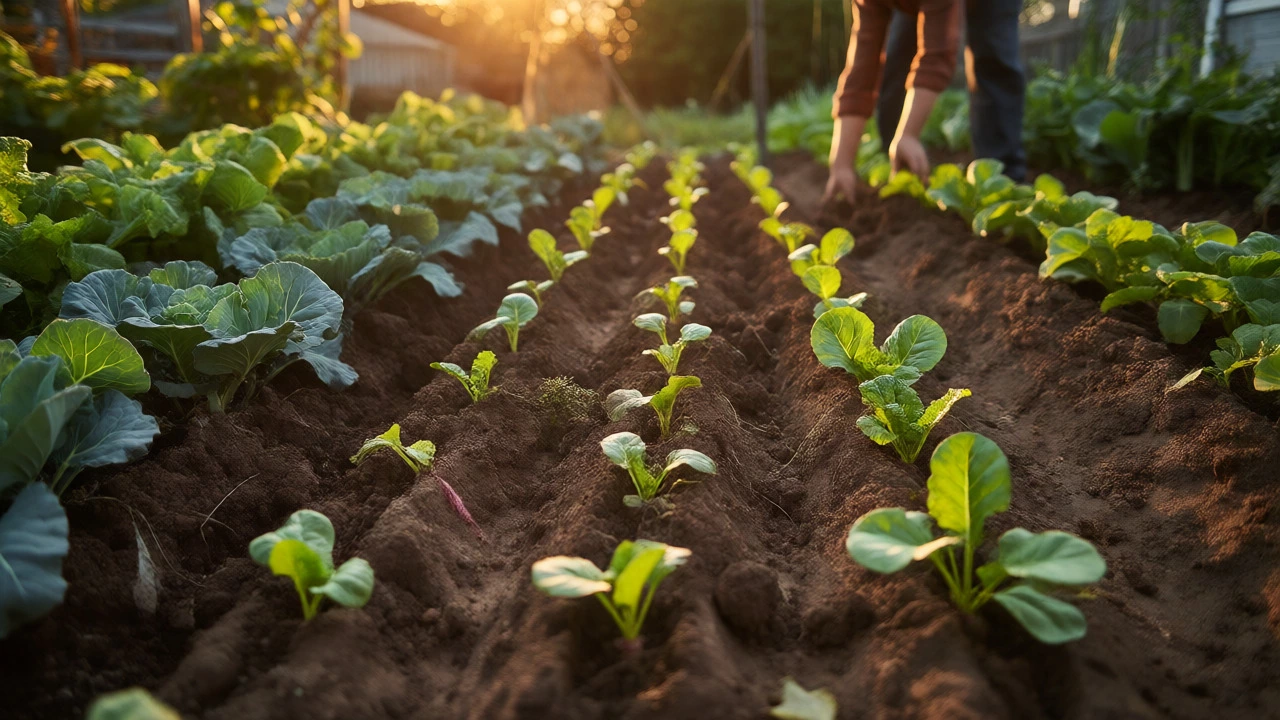
Don’t wait for spring to improve your soil. Cover cropping works wonders during off-seasons. Plant clover or vetch in autumn. These legumes pull nitrogen from the air and store it in root nodules. When you chop them down in spring, that nitrogen releases into the soil, feeding your next crop. This is free fertilizer. Aim for a layer of compost at least five centimeters thick annually. Work it into the top ten centimeters. Avoid tilling deeply, as this destroys the fungal networks that help plants absorb phosphorus.
Use Micro-Zones for Specific Needs
Not all parts of your garden get the same sun. Map your space. Track where shadows fall at 9 AM, noon, and 3 PM. You’ll find micro-climates. A south-facing wall might create a warm pocket perfect for peppers or grapes. A shady corner under a tree suits leafy greens or ferns. Don’t fight these conditions. Match the plant to the zone.
Create "guilds" around trees. Under a lemon tree, plant comfrey. Comfrey has deep taproots that mine minerals from the subsoil. Its leaves break down quickly into mulch, returning those nutrients to the surface for the lemon tree’s shallow feeder roots. This creates a self-sustaining loop. Similarly, use raised beds for areas with poor drainage. They warm up faster in spring, allowing earlier planting. A standard raised bed is 1.2 meters wide-this lets you reach the center without stepping on the soil, preventing compaction.
Harvest Strategically
Many people pick only when the fruit looks perfect. That’s wrong. Harvesting encourages production. Pinching out the tops of indeterminate tomatoes stops energy going into endless vine growth and directs it into fruit ripening. Regular picking of zucchini prevents the plant from slowing down. If you let one zucchini turn into a giant marrow, the plant thinks its job is done and produces fewer flowers.
Keep a sharp pair of secateurs handy. Clean cuts heal faster and reduce disease entry points. For herbs, never take more than one-third of the plant at once. This ensures enough leaf area remains for photosynthesis. Cut above a node where new growth will emerge. This branching habit makes the plant bushier and more productive over time.
Can I maximize a balcony garden?
Absolutely. Use railings for hanging baskets with strawberries or trailing tomatoes. Stack pots vertically or use tiered shelving units. Choose dwarf varieties bred for containers, such as 'Tiny Tim' tomatoes or patio cucumbers. Ensure containers have drainage holes and use lightweight potting mix rather than garden soil to prevent weight issues.
How often should I water a maximized garden?
Water deeply but less frequently. Shallow watering encourages weak, shallow roots. Deep watering forces roots down, making plants more resilient. Check soil moisture by sticking your finger two knuckles deep. If dry, water thoroughly. Mulching heavily reduces evaporation, meaning you may only need to water twice a week in summer instead of daily.
What is the best layout for a small rectangular plot?
Place tall plants on the north side (in the Southern Hemisphere) so they don’t shade shorter ones. Use intensive spacing for root crops and leafy greens, placing them closer together than packet instructions suggest, as they compete less for light. Reserve the edges for perennial herbs or berries that won’t disturb annual rotations.
Do I need expensive equipment to start?
No. A spade, a rake, and a watering can cover most needs. As you expand, add a wheelbarrow for moving soil and a drip irrigation timer to save water. DIY solutions like recycled pallets for vertical growing cost almost nothing and are highly effective.
How does mulching help maximize yield?
Mulch suppresses weeds that steal nutrients, retains soil moisture, and regulates temperature. Organic mulches like straw or wood chips also feed the soil as they decompose. A consistent 5-7cm layer can increase yields by reducing plant stress during heatwaves.