Sustainable Shopping Scorecard
Thinking about a new purchase? Answer these 4 questions to see where your shopping choice falls on the sustainability spectrum.
Your Sustainability Grade: -
Quick Take: Where Lululemon Stands
- Production Cycle: Slower than ultra-fast fashion, but faster than traditional slow fashion.
- Material Use: Heavy reliance on synthetics (polyester, nylon, elastane).
- Pricing Strategy: High price points suggest quality, but high turnover of trends suggests a fast-fashion mindset.
- Sustainability Efforts: Investing in circularity and recycled materials, though still far from a fully closed-loop system.
The Fast Fashion Checklist: Does Lululemon Fit?
To figure this out, we have to define what we're actually looking for. Fast fashion isn't just about cheap clothes; it's a business model based on rapid production, high volume, and short trend cycles. First, let's look at the speed. A brand like Zara can go from design to store shelf in two weeks. Lululemon doesn't move that fast. They spend a lot more time on R&D for their fabrics-like the engineering behind Nulu or Luon. However, they've shifted toward more frequent "drops" and seasonal color rotations that encourage you to buy a new set every few months even if your old ones are perfectly fine. This psychological push toward constant consumption is a hallmark of the fast-fashion machine. Then there's the quality. Most fast fashion is designed to fall apart so you buy more. Lululemon is the opposite. Their gear is famously durable. You can wear a pair of leggings for five years and they'll still hold their shape. In the world of sustainability, durability is a win. If you buy one pair of high-quality leggings instead of five cheap pairs that end up in a landfill, you're actually reducing waste.The Material Problem: Plastic in Your Clothes
Here is where the sustainability argument gets tricky. Most of Lululemon's gear is made from Synthetic Fibers. Specifically, they use polyester and nylon derived from petroleum. When you wash these clothes, they release Microplastics-tiny plastic shards that enter our water systems and eventually the ocean. Because these fabrics are plastic-based, they aren't biodegradable. A pair of leggings might last ten years on your body, but they'll last hundreds of years in a landfill. To fight this, Lululemon has started integrating Recycled Polyester. This is a process where old plastic bottles are turned into fabric. While it's better than using virgin oil, it doesn't solve the microplastic shedding problem. It's an improvement, but is it enough to call them a "sustainable" brand?| Feature | Ultra-Fast Fashion | Lululemon | Slow Fashion |
|---|---|---|---|
| Price Point | Very Low | High | High/Premium |
| Durability | Poor (Disposable) | High (Long-lasting) | Very High (Heirloom) |
| Production Speed | Days/Weeks | Months/Seasons | Years/Timeless |
| Material Origin | Mostly Virgin Plastic | Blended/Recycled Plastic | Organic/Natural Fibers |
| Waste Volume | Extreme | Moderate to High | Low |

Labor and Ethics: Who Made the Leggings?
Sustainability isn't just about the planet; it's about the people. Fast fashion is notorious for sweatshops and poor working conditions. Lululemon isn't immune to these critiques. They use a global supply chain, and while they have a strict code of conduct, auditing every single factory in the world is nearly impossible. They've made strides in transparency, publishing lists of their suppliers. But the core issue remains: the scale of their growth requires a massive amount of labor. When a company grows as fast as Lululemon has, the pressure on the supply chain often leads to corners being cut. They aren't as bad as the $5-t-shirt brands, but they operate within the same industrial system that prioritizes growth over a slower, more ethical pace of production.The Circularity Experiment: Lululemon Like New
One of the most interesting moves they've made is the Lululemon Like New program. This is a trade-in initiative where customers can bring back used gear in exchange for store credit. Lululemon then cleans and resells these items. This is a huge step toward Circular Fashion, which is the idea that clothes should never reach a landfill. By creating a secondary market for their own goods, they are essentially admitting that their products have a long life and should be reused. However, there's a catch. This program also encourages you to trade in your gear more often to get credit for *new* gear. It's a bit of a paradox: they are helping the environment by recycling, but they're also fueling the cycle of consumption that creates the waste in the first place.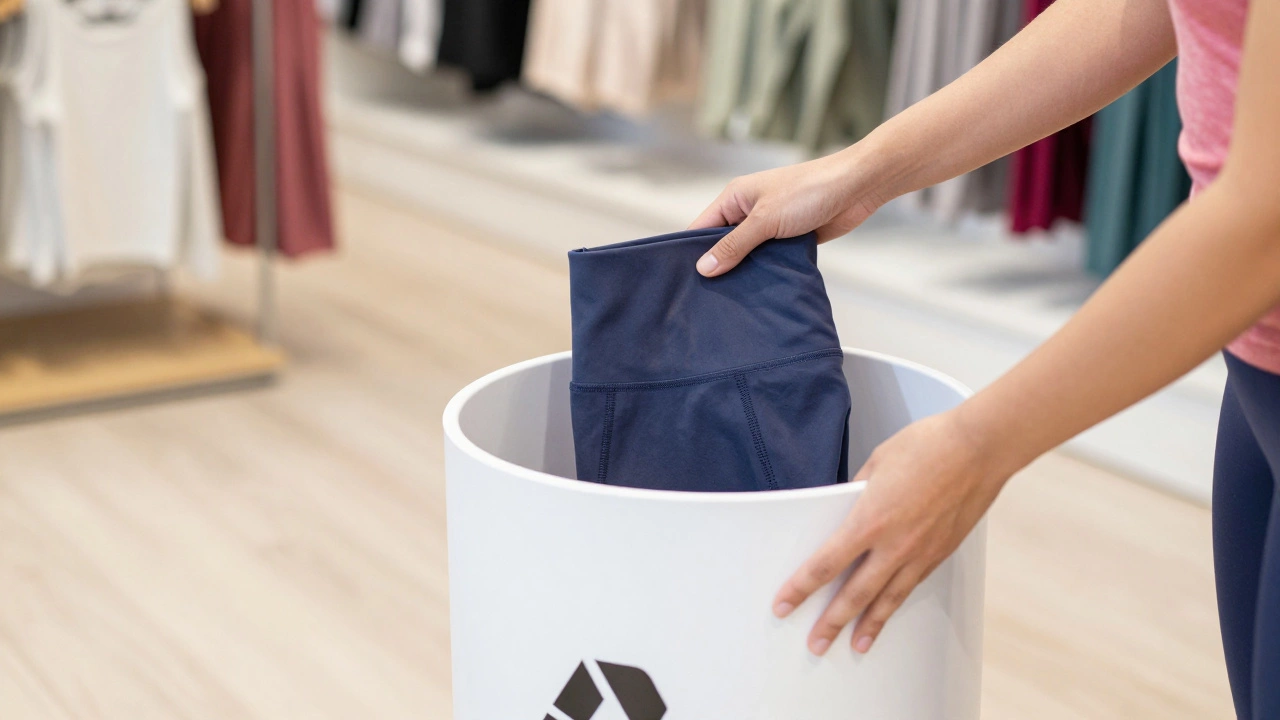
So, What's the Verdict?
Is Lululemon fast fashion? Not in the traditional, "cheap-and-disposable" sense. They don't fit the mold of a brand that sells a garment for $4 that falls apart after two washes. But are they "slow fashion"? Definitely not. They are a massive corporation that relies on synthetic plastics and constant new releases to keep their stock price climbing. They sit in a middle ground that we could call "Premium Fast Fashion." They offer a better product that lasts longer, but their business model is still built on the idea that you need more stuff. If you want to be a more conscious consumer, the goal isn't necessarily to stop buying Lululemon. The goal is to stop treating athletic wear like a disposable commodity. Buy the leggings, wear them until they're completely worn out, and then use the trade-in program. The most sustainable garment is the one already in your closet.Are Lululemon clothes biodegradable?
No. Most Lululemon products are made from synthetic fibers like nylon and polyester, which are essentially plastics. These materials do not break down naturally in the environment and can take hundreds of years to decompose in a landfill.
Is Lululemon's "Like New" program actually sustainable?
It's a step in the right direction because it promotes reuse and keeps clothes out of landfills. However, because it provides store credit, it can inadvertently encourage customers to buy more new items, which keeps the cycle of consumption going.
What is the most sustainable way to buy activewear?
The most sustainable approach is to buy second-hand first (via platforms like Poshmark or Lululemon Like New). If buying new, look for brands that use organic fibers or certified recycled materials and prioritize durability over current trends.
Do Lululemon clothes shed microplastics?
Yes. Like almost all synthetic athletic wear, Lululemon garments shed tiny plastic fibers during the washing process. These microplastics are too small for most filtration systems and end up in the ocean.
Does Lululemon use ethical labor?
Lululemon maintains a global supplier code of conduct and publishes a list of its factories to increase transparency. While they are generally better than ultra-fast fashion brands, the complexities of global manufacturing mean that total ethical certainty is difficult to achieve.
Next Steps for the Conscious Shopper
If you're feeling conflicted about your gym gear, you don't have to throw everything away. That would actually be the least sustainable thing you could do. Instead, try these shifts:- The 30-Wear Rule: Before buying a new set, ask yourself if you'll actually wear it 30 times. If the answer is no, leave it on the rack.
- Use a Microplastic Filter: Invest in a laundry bag (like Guppyfriend) or a machine filter to catch those plastic fibers before they hit the drain.
- Shop the Resale Market: Check out the "Like New" section first. You get the same quality for a fraction of the price and the planet wins.
- Care for Your Gear: Wash your leggings in cold water and hang dry them. High heat breaks down the elastane (the stretchy stuff), which makes your clothes wear out faster.