Plastic Bottle Waste Calculator
How many plastic bottles do you use daily? (Australia: ~2.5 bottles/person)
You used plastic bottles
Environmental Impact
years in landfill
Equivalent to garbage trucks full of plastic
Your Impact if Switched
Using reusable bottles could save bottles per year
Reduce landfill waste by tons
plastic bottles are the most commonly discarded single-use plastic item globally. In Australia alone, over 1.2 billion plastic bottles are thrown away each year, with only about 30% being recycled. This staggering number comes from data collected by the Australian Bureau of Statistics and the Ellen MacArthur Foundation. The problem isn’t just about quantity-it’s about what happens after they’re tossed. These bottles take centuries to break down, pollute oceans, and harm wildlife. But there are simple ways to change this.
Why Plastic Bottles Dominate Waste Streams
Plastic bottles dominate waste because they’re everywhere. From water and soft drinks to juice and sports drinks, they’re the go-to packaging for beverages. Their convenience makes them popular, but that convenience has a heavy cost. Unlike other plastics, bottles are designed for one-time use. Most people don’t realize how many they go through daily. A single household might use 5-10 bottles weekly. Multiply that by millions of households, and the numbers explode.
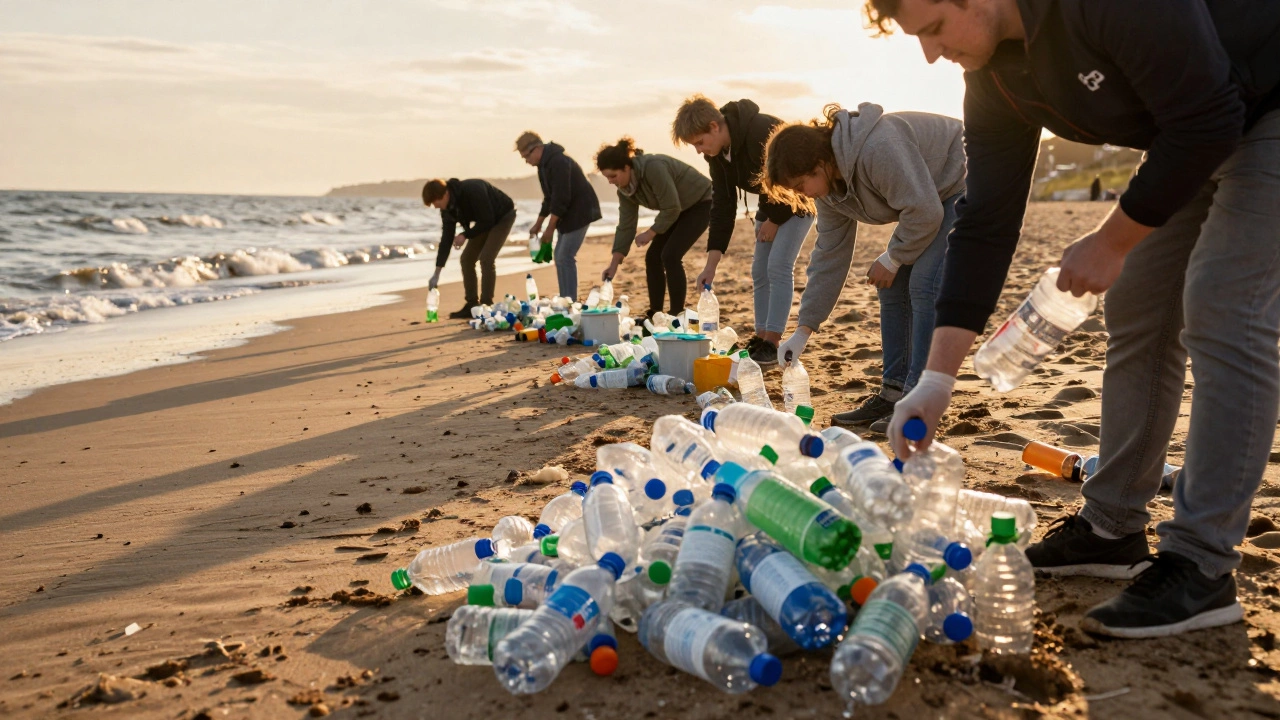
Here’s the kicker: plastic bottles aren’t just thrown away-they’re often mismanaged. In Australia, only 30% of PET bottles (the clear ones used for water and soda) get recycled. The rest end up in landfills, where they can sit for over 450 years, or worse, in rivers and oceans. Ocean Conservancy’s 2023 report shows plastic bottles consistently rank in the top 5 items collected during beach cleanups. This isn’t just an environmental issue-it’s a systemic failure in how we handle waste.
Real Data: How Much Plastic Bottles Are Thrown Away
Let’s get specific. In 2025, Australia’s National Waste Report found that beverage containers accounted for 28% of all plastic waste. That’s more than food packaging, bags, or other single-use items. The breakdown? PET bottles (like water bottles) make up 60% of that total, while HDPE bottles (like milk jugs) account for 25%. The rest is from other types of plastic containers.
Why does this matter? Because the sheer volume overwhelms recycling systems. For example, a single PET bottle weighs about 20 grams. Multiply that by 1.2 billion bottles, and you’re looking at 24,000 metric tons of plastic waste annually in Australia. That’s like dumping 1,200 garbage trucks full of bottles into landfills every year. Even worse, most of these bottles are made from virgin plastic, not recycled material. It’s a cycle that keeps feeding itself.
What Happens When Plastic Bottles End Up in Landfills or Oceans
When plastic bottles aren’t recycled, they don’t just disappear. In landfills, they sit for centuries, leaching chemicals into soil and groundwater. Studies from the University of Melbourne show that PET bottles release microplastics over time, which eventually make their way into water sources. This affects not just ecosystems but human health too-microplastics have been found in drinking water, food, and even human blood.
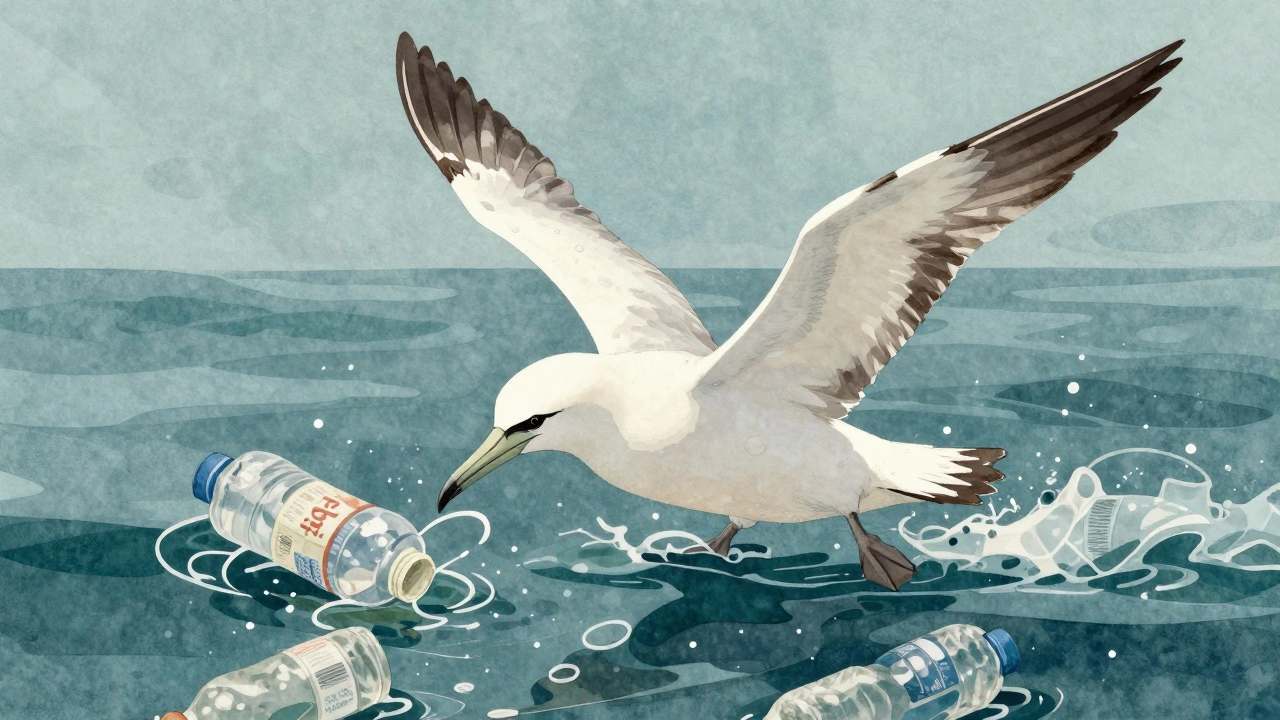
But the ocean is where things get dire. Plastic bottles don’t biodegrade; they photodegrade. Sunlight breaks them into tiny fragments that marine life mistakes for food. Sea turtles, seabirds, and fish ingest these fragments, leading to starvation or poisoning. The Great Pacific Garbage Patch, a floating mass of plastic debris, is largely made up of bottles and caps. According to the CSIRO, over 80% of plastic in Australian waters comes from land-based sources, with bottles being a major contributor.
Simple Ways to Reduce Plastic Bottle Waste
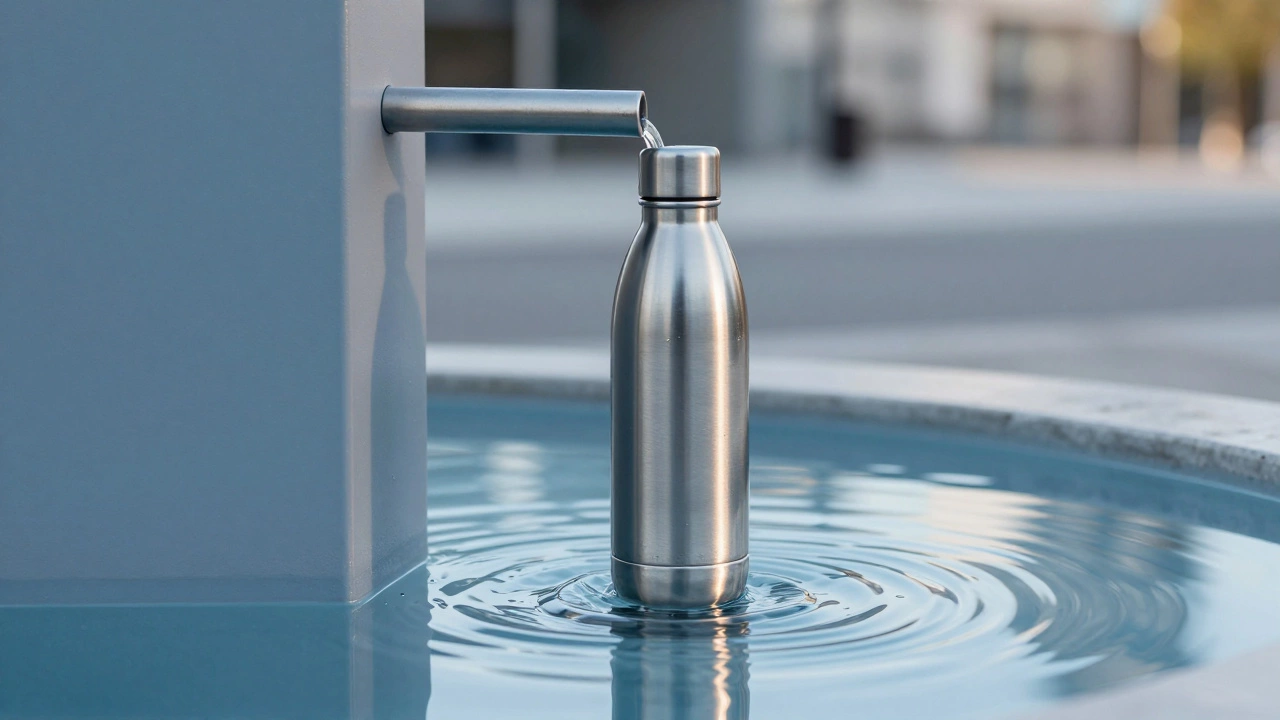
Here’s the good news: you can make a difference. Start by switching to reusable bottles. Stainless steel or glass bottles are durable, easy to clean, and don’t leach chemicals. Brands like Hydro Flask or local Australian companies like KeepCup offer affordable options. A single reusable bottle can replace hundreds of single-use plastic bottles over its lifetime.
Second, always recycle properly. Rinse bottles before tossing them to avoid contamination. In Australia, check your local council’s guidelines-some areas accept only certain types of plastic. For example, PET bottles (labeled #1) are widely recyclable, but HDPE bottles (#2) might need special drop-off points. Avoid putting caps in the recycling bin; they’re often made from different plastic and can jam machinery.
Third, support policies that reduce plastic waste. Australia has made progress with plastic bag bans, but beverage container deposit schemes could make a bigger impact. States like South Australia already have successful programs where you return bottles for a 10-cent refund. Pushing for these schemes nationwide could boost recycling rates significantly.
Alternatives to Single-Use Plastic Bottles
There are smarter ways to enjoy drinks without contributing to the plastic problem. For water, use a filtered pitcher or install a tap filter. For coffee or tea, bring your own thermos-many cafes even offer discounts for doing so. When buying beverages, choose glass bottles or aluminum cans, which are infinitely recyclable and have higher recycling rates than plastic.
For businesses, switching to refillable systems works. In Melbourne, cafes like Proud Mary and Dukes Coffee Roasters have started offering discounts for customers who bring their own cups. Similar models could work for water bottles too. Imagine a system where you pay a small deposit for a bottle and get it back when you return it. Cities like Berlin and San Francisco have proven this model reduces waste by up to 90%.
Finally, support brands that use recycled materials. Companies like L’Occitane and Aesop now make bottles from 100% recycled plastic. By choosing these products, you’re voting for a circular economy where plastic gets reused instead of discarded.
Frequently Asked Questions
Why aren’t more plastic bottles recycled?
Recycling plastic bottles is tricky. Many bottles get contaminated with food residue or mixed with other plastics, making them unrecyclable. In Australia, only about 30% of PET bottles are actually processed into new products. The rest are downcycled into lower-quality items like clothing or carpet fibers, which eventually end up in landfills. Better sorting systems and consumer education could improve this.
Are biodegradable plastic bottles a solution?
Not really. Biodegradable plastics require specific industrial composting conditions to break down, which most facilities don’t have. In landfills, they act like regular plastic. Some "compostable" bottles also release microplastics when they degrade. The real solution is reducing single-use plastics altogether, not replacing them with alternatives that still cause harm.
How long does it take for a plastic bottle to decompose?
A standard PET plastic bottle takes over 450 years to decompose. Even then, it doesn’t truly disappear-it breaks into microplastics that persist indefinitely. HDPE bottles (like milk jugs) can take 500+ years. This is why prevention is key; once a bottle is thrown away, it’s a problem for generations.
What’s the best reusable bottle material?
Stainless steel is the top choice for durability and safety. It’s BPA-free, keeps drinks cold or hot for hours, and lasts decades. Glass bottles are great for taste purity but can break. Aluminum is lightweight but often lined with plastic coatings. For most people, stainless steel offers the best balance of practicality and environmental impact.