London Daily Budget Estimator
Travel Preferences
Activities & Extras
Estimated Costs
Daily Average
Total Trip Estimate
Breakdown
- Transport (Zones 1-2) £0
- Food & Dining £0
- Attractions £0
- Extras (Taxi, Drinks, Water) £0
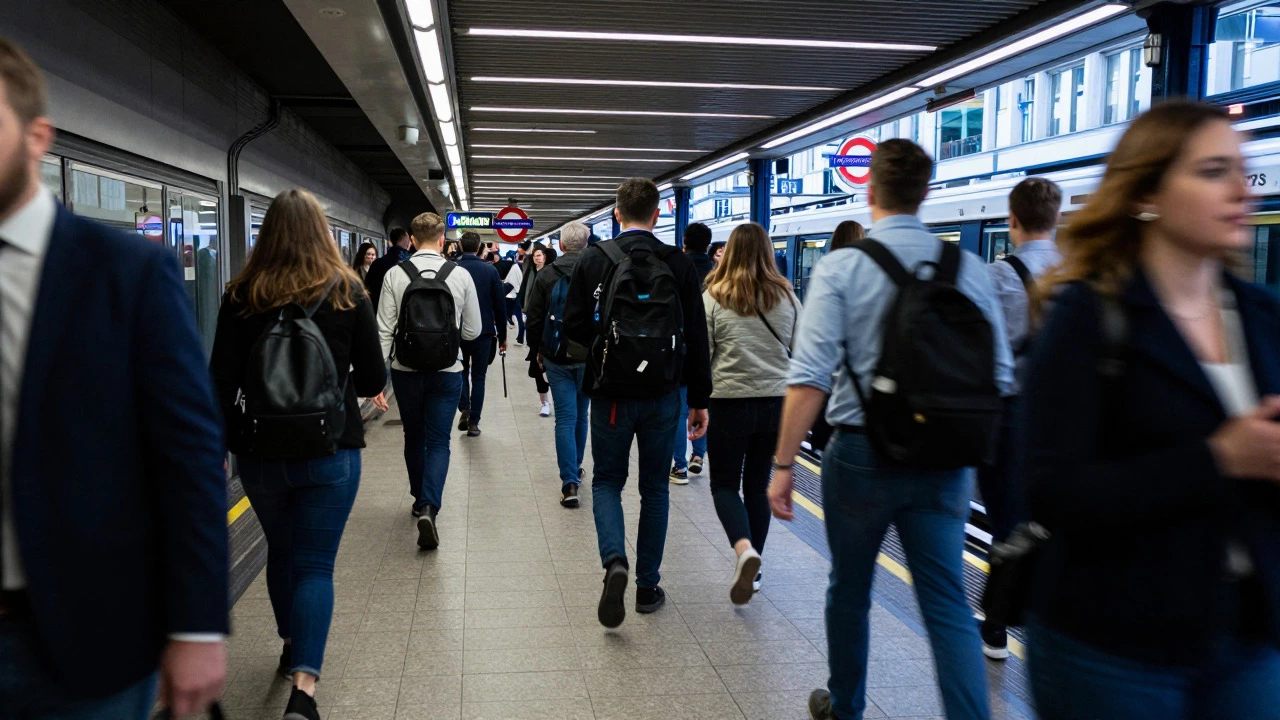
Standing on the platform at Victoria Station, watching a crowd of thousands surge toward the exits, I realized something crucial about Londonthe capital city of England and the United Kingdom. It is not just a collection of postcard-perfect landmarks; it is a massive, breathing organism that runs on specific rhythms. If you don’t understand those rhythms, you will spend your trip stressed, overpaying, and exhausted. If you do, you will find one of the most rewarding cities in the world.
I have visited London multiple times from my base in Melbourne, Australia. Each trip taught me hard lessons that no generic guidebook mentions. Here is the unvarnished truth about navigating the UK’s capital, focusing on the practical details that actually save you money and sanity.
The Transport Myth: You Don’t Need an Oyster Card
For years, travelers were told that buying an Oyster Carda smart card used for paying fares on public transport in London was mandatory. This is outdated advice. Since 2014, Transport for London (TfL) has accepted contactless bank cards and mobile payments directly at the gates. In fact, using a contactless card or Apple Pay is often cheaper because it automatically applies the same daily cap as an Oyster card without the £7 deposit fee.
Here is the rule you need to follow: Always tap in and always tap out. Missing either step results in a maximum charge, which can be significantly higher than your actual fare. Also, keep your wallet ready before you reach the gate. The queues move fast, and holding up the line is a surefire way to make locals grumpy.
| Payment Method | Convenience | Cost Efficiency | Best For |
|---|---|---|---|
| Contactless Bank Card | High | High (Daily Cap Applied) | Most visitors |
| Oyster Card | Medium | High (Daily Cap Applied) | Those wanting cash control or child discounts |
| Paper Ticket | Low | Low (No Caps) | Emergency only |
| Travelcard (Paper) | Low | Medium | Multi-day heavy users staying in Zone 1-6 |
Walking Is Faster Than You Think
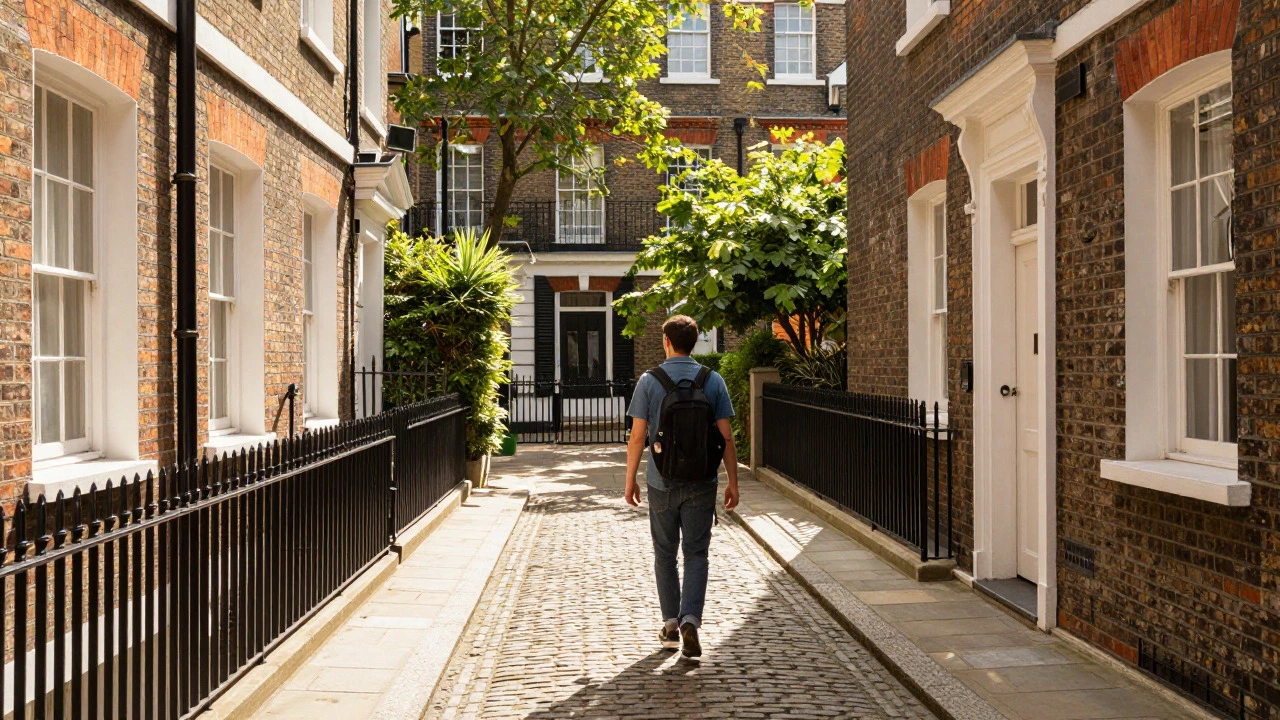
We tend to rely on maps that suggest tube routes for every journey. However, central London is incredibly compact. A trip from Covent Garden to Trafalgar Square takes five minutes by foot but could take twenty minutes if you include waiting for the train and walking to stations. Use the tube for longer distances-anything beyond Zone 1-but walk for short hops. It allows you to see the architecture and stumble upon hidden courtyards that tourists miss when they stay underground.
The Weather Deception: Pack Layers, Not Just Umbrellas
Coming from Australia, where the sun is predictable, London’s weather feels chaotic. But it isn’t random; it’s layered. The temperature rarely drops below freezing in summer, but it can hover around 15°C (59°F) with a damp chill that seeps into your bones. The biggest mistake I made was bringing only a light jacket. Instead, pack a waterproof windbreaker and layers you can easily remove. Indoor spaces, especially museums and shops, are often heavily air-conditioned or heated depending on the season, creating a stark contrast to the outside.
Rain is frequent, but it is usually brief. A sturdy umbrella is useful, but a water-resistant coat is more practical because the wind in London can turn an inside-out umbrella into a hazard within seconds.
Booking Attractions: The Hidden Cost of Spontaneity
Major attractions like the Tower of London, the British Museum, and The Shard require advance booking. While the British Museum is free, timed entry slots fill up weeks in advance during peak seasons. The Tower of London charges a premium price, and tickets sell out days ahead. Assuming you can just "walk in" will result in long queues or missed opportunities entirely. Book online at least two weeks before your trip, even for free venues.
Dining Out: Avoid the Tourist Traps Near Landmarks
Restaurants located directly next to major sights like Big Ben or Buckingham Palace are often expensive and mediocre. Walk ten minutes away from these hubs. Neighborhoods like Shoreditch, Camden Town, and Brixton offer vibrant food scenes with better value and authentic local flavors. Also, note that many pubs serve food only until early evening. If you want dinner after 8 PM, check opening hours beforehand. Tipping is customary but not mandatory; rounding up the bill or leaving 10% is standard if service was good.
Understanding Zones and Travel Costs
London is divided into nine concentric zones for transport pricing. Most tourist attractions are in Zones 1 and 2. Staying in Zone 2 or 3 can significantly reduce accommodation costs while still providing easy access to the center via the tube or Overground. When calculating your daily budget, remember that the daily cap for Zones 1-2 is approximately £8.40 as of 2026. This means no matter how many journeys you make, you won’t pay more than this amount per day using contactless payment.
Safety and Scams: Stay Aware
London is generally safe, but pickpocketing is common in crowded areas like Oxford Street, Piccadilly Circus, and on the tube. Keep your bags zipped and in front of you. Be wary of street scams, such as people asking you to sign petitions or fix their fake shoelaces while an accomplice steals your phone. These are well-documented tactics. Politely ignore them and keep moving.
Water and Hydration
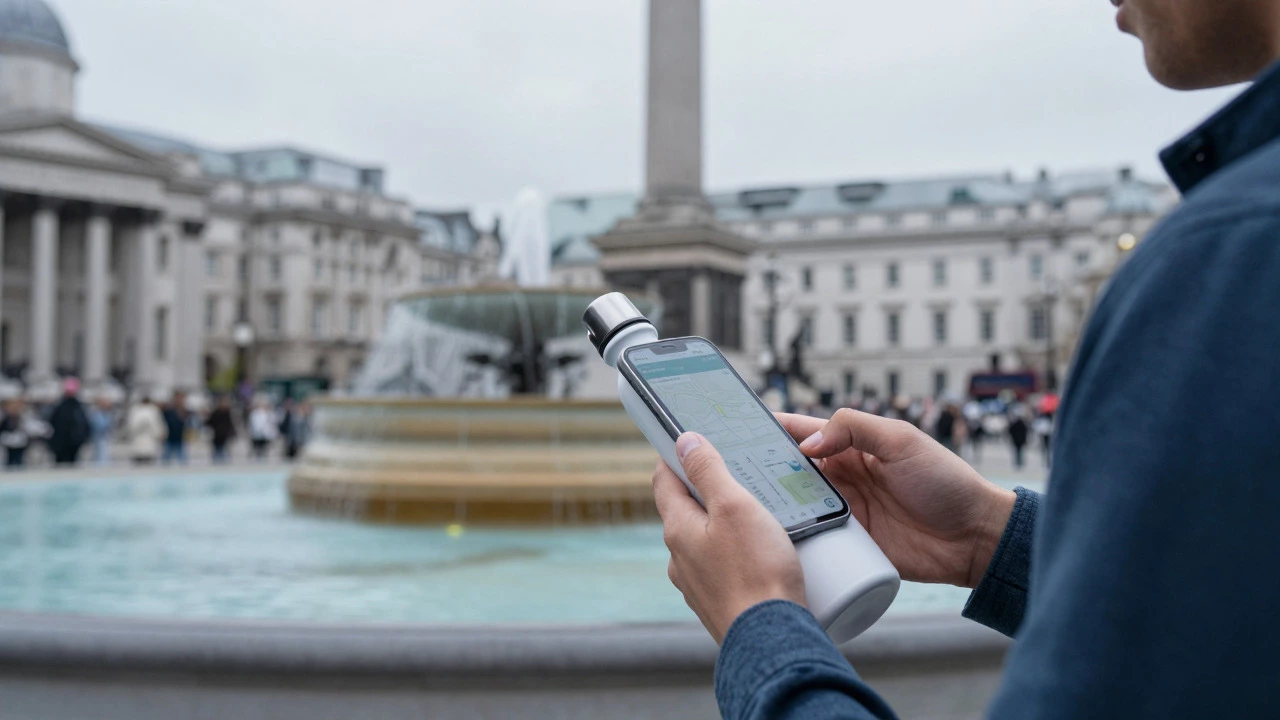
Tap water in London is safe to drink and some might argue tastes better than bottled water due to strict filtration standards. Carry a reusable bottle. Many hotels and cafes provide free refilling stations. Buying bottled water repeatedly adds up quickly and contributes to plastic waste, which contradicts the city’s growing sustainability efforts.
Connectivity: SIM Cards vs. Roaming
If you are traveling from outside Europe, check your roaming rates. Often, buying a local SIM card from providers like EE, O2, or Three is cheaper and provides faster data. You can purchase these at airports or high street stores. Ensure your phone is unlocked before arrival. Having local data helps with real-time navigation apps like Citymapper, which is superior to Google Maps for public transport in London.
Is it cheaper to use an Oyster card or contactless?
For most adult travelers, there is no price difference. Both methods apply the same daily cap. Contactless is more convenient as it requires no deposit or top-up. However, Oyster cards may be slightly cheaper for children or if you are splitting costs among a group without a shared family discount card.
What is the best time of year to visit London?
May to September offers the warmest weather and longest daylight hours, making it ideal for sightseeing. However, July and August are the most crowded and expensive. April and October provide milder weather and fewer crowds, though rain is more likely. Winter (November to February) is cold but has festive markets and shorter lines at attractions.
Do I need to tip in London restaurants?
Tipping is not legally required. A service charge of 12.5% is often added automatically to bills in restaurants. Check your bill before tipping extra. If no service charge is included, leaving 10% is customary for good service. In pubs, tipping is less expected unless you are seated with table service.
Can I drink tap water in London?
Yes, tap water in London is safe and meets high quality standards. It is perfectly fine to drink directly from the tap or ask for a glass of tap water at restaurants. Carrying a reusable bottle saves money and reduces plastic waste.
How do I avoid tourist traps when eating?
Avoid restaurants with menus displayed outside in multiple languages right next to major landmarks. Walk at least 10-15 minutes away from tourist centers into residential neighborhoods. Look for places with local customers, read recent reviews on platforms like TripAdvisor or Google, and try independent cafes and pubs rather than large chains.