Healthy Breakfast Score Calculator
Enter the approximate amounts of key nutrients in your morning meal to see how balanced it is. A healthy breakfast combines Protein, Fiber, and Healthy Fats to prevent sugar crashes.
Enter your nutrient values to see your score.
Your Score:
You’ve probably heard it a thousand times: breakfast is the most important meal of the day. But let’s be real-most mornings are a scramble. You’re rushing to get out the door, grabbing whatever is within arm’s reach, and wondering if you’re actually fueling your body or just filling a void. The truth is, there isn’t one single "magic" food that makes a breakfast healthy. It’s about the combination.
So, what actually counts as the healthiest breakfast? If you look at nutrition science from institutions like the American Heart Association and the Dietary Guidelines for Americans, the answer boils down to balance. You want a mix of protein, fiber, and healthy fats. This trio keeps your blood sugar stable, stops you from crashing at 10 AM, and gives you sustained energy. Forget the sugary cereals and pastries; we’re talking about real, whole foods that fit into a busy life.
The Core Formula for a Balanced Morning
Think of your plate as a construction site. You need specific materials to build something sturdy. Without them, things fall apart-and so does your focus.
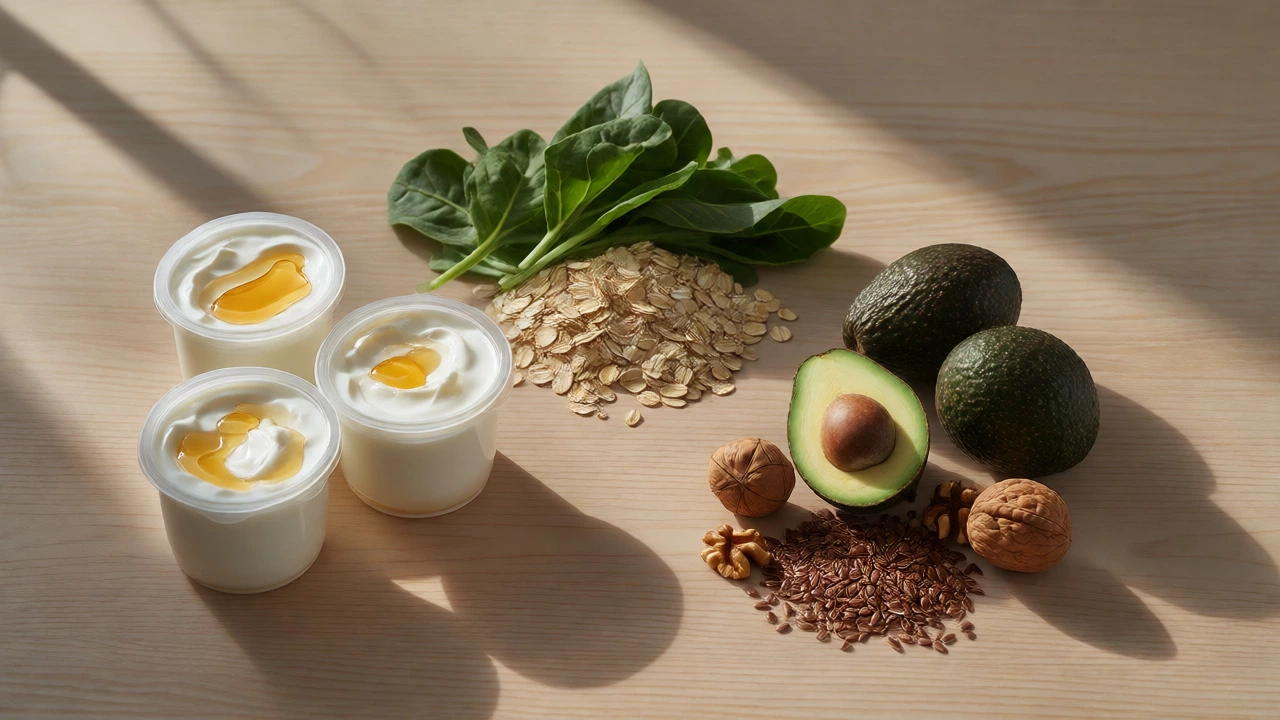
- Protein: This is your anchor. It triggers satiety hormones, telling your brain you’re full. Eggs, Greek yogurt, tofu, or nuts are great sources.
- Fiber: Found in plants, fiber slows digestion. It prevents the spike-and-crash cycle caused by refined carbs. Oats, berries, chia seeds, and leafy greens are heavy hitters here.
- Healthy Fats: Your brain runs on fat. Avocado, olive oil, flaxseeds, and walnuts support cognitive function and help absorb vitamins from other foods.
When you combine these three, you create a meal that digests slowly. Compare this to a donut. A donut is mostly simple carbs and sugar. It hits your bloodstream fast, spikes your insulin, and leaves you hungry an hour later. A bowl of oatmeal with almonds and blueberries? That’s a slow burn. You stay satisfied for hours.
Top Contenders for the Title of Healthiest Breakfast
Let’s look at some concrete examples that tick all the boxes. These aren’t just theoretical ideals; they are meals people actually eat and enjoy.
| Meal Option | Primary Protein Source | Fiber Content | Prep Time | Best For |
|---|---|---|---|---|
| Oatmeal with Nuts & Berries | Nuts/Seeds | High (Oats/Berries) | 5-10 mins | Sustained Energy |
| Greek Yogurt Parfait | Greek Yogurt | Moderate (Fruit/Granola) | 2 mins | Gut Health |
| Veggie Scramble | Eggs/Tofu | High (Vegetables) | 10-15 mins | Low Carb/Low Sugar |
| Avocado Toast | Avocado/Nut Butter | Moderate (Whole Grain) | 5 mins | Quick & Trendy |
| Chia Seed Pudding | Chia Seeds/Milk | Very High | Overnight | Make-Ahead |
Oatmeal Done Right
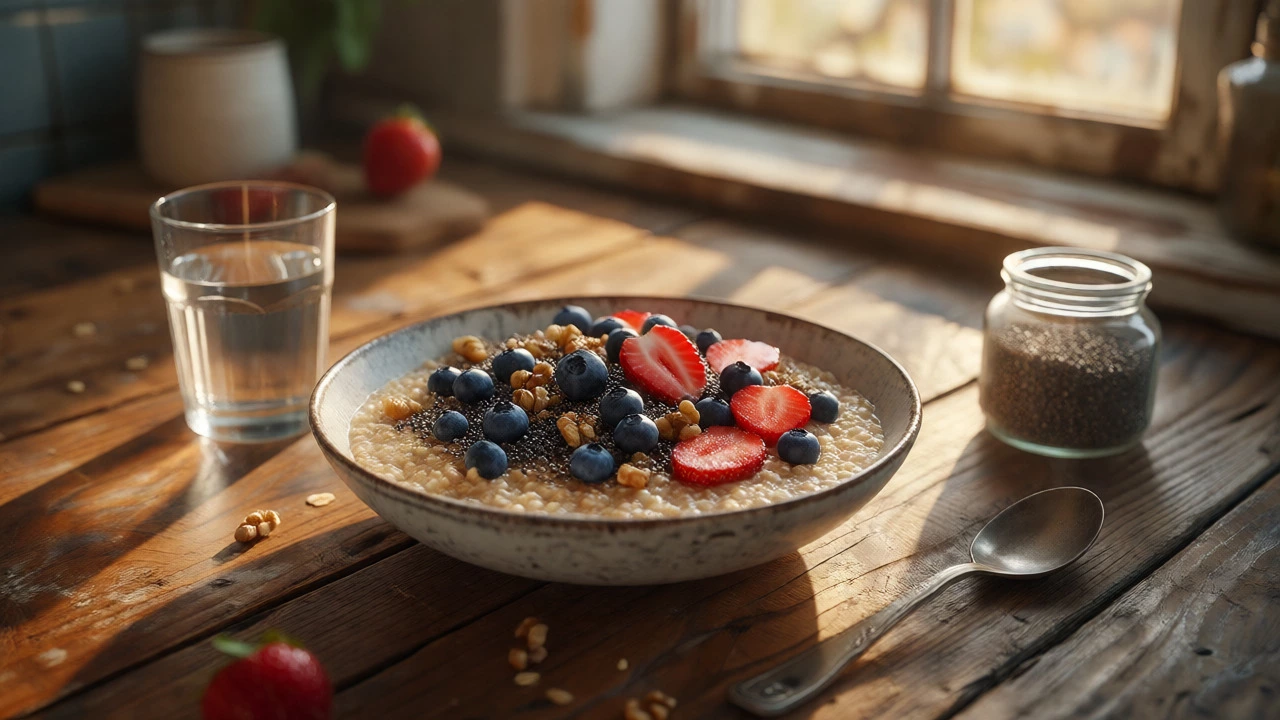
Oats are often misunderstood. People think they’re boring, but steel-cut oats or rolled oats are nutritional powerhouses. They contain beta-glucan, a type of soluble fiber proven to lower LDL cholesterol. The key is avoiding instant packets loaded with added sugars. Cook plain oats with water or milk, then top them with walnuts and fresh berries. The walnuts add omega-3 fatty acids, while the berries provide antioxidants without the sugar crash of dried fruit.
The Power of Eggs
Eggs have gotten a bad rap over the years due to cholesterol concerns, but modern research shows dietary cholesterol has little impact on blood cholesterol for most people. Two eggs give you about 12 grams of high-quality protein. Pair them with spinach and mushrooms for volume and nutrients without adding many calories. If you’re vegetarian, tofu scrambles mimic this texture perfectly and offer similar protein benefits.
Greek Yogurt vs. Regular Yogurt
Not all yogurts are created equal. Regular yogurt can be high in sugar and low in protein. Greek yogurt is strained, removing whey and lactose. This results in a thicker texture and double the protein content per serving. Look for plain, unsweetened varieties. Add your own sweetener-a drizzle of honey or mashed banana-to control the sugar intake. The probiotics in live-culture yogurt also support gut health, which is increasingly linked to mood and immunity.

Pitfalls to Avoid in the Morning
It’s easy to accidentally sabotage a healthy start. Here are common traps I see people fall into, especially when trying to eat "clean."
- The Smoothie Trap: Blending fruit breaks down fiber structures, making sugar hit your system faster. A smoothie with three bananas and juice can have more sugar than a candy bar. Stick to one serving of fruit, load up on greens like spinach, and add a scoop of protein powder or nut butter to slow absorption.
- Hidden Sugars in Cereals: Many "healthy" granolas are just cookies in disguise. Check the label. If sugar is in the first three ingredients, put it back. Aim for less than 5g of added sugar per serving.
- Skipping Fat: Some people fear fat and eat dry toast or plain fruit. Without fat, you won’t feel full. You’ll likely snack on junk before lunch. Always pair carbs with a fat or protein source.
Adapting to Your Lifestyle
There is no one-size-fits-all approach. Your ideal breakfast depends on your activity level, schedule, and preferences.
If you’re an athlete or do intense workouts in the morning, you might need more carbohydrates for glycogen replenishment. A bagel with peanut butter could work here. If you’re sedentary or managing weight, focusing on protein and veggies might keep hunger in check better.
Time is another factor. Do you have 20 minutes to cook? Go for eggs and toast. Only have 5 minutes? Grab a pre-made overnight oats jar or a hard-boiled egg and a piece of fruit. Consistency beats perfection. Eating a decent breakfast every day is better than eating a perfect one once a week.
Why Breakfast Matters (And When It Might Not)
Do you have to eat breakfast? Technically, no. Intermittent fasting has shown benefits for some people, where skipping morning meals extends the fasting window. However, if you skip breakfast and then binge on unhealthy snacks at noon because you’re starving, you’ve lost the battle.
For most people, eating within an hour or two of waking helps regulate metabolism and cortisol levels. Cortisol, the stress hormone, naturally peaks in the morning. Food signals safety to the body, helping to bring those levels down gently. Plus, having a routine reduces decision fatigue. Knowing exactly what you’ll eat saves mental energy for more important tasks later in the day.
Simple Swaps for Immediate Improvement
You don’t need to overhaul your entire diet overnight. Small changes add up. Try these swaps for a week and notice how you feel.
- Swap orange juice for a whole orange. You get the fiber and less concentrated sugar.
- Swap white bread for sprouted grain or whole wheat bread. Higher fiber, more nutrients.
- Swap flavored coffee creamers for a splash of milk or unsweetened almond milk. Fewer additives, fewer calories.
- Swap sugary cereal for muesli or homemade granola with nuts.
Remember, the healthiest breakfast is one you actually enjoy and will stick with. If you hate kale, don’t force it into your omelet every day. Find vegetables you tolerate or like. Experiment with spices-cinnamon on oats, turmeric in eggs, chili flakes on avocado. Flavor drives consistency.
Is eating breakfast really necessary for weight loss?
Not necessarily. Weight loss primarily depends on total calorie intake versus expenditure. However, a high-protein breakfast can reduce overall daily calorie consumption by curbing mid-morning hunger and preventing overeating later. For some, skipping breakfast works fine if they maintain a calorie deficit.
What is the best time to eat breakfast?
Aim to eat within 1-2 hours of waking up. This helps kickstart your metabolism and stabilizes blood sugar levels after the overnight fast. Waiting too long can lead to excessive hunger and poor food choices later in the day.
Are smoothies healthy for breakfast?
They can be, but it depends on the ingredients. Smoothies made with whole fruits, leafy greens, and added protein/fat are healthy. Those loaded with multiple fruits, juices, and sweeteners can be high in sugar and low in satiety. Always add a protein source like Greek yogurt or protein powder.
How much protein should I aim for in breakfast?
Research suggests aiming for 20-30 grams of protein at breakfast. This amount is effective for stimulating muscle protein synthesis and promoting feelings of fullness. Sources include 3 eggs, 1 cup of Greek yogurt, or a scoop of protein powder.
Is coffee bad for breakfast?
No, coffee itself is not bad. In fact, it contains antioxidants. However, drinking it on an empty stomach may increase acidity for some people. Also, watch what you add to it-sugary syrups and creams can turn a zero-calorie drink into a dessert. Drink it black or with a small amount of milk if possible.