6-Month Rule Decision Assistant
An interactive tool to help you decide what to keep and what to let go of using the proven 6-month decluttering method.
What are you evaluating?
Usage Check
Think about the last 6 months (approximately 180 days).
Exception Check
Some items have valid reasons to keep despite low usage.
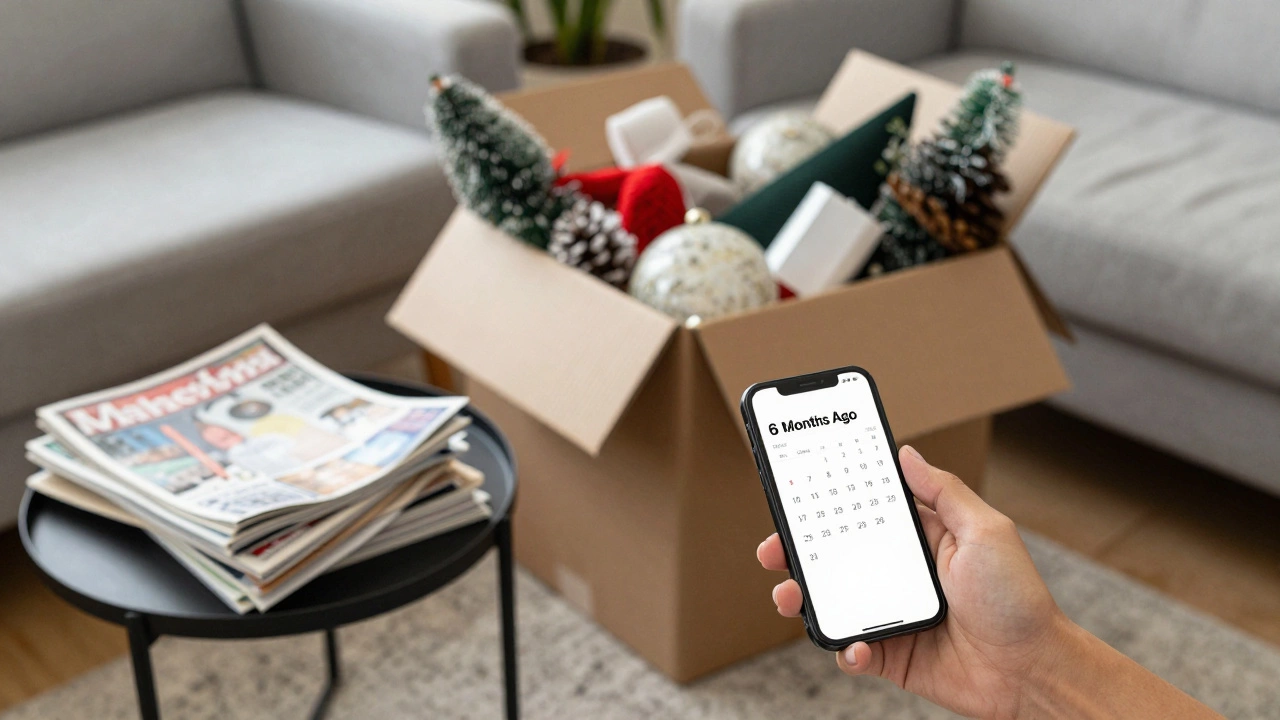
Look around your living room right now. Do you see that box of holiday decorations from three years ago? Or maybe that stack of magazines you swore you’d read but haven’t touched since last winter? We all have items like these. They sit in our homes, taking up space and quietly adding to our mental load. The 6-month rule is a straightforward strategy designed to help you decide what to keep and what to let go of. It’s not about throwing everything away; it’s about making intentional choices for your space.
This method asks a simple question: Have I used or needed this item in the last six months? If the answer is no, it’s likely time to say goodbye. This approach works because it cuts through emotional attachment and focuses on actual utility. Whether you are trying to embrace minimalism, reduce stress, or just make cleaning easier, this rule provides a clear metric for decision-making.
The Core Principle Behind the 6-Month Rule
The logic behind the 6-month rule is rooted in behavioral psychology and practical habit tracking. Six months covers two full seasons, which means you have experienced different weather conditions, social events, and daily routines. If an item hasn’t served a purpose during that timeframe, it probably won’t serve one in the next six months either.
Unlike vague goals like "declutter more," this rule gives you a binary choice. You either used it, or you didn’t. This removes the paralysis of analysis that often stops people from starting. You don’t need to guess if you’ll need something "someday." You look at the data of your last 180 days. If the data says zero usage, the item is likely clutter.
This principle applies to almost every category of possessions. From clothing to kitchen gadgets, the timeline holds up. It forces you to confront the difference between what you think you need and what you actually use. For many people, realizing how much unused stuff they own is the first step toward a lighter, more manageable lifestyle.
How to Apply the Rule Room by Room
Trying to tackle your entire house at once can feel overwhelming. Instead, break it down into manageable zones. Start with a small area, like a single drawer or a closet shelf, to build momentum before moving to larger spaces.
| Room/Zone | Items to Evaluate | Common Exceptions |
|---|---|---|
| Closet | Seasonal clothes, shoes, accessories | Wedding attire, formal wear worn rarely |
| Kitchen | Small appliances, duplicate utensils, expired spices | Specialty baking tools used once a year |
| Bathroom | Old toiletries, unused makeup, broken razors | Prescription medications (check expiry dates) |
| Office/Desk | Paperwork, old cables, outdated tech | Tax documents (keep for 7 years) |
| Living Room | Books, board games, decor | Sentimental heirlooms |
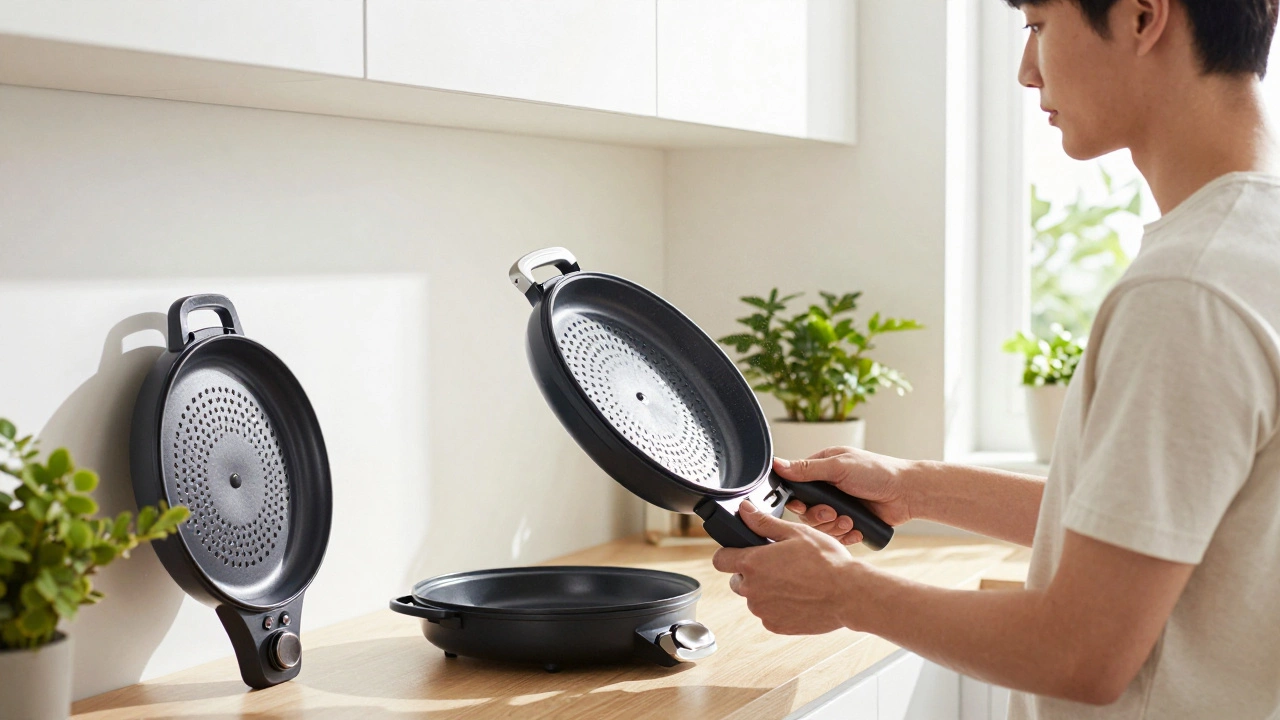
In the kitchen, for example, pull out every gadget. That electric griddle you bought for a specific party two years ago? If it has sat in the cupboard untouched, it goes. In the bathroom, check your medicine cabinet. Expired pills and half-empty bottles of lotion from six months ago should be disposed of properly. These small wins build confidence and show you how much space you can reclaim quickly.
Navigating Sentimental Items and Exceptions
The hardest part of decluttering isn’t the junk mail or the broken toaster. It’s the stuff that carries memories. People often freeze when facing sentimental items. The 6-month rule still applies here, but it requires a slight tweak in perspective. Ask yourself: Does this item bring me joy *now*, or am I keeping it out of guilt?
If you haven’t looked at a photo album or touched a gift from a friend in six months, it doesn’t mean you’ve forgotten them. It means the physical object isn’t serving its purpose. Consider digitizing photos or keeping only one representative item from a large collection. You can store a few cherished pieces in a designated memory box, while letting go of the bulk.
There are also practical exceptions where the 6-month rule shouldn’t be applied strictly. Tax records, legal documents, and warranty papers often need to be kept for several years regardless of access frequency. Similarly, emergency supplies like first-aid kits or fire extinguishers are kept for safety, not daily use. Recognize these categories upfront so you don’t accidentally throw away important paperwork.

What to Do With Items You Decide to Remove
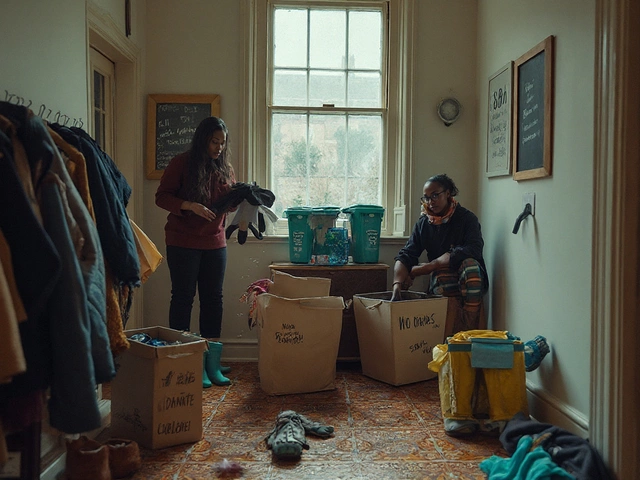
Once you’ve identified items to remove, the next step is disposal. Throwing everything in the trash is wasteful and environmentally harmful. Instead, categorize your removed items into three groups: donate, sell, or recycle.
- Donate: Gently used clothing, furniture, and household goods can be taken to local charities. Organizations like Salvation Army or local community centers often pick up large items. This helps others and ensures your things find a new home.
- Sell: High-value items like electronics, designer clothing, or quality furniture can be sold online. Platforms like Facebook Marketplace or eBay allow you to recoup some money. However, selling takes time and effort. Only sell if you’re willing to manage listings and meetups.
- Recycle/Dispose: Broken items, hazardous waste, or materials that cannot be reused should be recycled or disposed of according to local council guidelines. In Melbourne, for instance, hard waste collection services handle bulky items that don’t fit in regular bins.
Set a deadline for removing these items. Don’t put them in a "maybe" box and forget about them. Schedule a drop-off day or list items for sale within a week. The goal is to create a clean slate, not just move clutter from one room to another.
Maintaining the Habit Long-Term
Decluttering is not a one-time event; it’s a lifestyle adjustment. To prevent clutter from creeping back in, adopt a "one in, one out" policy. For every new item you bring into your home, remove one existing item. This keeps your total volume constant and encourages mindful purchasing.
Review your belongings every six months. Mark your calendar for January and July as "decluttering season." During these reviews, apply the 6-month rule again. Items that survived the first round but haven’t been used in the second cycle are prime candidates for removal. Over time, your possessions will align more closely with your actual life and needs.
This ongoing maintenance reduces decision fatigue. When you know exactly where things belong and why they are there, cleaning becomes faster and less stressful. Your home becomes a place that supports you, rather than a storage unit for things you no longer need.
Is the 6-month rule the same as the KonMari method?
No, they are different approaches. The KonMari method, created by Marie Kondo, focuses on whether an item "sparks joy" and involves tidying by category (clothes, books, etc.) all at once. The 6-month rule is based on utility and recent usage history. You can combine both methods if you like, using joy as a secondary filter after checking usage.
What if I need an item only once a year?
If you know you will definitely need an item again, such as a specific costume or seasonal decoration, you can keep it. However, consider if it’s worth the storage space. Can it be stored off-site, like in a self-storage unit or at a family member’s house? If it stays in your primary living space, ensure it has a dedicated, labeled spot so it doesn’t become visual clutter.
How do I handle digital clutter with this rule?
The 6-month rule applies to digital files too. Check your email inbox, photo gallery, and computer desktop. Delete emails older than six months that you haven’t acted on. Archive photos you haven’t viewed or shared. Unsubscribe from newsletters you haven’t opened recently. Digital decluttering frees up mental space just like physical decluttering.
Can I use this rule for my children's rooms?
Yes, but involve your children in the process. For younger kids, explain that toys they haven’t played with in six months can be donated to other children who will enjoy them. For teens, respect their privacy but encourage them to apply the rule to their own clothes and school supplies. Teaching this habit early helps them develop lifelong organizational skills.
What if I feel guilty about getting rid of gifts?
It’s common to feel guilty, but remember that the giver gave the item to make you happy, not to burden you with storage. If the item doesn’t fit your life or style, letting it go is okay. You can thank the giver verbally or write a note explaining that you’re downsizing. Most people understand and appreciate honesty over seeing their gift gather dust.