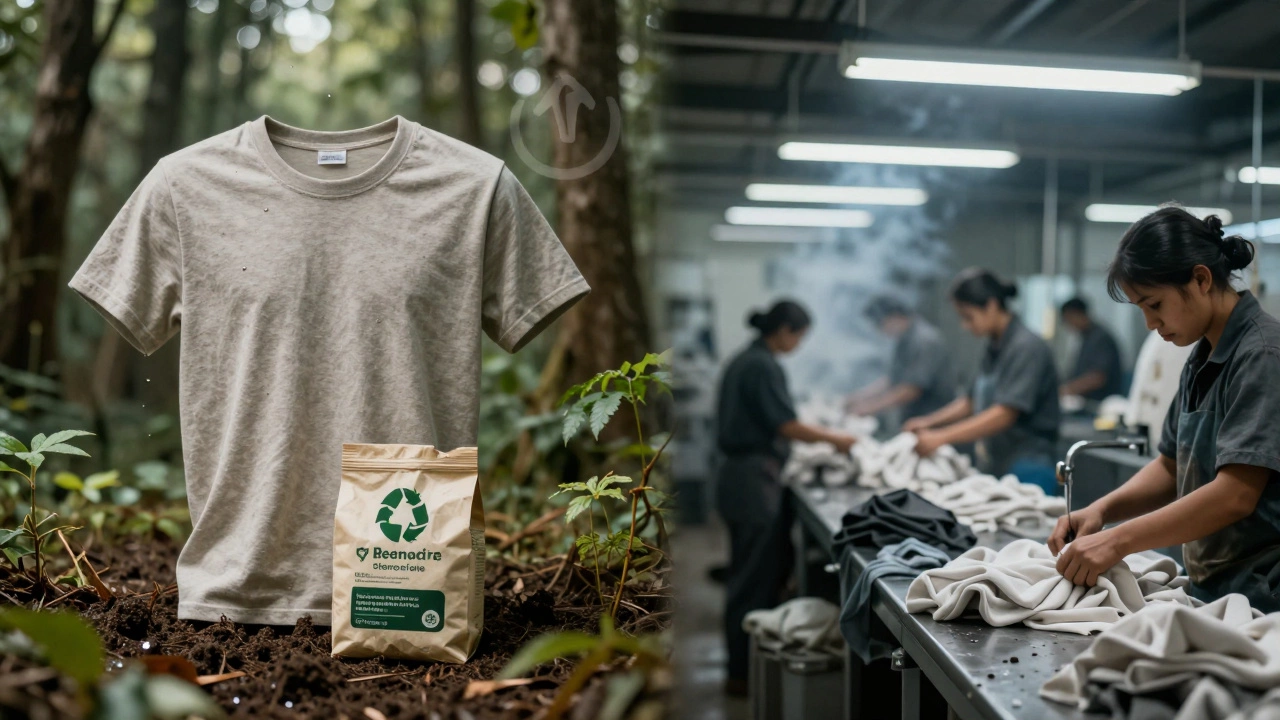
People often use the terms ethical fashion and sustainable fashion like they mean the same thing. But they don’t. And mixing them up can lead to greenwashing, misleading labels, or buying something you think is doing good-when it’s not.
What Is Sustainable Fashion?
Sustainable fashion focuses on the environmental impact of clothing. It’s about reducing harm to the planet at every stage: how materials are grown, how garments are made, how they’re shipped, and what happens when you’re done with them.
Think of it this way: if you buy a T-shirt made from organic cotton that uses 90% less water than conventional cotton, that’s sustainable. If it’s dyed with non-toxic, plant-based dyes instead of chemical dyes that pollute rivers, that’s sustainable. If the packaging is compostable and the shipping is carbon-neutral, that’s still part of sustainability.
Brands like Patagonia and Eileen Fisher are known for this. They track their carbon footprint, use recycled polyester from plastic bottles, and design clothes to last. They even run repair programs so you don’t have to throw things away.
But here’s the catch: a garment can be made from 100% recycled materials and still be produced in a factory where workers are paid $2 a day. That’s sustainable? Technically, yes-environmentally. But ethically? Not even close.
What Is Ethical Fashion?
Ethical fashion is about people. It’s about fair wages, safe working conditions, no child labor, and respect for human rights throughout the supply chain.
Imagine a seamstress in Bangladesh making your jeans. If she works 14 hours a day in a building with no fire exits, gets paid less than the local living wage, and can’t unionize? That’s unethical-even if the fabric is organic and the dye is natural.
Ethical fashion brands like People Tree and Mata Traders partner directly with cooperatives. They publish their factory locations. They pay workers a living wage-sometimes double the minimum. They ensure safe conditions and give workers a voice.
It’s not just about factories, either. Ethical fashion also means no exploitation of indigenous communities. No cultural appropriation of traditional patterns without permission or payment. No using sacred symbols as trendy prints.
One brand I’ve seen in Melbourne, Artspace Collective, works with Aboriginal artists. They pay royalties for every piece sold and involve the artists in design decisions. That’s ethical fashion in action.
Where They Overlap
There’s a big Venn diagram where ethical and sustainable fashion meet. The best brands do both.
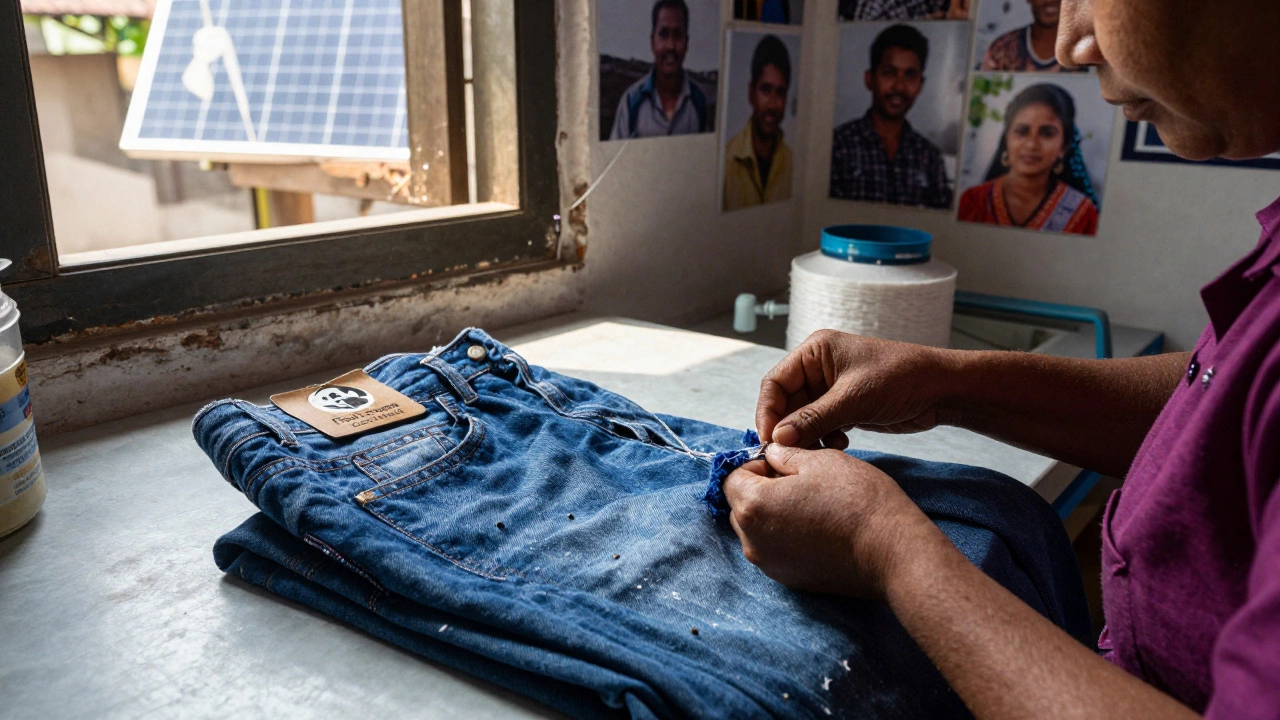
Take a pair of jeans made from regenerative cotton (which rebuilds soil health) and sewn by workers paid fair wages in a solar-powered factory, using water recycling systems. That’s the ideal. That’s what the movement should be pushing for.
But here’s the reality: most brands specialize in one or the other. And that’s okay-as long as you know what you’re supporting.
For example, Reformation makes beautiful, trendy clothes using deadstock fabric (waste fabric from other factories). That’s sustainable. But they’ve faced criticism for not being fully transparent about factory conditions. So, sustainable? Yes. Ethical? Debatable.
On the flip side, a small brand might pay fair wages and use no plastic packaging (ethical), but their clothes are made from virgin polyester (not sustainable). You’re helping people-but still contributing to microplastic pollution.
Why the Difference Matters When You Shop
When you buy something labeled ‘eco-friendly,’ you might assume it’s good for people and the planet. But that’s not always true.
Fast fashion giants like H&M have launched ‘Conscious Collections.’ They use recycled materials and market them as sustainable. But they still produce over 100 million garments a year. They encourage constant buying. They rely on low-wage labor in countries with weak protections.
That’s not sustainability. That’s marketing.
True sustainability isn’t just about materials-it’s about scale. Can the system keep going without destroying ecosystems? Can we keep making clothes like this forever?
True ethics isn’t just about wages-it’s about power. Who controls the system? Who benefits? Who gets to speak up?
If you care about the environment, look for certifications like GOTS (Global Organic Textile Standard) or OEKO-TEX. They verify low environmental impact.
If you care about people, look for Fair Trade Certified, B Corp, or brands that name their factories and publish wage reports. Some even share videos of their workers.
What to Look For (and What to Ignore)
Here’s a quick guide to cut through the noise:
- Do look for: Transparency reports, factory addresses, living wage statements, recycled or regenerative materials, repair programs, take-back schemes.
- Don’t trust: Vague terms like ‘green,’ ‘natural,’ ‘eco,’ or ‘conscious’ without proof. ‘Made in Italy’ doesn’t mean ethical. ‘Organic cotton’ doesn’t mean fair labor.
- Check the price: If a cashmere sweater costs $30, someone’s being exploited. Real ethical and sustainable fashion costs more because it reflects true value-not artificial low pricing.
There’s a reason handmade, small-batch clothing costs $150. It’s not because the brand is greedy. It’s because they’re paying someone a real wage, using quality materials, and not cutting corners.
Can One Brand Do Both?
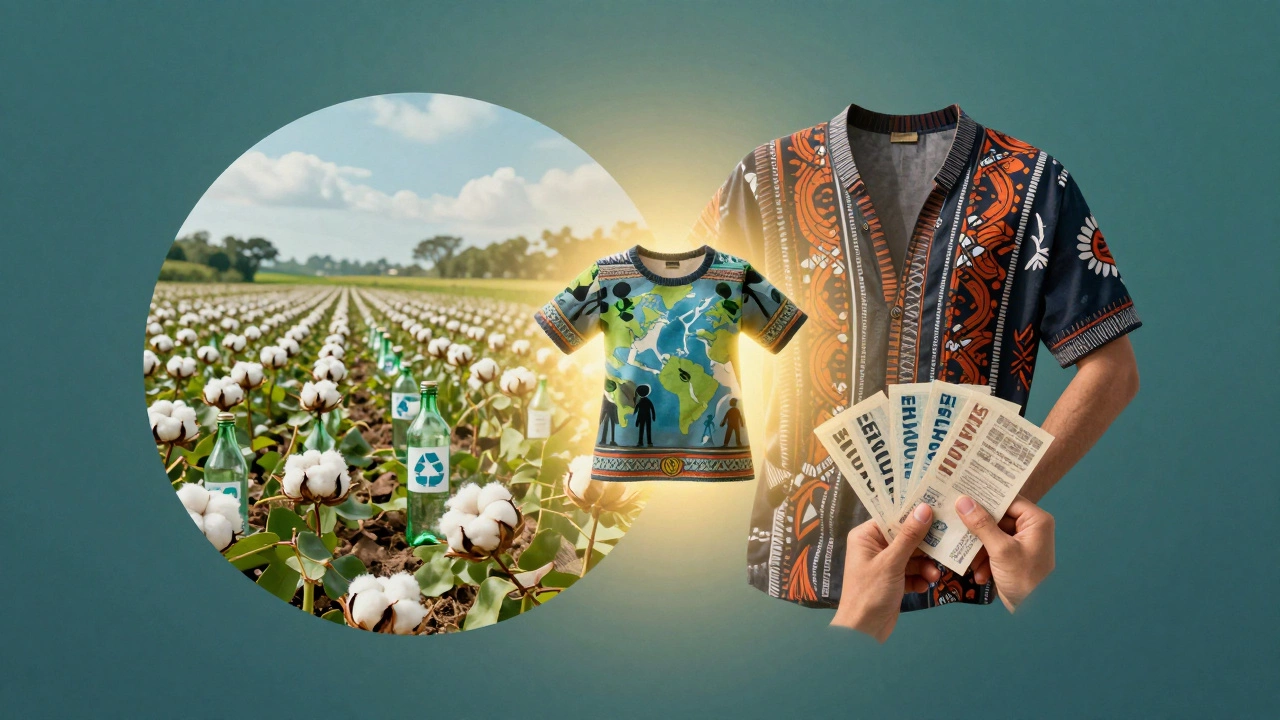
Yes-but it’s rare. And it’s hard.
Brands like Thought Clothing and Pact are getting closer. They use organic cotton, pay fair wages, and ship in recycled mailers. They’re small, so they can control their supply chain. They don’t scale like Zara, but they don’t need to.
Big brands? They’re stuck in systems built for speed and profit. Even if they try to change, their business model depends on selling more stuff. That’s the opposite of sustainability.
Real progress isn’t about one brand going perfect. It’s about shifting the whole system: buying less, choosing well, repairing, renting, swapping, and supporting the brands that do the hard work.
What You Can Do Today
You don’t need to overhaul your wardrobe. Start small.
- Check the tags on your next purchase. Does it say where it was made? Who made it?
- Use apps like Good On You to rate brands by ethics and sustainability.
- Buy secondhand first. Thrift stores, Depop, Vestiaire Collective-these are the most sustainable options.
- Ask brands: ‘Who made my clothes?’ and ‘What’s your carbon footprint?’ If they don’t answer, that’s an answer.
Every dollar you spend is a vote. Vote for people. Vote for the planet. Don’t let a label fool you into thinking you’re doing enough.
Can a garment be sustainable but not ethical?
Yes. A shirt made from recycled plastic bottles is sustainable because it reduces waste. But if it was sewn by workers earning $1 an hour in unsafe conditions, it’s not ethical. Sustainability is about the planet; ethics is about people.
Can a garment be ethical but not sustainable?
Absolutely. A handmade dress sewn by a fair-wage artisan in Peru is ethical. But if it’s made from virgin polyester or shipped across the world in single-use plastic, it’s not sustainable. Ethics doesn’t fix environmental damage.
Is sustainable fashion always expensive?
Not always, but it often is. Cheap clothing hides costs-environmental damage, worker exploitation, long-term waste. Ethical and sustainable brands pay for real materials, fair labor, and responsible production. That shows in the price. But you can find affordable options by buying secondhand, renting, or choosing smaller brands with transparent pricing.
What’s the most sustainable fashion choice?
The most sustainable choice is not buying anything new. Wear what you already own. Repair it. Swap with friends. Buy secondhand. Rent for special occasions. Every new garment has a footprint-even if it’s labeled ‘eco.’
How do I know if a brand is truly ethical or sustainable?
Look for third-party certifications: GOTS for organic textiles, Fair Trade Certified for labor standards, B Corp for overall social and environmental performance. Check if they name their factories, publish wage data, and share their supply chain. If they’re vague or silent, they’re probably not transparent.