2026 Interior Design Style Estimator
Discover how close your current space is to the dominant 2026 aesthetic. Answer a few questions about your home's materials, colors, and layout to get a tailored transition plan.
Your Style Assessment
Alignment with 2026 Trends
Personalized Transition Plan
Walk into a trendy café in Melbourne’s Fitzroy or browse through Instagram reels this week, and you’ll notice something shifted. The stark, cold greys of the 2010s are gone. So is the cluttered "maximalist" chaos that tried too hard to prove personality. If you’ve been staring at your beige walls wondering what comes next, you’re not alone. The new interior design style isn’t just one look; it’s a reaction to digital fatigue and climate anxiety. It’s about spaces that feel grounded, breathable, and deeply human.
This shift isn’t random. It’s driven by a collective desire for calm without sacrificing character. We are moving away from "staged" perfection toward lived-in authenticity. You don’t need to rip out your kitchen cabinets to keep up. Instead, you need to understand the philosophy behind the trend: less visual noise, more tactile warmth. Let’s break down exactly what defines this era of design, how to spot it, and how to bring it into your home without breaking the bank.
The Core Philosophy: Warm Minimalism Meets Organic Modern
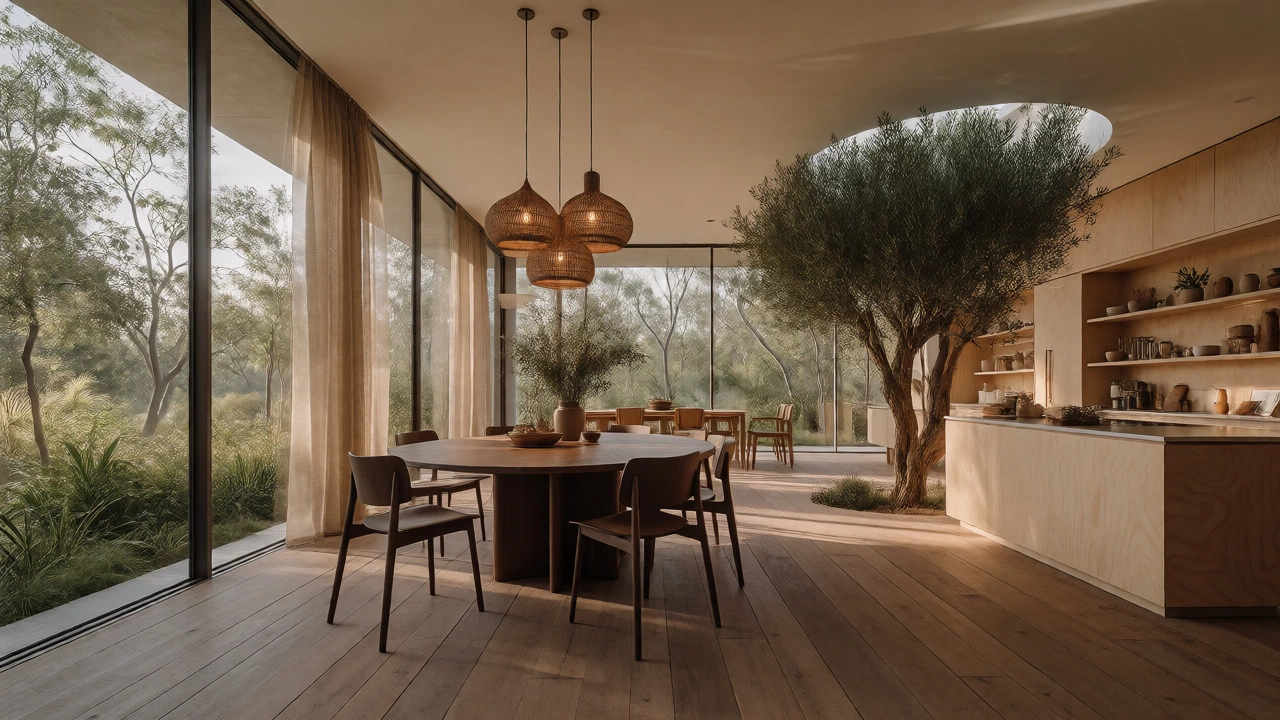
If you had to put a label on the current dominant aesthetic, most experts would call it Warm Minimalism. But that term feels a bit clinical. Think of it as Organic Modern instead. This style combines the clean lines of minimalism with the raw, imperfect textures of nature. It rejects the idea that a beautiful home must be sterile.
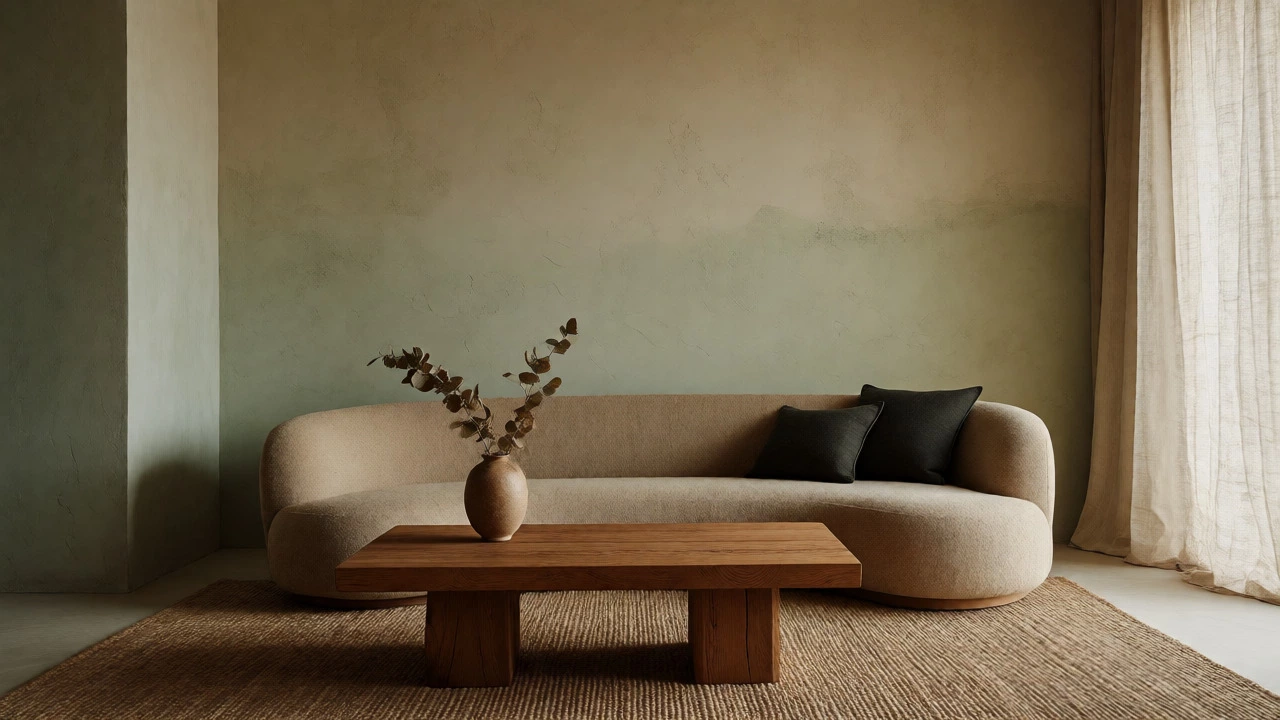
In practice, this means swapping sleek glass coffee tables for chunky oak ones. It means trading synthetic rugs for hand-woven jute or wool. The goal is sensory engagement. When you touch a surface, it should feel real. When you walk into a room, it should smell like cedar or linen, not plastic. This approach prioritizes material honesty over brand names. A scratched wooden floor tells a story; a pristine laminate one does not.
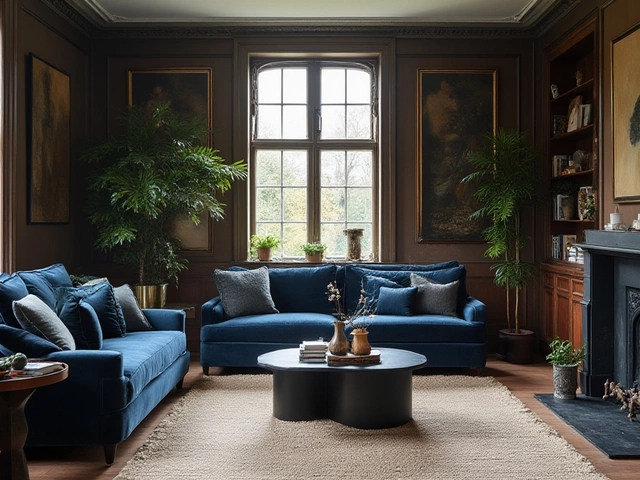
You might ask, "Is this just Scandinavian design again?" Not quite. Scandinavian design often leans cool and bright. The new wave embraces darker, earthier tones. Think terracotta, sage green, deep charcoal, and warm browns. It’s moody but inviting. It acknowledges that light changes throughout the day and designs spaces to work with that rhythm, not against it.
Key Elements Defining the Current Trend
To recreate this look, you don’t need a complete renovation. Focus on these four pillars. Each one serves a specific function in creating that grounded atmosphere everyone is craving right now.
- Natural Materials Over Synthetics: Wood, stone, clay, and bamboo are non-negotiable. Avoid plastics and glossy finishes. Choose matte surfaces that absorb light rather than reflecting it harshly. For example, replace ceramic tiles with natural stone or lime plaster on walls to add depth and texture.
- Curved Silhouettes: Sharp corners are out. Furniture with soft, rounded edges dominates current collections. Arched doorways, curved sofas, and round dining tables reduce visual aggression. These shapes mimic the natural world, where straight lines are rare. They also improve flow in small apartments, making tight spaces feel larger and less obstructive.
- Biophilic Integration: This goes beyond putting a potted fern in the corner. Biophilic design integrates nature structurally. Use large windows to frame outdoor views. Incorporate indoor trees like Ficus lyrata or Olive trees as focal points. Ensure every room has access to natural light. If you lack space, use living walls or moss art to bring greenery vertically.
- Earth-Toned Palettes: Move away from pure white. Opt for off-whites, creams, and beiges mixed with grounding colors. Sage green connects to nature. Terracotta adds warmth. Deep navy provides contrast without the harshness of black. These colors lower heart rates and promote relaxation, which is why they are popular in bedrooms and living areas alike.
| Feature | Previous Trend (2015-2020) | New Interior Design Style (2024-2026) |
|---|---|---|
| Color Palette | Cool Greys, Stark White, High Contrast | Warm Neutrals, Earth Tones, Monochromatic Depth |
| Materials | Glass, Chrome, Glossy Laminate | Rough-hewn Wood, Linen, Clay, Stone |
| Furniture Shape | Angular, Industrial, Modular | Curved, Bulky, Low-profile |
| Lighting | Bright LED, Recessed Downlights | Layered Ambient, Warm LEDs, Natural Light Focus |
| Decor Approach | Minimalist Empty Space or Maximalist Clutter | Intentional Curation with Personal Artifacts |
Why Sustainability Drives Aesthetics Now
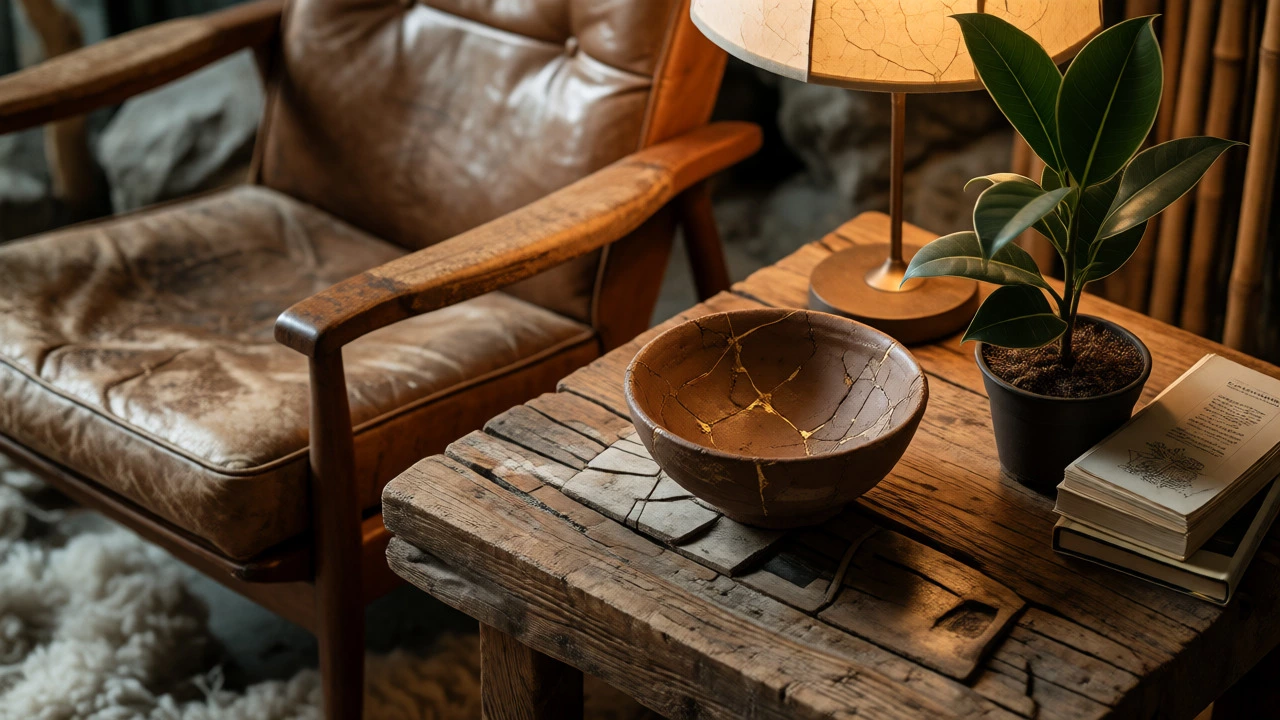
You can’t talk about the new interior design style without addressing the elephant in the room: sustainability. This isn’t just an ethical choice anymore; it’s a visual one. Consumers are tired of fast furniture that falls apart after two moves. They want pieces that last decades. This demand has reshaped what we consider "beautiful." Visible repair, known as kintsugi in Japanese culture, is becoming a design feature rather than a flaw.
Look at the rise of second-hand shopping. Buying vintage isn’t just about thriftiness; it’s about uniqueness. In a world of mass-produced IKEA products, finding a mid-century armchair with patina signals taste. It shows you value history. This aligns perfectly with the broader movement toward circular economies. Brands like West Elm and local Australian makers are highlighting recycled materials and fair-trade sourcing on their tags because buyers read them.
Moreover, energy efficiency influences layout. Homes are designed to maximize passive heating and cooling. Thick curtains aren’t just decorative; they insulate. Heavy rugs aren’t just cozy; they block drafts. The new style respects the building’s envelope. It works with the architecture rather than fighting it with excessive air conditioning units hidden behind drywall.
How to Transition Your Home Without Renovation
So, how do you actually implement this? You don’t need to knock down walls. Start small. The beauty of this style is its flexibility. Here is a practical checklist to guide your transition over the next few months.
- Declutter Ruthlessly: Keep only what serves a purpose or brings genuine joy. Remove visual noise. If a shelf looks chaotic, take half the items off. Negative space allows the remaining objects to breathe and stand out.
- Swap Textiles: Replace polyester cushions with linen or cotton. Swap synthetic throws for wool or alpaca. Change window treatments from heavy drapes to sheer linen curtains that let light diffuse softly.
- Introduce One Statement Piece: Invest in one high-quality item made of natural material. Maybe it’s a solid wood side table or a handmade ceramic vase. Place it where you see it daily. This anchors the room and sets the tone for future purchases.
- Adjust Lighting Temperature: Check your bulbs. If they are cool white (4000K+), switch to warm white (2700K). Add lamps at different heights-floor, table, wall-to create layers. Never rely on a single overhead light source.
- Add Living Elements: Bring in three plants of varying sizes. Choose low-maintenance options if you forget to water them, like Snake Plants or ZZ Plants. Position them near windows to emphasize the connection between indoors and outdoors.
Remember, consistency matters more than quantity. Don’t buy ten cheap trinkets. Buy one meaningful object. This mindset shift reduces waste and elevates the perceived quality of your space. It turns your home into a sanctuary rather than a showroom.
Common Pitfalls to Avoid
Even well-intentioned updates can go wrong. The biggest mistake people make is confusing "minimal" with "empty." A room shouldn’t look abandoned. It needs soul. If everything is neutral and smooth, it can feel hospital-like. Counteract this with personal touches. Display family photos in simple frames. Show books you’ve actually read. Hang art that resonates with you, even if it doesn’t match the color scheme perfectly.
Another trap is ignoring scale. Curved furniture is trendy, but if you cram a massive, bulbous sofa into a tiny apartment, it will overwhelm the space. Measure twice. Sketch layouts before buying. Ensure there is enough walking clearance around each piece. Flow is critical to the feeling of spaciousness.
Finally, don’t ignore acoustics. Hard surfaces bounce sound. If your room echoes, it feels cold regardless of how many plants you add. Use rugs, upholstered furniture, and fabric wall hangings to dampen noise. A quiet room feels expensive and peaceful. An echoey room feels chaotic, no matter how stylish the decor.
Looking Ahead: Is This Trend Durable?
Trends usually cycle every five to seven years. Will this style stick? Likely yes, but it will evolve. We may see more integration of technology that hides itself-wireless charging built into stone tables, smart lighting that mimics circadian rhythms seamlessly. The core values, however, seem permanent. People will always crave comfort, health, and authenticity.
As we move further into the decade, expect to see more regional variations. In Australia, this might mean leaning heavily into indoor-outdoor living, using native plants like Eucalyptus or Banksia in arrangements. In colder climates, it might focus more on fireplaces and heavy textiles. The global language remains the same, but the dialect changes based on location and climate.
Ultimately, the new interior design style is about intentionality. It asks you to slow down and appreciate what you have. It encourages buying less but better. It connects your physical environment to your mental state. If you adopt these principles, your home won’t just look trendy; it will feel right. And that’s worth far more than any fleeting fad.
What is the main difference between minimalism and the new interior design style?
Traditional minimalism often focuses on emptiness, monochrome colors, and strict rules. The new style, often called Warm Minimalism or Organic Modern, retains the uncluttered aspect but adds warmth through natural textures, earth tones, and personal artifacts. It prioritizes comfort and sensory experience over rigid aesthetics.
Do I need to replace all my furniture to follow this trend?
No. You can achieve this look by changing accessories first. Swap synthetic textiles for natural fibers like linen and wool. Introduce houseplants and adjust lighting to warmer temperatures. Gradually replace key pieces with items made from wood, stone, or clay when they wear out or when you find unique vintage finds.
Which colors are most associated with the new interior design style?
The palette relies on warm neutrals and earth tones. Key colors include sage green, terracotta, ochre, deep brown, cream, and charcoal. Pure white is rarely used as a primary wall color; instead, off-white or beige creates a softer backdrop. These colors connect the interior to the natural environment outside.
How does sustainability influence current interior design trends?
Sustainability drives the preference for durable, natural materials over fast-furniture plastics. It promotes buying second-hand or vintage items to reduce waste. Visibly repaired items and long-lasting craftsmanship are valued aesthetically. Energy-efficient design choices, such as maximizing natural light and insulation, also shape spatial layouts.
Can this style work in small apartments?
Yes, it works exceptionally well in small spaces. The emphasis on decluttering maximizes floor area. Curved furniture improves flow in tight quarters. Using mirrors and light-colored walls enhances the sense of space, while vertical plants save floor room. The lack of visual clutter makes small rooms feel larger and calmer.