British Etiquette Quiz
Think you're ready for a trip to the UK? Test your knowledge on common pitfalls Americans face when visiting England.
Loading question...
0/5
Calculating results...
You just landed at Heathrow or Gatwick, stepped off the plane, and suddenly the air feels different. It’s not just the weather; it’s the social atmosphere. As an American, you’re likely used to being loud, friendly, and direct. In England, those traits can sometimes work against you if you don’t adjust your volume and your expectations. The biggest mistake isn’t saying the wrong word-it’s assuming that because we speak the same language, we share the same rules.
Here is the reality: most Brits are polite to a fault. They won’t tell you that you’re being too loud on the train or that you’re blocking the sidewalk. They will simply sigh, step around you, or give you a look that could curdle milk. This guide breaks down exactly what you should avoid doing so you blend in rather than stand out like a sore thumb.
The Escalator Etiquette You Must Follow
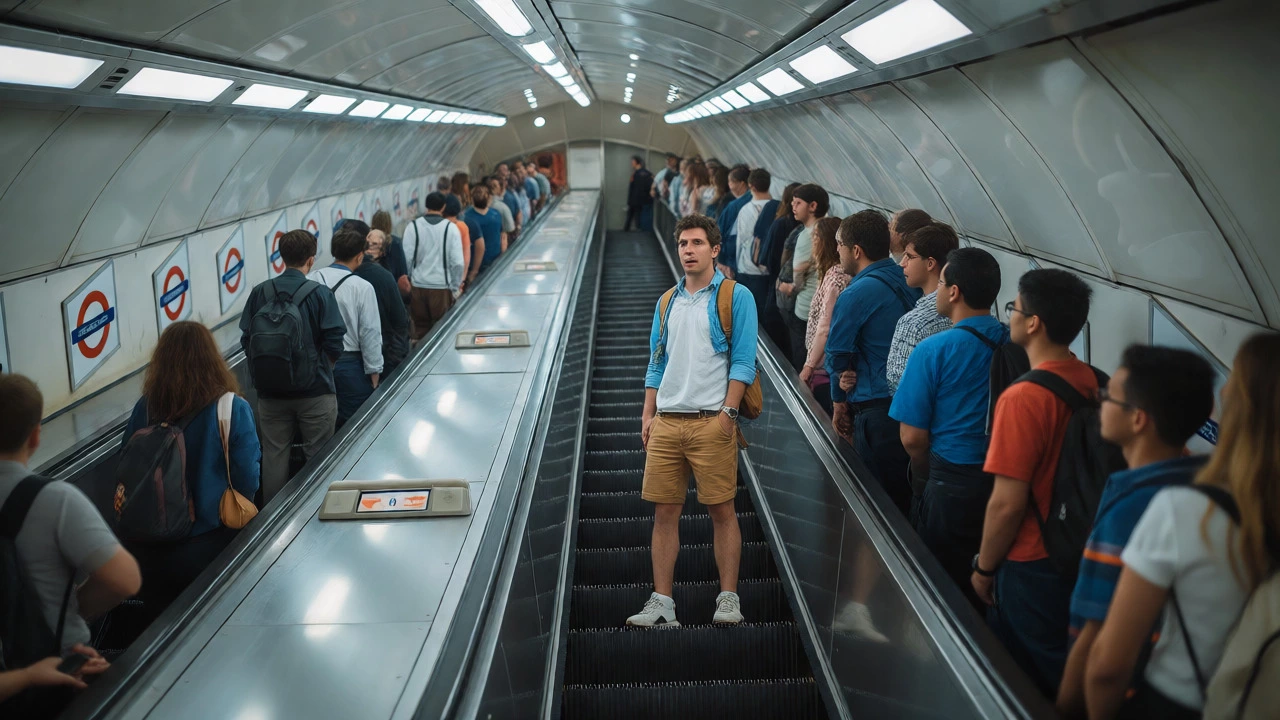
If there is one rule that separates tourists from locals instantly, it’s how you use the London Underground escalators. In the US, you might walk up moving stairs or stand wherever there’s space. In London, this is a cardinal sin. The rule is absolute: stand on the right, walk on the left.
This isn’t just a suggestion; it’s a law of physics for commuters. If you stand in the middle, you block the flow of thousands of people rushing to work. Locals will not hesitate to let you know you’re in the way. On busy lines like the Northern or Central line, standing on the left side while walking up is considered deeply rude. If you’re tired and want to rest, take the lift (elevator) instead. Never stop halfway up an escalator to check your map. Keep moving or get off entirely.
Stop Saying "Restroom" and Start Using Proper Vocabulary
Language barriers aren’t just about accents; they’re about vocabulary. Asking for the "restroom" in a pub will get you confused looks. In England, you ask for the toilet, loo, or bog. While "bathroom" is understood, it implies there is actually a bath in the room, which is rare in commercial establishments.
Watch out for other linguistic traps. If you ask for "chips," you’ll get thick-cut fries. If you want thin, crispy fries, you need to order "crisps." Conversely, if you order "fries" in a traditional fish and chip shop, you might be handed something unexpected. Also, never call a sandwich a "sub" or a "hoagie." Just say "sandwich" or specify the type, like a "bacon butty." Misusing these terms doesn’t make you unintelligent, but it does mark you immediately as an outsider.
Navigating the Pub Culture Without Offending Anyone
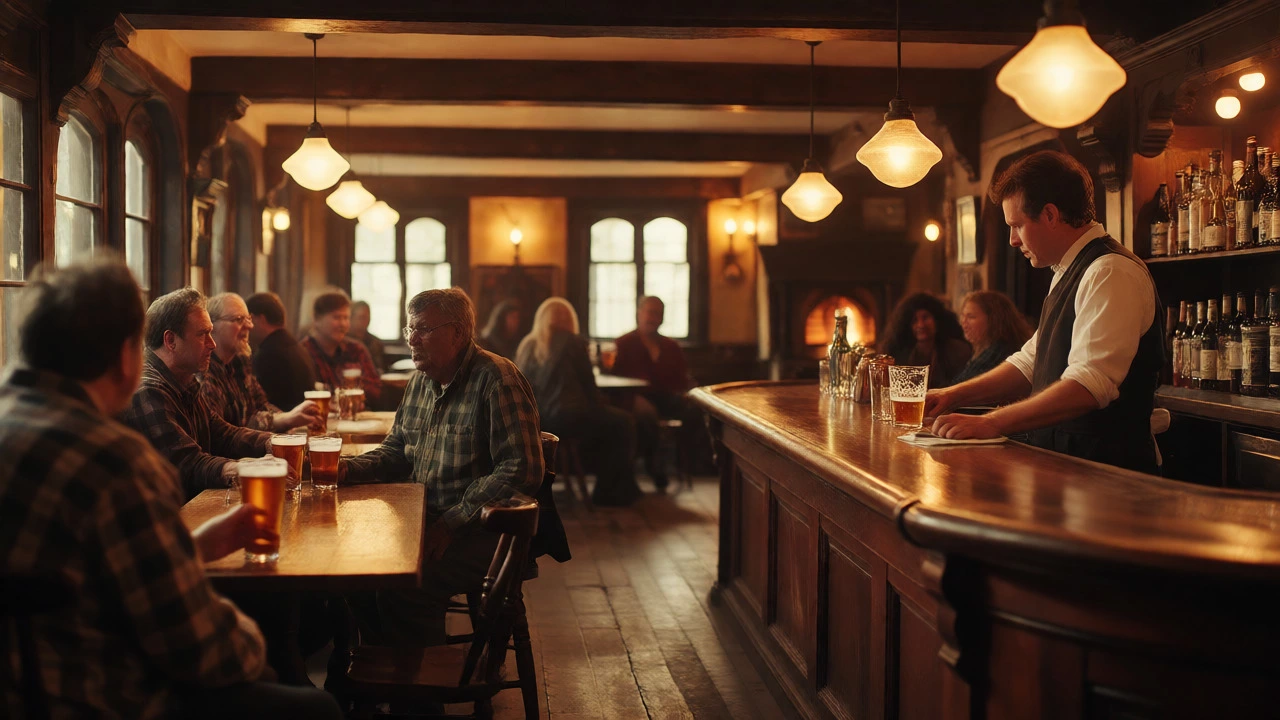
The British pub is a community hub, not just a bar. There is no table service in most pubs. You must go to the bar, order, and pay immediately. Don’t wait for a server to come to you; they won’t. If you sit down and wait, you’ll wait all night.
Another major faux pas is tipping excessively or incorrectly. While Americans often tip 20% automatically, British tipping culture is more relaxed. A round-up of the bill or 10-15% is sufficient for good service. In many places, especially smaller pubs, tipping isn’t expected at all unless there was exceptional service. Over-tipping can sometimes feel patronizing. And please, do not ask for ice in your drink unless you really need it. Brits typically drink their beer and spirits neat or with minimal mixer. Asking for a glass of water with ice is fine, but asking for a cocktail with three scoops of ice might raise eyebrows.
Queueing Is Sacred-Do Not Cut In Line
Americans are known for being assertive, even aggressive, in crowds. In England, the queue is a sacred institution. Cutting in line is not just rude; it’s practically criminal. Whether you’re waiting for a bus, buying a ticket, or ordering food, you join the back of the line. Period.
If you’re unsure where the queue ends, look for the person who looks most annoyed or is holding a sign. Do not try to squeeze in. If someone cuts in front of you, they will likely receive a sharp intake of breath or a muttered complaint rather than a confrontation. But if you cut in? Expect silent judgment that lasts longer than your trip. Patience is key here. Buses may be late, trains may be delayed, but everyone waits in order.
Respect the Weather Conversation
You’ve probably heard the joke that Brits talk about the weather to avoid talking about feelings. It’s true, but it’s also a social lubricant. When someone comments on the rain, don’t dismiss it with "Yeah, it’s wet." Engage briefly. Say, "Bit nippy today, isn't it?" or "Hope it clears up soon." It’s a low-stakes way to acknowledge shared discomfort.
However, do not complain about the weather constantly. Americans visiting during summer often lament the lack of heat compared to Florida or Arizona. Brits find this baffling. To them, 25°C (77°F) is scorching hot. Complaining about the cold when it’s only 10°C (50°F) makes you seem unprepared. Bring layers. Accept the drizzle. If you treat the weather as an adventure rather than an inconvenience, you’ll fit in much better.
Driving and Pedestrian Rules Are Different
If you plan to rent a car, remember that you drive on the left. This sounds simple, but muscle memory fails under stress. Roundabouts are terrifying for first-timers. The rule is: give way to traffic coming from your right. If you miss your exit, keep going around until you get another chance. Do not stop abruptly in a roundabout to check your GPS.
As a pedestrian, look right, then left, then right again. Traffic comes from the right first. Many Americans have been clipped by cars because they looked left out of habit. Be hyper-aware at crossings. Also, do not jaywalk aggressively. While pedestrians have priority on zebra crossings, drivers in cities like London are often impatient. Make eye contact with the driver before stepping off the curb.
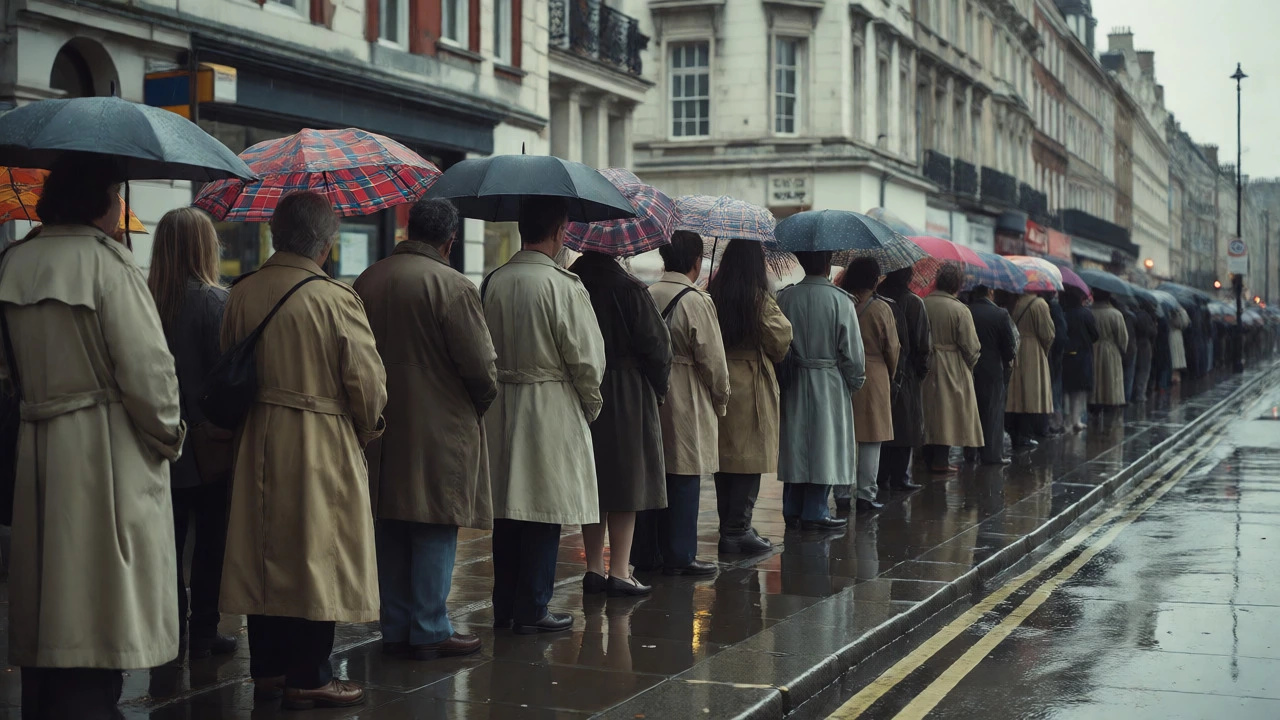
Table Manners and Dining Etiquette
In formal dining settings, keep your hands visible but not resting on your lap. Hold your knife and fork properly. Americans sometimes switch hands after cutting food (the zigzag method), but Brits typically keep the fork in the left hand and the knife in the right throughout the meal. Switching hands repeatedly can look frantic.
Also, never blow your nose loudly at the table. Excuse yourself to the restroom. And if you’re eating curry, using your hands is acceptable in some casual Indian restaurants, but if you’re in a traditional English pub or restaurant, stick to cutlery. Asking for ketchup on a high-quality steak or fish and chips is generally frowned upon by purists, though you won’t be thrown out for it. Just know that it signals a lack of culinary confidence.
Public Transport Behavior
On buses and trains, silence is golden. Avoid having loud phone conversations. If you must take a call, keep your voice down. Americans tend to project their voices, which carries well in enclosed spaces. Brits value quiet privacy on public transport. Reading a book, scrolling on your phone, or staring into space is preferred over chatting with strangers.
Offer your seat to elderly people, pregnant women, or those with disabilities. This is standard courtesy. However, do not assume someone needs a seat based solely on appearance. If you offer and they decline, accept it gracefully. Don’t insist. Insisting can be seen as intrusive.
| Category | American Habit/Term | British Equivalent/Expectation | Risk Level |
|---|---|---|---|
| Bathroom | Restroom / Bathroom | Toilet / Loo | Low (Confusion) |
| Food | Fries / Chips | Chips / Crisps | Medium (Wrong Food) |
| Transport | Escalator: Walk both sides | Escalator: Stand Right, Walk Left | High (Social Faux Pas) |
| Tipping | 20% Standard | 10-15% or Round Up | Low (Overpayment) |
| Interaction | Small Talk with Strangers | Polite Distance / Silence | Medium (Awkwardness) |
| Drinks | Ice in everything | Neat or Minimal Ice | Low (Personal Preference) |
Final Thoughts on Blending In
None of this means you have to change who you are. Being friendly is still welcome. The goal is awareness. Notice how locals behave. Listen to the tone of voice-it’s usually lower and less enthusiastic than American speech. Smile, but don’t grin broadly at strangers. Apologize if you bump into someone, even if it wasn’t your fault. "Sorry" is a magic word in England that defuses tension quickly.
Travel is about immersion. By avoiding these common pitfalls, you show respect for the local culture. You’ll find that once you navigate the basic etiquette, Brits are incredibly helpful, warm, and eager to help you enjoy their country. Just remember: stand on the right, keep your voice down, and order a pint without asking for ice.
Is it rude to tip in England?
No, it is not rude, but the expectations are different. Tipping 10-15% is standard for good service in restaurants. In pubs, you don't tip per drink, but you might buy a round for the bartender or leave small change. Excessive tipping (like 20%) is unnecessary and can sometimes feel awkward.
Why do Brits apologize so much?
Apologizing in Britain is often a social reflex rather than an admission of guilt. It serves to maintain harmony and acknowledge minor inconveniences. If you bump into someone, saying "sorry" is expected regardless of fault. It’s a way of smoothing over interactions.
Can I wear sneakers everywhere in London?
Yes, smart sneakers are widely accepted in most casual settings. However, avoid wearing athletic running shoes with suits or to upscale restaurants. Clean, stylish trainers are fine, but worn-out gym shoes might look out of place in trendy areas like Shoreditch or Mayfair.
What is the best way to hail a black cab?
Raise your arm clearly to signal the driver. Look for the yellow "For Hire" light on top of the taxi. If the light is off, the cab is occupied. Do not wave frantically; a calm, clear hand raise is effective. Always confirm the destination before getting in.
Is it okay to eat while walking in London?
It is generally acceptable to eat street food like pies or pasties while walking, especially in markets. However, eating messy foods like burgers or tacos while walking through clean shopping districts like Oxford Street might draw disapproving glances. Try to finish your food before entering shops or museums.