Fast Fashion Impact Calculator
Enter your recent clothing purchase details to estimate its environmental cost. Remember: The most sustainable garment is the one you already own.
Your Purchase Details
Environmental & Ethical Analysis
Enter your data to see the estimated water usage, CO2 emissions, and "Cost Per Wear" efficiency.
0 L
Liters0 kg
Kilograms$0.00
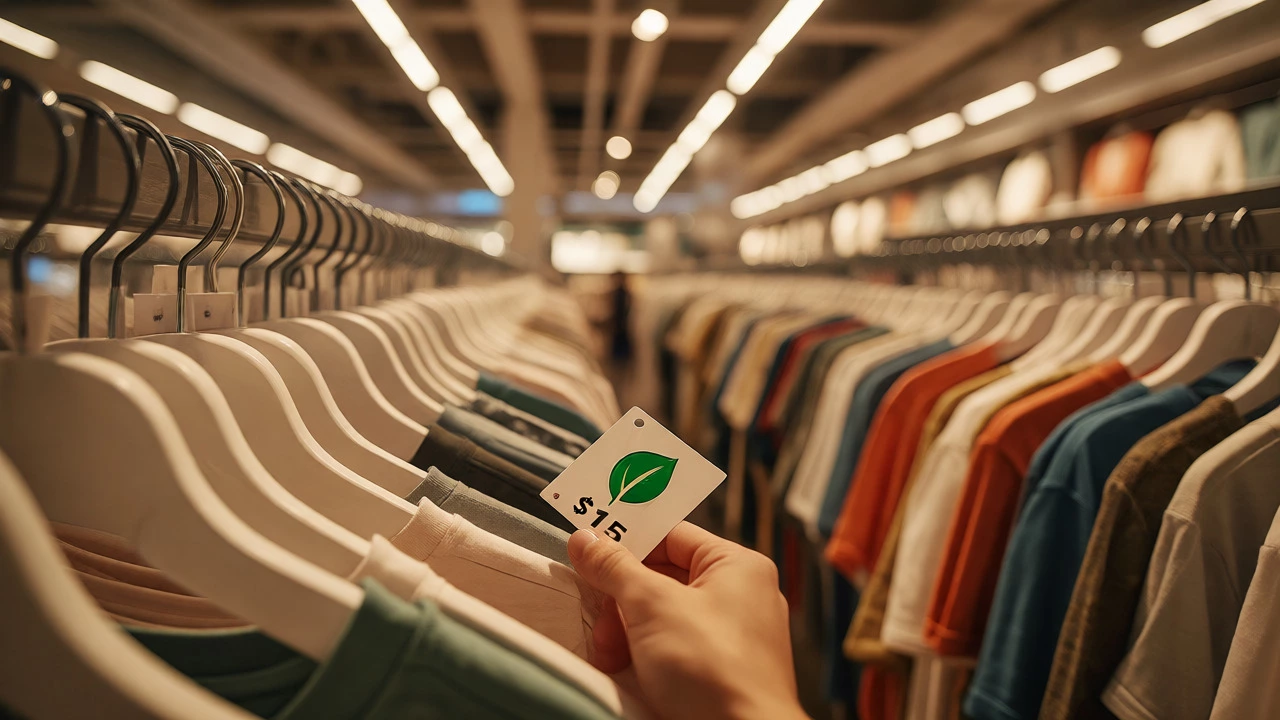
Efficiency MetricYou walk into an H&M store in Melbourne, see a t-shirt for $15 with a little leaf icon on the tag, and think, "Okay, this one's better." You feel good. You bought something cheap that claims to care about the planet. But here’s the uncomfortable truth: buying less bad stuff isn't the same as buying good stuff. H&M remains one of the biggest contributors to global textile waste, not because they are evil, but because their entire business model relies on you throwing things away.
The core problem isn’t just the materials. It’s the speed. H&M operates on a fast fashion model where designs move from catwalk to shop floor in weeks, encouraging consumers to buy more than they need and discard it quickly. This cycle creates a massive environmental footprint that recycling bins can’t fix. If you’re trying to live sustainably, understanding why H&M fails the eco-test is the first step to breaking the habit.
The Volume Problem: Why Scale Kills Sustainability
Let’s look at the numbers. H&M Group sells over 3 billion garments annually. Even if every single item was made from organic cotton, the sheer volume would still be devastating. The average person buys 60% more clothing than they did 15 years ago but keeps each item for half as long. That’s a recipe for disaster.
H&M has launched initiatives like the "Conscious Collection," which uses recycled polyester or organic cotton. Sounds great, right? But these collections make up a tiny fraction of their total output. Most of what sits on those shelves is conventional cotton or virgin polyester. Conventional cotton farming is thirsty-it takes about 2,700 liters of water to make just one t-shirt. That’s enough drinking water for one person for two and a half years. When you multiply that by billions of shirts, the water strain on regions like India and Uzbekistan becomes critical.
Then there’s the polyester issue. Virgin polyester is essentially plastic made from petroleum. Every time you wash a synthetic garment, it sheds microplastics. Studies estimate that laundry releases hundreds of thousands of microfibers per load. These end up in our oceans, eaten by fish, and eventually, back on our plates. H&M’s reliance on synthetics means they are directly contributing to ocean pollution, regardless of how many "green" tags they slap on the price label.
Greenwashing: The Illusion of Choice
This brings us to greenwashing the practice of making misleading claims about the environmental benefits of a product, service, company, or industry. H&M is often accused of this. They run in-store garment collection programs where you drop off old clothes for recycling. In exchange, you get a discount voucher. It feels productive. You cleared out your closet, got a coupon, and helped the planet.
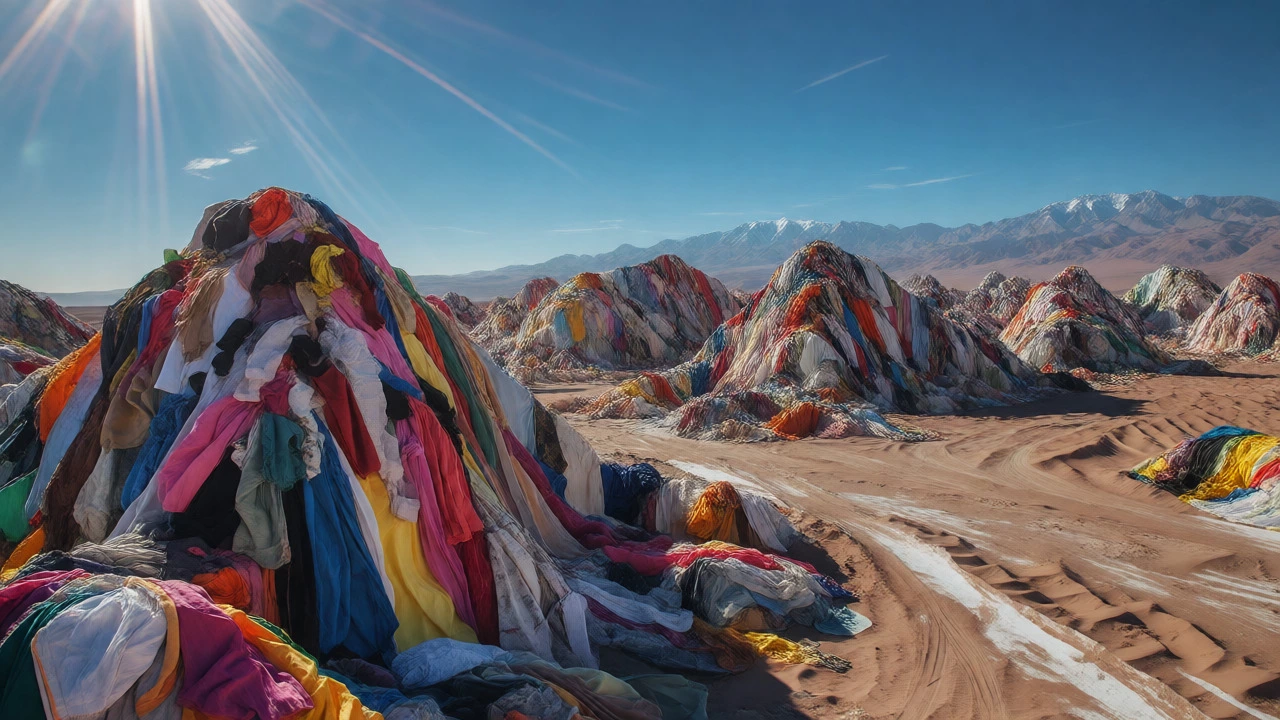
But here’s what happens next: most of those collected clothes aren’t recycled into new clothes. Only about 1% of textiles are actually turned back into new fibers due to technical limitations in separating blended fabrics. The rest is downcycled into insulation, sent to landfills, or exported to developing countries like Ghana and Chile. In the Atacama Desert, mountains of unsold fast fashion clothes have become so large they are visible from space. By offering a discount voucher, H&M incentivizes you to buy *more* clothes immediately after dropping off the old ones. It’s a loop designed to keep consumption high, not low.
| Feature | Typical H&M Model | True Sustainable Brand |
|---|---|---|
| Production Speed | Weekly drops (High turnover) | Seasonal or made-to-order |
| Lifespan | Trend-driven (Short-term use) | Timeless design (Long-term use) |
| Materials | Mixed (Often virgin synthetics) | Monomaterials (Easier to recycle) |
| End-of-Life | Landfill or Export | Take-back schemes with actual recycling |
Labor Ethics: The Human Cost
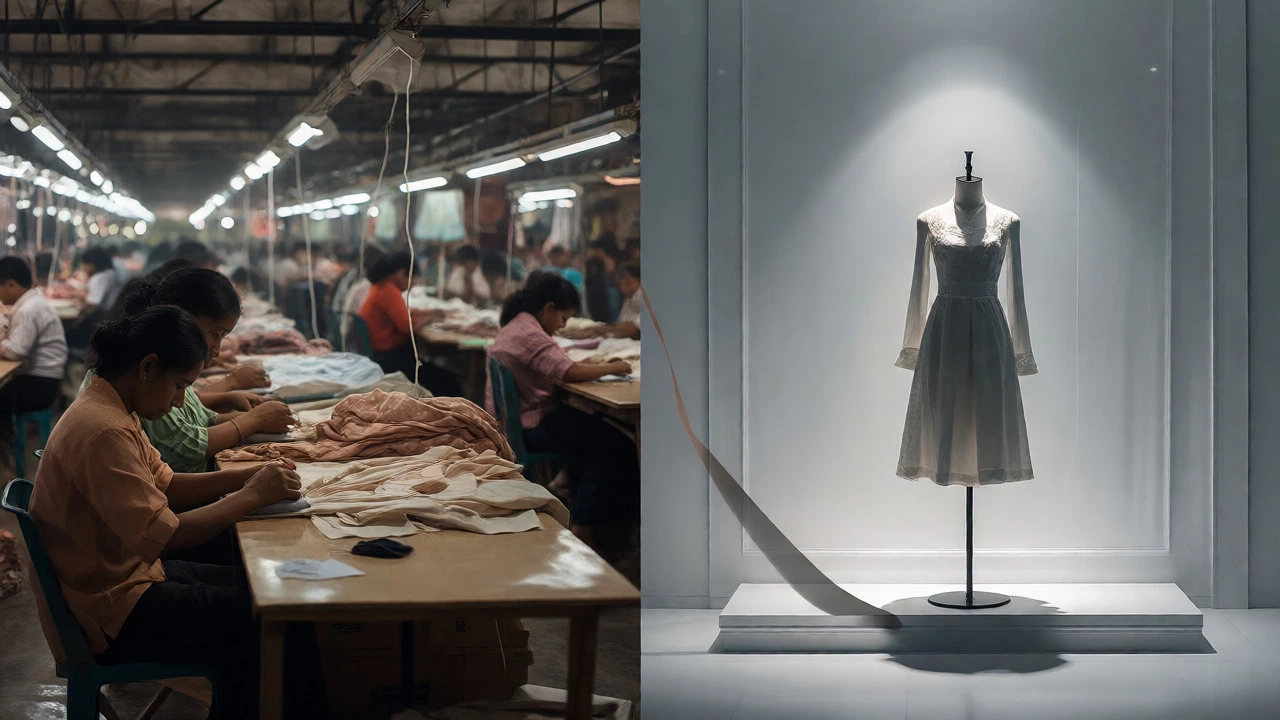
Eco-friendly isn’t just about trees and oceans; it’s about people too. True sustainability includes social equity. H&M sources much of its production from countries like Bangladesh, Vietnam, and Cambodia. While H&M publishes supplier lists and audits factories, the pressure to keep prices low often trickles down to workers.
In 2013, the Rana Plaza collapse in Bangladesh killed over 1,100 garment workers. Many brands signed safety agreements afterward, but the fundamental economic structure hasn’t changed enough. To sell a dress for $20, the labor cost must remain incredibly low. This often means overtime pay issues, unsafe working conditions, and wages below living standards. When you buy fast fashion, you’re subsidizing a system where human rights are compromised for convenience.
Compare this to brands that prioritize transparency. A truly ethical brand will tell you exactly who made your shirt, what they were paid, and under what conditions. H&M provides data, but it rarely changes the purchasing power dynamic. The brand holds all the leverage, and the factory owner, squeezed between H&M’s demands and rising local costs, cuts corners wherever possible.
The Recycling Myth
We love the idea of recycling. It makes us feel like we can consume without consequence. But in fashion, recycling is broken. Most clothes today are blends-polyester mixed with cotton, spandex added for stretch. Separating these fibers mechanically is difficult and energy-intensive. Chemical recycling exists but is expensive and not yet scalable to meet global demand.
H&M invests in recycling technology, yes. But they also produce such a vast quantity of non-recyclable items that their investment is like bailing water out of a sinking ship while drilling more holes in the hull. Until brands design for disassembly-meaning clothes made from single-material fibers that can be easily melted down and reused-the recycling bin is mostly a wishful thinking station.
Furthermore, the dyes used in fast fashion are often toxic. When these garments do break down in landfills, they leach chemicals into the soil and groundwater. This isn’t just an aesthetic problem; it’s a health hazard for communities living near landfill sites.
What Can You Actually Do?
So, should you banish H&M from your life forever? Maybe. Or maybe you just need to change how you shop there. Here’s a practical approach:
- Buy Second-Hand First: Before going to a new H&M, check Op Shops or platforms like Depop. Extending the life of existing clothes is the most sustainable act you can perform.
- Check the Fabric: Avoid polyester and acrylic. Look for 100% linen, hemp, or organic cotton. If it’s a blend, ask yourself if you’ll really wear it ten times.
- The 30-Wear Test: Will you wear this item at least 30 times? If the answer is no, put it back. Fast fashion thrives on impulse buys that never leave the wardrobe.
- Care for Your Clothes: Wash less, wash cold, and air dry. This reduces microfiber shedding and extends garment life.
It’s easy to blame the corporation, and they deserve the scrutiny. But the power lies in the transaction. As long as millions of people treat clothing as disposable, companies like H&M will keep producing it. Shifting your mindset from "cheap and new" to "valued and lasting" is the real eco-friendly move.
Is H&M Conscious Collection actually sustainable?
It is a step in the right direction but not a solution. The Conscious Collection uses better materials like organic cotton or Tencel, but it represents a small percentage of H&M's total sales. The overall business model of rapid production and disposal still drives significant environmental harm.
Where do H&M recycled clothes go?
Most donated clothes are not recycled into new garments. They are typically resold in second-hand markets, downcycled into industrial rags or insulation, or exported to developing nations. Only a very small fraction undergoes true fiber-to-fiber recycling due to technical challenges with blended fabrics.
Why is polyester bad for the environment?
Polyester is derived from petroleum, a fossil fuel. Its production is energy-intensive and emits greenhouse gases. More critically, washing polyester clothes releases microplastics into waterways, which contaminate marine ecosystems and enter the food chain.
Are all fast fashion brands equally bad?
While most fast fashion brands share similar negative impacts regarding volume and waste, some are worse than others depending on their supply chain transparency and material choices. However, no major fast fashion brand is currently fully sustainable due to the inherent contradiction between rapid growth and ecological limits.
How can I verify if a brand is truly eco-friendly?
Look for third-party certifications like GOTS (Global Organic Textile Standard) or Fair Trade. Check if the brand publishes detailed sustainability reports with specific metrics on water usage, carbon emissions, and labor conditions. Be wary of vague terms like "eco" or "green" without supporting data.