Sustainable Fashion Cost Calculator
Understand the Real Cost of Your Clothes
Most clothing prices hide the true cost of production - water usage, labor conditions, and environmental damage. This calculator shows what you're really paying for with your wardrobe choices.
Every year, the world produces over 100 billion garments. That’s more than 13 items for every person on the planet. And most of them? Worn just a few times before being thrown away. This isn’t just about clothes-it’s about water, labor, chemicals, and a planet pushed to its limit. Sustainable fashion isn’t a trend. It’s a crisis hiding in plain sight.
Fast Fashion Is Built on Waste
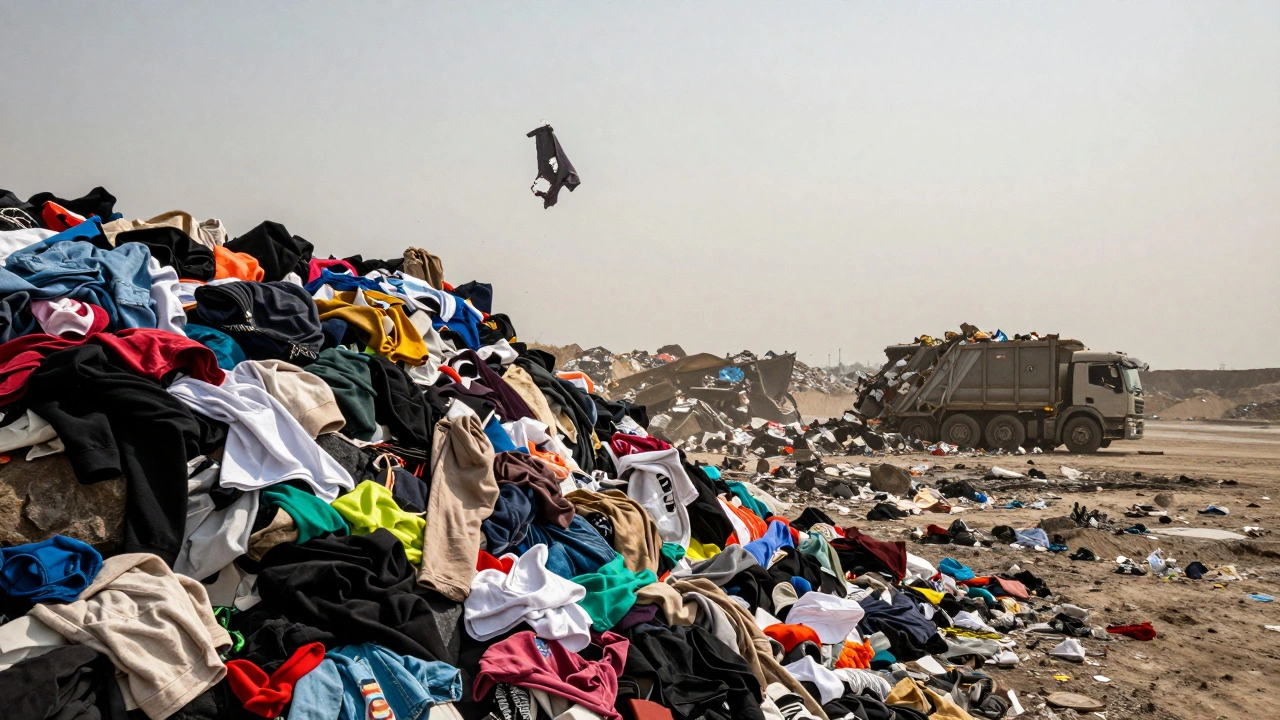
Think about the last time you bought a $10 t-shirt. It felt like a deal, right? But that low price doesn’t come from magic. It comes from cutting corners: low-wage workers, toxic dyes, and materials that break down after three washes. Brands like Zara, H&M, and Shein release new collections every week. They don’t just sell clothes-they sell disposability. The average person keeps a garment for just 7 months. After that, it’s donated, landfilled, or burned. In fact, 85% of all textiles end up in landfills each year. That’s one garbage truck full of clothes dumped every second.
The Hidden Cost of Cotton and Synthetic Fibers
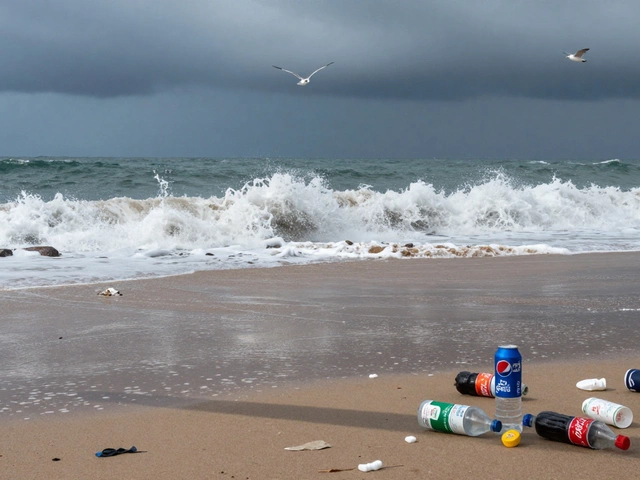
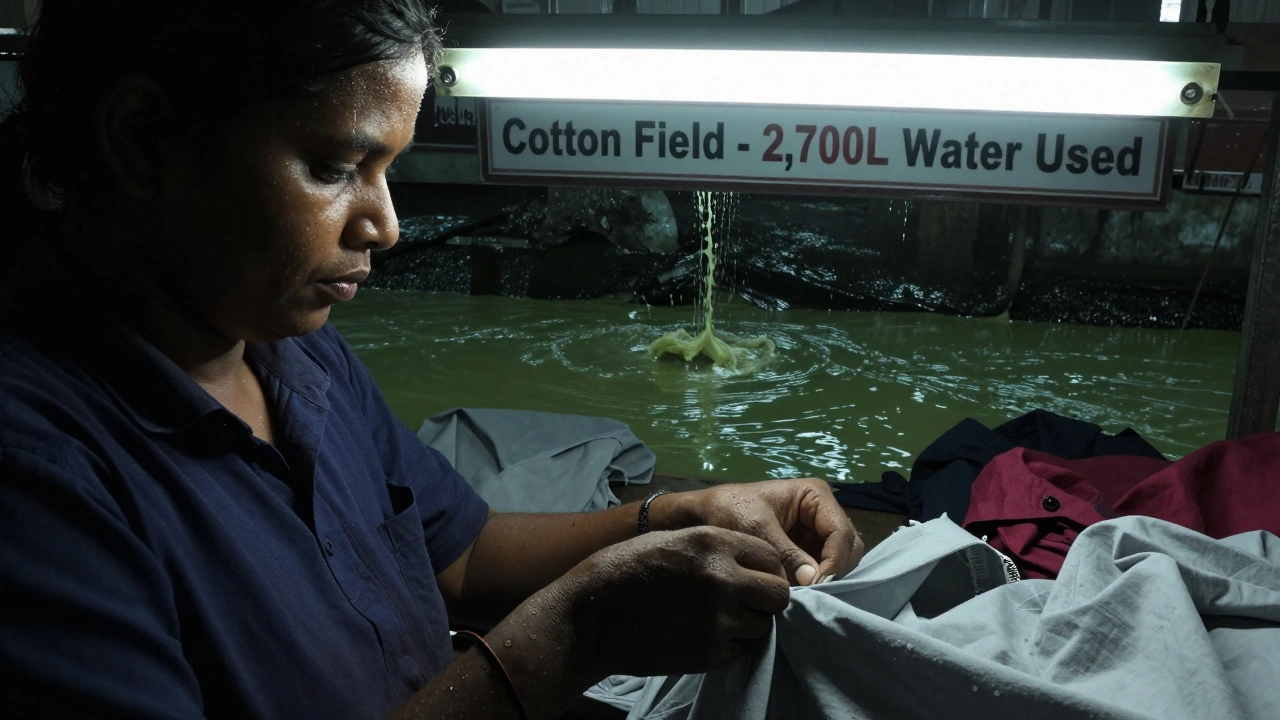
Cotton sounds natural, so it must be safe, right? Not even close. Growing one cotton t-shirt takes about 2,700 liters of water-that’s what one person drinks in 3 years. In places like Uzbekistan and India, entire rivers have been drained to irrigate cotton fields. And then there’s polyester. It’s made from plastic. Every time you wash a synthetic shirt, you shed thousands of microplastic fibers. These end up in oceans, fish, and even your salt. A 2023 study found microplastics in 94% of tap water samples across 14 countries. Synthetic fibers aren’t biodegradable. They last 200 years. And we’re making billions of them every year.
Who Pays the Price?
The people making your clothes rarely get a fair share. In Bangladesh, garment workers earn about $95 a month. That’s less than $4 a day. Many work 14-hour shifts in buildings with no fire exits. In 2013, the Rana Plaza collapse killed over 1,100 workers. It made headlines. Then, it faded. Five years later, similar conditions still exist. Brands promise ‘ethical sourcing’ but rarely audit beyond the first supplier. And when they do, they often pay for fake certifications. You can’t trust a label that says ‘eco-friendly’ if the factory behind it uses child labor and dumps dye into rivers.
Greenwashing Is Everywhere
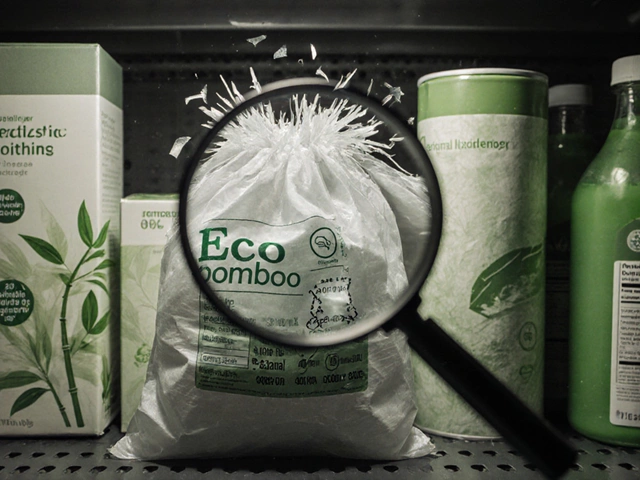
Look at the ads: ‘Our new line is 100% sustainable!’ But what does that even mean? A brand might use 5% organic cotton and call the whole collection ‘green.’ Or they might launch a recycling program while still producing millions of new items. H&M’s garment collecting initiative sounds noble-until you learn they’ve collected 57,000 tons of clothes since 2013 and recycled less than 1% of them. The rest? Sold in discount markets in Africa and Latin America. That floods local economies with used clothes, killing local textile industries. Greenwashing isn’t a mistake. It’s a strategy. And it’s working.
Recycling Doesn’t Fix This
You’ve probably seen those bins labeled ‘Textile Recycling.’ They look promising. But here’s the truth: less than 1% of clothing is recycled into new garments. Why? Because mixing fibers-like polyester and cotton-is technically impossible with current technology. You can’t untangle them. So most ‘recycled’ textiles get downcycled into insulation, rags, or car parts. And even then, only a tiny fraction makes it there. The rest? Shipped overseas. The myth that recycling will save fashion is keeping people from changing their habits. It’s a distraction.
It’s Not Just About Buying Less
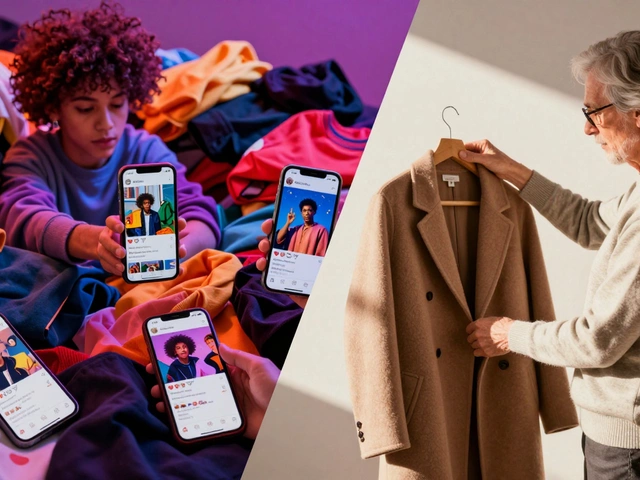
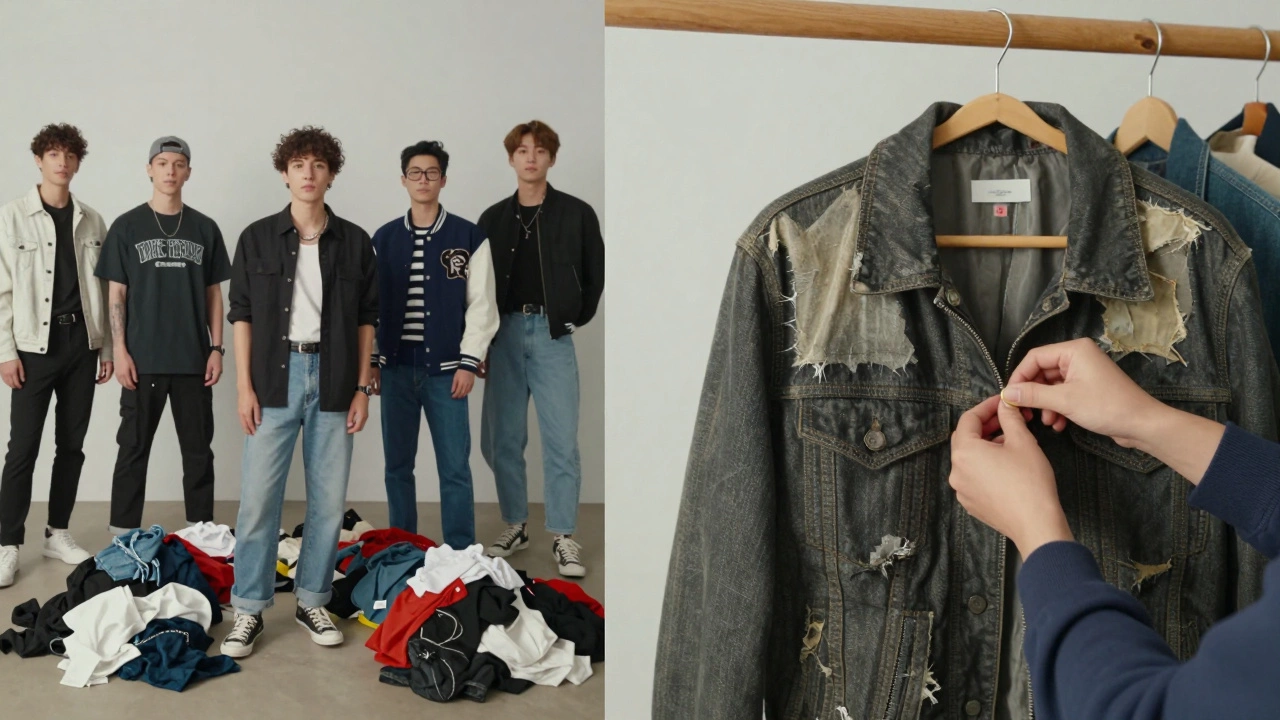
Yes, buying less helps. But the problem goes deeper. The fashion industry is built on constant growth. It needs you to feel like your wardrobe is outdated. It needs you to buy more, even when you don’t need it. And it’s not just big brands. Social media fuels it. TikTok trends push ‘10 outfits in 10 days.’ Influencers wear the same item once and toss it. The pressure to keep up is psychological, not practical. Real change means rethinking value. It means valuing durability over novelty. Repair over replacement. Ownership over obsession.
What’s Being Done? And Is It Enough?
Some brands are trying. Patagonia repairs jackets. Eileen Fisher buys back old clothes. Stella McCartney uses mushroom leather. But these are exceptions, not the rule. Governments are starting to act. The EU passed a law in 2025 requiring brands to pay for textile waste collection and recycling. Australia is following with a similar plan. But enforcement is weak. And without global standards, brands just move production to countries with no rules. Change won’t come from one ethical brand. It’ll come from systemic pressure-from consumers, from policy, from real accountability.
Where Do We Go From Here?
Sustainable fashion isn’t about buying a single ‘eco’ dress. It’s about shifting how we think about clothes. Start by asking: Do I really need this? How many times will I wear it? Who made it? Where will it go when I’m done? Support brands that publish their supply chains. Buy secondhand. Mend what you can. Let go of the idea that fashion has to be cheap. A $100 jacket that lasts 10 years costs less than five $20 jackets that fall apart. And if you’re wondering if your choices matter? They do. Every time you choose quality over quantity, you’re voting against the system. The issue isn’t that we don’t know how to fix it. It’s that we’ve been told we don’t have to.
Is sustainable fashion more expensive?
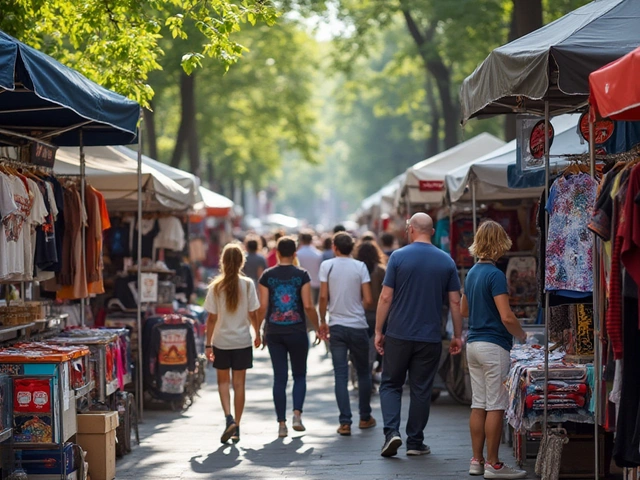
It can be, but not always. Fast fashion looks cheap because it hides costs-worker exploitation, environmental damage, and waste. A $50 sustainable shirt might cost more upfront, but if it lasts 5 years and you wear it 100 times, it’s cheaper per wear than a $15 shirt you toss after 3 uses. Secondhand shopping, swapping clothes, and renting outfits are affordable alternatives that don’t require spending more.
Can I still shop fast fashion if I donate my old clothes?
Donating doesn’t cancel out the damage. Most donated clothes don’t get reused. Over 60% end up in landfills or are shipped overseas, where they overwhelm local markets and destroy small textile businesses. Even if your donation goes to a charity, it doesn’t stop the system that made those clothes in the first place. The best move is to buy less and choose better.
What’s the biggest myth about sustainable fashion?
That recycling will solve it. Recycling textiles is incredibly hard because most clothes are made from blended fibers. Less than 1% are turned into new clothing. The rest becomes insulation, rags, or ends up in landfills. Relying on recycling lets brands off the hook. Real change means reducing production, not just managing the waste.
Do I have to stop buying new clothes entirely?
No. But you should rethink how often you buy. Focus on quality, durability, and transparency. Buy from brands that disclose their factories and pay fair wages. Consider renting for special occasions. Repair what you can. And when you do buy new, make sure it’s something you’ll wear for years-not just one season.
Why don’t more brands go sustainable?
Because it cuts into profits. Sustainable materials cost more. Fair wages mean higher production costs. Slower production cycles reduce sales volume. Fast fashion thrives on volume and speed. Switching to ethical practices means changing a business model that’s been profitable for decades. Until consumers demand transparency and stop rewarding cheapness, most brands won’t change.