
Mindfulness Impact Estimator
Your Practice Parameters
Enter your intended or current routine to see the projected benefits.
Projected Outcomes
Imagine sitting in a traffic jam on the M1 highway during rush hour. Your heart rate spikes, your jaw clenches, and you start rehearsing angry arguments with the driver who cut you off. Now, imagine feeling that same situation but noticing the tension in your shoulders without letting it hijack your entire mood. That gap between stimulus and response is where mindfulness lives. It isn't about emptying your mind or achieving a zen-like state of permanent calm. It is simply the practice of paying attention to the present moment on purpose, without judgment.
You might have heard mindfulness mentioned in passing as a trend for yoga enthusiasts or corporate retreats. But the science behind it has moved far beyond New Age clichés. Research from institutions like Harvard Medical School shows that consistent practice physically changes the brain structure, particularly in areas related to learning, memory, and emotion regulation. If you are wondering what actually gets better when you commit to this practice, the answer usually falls into three distinct categories: reduced stress reactivity, sharper cognitive focus, and improved emotional resilience.
1. Lowering Stress Reactivity and Cortisol Levels
The most immediate benefit people notice is a drop in perceived stress. But let's get specific about what that means biologically. When you face a threat-whether it's a looming deadline or an awkward social interaction-your body triggers the "fight or flight" response. This releases cortisol, the primary stress hormone. In short bursts, cortisol is helpful. It wakes you up. However, modern life keeps us in a low-grade state of chronic alertness. This constant drip-feed of cortisol leads to inflammation, sleep disturbances, and anxiety.
Mindfulness interrupts this cycle. By focusing on your breath or bodily sensations, you activate the parasympathetic nervous system-the "rest and digest" mode. A landmark study published in PLOS ONE found that participants in an eight-week mindfulness-based stress reduction (MBSR) program reported significant reductions in psychological distress compared to a control group. The key here isn't just feeling relaxed; it's changing how your body processes threats.
Think of it like a smoke alarm. Without mindfulness, every little puff of steam from your kettle sets off the siren. With practice, you learn to distinguish between actual fire and harmless steam. You still hear the alarm, but you don't panic. This shift reduces the physical wear and tear on your body. You might notice lower blood pressure, fewer headaches, or simply falling asleep faster because your mind isn't racing through tomorrow's to-do list at 2 AM.
- Physiological marker: Reduced baseline cortisol levels.
- Behavioral change: Less avoidance of stressful situations.
- Physical outcome: Improved sleep quality and immune function.
2. Sharpening Cognitive Focus and Attention Span
We live in an economy of distraction. Your phone buzzes, emails ping, and notifications demand your attention every few minutes. Over time, this fragments your ability to concentrate. You've probably experienced "brain fog," where you sit down to work and find yourself scrolling through social media ten minutes later without remembering how you got there. This is attention residue-the mental leftover from one task bleeding into the next.
Mindfulness acts as a workout for your attention muscle. Just as lifting weights strengthens your biceps, repeatedly bringing your wandering mind back to a single point of focus (like your breath) strengthens your prefrontal cortex. This part of the brain is responsible for executive functions: planning, decision-making, and sustained attention.
A study from the University of California, Santa Barbara, showed that just two weeks of meditation training improved working memory capacity and GRE verbal scores. The mechanism is simple: you become better at noticing when your mind has wandered. Instead of getting lost in thought for twenty minutes, you catch yourself after two seconds and return to the task. This efficiency saves hours over the course of a week.
In practical terms, this means you can read a book without checking your phone every page. You can listen to a colleague in a meeting without drafting your rebuttal in your head. You finish tasks faster because you aren't constantly context-switching. For students, professionals, or anyone trying to learn a new skill, this improved focus translates directly to better performance and less mental fatigue.
| Cognitive Area | Without Practice | With Regular Practice |
|---|---|---|
| Sustained Attention | Frequent drifting, easily distracted | Longer periods of deep focus |
| Working Memory | Forgetful under pressure | Better retention of complex information |
| Task Switching | High cost in time and energy | Quicker recovery after interruptions |
3. Enhancing Emotional Regulation and Resilience
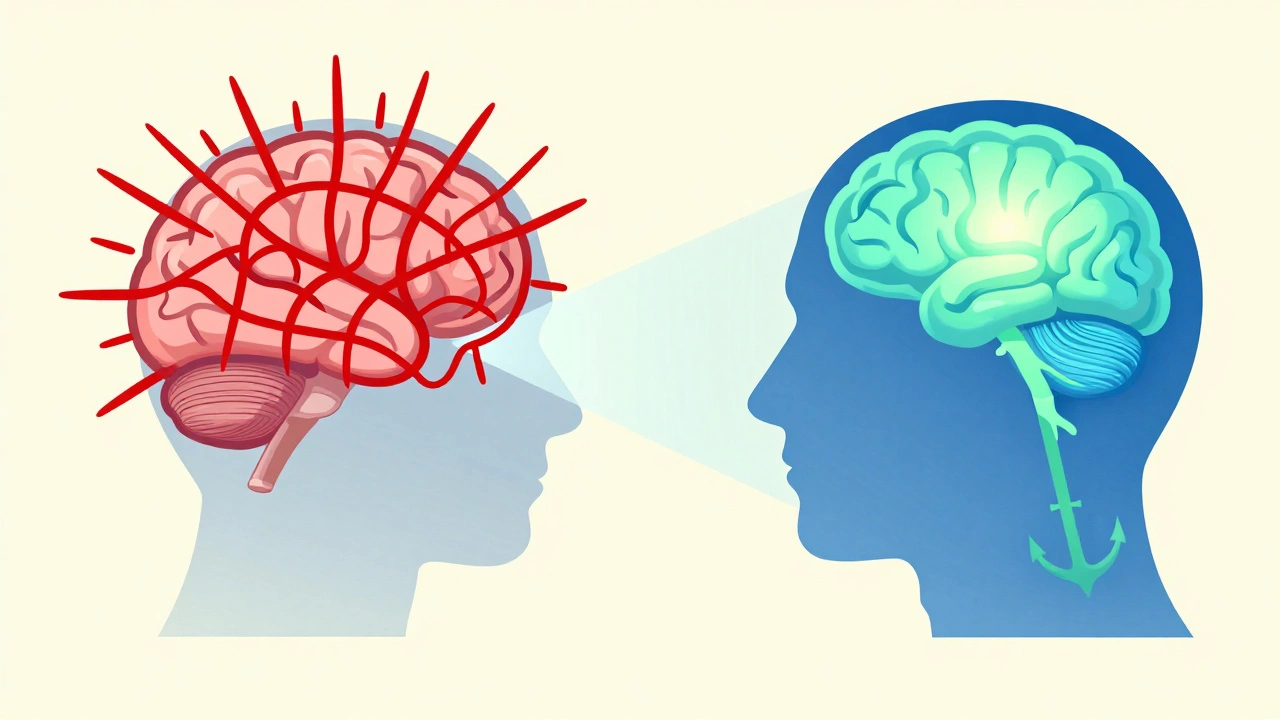
This third area is often the most transformative. Emotional regulation isn't about suppressing feelings or pretending everything is fine. It's about creating space between an emotion arising and your reaction to it. Many of us operate on autopilot: someone criticizes us, we feel hurt, we snap back angrily. Later, we regret it. Mindfulness breaks this chain.
When you practice observing your thoughts as mental events rather than absolute truths, you gain perspective. You realize that anger is just a sensation in the chest, a tightening in the throat. It passes. This detachment doesn't make you cold; it makes you responsive rather than reactive. You choose how to act based on your values, not your impulses.
Research indicates that mindfulness reduces activity in the amygdala, the brain's fear center, while strengthening connections to the prefrontal cortex. This neural rewiring helps you handle setbacks with greater grace. If you lose a job or end a relationship, you still feel pain, but you are less likely to spiral into despair or self-blame. You acknowledge the difficulty, breathe through it, and take constructive steps forward.
This resilience improves relationships too. When you are less triggered by minor annoyances, you listen better. You empathize more deeply because you aren't busy managing your own internal chaos. Partners, friends, and family members often report that those who practice mindfulness are calmer presences in their lives.

How to Start Practicing Mindfulness
You don't need expensive apps or a silent cabin in the woods to start. The barrier to entry is low, but consistency matters more than duration. Here is a realistic approach to building the habit:
- Start small: Commit to two minutes a day. Set a timer. Sit comfortably, close your eyes, and focus on the sensation of air entering your nostrils. When your mind wanders-and it will-gently bring it back. That moment of returning is the rep that builds strength.
- Anchor to existing habits: Link your practice to something you already do. Brush your teeth mindfully, feeling the bristles and taste of toothpaste. Drink your morning coffee slowly, noticing the warmth and aroma. This integrates mindfulness into daily life rather than treating it as a separate chore.
- Use guided resources: Apps like Headspace or Calm offer structured courses for beginners. Alternatively, free YouTube channels like "The Honest Guys" provide excellent guided meditations. Using these tools prevents you from getting stuck or frustrated early on.
- Practice informal mindfulness: Throughout the day, pause for three conscious breaths before answering an email or starting a car. This micro-practice reinforces the neural pathways built during formal sessions.
Be patient with yourself. Some days your mind will feel like a stormy sea; other days it will be calm. Both are valid experiences. The goal is not perfection but presence. Over weeks and months, you'll likely notice subtle shifts: less irritability, clearer thinking, and a deeper sense of well-being.
Common Misconceptions About Mindfulness
Before you begin, it helps to clear up some myths. First, mindfulness is not religious. While it has roots in Buddhist traditions, secular programs like MBSR strip away spiritual elements to focus on evidence-based techniques. Second, it is not about stopping thoughts. Thoughts are natural. The practice is about changing your relationship to them. Finally, mindfulness is not a cure-all. It complements therapy and medication but does not replace them for serious mental health conditions like clinical depression or PTSD.
If you struggle with trauma, consider working with a therapist trained in trauma-sensitive mindfulness. Standard practices can sometimes trigger difficult memories if not handled carefully. Professional guidance ensures you build safety before diving deep into introspection.
How long does it take to see results from mindfulness?
Many people report feeling calmer after just a few sessions. However, structural brain changes and significant improvements in stress management typically require consistent practice over 8 to 12 weeks. Think of it like fitness: you won't see muscle growth after one gym visit, but regular exercise yields visible results.
Can mindfulness help with anxiety disorders?
Yes, mindfulness-based cognitive therapy (MBCT) is clinically proven to reduce the risk of relapse in recurrent depression and alleviate symptoms of generalized anxiety disorder. It works by helping individuals disengage from repetitive negative thought patterns. Always consult a healthcare provider for diagnosed conditions.
Do I need to meditate to practice mindfulness?
No. Meditation is a formal practice that cultivates mindfulness, but you can also practice informally. Eating a meal slowly without distractions, walking while noticing each step, or listening fully to a friend are all forms of mindfulness. Formal meditation accelerates progress, but informal practice maintains it.
Is mindfulness suitable for children?
Absolutely. Schools increasingly incorporate mindfulness programs to improve student behavior and academic performance. For kids, activities like "listening walks" or breathing games make the concept accessible. It helps them develop emotional intelligence and impulse control from a young age.
What if I can't stop my mind from wandering?
Mind wandering is normal and expected. The "rep" happens when you notice the wandering and gently return your focus. If you never wander, you aren't practicing mindfulness; you're just sitting quietly. Embrace the distraction as part of the process, not a failure.