Millennial Minimalism Alignment Quiz
This tool helps you evaluate how closely your current habits align with modern millennial minimalism—focused on intentionality, sustainability, and mental clarity rather than just empty spaces.
Ready to Assess?
Answer the questions on the left to see your minimalist alignment score.
Your Minimalist Profile
Recommended Next Steps:
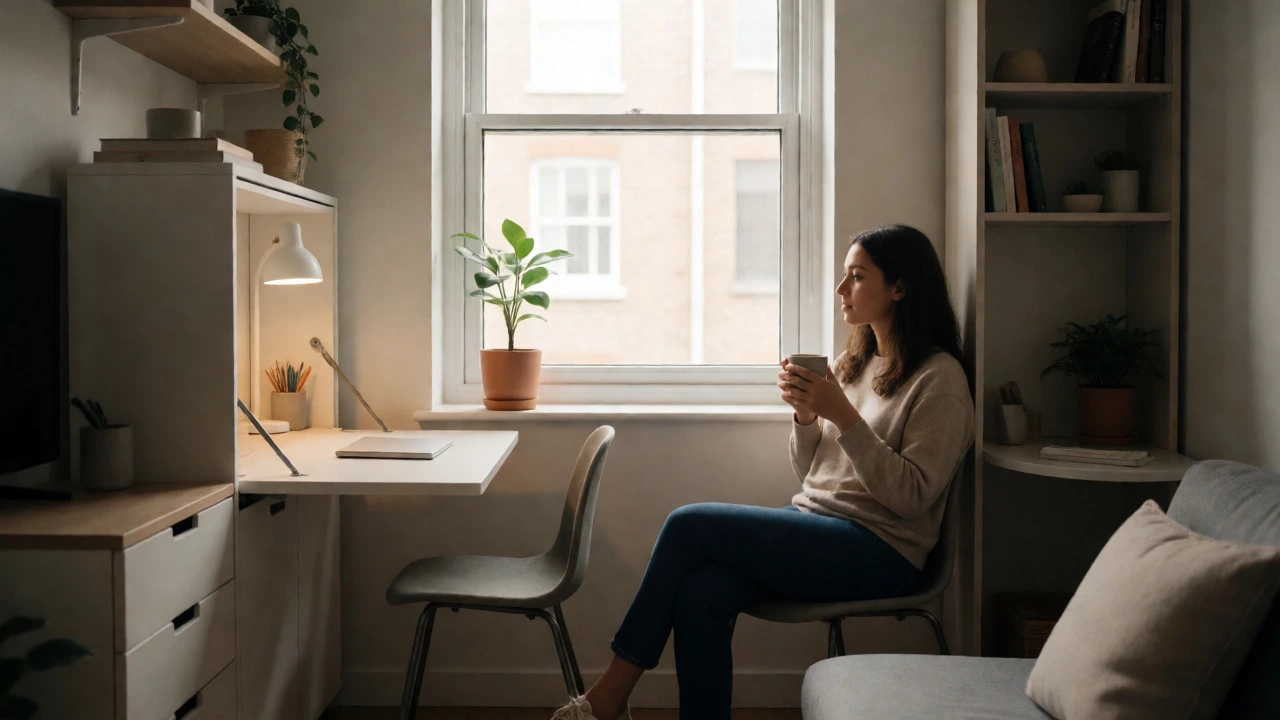
You’ve seen the Instagram feeds. White walls, a single plant, and someone sipping coffee in a room that looks like it hasn’t been lived in for years. It’s easy to assume Millennials are obsessed with minimalism, the lifestyle philosophy centered on owning fewer possessions to focus on what truly matters. But is this actually true, or just another aesthetic filter we slap on our lives?
The reality is messier-and more interesting-than the polished photos suggest. While many people born between 1981 and 1996 have embraced the core ideas of minimalism, they aren’t doing it for the same reasons as previous generations. For them, it’s less about empty spaces and more about financial survival, environmental guilt, and digital overload. Let’s unpack why this generation is drawn to having less, where they struggle, and how they’re redefining what "less" actually means.
Why Minimalism Appeals to This Generation
It’s no accident that minimalism surged in popularity during the late 2000s and early 2010s. That was when the global financial crisis hit hard. Many young adults watched their parents lose jobs or houses. They saw the fragility of debt-heavy lifestyles. So, when they entered the workforce, the idea of buying things just to fill a space felt risky. Instead, they prioritized experiences over objects.
This shift aligns perfectly with Minimalism’s core tenet: freedom from material burden. For millennials, who often face higher student loan debts and housing costs than their predecessors, every dollar saved on unnecessary purchases is a step toward stability. It’s not just a style choice; it’s a coping mechanism. When you can’t afford a big house, you learn to make do with a smaller one. When you can’t afford to save aggressively while paying off loans, you cut back on retail therapy.
There’s also the digital factor. This generation grew up alongside the internet’s explosion. They remember dial-up, but they live in a world of infinite scroll. The constant bombardment of ads and new product launches creates decision fatigue. Minimalism offers a counter-narrative. By reducing physical clutter, they try to reduce mental noise. It’s a way to reclaim control in a world that feels increasingly out of control.
The Digital Decluttering Paradox
Here’s where things get tricky. You might think a millennial who loves minimalism has a clean desktop and zero unread emails. In practice, many struggle with digital hoarding. We buy apps we never use, subscribe to streaming services we forget to cancel, and keep thousands of photos we’ll never look at again. This is the paradox of modern minimalism: we curate our physical spaces beautifully while drowning in digital junk.
Why does this happen? Because digital goods feel free. Deleting an app doesn’t hurt your wallet. Canceling a subscription requires effort. Keeping old files feels safe. So, while the living room might look sparse, the cloud storage is full. True minimalist living for this demographic isn’t just about throwing away clothes; it’s about auditing your digital life. Are you using that fitness tracker? Do you need three different note-taking apps? These questions matter just as much as whether you need a fourth pair of shoes.
Sustainability Drives the Movement More Than Aesthetics
If you ask a millennial why they own fewer things, "it looks nice" is rarely the first answer. "It’s better for the planet" usually comes first. This generation is acutely aware of climate change. They see fast fashion landfills and plastic waste in oceans. Owning less directly correlates with consuming less. And consuming less reduces your carbon footprint.
Sustainable Living practices, such as buying second-hand, repairing items instead of replacing them, and choosing durable goods, are deeply intertwined with minimalism for this group. They don’t just want a capsule wardrobe because it’s chic; they want it because it stops them from buying cheap, disposable clothing every season. This ethical stance makes their version of minimalism more practical and less performative than older interpretations. It’s not about asceticism; it’s about responsibility.
Consider the rise of resale platforms like Depop or Vinted. These apps thrive because millennials prefer circular economies. They buy used, wear it, then sell it on. This cycle keeps items in use longer, which is the ultimate minimalist goal: extending the life of an object rather than discarding it quickly.

Housing Costs Force Creative Minimalism
In cities like Melbourne, Sydney, London, or New York, square footage is expensive. Many millennials simply cannot afford large homes filled with extra furniture. This economic constraint accelerates minimalism. If you live in a studio apartment, you can’t have a massive sectional sofa and a separate dining table. You need multi-functional pieces. You need vertical storage. You need to be ruthless about what earns its place in your home.
This necessity breeds creativity. Instead of viewing small spaces as a limitation, many embrace them as a challenge. They design clever solutions, like ottomans with hidden storage or fold-down desks. This practical approach strips away the pretentiousness sometimes associated with minimalism. It becomes a tool for efficient living, not just a visual trend. The result is often cozier and more functional than the sterile white boxes seen in magazines.
How Millennial Minimalism Differs from Traditional Views
Traditional minimalism, often linked to figures like Marie Kondo or earlier monks, focused heavily on tidying and order. For millennials, the focus shifts slightly toward intentionality and values. It’s less about folding socks perfectly and more about asking, "Does this item add value to my life?" If the answer is no, it goes. But if it brings joy or utility, it stays-even if it’s colorful or sentimental.
This flexibility makes the movement more accessible. You don’t need to live in a beige void. You can love bright colors, vintage finds, or quirky art. As long as each item serves a purpose or holds genuine meaning, it fits the framework. This inclusivity helps sustain the trend beyond a fleeting fad. It adapts to individual personalities rather than forcing everyone into the same mold.
| Feature | Gen X / Boomers | Millennials |
|---|---|---|
| Primary Driver | Aesthetic preference or downsizing after retirement | Financial constraints, sustainability, and mental clarity |
| Attitude Toward Tech | Often viewed as necessary tools, kept separately | Integrated into lifestyle; digital decluttering is part of the process |
| Purchasing Habits | Focus on durability and brand loyalty | Focus on ethics, resale value, and experience-based spending |
| Living Space | Larger homes, dedicated rooms for hobbies | Smaller apartments, multi-functional spaces, shared living |

The Challenges They Face
Despite the appeal, sticking to minimalism isn’t easy. Social pressure plays a huge role. Gift-giving culture is still strong. Family members often express concern when they hear you’re "throwing things away." There’s a lingering stigma that having few possessions means you’re struggling financially, even if you choose it freely. Navigating these social expectations takes confidence.
Then there’s the cost of quality. Minimalism encourages buying fewer, better things. But high-quality items often come with high price tags. For a generation already squeezed by inflation, saving up for one great coat instead of five cheap ones requires patience and budgeting skills. It’s easier said than done when rent hikes eat into your savings.
Finally, the fear of missing out (FOMO) lingers. What if you donate a book and later wish you’d read it? What if you sell a piece of furniture and realize you needed it? This anxiety can paralyze decision-making. Overcoming it requires trust in your ability to adapt. Most people find that they rarely regret letting go of unused items, but the initial hesitation is real.
Practical Steps for Embracing Minimalism Today
If you’re curious about trying this lifestyle, start small. Don’t aim for perfection immediately. Here’s a simple roadmap:
- The One-In-One-Out Rule: For every new item you bring into your home, remove one similar item. This prevents accumulation without requiring a massive purge.
- Digital Audit: Unsubscribe from five newsletters today. Delete apps you haven’t opened in three months. See how much lighter your phone feels.
- Experience Budgeting: Allocate a portion of your monthly budget specifically for experiences-concerts, travel, classes-rather than goods. Notice if this satisfies you more than shopping.
- Second-Hand First: Before buying anything new, check local resale shops or online marketplaces. It saves money and reduces waste.
These steps aren’t about deprivation. They’re about alignment. When your surroundings match your values, life feels simpler. You spend less time cleaning, searching for lost items, or worrying about bills. That’s the real promise of minimalism, and it’s why so many millennials are embracing it, flaws and all.
Is minimalism only for rich people?
Not at all. While some minimalist aesthetics require expensive, high-quality furniture, the core practice is accessible to anyone. In fact, those with limited budgets often naturally adopt minimalist habits because they can’t afford excess. Buying second-hand and focusing on essentials makes it affordable for most income levels.
Do millennials hate having stuff?
No, they don’t hate stuff. They dislike *unnecessary* stuff. Most millennials enjoy collecting specific interests, like vinyl records, sneakers, or books. The key difference is intentional curation. They prefer a smaller number of items they truly love over a larger volume of items they merely tolerate.
How does minimalism help with mental health?
Clutter contributes to cognitive load and stress. By reducing visual noise, the brain processes information more easily. Many report feeling calmer and more focused in organized spaces. Additionally, spending less time maintaining possessions frees up time for rest and hobbies, which boosts overall well-being.
What is the biggest mistake beginners make?
Trying to do too much at once. Purging an entire house in a weekend often leads to burnout and buyer’s remorse. It’s better to tackle one drawer or shelf at a time. Sustainable change happens gradually, allowing you to adjust your habits slowly rather than shockingly.
Does minimalism mean I can’t have kids’ toys?
Absolutely not. Parenting inherently involves more stuff. However, many millennial parents apply minimalist principles by rotating toys, limiting duplicates, and involving children in the decluttering process. It teaches kids to value what they have and manage their belongings responsibly.