
5-Hour Rule Reading Planner
Your Parameters
Your Projected Results
Suggested Daily Schedule
Based on the article's recommendation to break time into chunks:
You have heard about the 5-hour rule is a productivity framework that suggests dedicating one hour every weekday to deliberate practice or learning. It gained popularity after studies showed that high-performing individuals like Bill Gates and Warren Buffett spend significant time reading and learning. The idea sounds simple: carve out five hours a week for growth. But when it comes to reading specifically, many people struggle to fit even thirty minutes into their busy schedules. You might wonder if this rule is realistic for someone working a full-time job with family commitments. The truth is, the 5-hour rule is not about perfection; it is about consistency. By breaking down your learning time into manageable chunks, you can transform how you consume information without burning out.
The Origins of the 5-Hour Rule
The concept traces back to research by Michael Simmons, who analyzed the habits of successful leaders throughout history. He noticed a common thread among figures like Benjamin Franklin, Leonardo da Vinci, and modern CEOs: they all prioritized daily learning. These individuals did not just read for fun; they engaged in what experts call deliberate practice, which is focused, intentional effort to improve specific skills through feedback and repetition. This approach differs from passive consumption because it requires active engagement with the material.
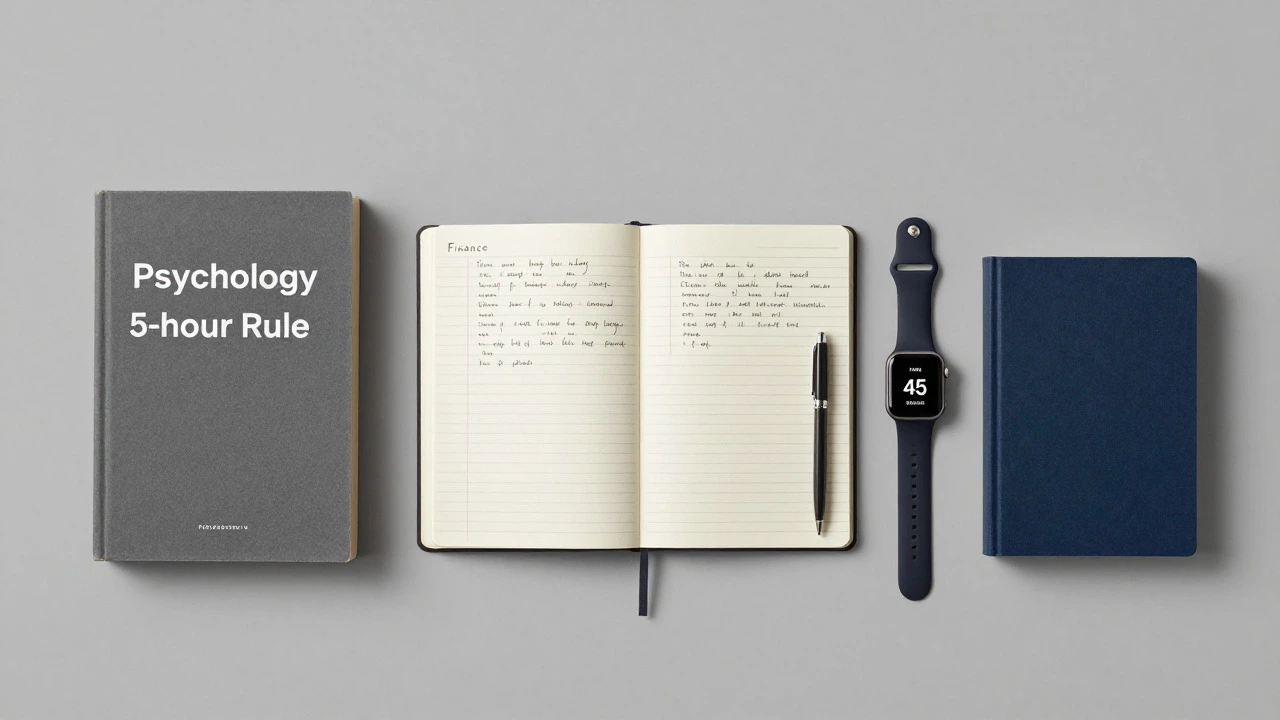
Warren Buffett famously spends up to eight hours a day reading newspapers and books. While most of us cannot match that volume, the principle remains the same. Reading provides a low-cost, high-return investment in your cognitive abilities. When you apply the 5-hour rule to reading, you are essentially committing to approximately forty-five minutes per day, five days a week. This amount of time is enough to finish several books a month if you choose shorter titles or focus on key takeaways rather than reading every single word.
How to Apply the Rule to Your Reading Routine
Implementing the 5-hour rule does not mean you need to find five consecutive hours. In fact, breaking your reading time into smaller segments often works better for retention. Here is a practical way to structure your week:
- Morning Micro-Sessions: Dedicate fifteen minutes before checking your phone. This prevents reactive stress and sets a positive tone for the day.
- Lunch Break Learning: Use part of your lunch break to read instead of scrolling through social media. Even ten minutes counts toward your weekly goal.
- Evening Wind-Down: Replace thirty minutes of television with reading. This helps reduce blue light exposure and improves sleep quality while reinforcing new knowledge.
Consistency matters more than intensity. If you miss a day, do not abandon the entire week. Just pick up where you left off. The brain thrives on regular stimulation, and spaced repetition enhances long-term memory retention. By integrating reading into existing routines, you remove the friction of finding "extra" time.
Choosing the Right Books for Deliberate Practice
Not all reading contributes equally to personal growth. To maximize the impact of your 5-hour rule, select books that align with your goals. Focus on non-fiction categories such as psychology, finance, leadership, and skill acquisition. Avoid getting stuck in endless fiction binges unless you are studying narrative structures or creative writing techniques.
Consider keeping a running list of recommended titles based on trusted sources. For example, business leaders often recommend classics like Thinking, Fast and Slow by Daniel Kahneman for understanding decision-making biases. Another valuable resource is Atomic Habits by James Clear, which offers actionable strategies for building consistent behaviors. These books provide frameworks you can immediately apply to your life, turning theory into practice.
| Category | Purpose | Example Title |
|---|---|---|
| Psychology | Understand human behavior | Influence by Robert Cialdini |
| Finance | Improve money management | The Psychology of Money by Morgan Housel |
| Productivity | Enhance work efficiency | Deep Work by Cal Newport |
| Biohacking | Optimize physical health | Why We Sleep by Matthew Walker |

Overcoming Common Obstacles
Many people fail to stick with the 5-hour rule because they underestimate the mental energy required. Reading demands focus, and distractions are everywhere. One effective strategy is to create a dedicated reading environment. Keep your books visible and accessible, but away from screens. If digital formats suit you better, use apps that block notifications during reading sessions.
Another hurdle is choosing between audiobooks and traditional text. Audiobooks allow you to multitask, such as listening while commuting or exercising. However, some argue that audio lacks the depth of engagement provided by visual reading. A balanced approach combines both methods. Use audiobooks for biographies or conversational styles, and reserve physical or e-books for dense technical material requiring note-taking.
If you feel overwhelmed by the volume of available content, set clear objectives. Ask yourself what problem you want to solve or what skill you wish to develop. Then seek out resources directly addressing those needs. This targeted approach ensures your reading time yields tangible results rather than vague generalizations.
Measuring Progress and Adjusting Goals
Tracking your progress keeps motivation high. Simple metrics include the number of pages read per session or the total books completed each month. More advanced learners maintain journals summarizing key insights from each chapter. Reflecting on these notes reinforces learning and identifies patterns across different texts.
As you become more comfortable with the routine, consider increasing your duration slightly. Perhaps extend your morning session to twenty minutes or add an extra weekend hour. Remember, the 5-hour rule serves as a baseline, not a ceiling. Tailor it to fit your evolving lifestyle and ambitions.
Is the 5-hour rule only for reading?
No, the 5-hour rule applies to any form of deliberate practice. While reading is a popular method, you could also dedicate time to coding, playing an instrument, or practicing public speaking. The core principle involves focused improvement rather than passive consumption.
Can I count audiobooks toward my 5-hour goal?
Yes, audiobooks qualify as long as you actively engage with the content. Listening attentively without multitasking too heavily ensures you absorb the information effectively. Combining audio with occasional note-taking enhances comprehension further.
What should I do if I miss a day?
Do not worry excessively about missing a single day. Consistency over weeks and months matters more than perfect daily adherence. Simply resume your routine the next day without guilt. Flexibility prevents burnout and sustains long-term commitment.
How many books can I expect to finish in a year?
Assuming average-length books of around 300 pages and reading speed of 200 words per minute, you might complete 24-36 books annually. Faster readers or those focusing on shorter titles may exceed this range significantly. Quality of insight matters more than quantity.
Does the 5-hour rule work for beginners?
Absolutely. Beginners benefit greatly from structured learning habits. Start with shorter sessions if needed, gradually building up to the recommended timeframe. Early adoption establishes neural pathways associated with discipline and curiosity, laying groundwork for lifelong success.