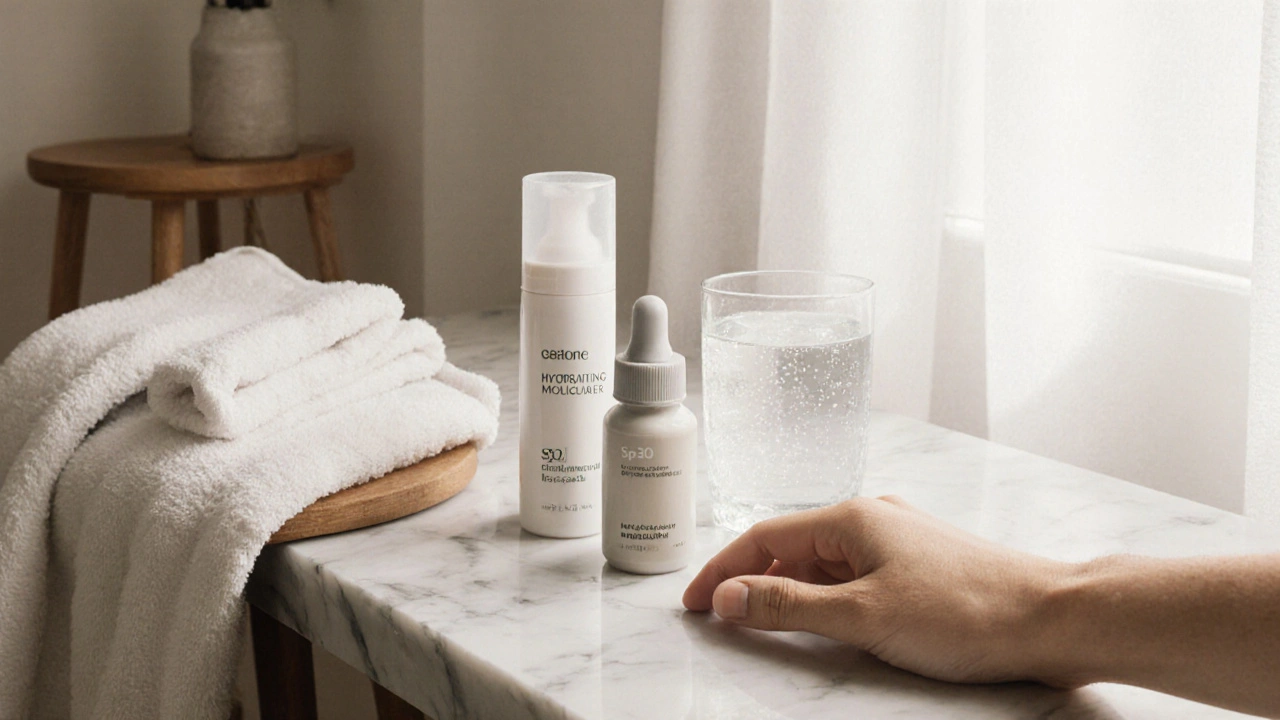
Getting crystal clear skin isn’t about spending hundreds on serums or following every viral trend. It’s about consistency, understanding your skin, and doing the basics right. If you’ve tried everything-expensive creams, DIY masks, overnight fixes-and still see breakouts, dullness, or redness, you’re not alone. Most people overcomplicate their routine. The truth? Clear skin comes from a few key habits done well, not from a dozen products layered on top of each other.
Start with Cleansing, But Don’t Overdo It
Your skin isn’t dirty because you didn’t wash hard enough. Over-cleansing strips natural oils, which tells your skin to produce even more oil. That’s why people with oily skin often get worse breakouts after using harsh scrubs or foaming cleansers. Stick to a gentle, pH-balanced cleanser twice a day-morning and night. Look for ingredients like ceramides, niacinamide, or glycerin. Avoid anything that leaves your skin feeling tight or squeaky clean.
Wash with lukewarm water. Hot water dries you out. Cold water doesn’t remove oil or makeup well. Use your fingers, not a washcloth or brush-those can irritate sensitive skin. If you wear sunscreen or makeup, double cleanse at night: first with an oil-based cleanser, then your regular one. This removes everything without stressing your barrier.
Hydration Isn’t Optional-It’s the Foundation
Dehydrated skin looks flaky, feels tight, and can trigger excess oil production. That’s why people with oily skin still need hydration. Water doesn’t magically fix your skin, but a good moisturizer does. Look for lightweight, non-comedogenic formulas with hyaluronic acid, squalane, or panthenol. Apply it right after cleansing while your skin is still slightly damp. That locks in moisture better than waiting until your skin dries completely.
Don’t skip moisturizer just because you have oily skin. Skipping it leads to rebound oiliness. Even acne-prone skin needs a barrier to protect against irritants and bacteria. A 2023 study in the Journal of Clinical and Aesthetic Dermatology found that people who used a daily moisturizer with ceramides saw a 40% reduction in acne flare-ups over 8 weeks, even without changing their other products.
Sunscreen Is Non-Negotiable
UV rays don’t just cause wrinkles-they darken acne scars, trigger melasma, and weaken your skin’s ability to heal. Skipping sunscreen is the #1 reason clear skin doesn’t stick around. You don’t need SPF 100. You need SPF 30 or higher, reapplied every 4 hours if you’re outside. For daily use, pick a lightweight, non-greasy formula labeled "non-comedogenic." Mineral sunscreens with zinc oxide or titanium dioxide work well for sensitive or acne-prone skin because they’re less likely to irritate.
Wear it every day, even when it’s cloudy. Up to 80% of UV rays penetrate cloud cover. If you’re indoors near a window, you’re still getting exposure. A 2024 review in British Journal of Dermatology confirmed that daily SPF use reduced post-acne hyperpigmentation by 65% in participants over 12 weeks.
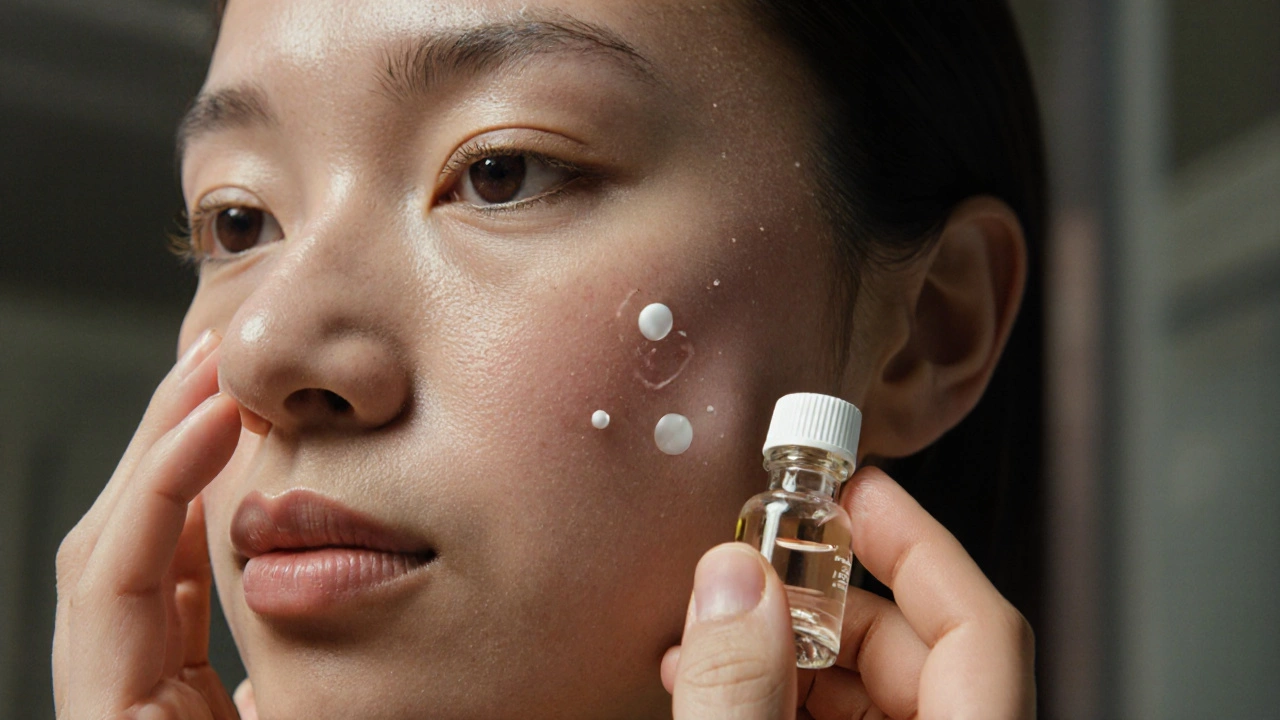
Target Trouble Spots With the Right Actives
Once your base routine is solid-cleanse, hydrate, protect-you can add targeted treatments. But don’t rush. Introduce one new product at a time. Wait at least two weeks before adding another. Too many actives at once = irritation, redness, peeling.
- Benzoyl peroxide (2.5%-5%): Kills acne bacteria. Start with a low concentration. Apply a thin layer to breakout areas only. It can bleach fabrics, so be careful with pillowcases.
- Salicylic acid (0.5%-2%): A beta hydroxy acid that unclogs pores. Great for blackheads and occasional pimples. Use 2-3 times a week if your skin tolerates it.
- Niacinamide (5%-10%): Reduces redness, controls oil, and strengthens your skin barrier. Works well with almost everything. Can be used morning and night.
- Retinoids (retinol or adapalene): The gold standard for long-term skin renewal. Adapalene (available over-the-counter in Australia) is gentler than prescription retinoids. Start with 0.1% every other night. Increase slowly. Avoid using with benzoyl peroxide at the same time-it can deactivate retinol.
Don’t use all of these at once. Pick one based on your biggest concern: breakouts? Try benzoyl peroxide. Clogged pores? Salicylic acid. Redness and uneven tone? Niacinamide. Want to prevent future breakouts? Start retinol after 4-6 weeks of stable skin.
Diet, Sleep, and Stress Matter More Than You Think
Skincare products only do so much. If you’re sleeping 5 hours a night, eating processed sugar daily, and stressed out from work, your skin will show it. High-glycemic foods (white bread, sugary drinks, pastries) spike insulin, which triggers oil production and inflammation. A 2025 meta-analysis in the Journal of the American Academy of Dermatology linked high-sugar diets to a 30% increase in acne severity.
Drink water-not because it "detoxes" your skin, but because dehydration makes pores look larger and skin look dull. Aim for 1.5-2 liters a day, more if you’re active or in dry climates like Melbourne’s winter.
Sleep is when your skin repairs itself. Lack of sleep raises cortisol, which increases oil and inflammation. Aim for 7-8 hours. Try to go to bed and wake up at the same time, even on weekends. Your skin thrives on rhythm.
Stress doesn’t cause acne, but it makes it worse. If you’re clenching your jaw, skipping workouts, or scrolling before bed, your skin feels it. Even 10 minutes of deep breathing or walking outside helps. Don’t underestimate the power of calm.

What Not to Do
Here’s what actually makes clear skin harder to achieve:
- Popping pimples-this pushes bacteria deeper, causes scarring, and spreads inflammation.
- Using alcohol-based toners-they dry you out and damage your barrier.
- Changing products every week-you won’t know what works or what’s causing irritation.
- Believing in "detox" masks or charcoal cleansers-they don’t pull toxins out of skin. That’s your liver’s job.
- Waiting for a miracle product-clear skin is a process, not a purchase.
Your 7-Day Clear Skin Starter Plan
Follow this simple plan for one week. No extra products needed unless you already have them.
- Day 1-2: Cleanse morning and night with gentle cleanser. Apply moisturizer. Use SPF 30+ in the morning.
- Day 3: Add niacinamide serum after cleansing, before moisturizer.
- Day 4: Apply a pea-sized amount of benzoyl peroxide to active breakouts only.
- Day 5: Skip actives. Just cleanse, moisturize, SPF.
- Day 6: Add salicylic acid toner or spot treatment 2-3 times this week (not every day).
- Day 7: Rest. No new products. Observe how your skin feels.
After this week, you’ll know what your skin responds to. If you see improvement, keep going. If you get redness or peeling, pause the actives and focus on hydration and sunscreen for a few days.
When to See a Dermatologist
Clear skin is possible for most people with consistency. But if after 12 weeks of following this routine you still have:
- Deep, painful cysts
- Scarring or dark spots that won’t fade
- Redness and itching that doesn’t improve
- Breakouts spreading to your chest or back
It’s time to see a dermatologist. They can prescribe treatments like oral antibiotics, spironolactone (for hormonal acne), or stronger retinoids. There’s no shame in professional help. Many people with clear skin today started with a dermatologist’s advice.
Clear skin isn’t about perfection. It’s about balance. It’s about showing up every day with simple, smart choices-not chasing trends. Your skin isn’t broken. It just needs the right support.
Can I get clear skin overnight?
No. Skin renews itself every 28-40 days. Any product claiming overnight results is either misleading or contains harsh ingredients that damage your barrier. Real progress takes weeks, not hours.
Do I need expensive skincare products?
No. Many affordable brands like CeraVe, The Ordinary, and La Roche-Posay offer effective, science-backed formulas. What matters is the active ingredients, not the price tag. A $12 niacinamide serum works just as well as a $60 one if the concentration and formulation are similar.
Why does my skin get worse before it gets better?
This is called skin purging. It happens when you start using actives like retinoids or salicylic acid-they speed up cell turnover, bringing clogged pores to the surface faster. Purging lasts 4-6 weeks and looks like small breakouts in areas you usually get them. If you get new breakouts in new areas, it’s a reaction, not purging. Stop the product.
Is acne caused by dirty skin?
No. Acne is caused by hormones, genetics, oil production, and bacteria trapped in pores. Over-washing or scrubbing too hard makes it worse by irritating the skin and triggering more oil. Clean skin doesn’t mean scrubbed raw.
Can diet really affect my skin?
Yes. High-sugar and high-dairy diets are linked to increased acne in multiple studies. Cutting back on soda, candy, and processed snacks helps. Eating more vegetables, healthy fats (like avocado and nuts), and drinking water supports skin healing. It’s not a cure, but it’s a powerful support system.