
Work-Life Balance & Task Prioritizer
Your Result
Add a New Task
Urgent & Important
No critical tasks
Not Urgent & Important
No growth tasks
Urgent & Not Important
No distractions
Neither Urgent nor Important
No waste
You check your email at 10 PM. You answer a Slack message during dinner. You spend Sunday night dreading Monday morning. If this sounds familiar, you aren’t lazy-you’re just operating in an era where "always on" is the default setting. The concept of work-life balance is the equilibrium between professional responsibilities and personal well-being has shifted dramatically since the pandemic. It’s no longer about splitting your day into two equal halves; it’s about integration, boundaries, and intentional energy management.
In 2026, with AI tools handling routine tasks and remote work becoming permanent for many, the lines between home and office have blurred beyond recognition. Without clear guardrails, work bleeds into every spare moment. But maintaining balance isn’t about working less-it’s about living more intentionally while still achieving your goals. Here is how you can reclaim your time, protect your sanity, and actually enjoy both your career and your life.
Redefining Balance in the Modern Workplace
First, let’s toss out the old myth that work-life balance means a perfect 50/50 split. That model fails because life isn’t static. Sometimes work demands 70% of your focus (launch week, quarterly reviews), and sometimes life takes precedence (family illness, vacation). The goal is dynamic equilibrium is a flexible state of adjustment where priorities shift based on current needs.
Think of it like walking. You don’t stand perfectly still; you constantly adjust your weight to keep moving forward without falling. Your job is to notice when you’re leaning too far into work and consciously shift back toward life. This requires self-awareness. Are you checking emails because they are urgent, or because you’re anxious? Are you staying late because there’s work to do, or because you feel guilty leaving?
The modern workplace often rewards visibility over productivity. Being the last one logged off doesn’t make you a hero; it makes you exhausted. True balance starts with changing your mindset from "how much time am I working" to "how effectively am I using my time."
Setting Digital Boundaries That Actually Stick
If you want to maintain good work-life balance, you must master your technology. In 2026, our devices are portals to our jobs. They sit on our nightstands, buzz in our pockets, and glow on our desks. Without boundaries, they control us.
Start with notification hygiene. Most apps send notifications designed to trigger dopamine hits, not inform you. Turn off non-essential alerts. Keep only calls and direct messages from critical contacts active. For everything else, batch-checking is your friend. Set specific times-say, 9 AM, 1 PM, and 4 PM-to review emails and project updates. Outside those windows, close the tabs.
Create physical separation if you work remotely. If your laptop lives on your dining table, your brain associates eating with stress. Buy a cheap lockbox or designate a drawer where your work device goes at 6 PM. Out of sight truly becomes out of mind. This simple act signals to your nervous system that the workday is over.
- The "No-Phone Bedroom" Rule: Charge your phone in the kitchen overnight. Buy a traditional alarm clock. This single change improves sleep quality and reduces morning anxiety.
- Auto-Responders: Use automatic replies that state your working hours clearly. "I receive this email on Tuesday, but I will respond during my business hours Wednesday-Friday." This sets expectations early.
- Calendar Blocking: Block out "focus time" and "break time" on your shared calendar. Treat these blocks as immovable meetings with yourself.
Mastering Time Management Techniques
Time management isn’t about squeezing more tasks into your day; it’s about prioritizing what matters. Many people suffer from "productivity guilt," feeling bad unless they are busy. But busyness is not the same as effectiveness.
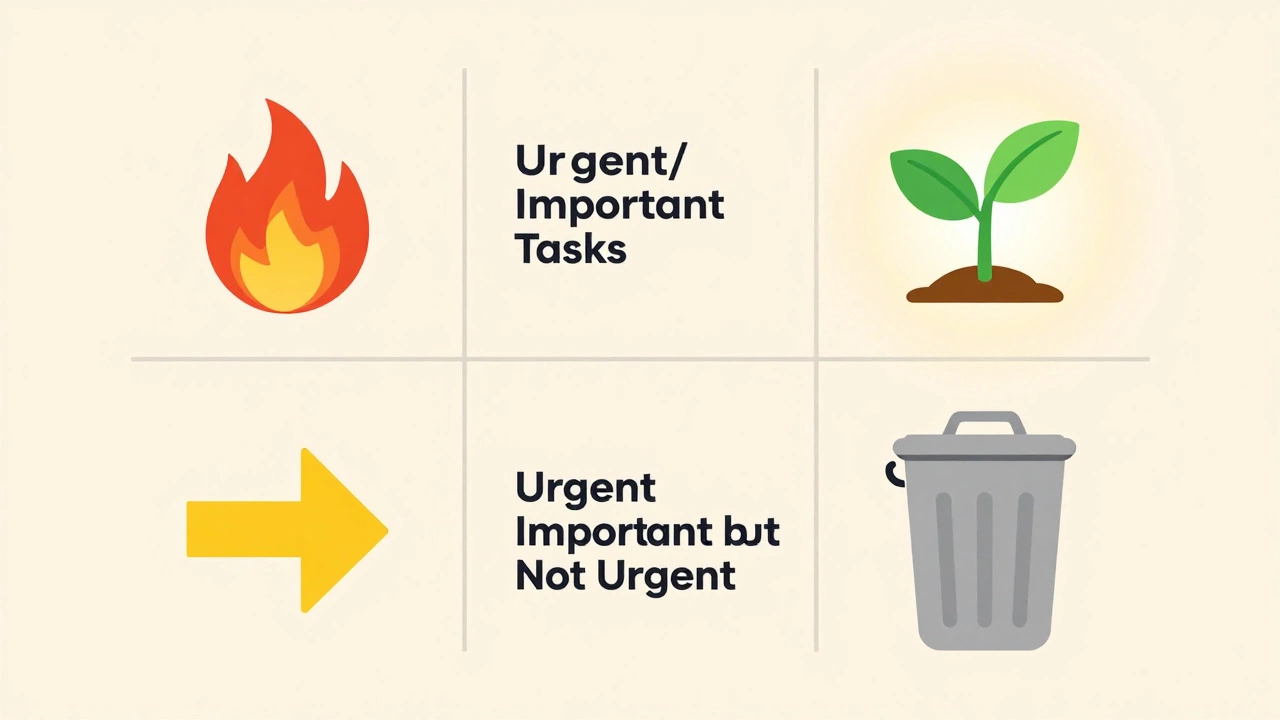
Try the Eisenhower Matrix is a decision-making tool that categorizes tasks by urgency and importance. Divide your tasks into four quadrants:
- Urgent and Important: Do these now (crises, deadlines).
- Important but Not Urgent: Schedule these (strategy, exercise, learning). This is where growth happens.
- Urgent but Not Important: Delegate these (interruptions, some emails).
- Neither Urgent nor Important: Delete these (mindless scrolling, excessive meetings).
Most burnout comes from spending too much time in Quadrant 3 (urgent but unimportant) and ignoring Quadrant 2 (important but not urgent). Protect your Quadrant 2 time fiercely. That’s when you plan, rest, and connect with loved ones.
Also, embrace the power of "no." Every time you say yes to a low-value task, you’re saying no to something high-value. Practice polite refusal: "I’d love to help, but my plate is full right now. Can we revisit this next quarter?" You’ll be surprised how rarely people push back.
Prioritizing Physical and Mental Health
Your body is the hardware that runs your software. If you neglect maintenance, the system crashes. Sleep, nutrition, and movement are not luxuries; they are performance enhancers.
Sleep deprivation destroys cognitive function. According to the National Sleep Foundation recommends 7-9 hours of sleep per night for adults, most professionals get far less. Prioritize sleep like a CEO prioritizes revenue. Create a wind-down routine: dim lights, read a book, avoid screens. Consistency is key-go to bed and wake up at the same time, even on weekends.
Movement breaks up sedentary patterns. You don’t need to run marathons. A 15-minute walk after lunch boosts afternoon energy and clears mental fog. Stretching at your desk prevents chronic pain. These small actions compound over time.
Mental health deserves equal attention. Chronic stress leads to burnout is a state of emotional, physical, and mental exhaustion caused by excessive and prolonged stress. Signs include cynicism, detachment, and reduced efficacy. If you feel numb rather than tired, seek support. Therapy, meditation, or simply talking to a trusted friend can reset your perspective.
| Aspect | Traditional Approach | Modern Approach (2026) |
|---|---|---|
| Goal | Equal time split (50/50) | Dynamic energy management |
| Boundaries | Physical office vs. home | Digital & temporal boundaries |
| Communication | Email only during hours | Async messaging with auto-replies |
| Success Metric | Hours worked | Output & well-being |
Navigating Remote and Hybrid Work Challenges
Remote work offers freedom, but it also removes natural structure. Without a commute to signal the start and end of the day, time slips away. To counter this, create artificial transitions.
Simulate a commute. Walk around the block before logging on. Listen to a podcast while making coffee. These rituals tell your brain, "Work mode is starting." When you finish, reverse the process. Change clothes, tidy your workspace, and step outside. These small cues reinforce the boundary between professional and personal time.
In hybrid settings, coordinate with your team. Establish core hours where everyone is available for collaboration, then allow flexibility for deep work. Avoid scheduling meetings back-to-back. Leave buffer time for breaks, reflection, and unexpected issues. Respect others’ time by keeping meetings concise and purposeful. If it can be an email, don’t make it a meeting.

Building a Supportive Environment
You can’t maintain work-life balance alone. Your environment shapes your behavior. Talk to your manager about your needs. Most leaders prefer proactive communication over silent resentment. Say, "I’m committed to delivering high-quality work, and I find I’m most effective when I disconnect after 6 PM. I’ll ensure all urgent matters are covered before then."
Involve your household. If you live with family or roommates, explain your working hours. Ask them to respect quiet time during focus blocks. In return, promise to be fully present during family time-no phones, no laptops.
Find accountability partners. Join a group focused on wellness or productivity. Share your goals and challenges. Knowing someone else is watching helps you stick to your commitments.
Recognizing and Recovering from Burnout
Even with the best plans, setbacks happen. Life gets chaotic. Deadlines pile up. If you feel overwhelmed, pause. Acknowledge your feelings without judgment. Then, take corrective action.
Start small. Cancel one non-essential commitment. Take a half-day off. Go for a long walk. Reconnect with hobbies that bring joy, not obligation. Remember, rest is productive. It replenishes your capacity to perform.
If burnout persists, consider professional help. Therapists specialize in coping strategies and stress management. Employers may offer Employee Assistance Programs (EAPs) with free counseling sessions. Use these resources-they’re part of your compensation package.
Practical Steps to Start Today
You don’t need to overhaul your life overnight. Small, consistent changes yield lasting results. Pick one strategy from this guide and implement it today.
- Audit your time: Track how you spend your day for three days. Identify time-wasters and opportunities for improvement.
- Set a hard stop: Choose a time each day when work ends. Stick to it.
- Schedule leisure: Put fun activities in your calendar. Treat them as important appointments.
- Practice mindfulness: Spend five minutes daily breathing deeply or meditating. Apps like Headspace or Calm can guide you.
- Review weekly: Every Sunday, assess your balance. What worked? What didn’t? Adjust accordingly.
Maintaining good work-life balance is a journey, not a destination. It requires vigilance, adaptability, and self-compassion. By setting clear boundaries, managing your time wisely, and prioritizing your health, you can thrive in both your career and your personal life. You deserve to succeed without sacrificing your well-being. Start today.
What is the most important factor in achieving work-life balance?
The most critical factor is setting clear boundaries. Without defined limits between work and personal time, work inevitably encroaches on life. This includes digital boundaries (turning off notifications), temporal boundaries (setting start and end times), and physical boundaries (separating workspaces). Boundaries protect your energy and ensure you have time for rest, relationships, and hobbies.
How can I maintain work-life balance while working remotely?
Remote workers need to create artificial structure. Establish a dedicated workspace, dress for work, and simulate a commute to signal the start and end of the day. Use calendar blocking to separate work and personal time. Communicate your availability clearly to colleagues and family. Regularly step away from your desk to stretch and move, preventing the blurring of lines between home and office.
Is it possible to have work-life balance in a high-pressure job?
Yes, but it requires intentional effort. High-pressure jobs demand more energy, so recovery must be prioritized. Negotiate realistic deadlines, delegate tasks when possible, and enforce strict offline hours. Focus on efficiency rather than hours worked. Ensure you have adequate sleep, nutrition, and exercise to sustain performance. Recognize that balance may look different during peak periods versus normal times.
What are the signs of poor work-life balance?
Common signs include chronic fatigue, irritability, difficulty concentrating, neglect of personal relationships, and loss of interest in hobbies. Physical symptoms like headaches, stomach issues, and weakened immune system may also appear. Emotional signs involve anxiety, depression, and feelings of being overwhelmed. If you consistently dread work or feel guilty when resting, your balance is likely off.
How does technology impact work-life balance?
Technology enables constant connectivity, which can erode boundaries. Smartphones and laptops allow work to follow you home, leading to extended hours and reduced downtime. However, technology can also support balance through automation tools, calendar apps, and communication platforms that facilitate async work. The key is mindful usage: controlling notifications, setting digital curfews, and using tech to enhance rather than dominate your life.
Can work-life balance improve productivity?
Absolutely. Rested, focused employees are more efficient and creative. Overworking leads to diminishing returns, errors, and burnout. By balancing work with adequate rest, exercise, and social connection, you recharge your mental and physical resources. This results in higher quality output, better decision-making, and sustained performance over the long term. Companies that support work-life balance often see lower turnover and higher engagement.
What role does communication play in work-life balance?
Clear communication with managers and colleagues sets expectations and reduces pressure. Discuss your working hours, availability, and workload openly. Use auto-responders to indicate when you’re offline. Encourage a culture where respecting boundaries is valued. At home, communicate your needs to family members to minimize interruptions during work hours. Mutual understanding fosters a supportive environment for everyone.
How often should I reassess my work-life balance?
Aim for a weekly check-in to evaluate your current state. Reflect on what worked, what didn’t, and any upcoming changes. Conduct a deeper monthly review to adjust strategies and address emerging issues. Seasonal assessments can help align your balance with broader life goals and changes. Regular reflection ensures you stay proactive rather than reactive, allowing you to make timely adjustments before problems escalate.