Meal Prep Safety & Quality Checker
Select the option that best describes how you handle each scenario during your weekly meal prep routine.
Your Score
Result Headline
Detailed feedback will appear here.
Personalized Tips for Improvement:
Imagine this: You spend your entire Sunday chopping vegetables, roasting chicken, and portioning out containers. You’re excited for a stress-free week ahead. Then, on Wednesday, you open the fridge. The rice is mushy, the salad is slimy, and the chicken tastes like it’s been sitting in a damp towel for days. It happens more often than you’d think.
The problem isn’t that you cooked badly. The problem is likely how you handled the food between the stove and your lunchbox. Meal prepping is the practice of preparing multiple meals or ingredients in advance to save time during the workweek. While it sounds simple, it requires specific techniques to keep food safe and tasty. If you ignore the science of cooling, storing, and reheating, you’ll end up wasting money and potentially making yourself sick.
I’ve seen too many people burn out because they made basic errors that could have been avoided with a few minutes of research. Here are the biggest things you should never do when meal prepping, based on food safety guidelines and practical kitchen experience.
Don't Put Hot Food Directly Into the Fridge
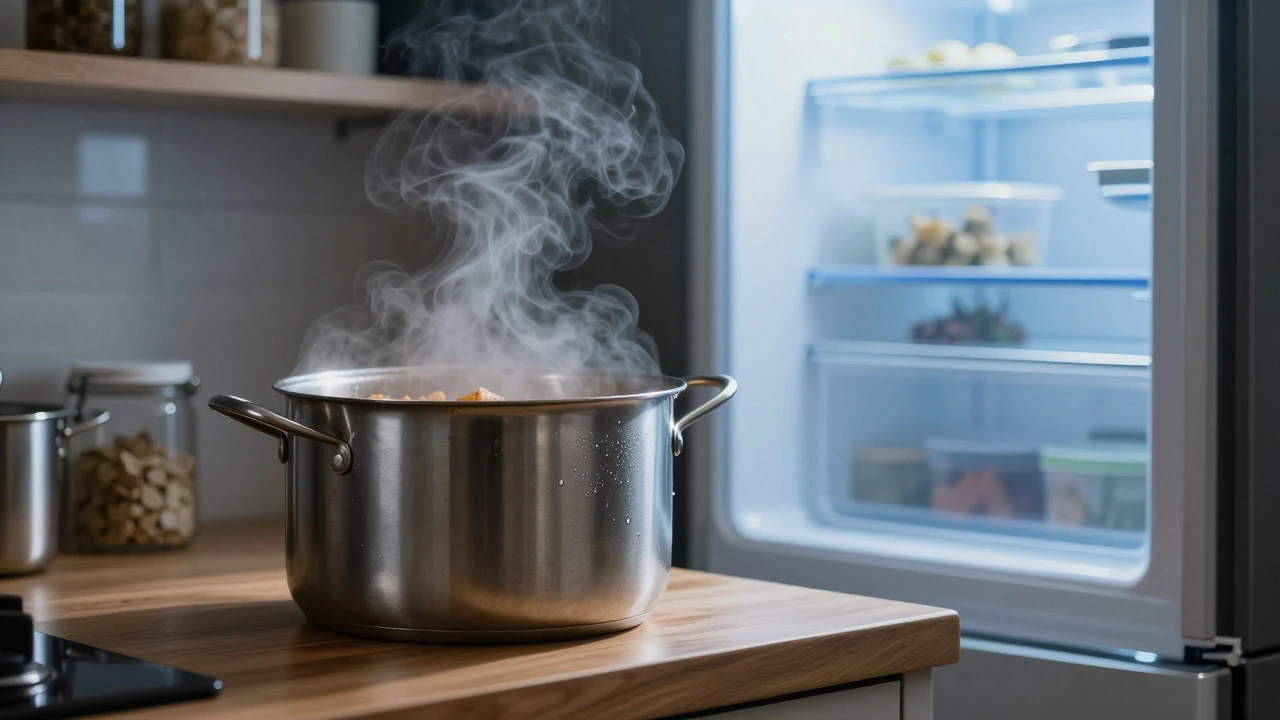
This is the most common myth in the kitchen. Many people believe that putting hot pots directly into the refrigerator raises the internal temperature of the fridge, endangering other foods. So, they let the food sit on the counter until it cools down completely.
Here is why this is dangerous. Bacteria multiply rapidly in the "danger zone," which is between 5°C (41°F) and 60°C (140°F). If you leave a large pot of soup or stew on the bench for hours, you are giving bacteria a warm buffet. According to food safety standards from organizations like the Australian Competition and Consumer Commission (ACCC), perishable food should not be left at room temperature for more than two hours.
Instead of waiting, use the shallow pan method. Transfer your hot food into shallow containers rather than one deep pot. This increases the surface area and allows heat to escape quickly. You can also place the container in an ice bath in your sink to speed up the process. Once the steam stops rising, pop it in the fridge. The modern refrigerator is designed to handle cold air circulation; it won’t break from a few warm dishes, but your stomach might break from food poisoning.
Avoid Mixing Moist and Dry Ingredients in One Container
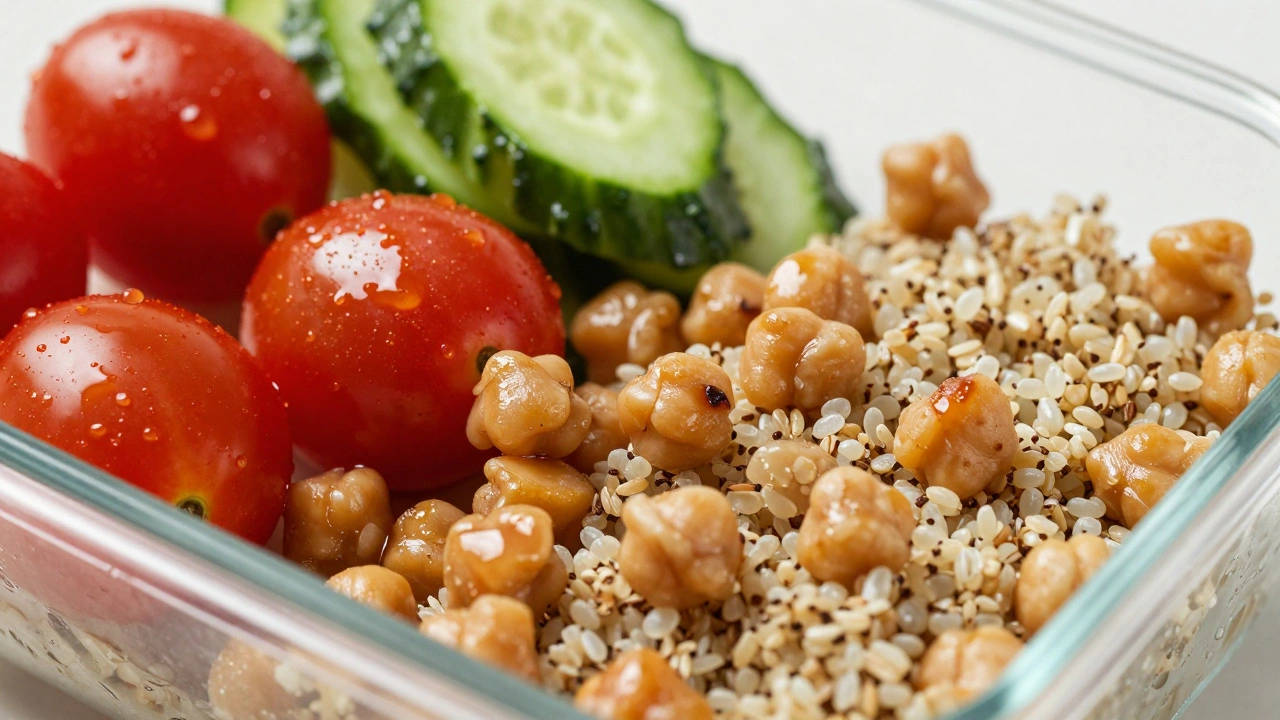
If you love salads, you probably know the pain of soggy lettuce. But this mistake goes beyond just greens. When you store wet ingredients-like tomatoes, cucumbers, or saucy meats-with dry ingredients-like crackers, bread, or roasted veggies-you create a moisture trap.
Moisture is the enemy of texture. Within 24 hours, the water from the wet ingredients migrates to the dry ones through condensation and direct contact. Your crunchy carrots become limp. Your toasted nuts go stale. Your sandwich bread turns into paste.
To fix this, separate your components. Use a container with compartments, or better yet, use a small jar for dressing or sauce and keep it separate until you’re ready to eat. For example, if you’re prepping a grain bowl, store the quinoa in one container and the pickled vegetables in another. Combine them only when you plate your meal. This simple step preserves the crunch and flavor profile you worked hard to create.
Never Underestimate the Importance of Airtight Seals
You might think any plastic tub will do, but cheap containers with loose lids are a recipe for disaster. An imperfect seal allows air to circulate around your food. Oxygen accelerates oxidation, which causes fats to go rancid and fruits to brown. It also leads to dehydration, resulting in freezer burn if you’re freezing your meals.
Furthermore, without a tight seal, odors travel. Have you ever opened a yogurt only to taste leftover curry? That’s cross-contamination via scent molecules moving through the fridge air. Using glass containers with silicone gaskets or high-quality BPA-free plastic with locking lids prevents this.
Glass is also superior because it doesn’t retain stains or smells like plastic does. Over time, plastic can harbor microscopic scratches where bacteria hide, even after washing. Investing in durable, airtight containers pays off by extending the shelf life of your prepped meals by several days.
Stop Labeling Containers with Just Dates
Writing "May 7" on a Tupperware lid is not enough information. A week later, you’ll pull out three identical-looking containers of brown liquid and wonder what they are. Is it beef stew? Lentil soup? Leftover marinara?
When you don’t know what’s inside, you’re less likely to eat it. This leads to food waste. Instead, label every container with the name of the dish and the date it was prepared. Use a permanent marker on masking tape or buy labels specifically designed for fridge use.
This practice helps you manage your inventory using the FIFO method: First In, First Out. You always eat the oldest food first, ensuring nothing spoils unnoticed. It also helps you track how long certain foods last. You might discover that your homemade hummus lasts five days, while your fresh salsa only lasts two. This data helps you plan future batches more accurately.
Don't Prep Perishables Beyond Their Shelf Life
Just because you *can* cook for seven days doesn’t mean you *should*. Different ingredients have different lifespans. Fresh herbs wilt within three days. Cooked fish loses quality and safety after two days. Raw chicken stored in the fridge is good for only one to two days before cooking.
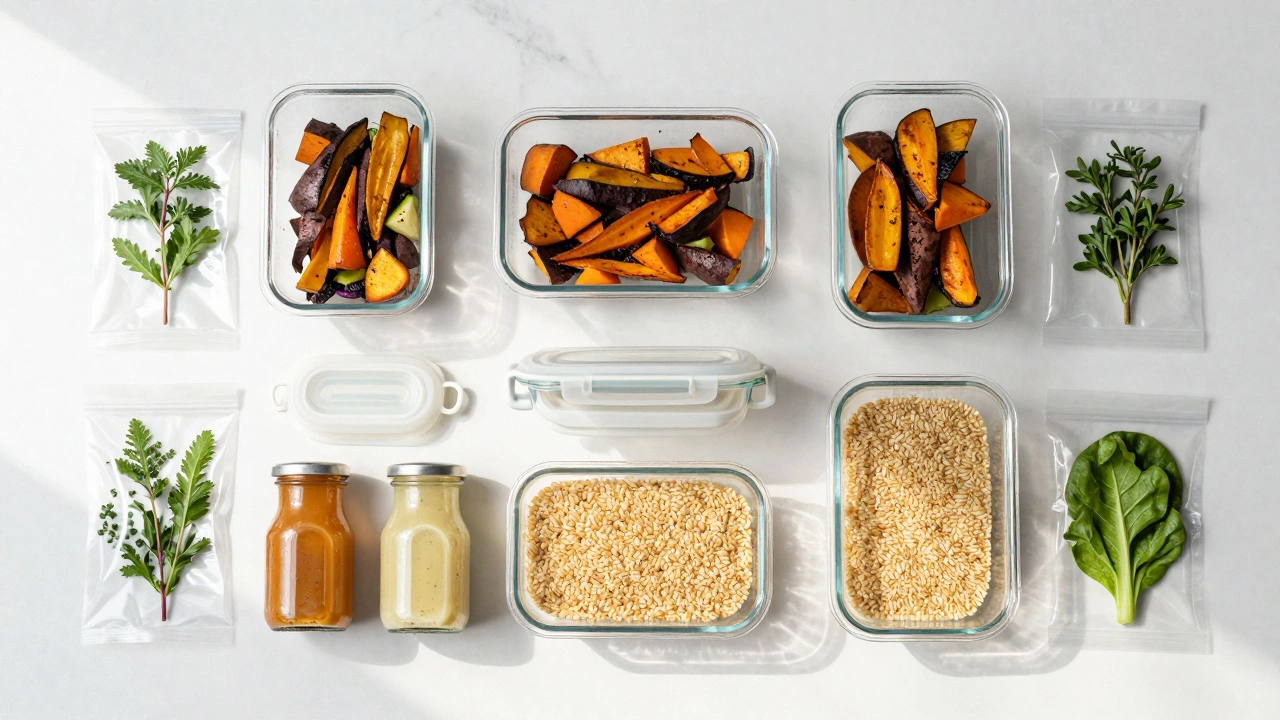
If you try to prep a full week of meals involving fresh seafood or delicate greens, you’re setting yourself up for failure. By day four, those items will be unsafe or unappetizing. Instead, adopt a hybrid approach. Prep hardy ingredients like roasted root vegetables, grains, and cured meats for the whole week. Keep fresh items like leafy greens, berries, and soft cheeses in their original packaging and add them to your meals daily.
This strategy reduces waste and ensures you’re eating food at its peak freshness. It also makes meal prep feel less like a chore and more like a flexible system that works with you, not against you.
Avoid Reheating Food Multiple Times
It’s tempting to reheat a large portion of lasagna, eat half, put it back in the fridge, and then reheat the rest the next day. However, each time you heat and cool food, you pass it through the bacterial danger zone. This cycle encourages the growth of pathogens that may not be killed by reheating alone.
Some bacteria produce toxins that are heat-stable, meaning microwaving them won’t destroy the risk. To stay safe, only reheat the amount you plan to eat immediately. If you need larger portions, consider dividing your meal into smaller individual servings before storing them. This way, each container is opened and heated only once.
Also, ensure your food reaches an internal temperature of 74°C (165°F) when reheating. Use a food thermometer to check, especially for dense items like casseroles or meatloaf. Cold spots in the center of thick foods can harbor surviving bacteria.
Don't Neglect Knife Skills and Prep Efficiency
While not a food safety issue, poor knife skills lead to uneven cooking and wasted effort. If you chop onions into varying sizes, some pieces will burn while others remain raw. This inconsistency ruins the texture and flavor of your prepped meals.
Taking time to sharpen your knives and learn basic cuts improves both safety and results. Dull knives require more force, increasing the risk of slipping and cutting yourself. Sharp knives glide through ingredients cleanly, preserving cell structure and reducing bruising in delicate produce like avocados or berries.
Efficient prep also means organizing your workspace before you start. Mise en place-a French culinary term meaning "everything in its place"-is crucial. Wash, peel, and chop all ingredients before turning on the stove. This keeps your workflow smooth and prevents burning food while you’re still searching for the next ingredient.
| Mistake | Consequence | Best Practice |
|---|---|---|
| Storing hot food in fridge | Bacterial growth, spoiled food | Cool in shallow pans, then refrigerate |
| Mixing wet/dry ingredients | Soggy texture, lost crunch | Store separately, combine at serving |
| Using loose lids | Oxidation, odor transfer, freezer burn | Use airtight glass or locking plastic containers |
| Unlabeled containers | Food waste, confusion | Label with dish name and preparation date |
| Prepping perishables for 7 days | Spoilage, health risks | Prep hardy items for 5-7 days, fresh items daily |
Related Concepts to Explore
Understanding these mistakes is just the beginning. To master meal prepping, you’ll want to explore related topics that support sustainable habits. For instance, learning about batch cooking techniques can help you scale recipes efficiently. Studying food preservation methods like pickling or freezing extends the life of seasonal produce. Additionally, exploring nutritional balance ensures your prepped meals meet your dietary goals without monotony.
Consider integrating zero-waste principles into your routine by using vegetable scraps for stock and repurposing leftovers creatively. These practices not only save money but also reduce environmental impact, aligning with broader sustainability goals.
How long can I safely store prepped meals in the fridge?
Most cooked meals are safe for 3-4 days in the refrigerator. However, delicate items like seafood or fresh salads should be consumed within 1-2 days. Always trust your senses-if it smells off or looks unusual, discard it.
Can I freeze meal prepped lunches?
Yes, many meals freeze well, including soups, stews, and baked goods. Avoid freezing high-water-content vegetables like cucumbers or lettuce, as they become mushy upon thawing. Use freezer-safe containers and leave space for expansion.
What is the best way to cool food quickly?
Transfer hot food to shallow containers to increase surface area. Place these containers in an ice bath in your sink, stirring occasionally. Once steam stops rising, cover and refrigerate promptly.
Why do my prepped vegetables get soggy?
Sogginess occurs when moisture from wet ingredients or condensation accumulates in sealed containers. Store dressings separately, avoid packing containers too tightly, and consider adding paper towels to absorb excess humidity.
Is it safe to reheat leftovers multiple times?
No, reheating food multiple times increases the risk of bacterial growth due to repeated passage through the danger zone. Only reheat the portion you intend to eat immediately, and ensure it reaches 74°C (165°F).