Smart Meal Prep Planner
Struggling with the same chicken and broccoli every day? Use this tool to generate varied combinations from your core ingredients. Select one option from each category to create a balanced, interesting meal.
Select options on the left
to see your custom meal idea.
Most people think meal prep means spending your entire Saturday in the kitchen chopping onions until your eyes water. But if you’ve ever tried that and quit by Tuesday, you know it’s not sustainable. The real secret isn’t about doing more; it’s about doing less, but smarter. Professional chefs and nutritionists don’t just cook five days’ worth of food at once. They use systems that save time, reduce waste, and keep meals tasting fresh.
This guide breaks down exactly how to build a meal prep routine that fits into your actual life, whether you have two hours on Sunday or just thirty minutes after work. We’ll cover the specific tools you need, the foods that hold up best in the fridge, and the simple formulas that prevent flavor fatigue.
Why Most Meal Prep Routines Fail
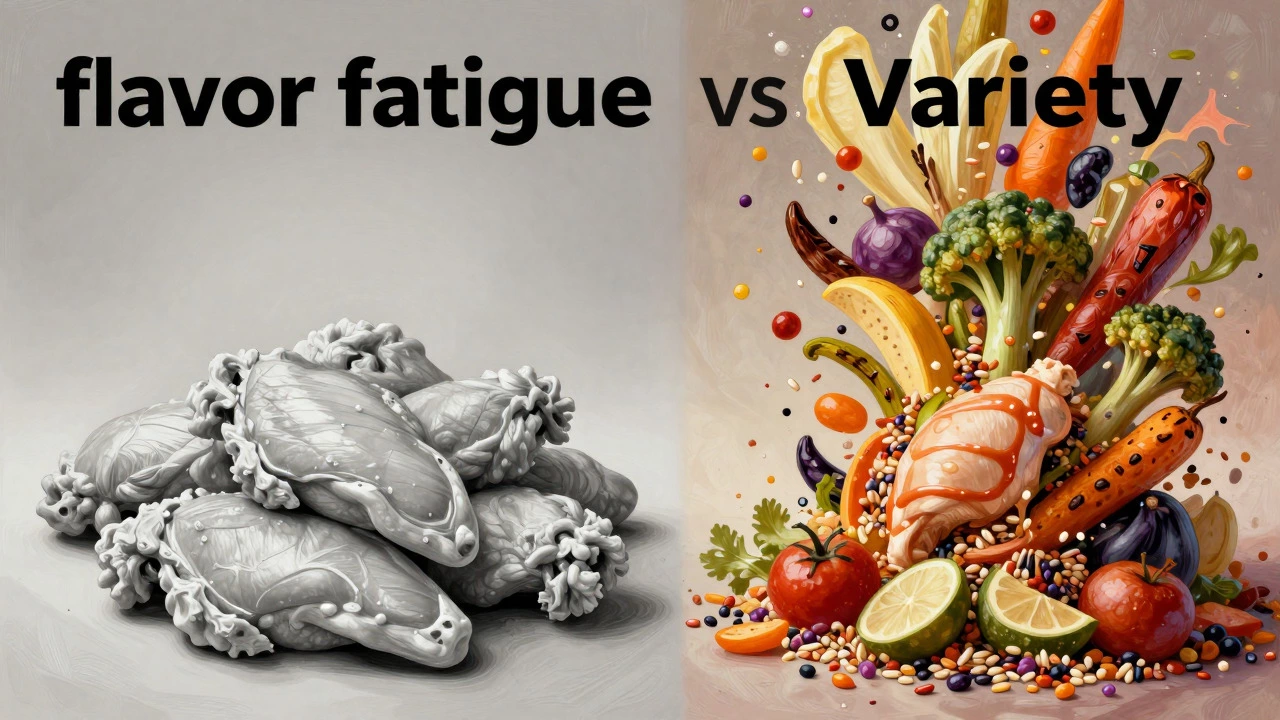
Before we jump into recipes, let’s look at why so many people give up. The biggest killer is monotony. If you eat the same chicken breast and broccoli every day, your brain starts resisting the food before you even open the container. This leads to skipping meals or ordering takeout, which defeats the purpose entirely.
The second issue is poor planning. Buying ingredients without a clear plan leads to spoiled produce sitting in the back of your fridge. When you throw away half a bag of spinach because you forgot it was there, the cost savings from meal prepping vanish quickly. To fix this, you need a strategy that focuses on variety and shelf life, not just volume.
The Core Components of a Smart System
A professional approach relies on three pillars: components, containers, and timing. Instead of preparing full plates, you prepare individual elements that can be mixed and matched. This is often called "component meal prep." It allows you to create different meals from the same base ingredients, keeping things interesting without extra cooking time.
Consider these core categories:
- Proteins: Cooked in bulk, they are versatile. Think grilled chicken thighs, lentils, tofu, or hard-boiled eggs.
- Carbohydrates: Rice, quinoa, or roasted potatoes. These reheat well and pair with almost any protein.
- Vegetables: Some are better raw (like lettuce or cucumbers), while others benefit from roasting (like zucchini or peppers).
- Sauces & Dressings: Keep these separate until serving to maintain texture.
By separating these, you avoid the dreaded soggy salad. You can mix a bowl of warm rice, cold cucumber slices, and hot chili sauce one day, then use the same ingredients to make a cold grain salad the next.
Choosing the Right Storage Solutions
Your containers matter more than you might think. Glass is generally preferred over plastic for several reasons. Plastic can retain odors, stain with turmeric or tomato sauce, and leach chemicals when microwaved repeatedly. Glass containers, specifically those designed for thermal shock, are safer and easier to clean.
Look for containers with tight-sealing lids to prevent leaks in your bag. Square or rectangular shapes are more efficient than round ones because they stack better and maximize space in standard refrigerators. If you’re buying new gear, aim for a set that includes various sizes: small for snacks or sides, medium for main courses, and large for soups or stews.
| Material | Microwave Safe | Dishwasher Safe | Weight | Cost |
|---|---|---|---|---|
| Glass (Borosilicate) | Yes | Yes | Heavy | Medium-High |
| Stainless Steel | No (usually) | Yes | Light-Medium | High |
| BPA-Free Plastic | Yes | Yes | Light | Low |
Mastering Batch Cooking Techniques
Batch cooking doesn’t mean cooking everything at once. It means cooking similar items together to streamline the process. For example, roast a whole tray of vegetables-carrots, sweet potatoes, and bell peppers-at the same temperature. They finish at roughly the same time, saving you from managing multiple pans.
Grains are another easy win. While your oven is running, start a pot of rice or quinoa. These grains absorb liquid and become fluffy as they cool, making them perfect for lunch bowls. Proteins like chicken thighs or beef strips can be marinated overnight and cooked in a single pan or sheet pan alongside the veggies.
Here is a simple workflow for a two-hour session:
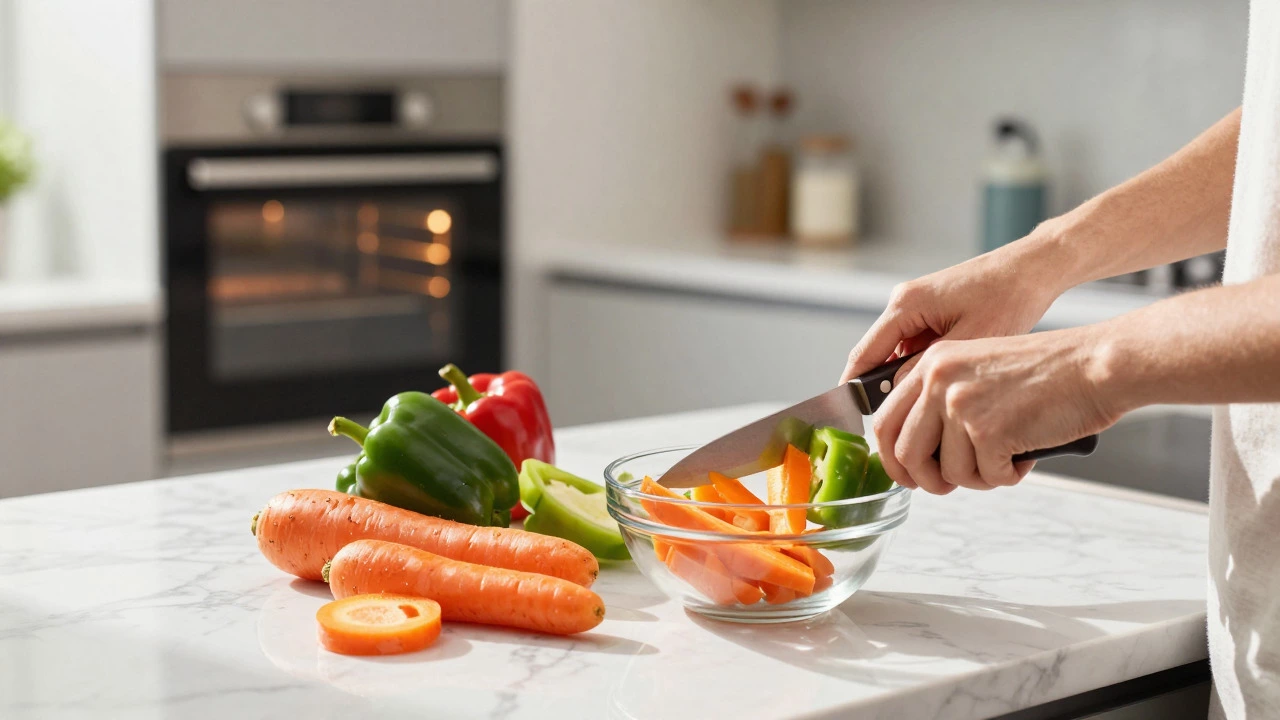
- Prep Produce: Wash and chop all vegetables first. This keeps your workspace organized.
- Start Grains: Put rice or beans in the slow cooker or rice cooker.
- Oven Roasting: Place vegetables and proteins on sheet pans in the oven.
- Cool & Pack: Let food cool slightly before packing to prevent condensation, which leads to spoilage.
Keeping Food Fresh and Safe
Food safety is non-negotiable. Bacteria thrive in the "danger zone" between 4°C and 60°C. When you cook large batches, the center of the food stays hot longer, creating a breeding ground for microbes if left out too long. Aim to pack food within 30 minutes of cooking finishing.
Labeling is your friend. Use masking tape or marker pens to write the date on each container. Most cooked meats last 3-4 days in the fridge, while grains and roasted vegetables can last up to 5 days. Soups and stews often improve in flavor after a day or two in the fridge.
If you want to extend your week further, consider freezing portions. Freeze individual servings in freezer-safe bags or containers. Thaw them in the fridge overnight before reheating. This gives you a backup plan for unexpected busy days.
Sample Weekly Plan for Beginners
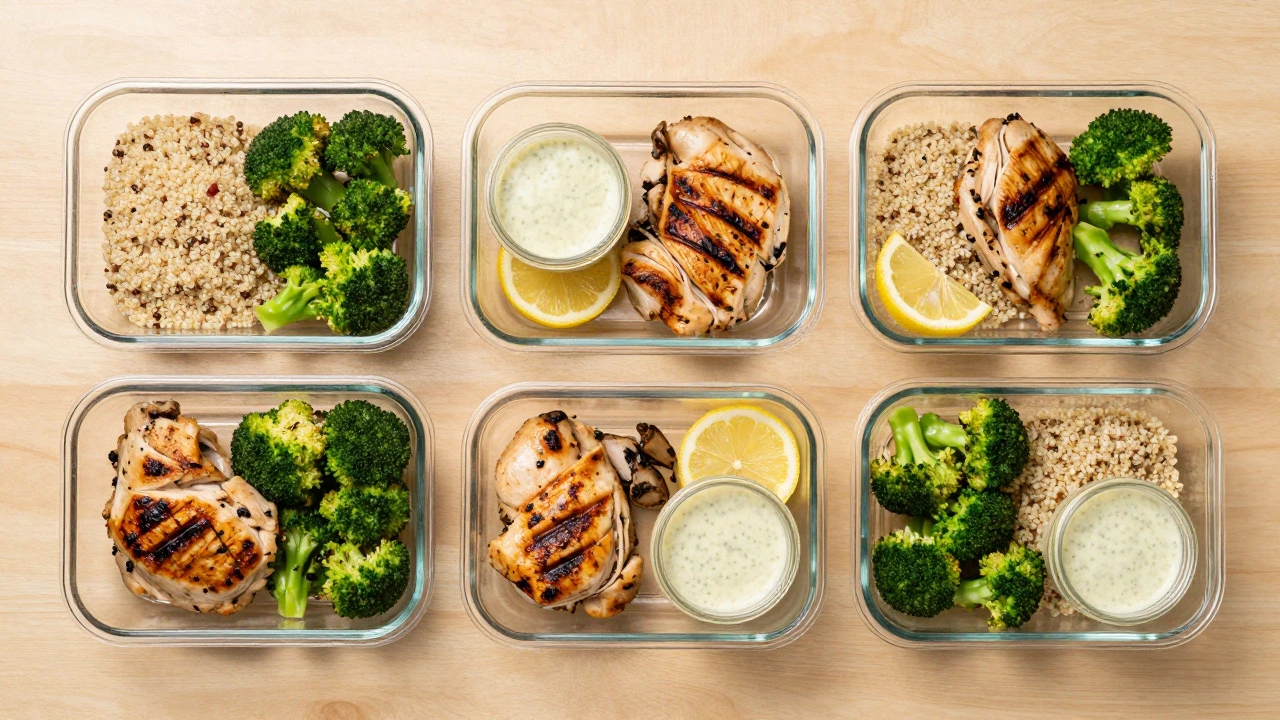
To get started, try this simplified plan that requires only one major cooking session on Sunday. Monday & Wednesday: Chicken, Quinoa, Roasted Broccoli, Lemon Herb Sauce. Tuesday & Thursday: Lentil Soup (made Sunday), Crusty Bread, Side Salad. Friday: Leftover soup or a quick stir-fry using leftover veggies and protein. This rotation ensures you aren’t eating the exact same thing five days in a row, but you’re still using the same core ingredients. It reduces grocery shopping stress and minimizes decision fatigue during the work week.
Common Mistakes to Avoid
Don’t overpack your fridge. Air circulation is crucial for maintaining consistent temperatures. Leave some space between containers. Also, avoid adding acidic dressings or wet ingredients to salads until the moment you eat them. Store greens separately in a container with a paper towel to absorb excess moisture.
Another common error is ignoring seasoning. Season your grains and proteins while they are cooking, not just when you serve them. This builds flavor depth throughout the dish rather than relying solely on a splash of soy sauce at the end.
How long does meal prepped food last?
Generally, cooked proteins and grains last 3 to 5 days in the refrigerator. Raw vegetables like lettuce may wilt faster, so store them separately. Frozen meals can last 2 to 3 months without significant quality loss.
What is the best way to reheat meal prepped food?
Microwaving is convenient, but adding a splash of water or covering the container with a damp paper towel helps prevent drying out. For crispy textures, use an air fryer or toaster oven instead of the microwave.
Can I meal prep vegetarian meals?
Absolutely. Beans, lentils, chickpeas, and tofu are excellent bases. They store well and provide high protein. Pair them with hearty grains like farro or bulgur and roasted vegetables for balanced meals.
How much should I budget for meal prep supplies?
A basic starter kit including glass containers, a few sharp knives, and cutting boards typically costs between $50 and $100 AUD. Investing in good quality tools upfront saves money in the long run by reducing replacement frequency.
What if I hate cooking?
Start small. Focus on prepping just two days’ worth of meals. Use ready-made bases like canned beans or pre-washed greens to reduce active cooking time. The goal is convenience, not becoming a chef.