Garden Growth Accelerator Calculator
Estimated Maturity Time
Configure your garden to see results
Recommended Actions:
- Enter details to generate specific tips.
There is nothing quite as frustrating as watching your neighbor’s tomatoes turn red while yours are still struggling to produce fruit. You water, you weed, you wait, but the progress feels painfully slow. If you have ever asked yourself how to speed up your garden, you are not alone. In Melbourne, where our weather can shift from scorching heat to sudden frosts in a matter of days, timing and technique are everything.
The good news? You do not need magic beans or expensive gadgets to get faster results. Most gardeners leave speed on the table because they focus on the wrong things. It is not about working harder; it is about working smarter with biology, physics, and a bit of local knowledge. Let us look at the practical steps that actually move the needle on growth rates.
Start With Soil That Actually Works
If your soil is compacted clay or sandy dust, no amount of watering will make plants grow fast. Plants need air, water, and nutrients all at once. When soil structure is poor, roots suffocate or dry out before they can feed the plant. This is the single biggest bottleneck in garden speed.
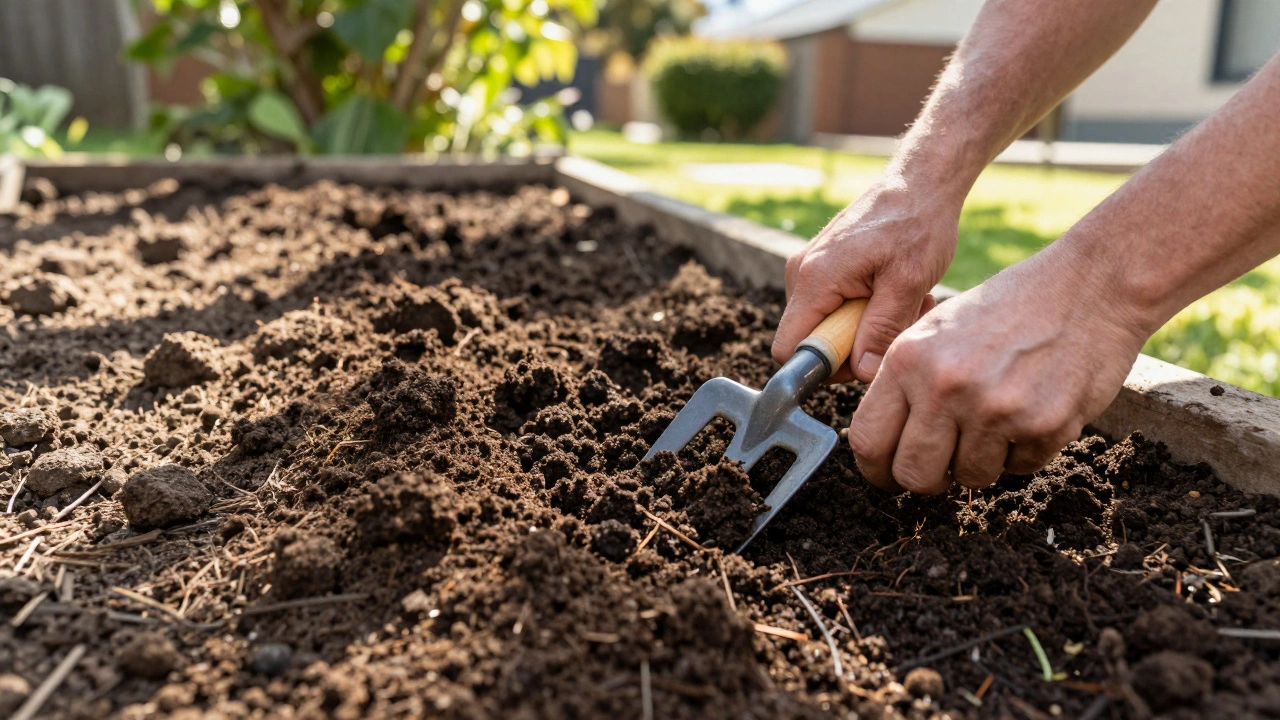
Compost is decomposed organic matter that improves soil structure, adds nutrients, and supports beneficial microbes. Adding a thick layer of well-aged compost every spring is the fastest way to jumpstart your garden. Aim for five centimeters mixed into the top twenty centimeters of soil. This simple step increases water retention in sandy soils and drainage in clay soils.In Melbourne, many gardens suffer from heavy clay. Do not just dig it up; amend it. Mix in gypsum if your pH is too high, or lime if it is too low. Test your soil first. A basic test kit costs less than $20 and tells you exactly what your soil needs. Blindly adding fertilizer without knowing your baseline is like driving with a blindfold.
| Amendment | Best For | Application Rate | Time to Effect |
|---|---|---|---|
| Compost | All soil types | 5cm layer | Immediate |
| Gypsum | Heavy clay | 1kg per m² | 2-4 weeks |
| Blood & Bone | Nitrogen boost | 100g per plant | 1-2 weeks |
Choose Plants That Grow Fast
Not all plants are created equal when it comes to speed. Some varieties are bred for quick harvests, while others take months to mature. If you want results now, pick the right genetics.
For vegetables, look for varieties labeled “early,” “quick,” or “baby.” Radishes can be ready in 25 days. Bush beans often produce pods within 50 days. Cherry tomatoes generally fruit faster than large beefsteak types. Herbs like basil and mint grow explosively in warm weather. These are not just convenient; they are strategic choices that give you wins early in the season.
Even within a species, there is variation. A ‘Cherry Bomb’ tomato will likely ripen two weeks earlier than a ‘Brandywine.’ Check seed packets carefully. Look for “days to maturity” numbers. The lower the number, the faster the payoff. This data is gold for impatient gardeners.
Prune to Redirect Energy
Plants grow vertically by default. They send energy to leaves and stems first, then flowers, then fruit. Pruning tricks them into focusing on production instead of expansion. It sounds counterintuitive-cutting parts off to make the plant bigger-but it works because of how plants allocate resources.
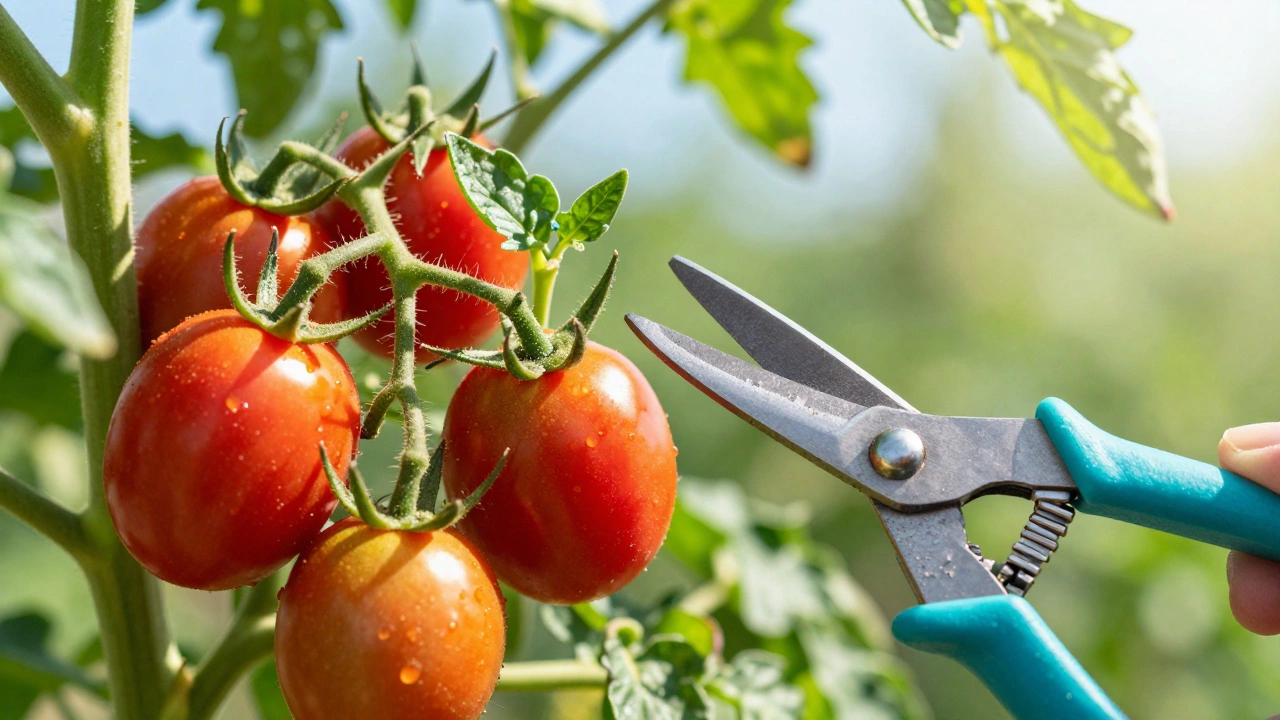
For tomatoes, remove the suckers (the shoots that grow between the main stem and branches). This keeps the plant focused on fruiting rather than foliage. Pinch off the tips of herb plants like rosemary and thyme to encourage bushier growth. Deadhead spent flowers on annuals to signal the plant to keep producing blooms. Each cut is a directive telling the plant where to send its next burst of energy.
Do not over-prune. Remove no more than one-third of the plant at a time. Too much stress slows growth instead of speeding it up. Timing matters too. Prune in the morning so wounds can heal during the day, reducing disease risk.
Water Smart, Not Just Hard
Watering is where most people lose speed. Overwatering drowns roots and invites rot. Underwatering stresses plants and halts growth. The key is consistency. Plants grow fastest when moisture levels stay steady.
Use mulch. A layer of straw, bark, or shredded leaves keeps soil cool and moist. In Melbourne’s summer, mulch can reduce watering needs by half. Water deeply but infrequently. Shallow daily sprinkles encourage weak root systems. Deep weekly soaking forces roots down, making plants stronger and more resilient.
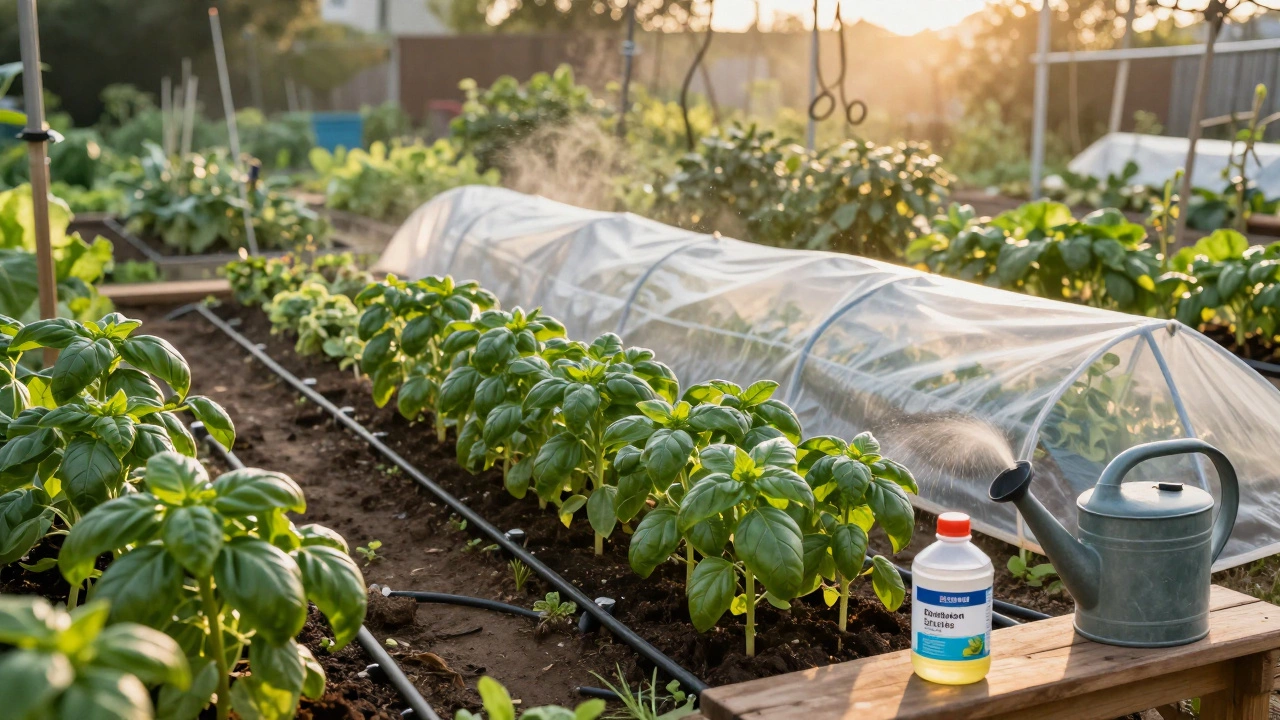
Drip irrigation is a game-changer for speed. It delivers water directly to the root zone with minimal waste. Set timers to water early in the morning. This reduces evaporation and gives plants hydration before the heat hits. Consistent moisture means consistent growth.
Leverage Light and Heat
Light is fuel. Without enough of it, photosynthesis slows, and growth stalls. Position your garden where it gets at least six hours of direct sun daily. For container gardens, rotate pots weekly so all sides get equal light.
In cooler months, use cloches or row covers to trap heat. These simple plastic or glass structures create a mini-greenhouse effect, raising soil temperature by several degrees. This extends the growing season and speeds up germination. In Melbourne, starting seeds indoors under grow lights in late winter gives you a head start when outdoor conditions improve.
Reflective surfaces can also help. White paint on nearby walls or aluminum foil under rows reflects extra light onto plants. It is a cheap hack that makes a noticeable difference in shady spots.
Feed Frequently in Small Doses
Fertilizer is food. But dumping a bag of granules on the soil is like eating a whole week’s meals in one sitting-it overwhelms the system. Plants absorb nutrients best in small, regular doses.
Use liquid fertilizers every two weeks during peak growth. Fish emulsion, seaweed extract, and diluted compost tea provide quick-release nutrients. These organic options feed both the plant and the soil microbiome. Synthetic fertilizers work fast but can burn roots if misused. Stick to organic for sustainable speed.
Observe your plants. Yellow leaves often mean nitrogen deficiency. Purple tints suggest phosphorus lack. Pale green foliage might indicate iron issues. Adjust your feeding based on symptoms, not just a calendar. Responsive gardening beats rigid schedules every time.
Control Pests Before They Slow You Down
Pests eat leaves, bore stems, and suck sap. Every bite steals energy from growth. Prevention is faster than cure. Inspect plants weekly. Early detection saves weeks of recovery time.
Encourage beneficial insects. Ladybugs eat aphids. Lacewars devour mites. Planting marigolds and nasturtiums attracts these helpers naturally. Avoid broad-spectrum pesticides that kill friends along with foes. Neem oil and insecticidal soap target pests without harming pollinators.
Physical barriers work too. Netting keeps birds away from berries. Copper tape stops slugs. Row covers block flying insects. Simple, cheap, and effective. Protecting your plants lets them put all their energy into growing.
What is the fastest way to grow vegetables?
Start with fast-maturing varieties like radishes, bush beans, and cherry tomatoes. Prepare rich, well-drained soil amended with compost. Provide consistent moisture through drip irrigation and ensure at least six hours of sunlight daily. Prune regularly to redirect energy to fruit production.
Can I speed up my garden in winter?
Yes, by using cold frames, row covers, or indoor grow lights. Choose cold-hardy crops like spinach, kale, and carrots. Start seeds indoors in late winter to transplant outdoors when soil warms. Mulch heavily to retain soil heat.
How often should I fertilize for faster growth?
Apply liquid organic fertilizer every two weeks during active growth. Use fish emulsion or seaweed extract. Observe plant color and adjust frequency based on nutrient needs. Avoid over-fertilizing, which can burn roots and slow growth.
Does pruning really make plants grow faster?
Pruning redirects energy from leaf growth to fruit or flower production. Remove suckers on tomatoes, pinch tips on herbs, and deadhead annuals. Limit cuts to one-third of the plant at a time to avoid stress. Prune in the morning for faster healing.
What soil amendments work best in Melbourne?
Melbourne’s heavy clay benefits from compost, gypsum, and blood & bone. Add a 5cm layer of compost annually. Use gypsum to improve drainage in clay soils. Test pH before amending to ensure balanced nutrition for optimal growth rates.