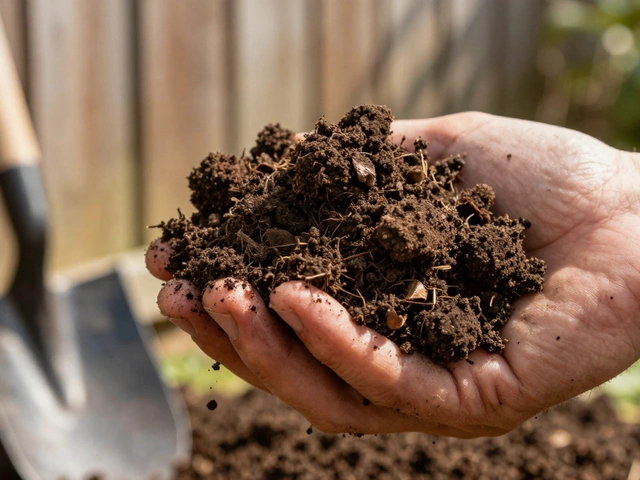
When you hear "sustainable clothing," you might think of hemp shirts or boring beige tones. But real sustainable fashion isn’t about looking like a yoga instructor who only shops at co-ops. It’s about clothes that don’t cost the earth-literally. The fashion industry produces 10% of global carbon emissions and uses 1.5 trillion liters of water every year. That’s more than all the water used in the entire UK. So when someone asks, "What is an example of sustainable clothing?"-they’re not just curious. They’re looking for proof that change is possible.
Organic Cotton: The Baseline, Not the Bonus
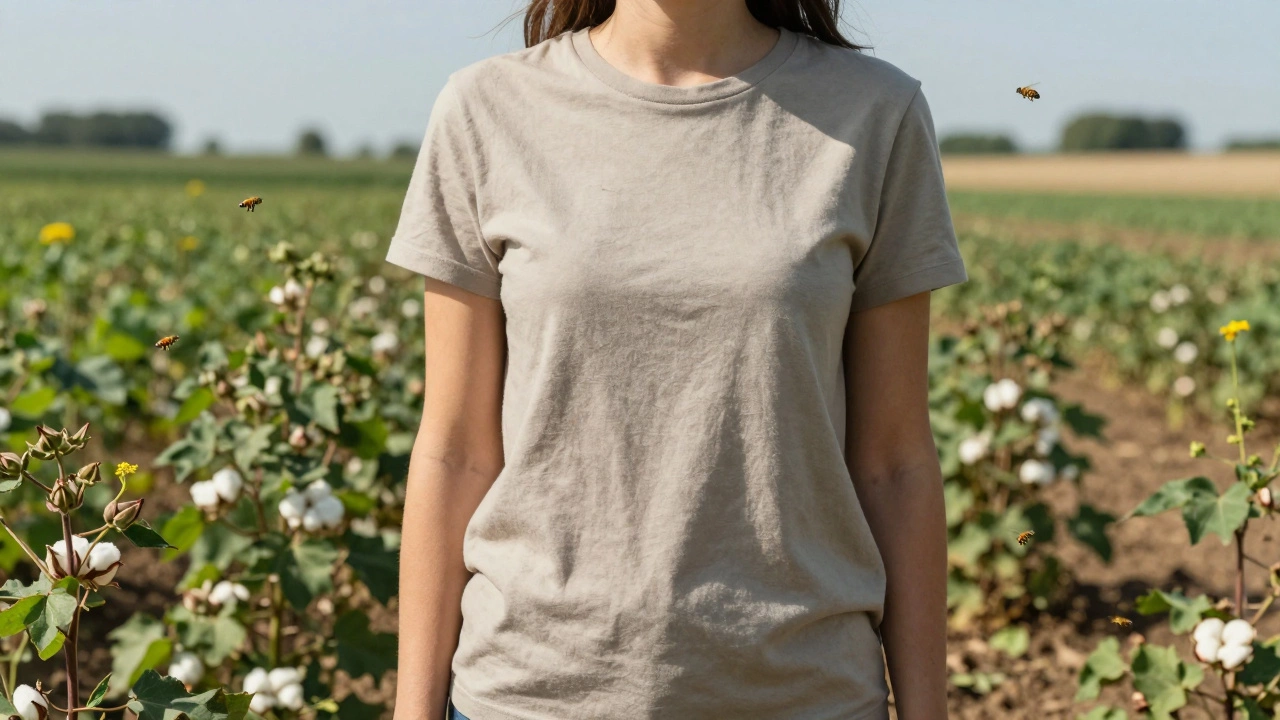
Organic cotton is the most common example of sustainable clothing, and for good reason. Unlike conventional cotton, which uses 16% of the world’s insecticides and 7% of its pesticides (according to the Textile Exchange), organic cotton is grown without synthetic chemicals. It also uses 91% less water because it relies on rain instead of irrigation. Brands like Pact and People Tree use 100% GOTS-certified organic cotton. That certification means the entire supply chain-from farm to finished shirt-is checked for environmental and social standards. You can feel good wearing a Pact t-shirt because it’s not just cotton. It’s soil health, farmer safety, and clean water all stitched together.
Recycled Polyester: Turning Plastic Waste Into Wearable
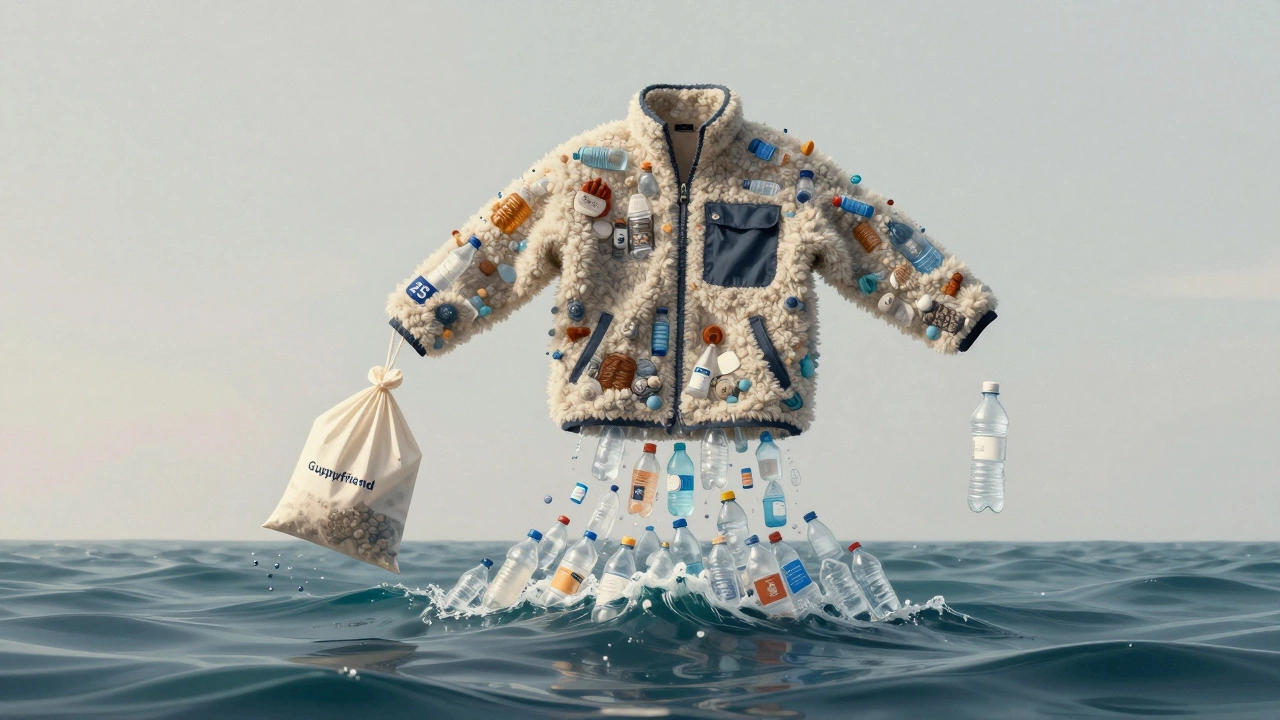
Here’s a shocking fact: over 8 million tons of plastic end up in oceans every year. A lot of it comes from single-use bottles. Brands like Patagonia and Reformation are turning that waste into fabric. They take plastic bottles, shred them, melt them down, and spin them into polyester yarn. One Patagonia fleece jacket uses about 25 recycled bottles. That’s not just recycling-it’s upcycling. And it cuts energy use by 50% compared to making virgin polyester. The catch? Synthetic fibers still shed microplastics in the wash. But if you use a Guppyfriend washing bag, you can trap 90% of those fibers. It’s not perfect, but it’s a massive step forward from new plastic.
TENCEL™ Lyocell: The Quiet Revolutionary
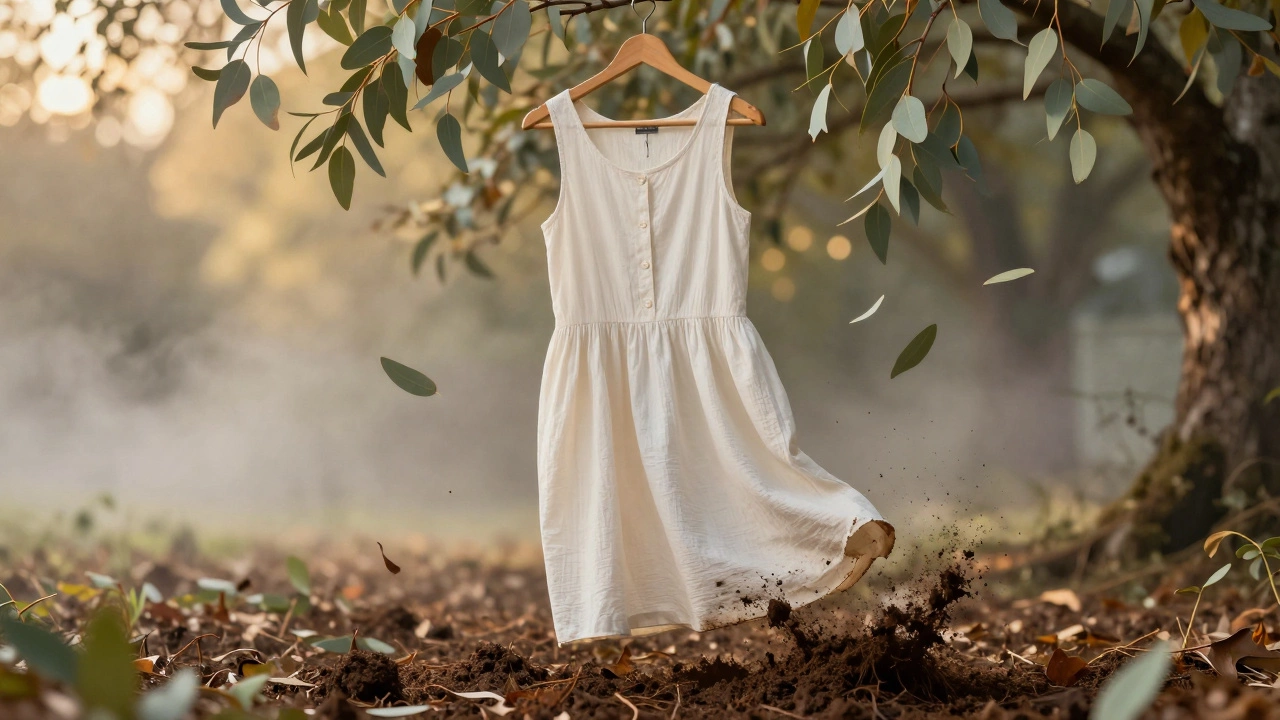
Most people haven’t heard of TENCEL™ Lyocell, but it’s quietly becoming one of the best sustainable fabrics on the market. Made from wood pulp-usually from eucalyptus trees grown in sustainably managed forests-it uses a closed-loop process where 99% of the solvent is reused. That means almost no toxic runoff. The fabric feels like silk, breathes like linen, and wrinkles less than cotton. Brands like Eileen Fisher and Thought Clothing use it in everything from dresses to underwear. What makes it stand out? It’s biodegradable. When you’re done with it, it can go into compost. Not landfill. Not incinerator. Soil.
Deadstock Fabric: Fashion’s Secret Weapon
Deadstock fabric is leftover material from big brands that never got used. Think of it like restaurant scraps turned into gourmet meals. Companies like Reformation and Everlane buy these rolls-sometimes thousands of yards-before they end up in landfills. They turn them into limited-run pieces. One dress made from deadstock fabric might be the only one of its kind in the world. That’s not just sustainable-it’s anti-waste. And because it’s made from existing materials, it doesn’t require new dye, new fibers, or new water. It’s circular fashion in its purest form. If you see a unique top you’ve never seen before? It might be deadstock. And that’s a good thing.
Fair Trade Certified Garments: People Before Profit
Sustainable clothing isn’t just about materials. It’s about who made it. Fair Trade Certified clothing guarantees workers get safe conditions, living wages, and a voice. Brands like Mata Traders and People Tree work directly with cooperatives in India, Nepal, and Bangladesh. A Fair Trade certified t-shirt might cost $35-but that’s because the person who sewed it earned $8 an hour, not 12 cents. And they got healthcare and paid maternity leave. You can’t recycle plastic to fix that. You need ethical labor systems. That’s why Fair Trade isn’t just a label-it’s a revolution.
What Sustainable Clothing Isn’t
Not every brand calling itself "eco-friendly" actually is. Greenwashing is everywhere. A shirt made from 5% recycled cotton with a "sustainable" tag? That’s not sustainable. It’s marketing. True sustainable clothing has transparency. Look for certifications: GOTS, Fair Trade, OEKO-TEX, B Corp. Check the brand’s website. Do they name their factories? Show photos of workers? Share their carbon footprint? If they’re vague, walk away. And don’t fall for "sustainable collections" if the rest of the brand is fast fashion. One green line doesn’t erase 200 toxic ones.
How to Start Building a Sustainable Wardrobe
You don’t need to throw out your whole closet. Start small. Buy one item at a time from a brand that proves its ethics. Swap clothes with friends. Shop secondhand. Thrift stores in Melbourne’s Fitzroy or Sydney’s Newtown are full of hidden gems. Repair what you can-learn to sew a button, patch a hole. A denim jacket from 2018 can last another 10 years if you care for it. The goal isn’t perfection. It’s progress. Every piece you buy that’s made responsibly is a vote against waste.
Why This Matters More Than Ever in 2026
In 2026, climate regulations are tightening. The EU just banned the destruction of unsold clothing. Australia’s new recycling laws are forcing brands to take back old garments. Consumers are demanding proof-not promises. Brands that don’t adapt won’t survive. But for you? This isn’t about policy. It’s about power. The clothes you choose to wear are your daily statement. You’re not just buying fabric. You’re choosing what kind of world you want to live in.
Is sustainable clothing more expensive?
Yes, upfront. A $20 fast fashion t-shirt might seem cheaper, but it’s designed to fall apart after five washes. A $60 organic cotton tee from a transparent brand lasts five years. When you divide the cost by wear, sustainable clothing often costs less over time. Plus, you’re not paying for environmental damage or exploited labor-those costs are just hidden.
Can I make my existing clothes more sustainable?
Absolutely. Wash clothes in cold water, air dry them, and mend them when they tear. Use a microfiber filter in your washing machine. Swap, donate, or resell items you no longer wear. The most sustainable garment is the one you already own-and keep wearing.
What’s the most sustainable fabric overall?
TENCEL™ Lyocell and organic cotton lead the pack. TENCEL™ uses minimal water and no chemicals, and it biodegrades. Organic cotton avoids pesticides and saves water. Hemp and linen are also strong contenders-they grow fast, need little water, and require no synthetic inputs. Avoid virgin polyester and conventional cotton unless they’re recycled or certified.
Do sustainable brands offer trendy styles?
Yes. Brands like Eileen Fisher, Reformation, and Thought Clothing design timeless, modern pieces that don’t look like they came from a 1970s commune. You’ll find tailored blazers, slim jeans, minimalist dresses, and structured coats-all made with sustainable materials. Fashion isn’t the enemy; overconsumption is.
How can I tell if a brand is truly sustainable?
Look for third-party certifications: GOTS, Fair Trade, B Corp, OEKO-TEX. Check if they name their factories and publish their supply chain map. Do they share data on water use, carbon emissions, and worker pay? If they only use buzzwords like "eco-conscious" or "green" without proof, they’re likely greenwashing. Trust transparency over marketing.