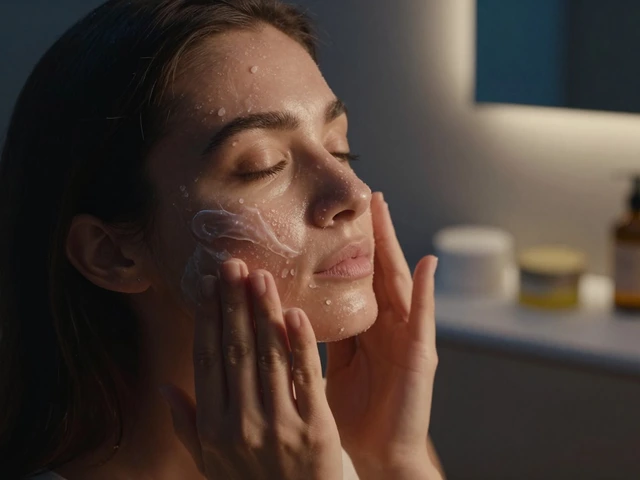
K-Beauty vs J-Beauty Routine Finder
You walk down the beauty aisle or scroll through your favorite online shop, and you’re hit with a wall of options. On one side, you have the colorful, multi-step routines from Korea. On the other, the minimalist, high-tech bottles from Japan. Both promise glowing skin, but they get there in completely different ways. If you are trying to decide which approach is right for your face, you aren’t alone. The debate between Korean skincare and Japanese skincare is one of the most common questions in the beauty world today.
The short answer? Neither is objectively "better." They just solve different problems. Korean beauty (K-beauty) focuses on prevention, hydration, and innovation. Japanese beauty (J-beauty) focuses on repair, barrier protection, and simplicity. To figure out which one wins for you, we need to look at how each philosophy works, what ingredients they prioritize, and who actually benefits from their methods.
The Philosophy: Playful Innovation vs. Quiet Perfection
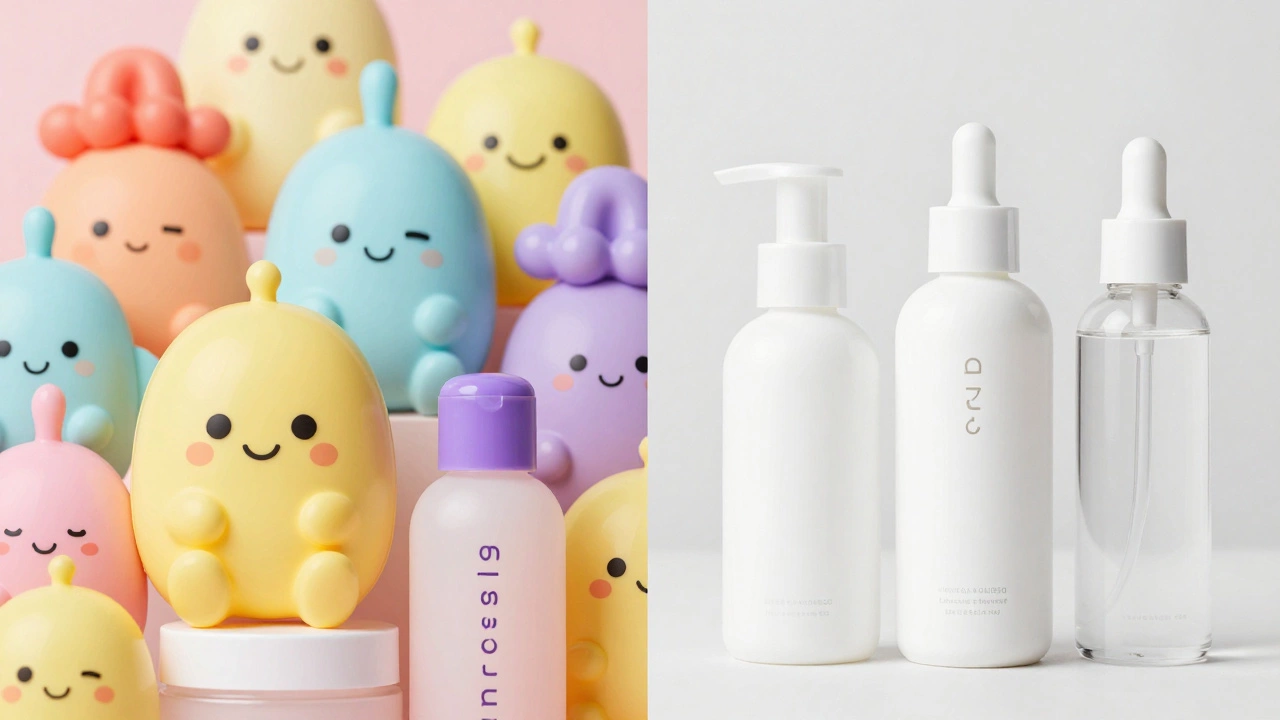
To understand why these products work differently, you have to look at the culture behind them. In South Korea, skincare is treated like a hobby or a form of self-care ritual. It’s fun, it’s social, and it’s constantly evolving. You see this in the packaging-bright colors, cute mascots, and innovative textures like sleeping masks or sheet masks infused with snail mucin. The goal here is often "glass skin," a term that describes a poreless, dewy, reflective complexion. It’s about looking fresh and hydrated.
In Japan, the approach is rooted in the concept of *wabi-sabi* and minimalism. There is less noise and more focus on efficacy. Japanese brands tend to use simple, clean packaging because the belief is that the formula inside matters more than the bottle outside. The goal isn’t necessarily a shiny glow; it’s resilient, healthy skin that ages gracefully. Think of it as maintenance rather than decoration. While K-beauty might introduce ten new trends a year, J-beauty often sticks to what has worked for decades, refining it slightly over time.
Is Korean skincare better for anti-aging?
Not necessarily. Korean skincare excels at preventing early signs of aging through intense hydration and brightening agents like vitamin C and niacinamide. However, Japanese skincare is often superior for mature skin due to its focus on barrier repair and gentle exfoliation using enzymes rather than harsh acids.
Ingredient Focus: What Goes Into the Bottle?
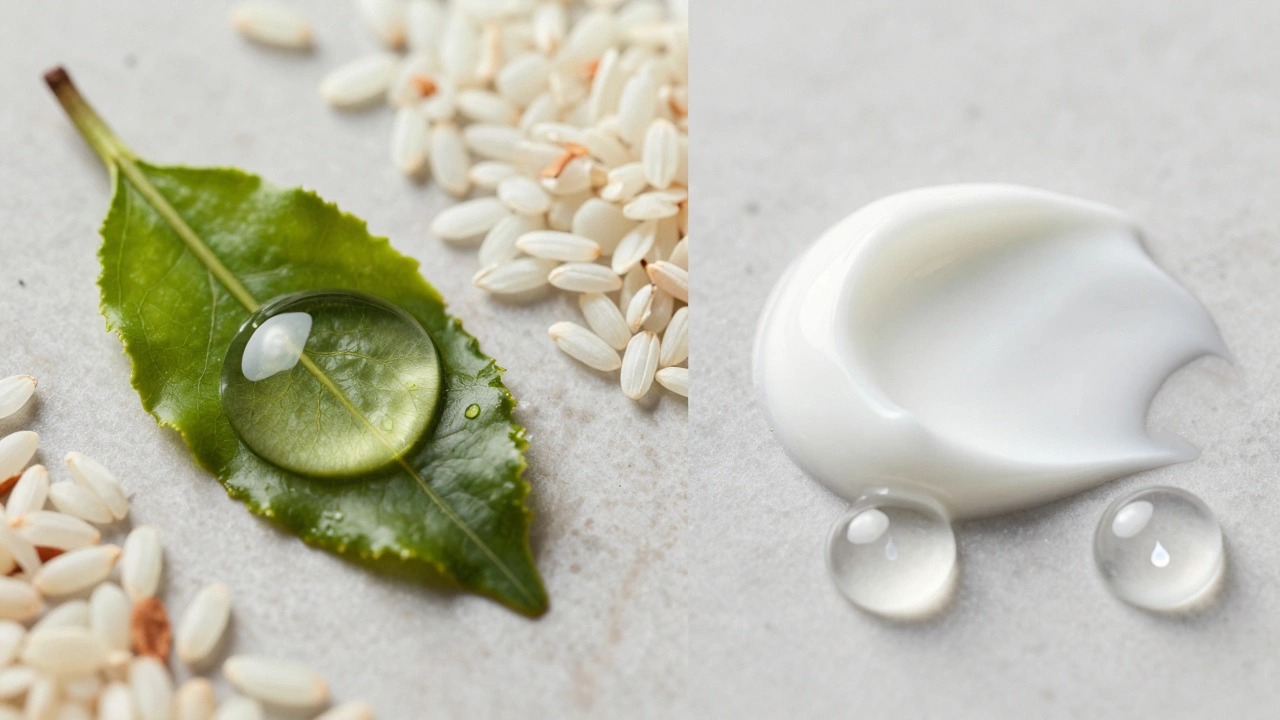
If you look at the ingredient lists, the difference becomes even clearer. Korean formulations love unique, natural extracts. You will frequently see rice bran, green tea, centella asiatica (cica), propolis, and yes, snail secretion filtrate. These ingredients are chosen for their soothing and hydrating properties. The texture of K-beauty products is usually lightweight and fast-absorbing, designed to layer without feeling heavy.
Japanese formulas, on the other hand, lean heavily into science-backed staples. Hyaluronic acid, ceramides, squalane, and amino acids are kings here. Japanese manufacturers are also pioneers in enzyme technology. Instead of using chemical exfoliants like glycolic acid which can irritate sensitive skin, many Japanese cleansers and toners use papain or bromelain (enzymes from papaya and pineapple) to gently dissolve dead skin cells. This makes J-beauty incredibly safe for long-term daily use, even if you have reactive skin.
| Feature | Korean Skincare | Japanese Skincare |
|---|---|---|
| Star Ingredients | Snail Mucin, Rice Extract, Centella Asiatica | Ceramides, Squalane, Enzymes, Collagen |
| Texture | Lightweight, gel-like, watery essences | Rich creams, milky lotions, emulsions |
| Exfoliation Method | AHAs/BHAs (Chemical Acids) | Enzymes (Papain/Bromelain) |
| Primary Goal | Brightening and Hydration | Barrier Repair and Protection |
The Routine: Steps and Simplicity
This is where most people get intimidated by Korean skincare. The famous "10-step routine" includes double cleansing, exfoliating, toning, essence, serum, sheet mask, eye cream, moisturizer, and sunscreen. It sounds exhausting, and honestly, you don’t need all ten steps every day. But the core idea is layering thin layers of hydration. You start with a water-based cleanser, then an oil-based one, followed by multiple hydrating toners and essences. This method ensures that moisture penetrates deep into the skin layers.
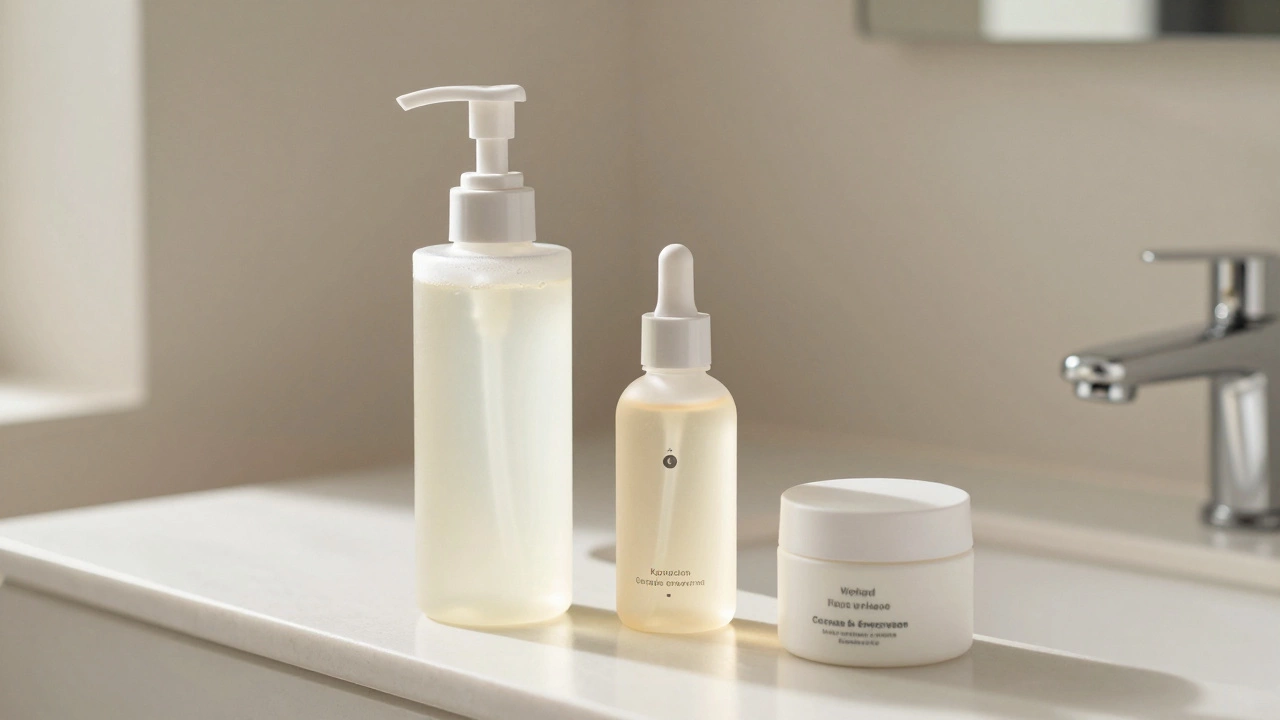
Japanese routines are typically shorter and more streamlined. A standard J-beauty evening routine might look like this: wash with a gentle enzymatic cleanser, apply a hydrating lotion (toner), maybe a serum, and finish with a rich moisturizer. That’s it. The philosophy is that fewer steps mean less chance of irritation. Japanese brands also emphasize the importance of a good cleanser. They believe that if you remove dirt and makeup effectively without stripping the skin, you don’t need as many corrective products later.
If you are busy or have sensitive skin, the Japanese approach requires less guesswork. If you enjoy the process of skincare and want to target specific concerns like dark spots or dullness, the Korean modular system allows you to swap out serums and masks based on how your skin feels that day.
Sunscreen: The Non-Negotiable Step
Both Korean and Japanese sunscreens are considered the gold standard globally, but they differ in feel. Korean sunscreens have revolutionized the market by creating formulas that feel like nothing on the skin. They often double as primers or moisturizers, leaving no white cast and absorbing instantly. This has made daily SPF usage much more appealing for people who hate the sticky feeling of traditional sunblocks.
Japanese sunscreens, however, are engineered for extreme durability. Because Japan has strict regulations regarding UV protection, their formulas are often more robust against water and sweat. They are ideal if you spend a lot of time outdoors or live in a hot climate. Some older Japanese formulas can leave a slight white cast, but newer versions have improved significantly. If you are going swimming or hiking, Japanese SPF is likely your safer bet. For office workers sitting indoors, Korean SPF offers a more comfortable cosmetic experience.
Who Should Choose Which?
So, which one should you buy? Let’s break it down by skin type and lifestyle.
Choose Korean Skincare if:
- You have oily or combination skin and struggle with shine.
- You want to treat hyperpigmentation, dark spots, or dullness.
- You enjoy experimenting with new textures and trendy ingredients.
- You prefer lightweight, non-greasy products that absorb quickly.
- You are young and focused on prevention rather than repair.
Choose Japanese Skincare if:
- You have dry, sensitive, or eczema-prone skin.
- You are concerned about fine lines, wrinkles, and loss of elasticity.
- You prefer a simple, quick routine with fewer products.
- You want to strengthen your skin barrier and reduce redness.
- You value longevity and proven results over hype.
Can You Mix Them?
Absolutely. In fact, many dermatologists recommend a hybrid approach. You might use a Japanese enzymatic cleanser to gently remove makeup and dirt, followed by a Korean hyaluronic acid essence for deep hydration, and finish with a Japanese ceramide-rich cream to lock everything in. The key is to listen to your skin. If a product stings, causes breakouts, or feels uncomfortable, stop using it, regardless of whether it’s from Seoul or Tokyo.
Skincare is personal. Your skin reacts to your environment, your diet, your stress levels, and your genetics. A product that works wonders for your friend might do nothing for you. Start with the basics: a gentle cleanser, a hydrating toner, a targeted treatment, a moisturizer, and sunscreen. Whether those come from K-beauty or J-beauty brands depends on your preference for texture and ingredients.
Is Japanese skincare better for sensitive skin?
Generally, yes. Japanese skincare tends to avoid harsh fragrances and alcohol, focusing instead on soothing ingredients like ceramides and enzymes. Brands like Curel and Hada Labo are specifically formulated for sensitive and compromised skin barriers.
Why is Korean skincare so popular among younger people?
Korean skincare emphasizes prevention and aesthetic appeal. The focus on "glass skin" and brightening resonates with younger demographics who want to maintain a clear, radiant complexion before aging signs appear. Additionally, the playful packaging and viral trends on social media drive popularity.
Do I need to follow the 10-step Korean routine?
No. The 10-step routine is a guideline, not a rule. Most people only need 4-5 steps: cleanse, tone, treat, moisturize, and protect. You can adapt the number of steps based on your skin's needs that day.
Are Japanese skincare products more expensive?
Not always. While some luxury Japanese brands are pricey, many drugstore options like Hada Labo and Senka offer high-quality, affordable products. Korean skincare also ranges from budget-friendly sheet masks to high-end serums. Price does not always indicate superiority in either category.
Which is better for acne-prone skin?
Korean skincare often contains ingredients like tea tree, centella, and salicylic acid which target acne directly. However, Japanese skincare's focus on barrier health can help prevent the inflammation associated with acne. A hybrid approach using gentle Japanese cleansing and targeted Korean treatments often works best.