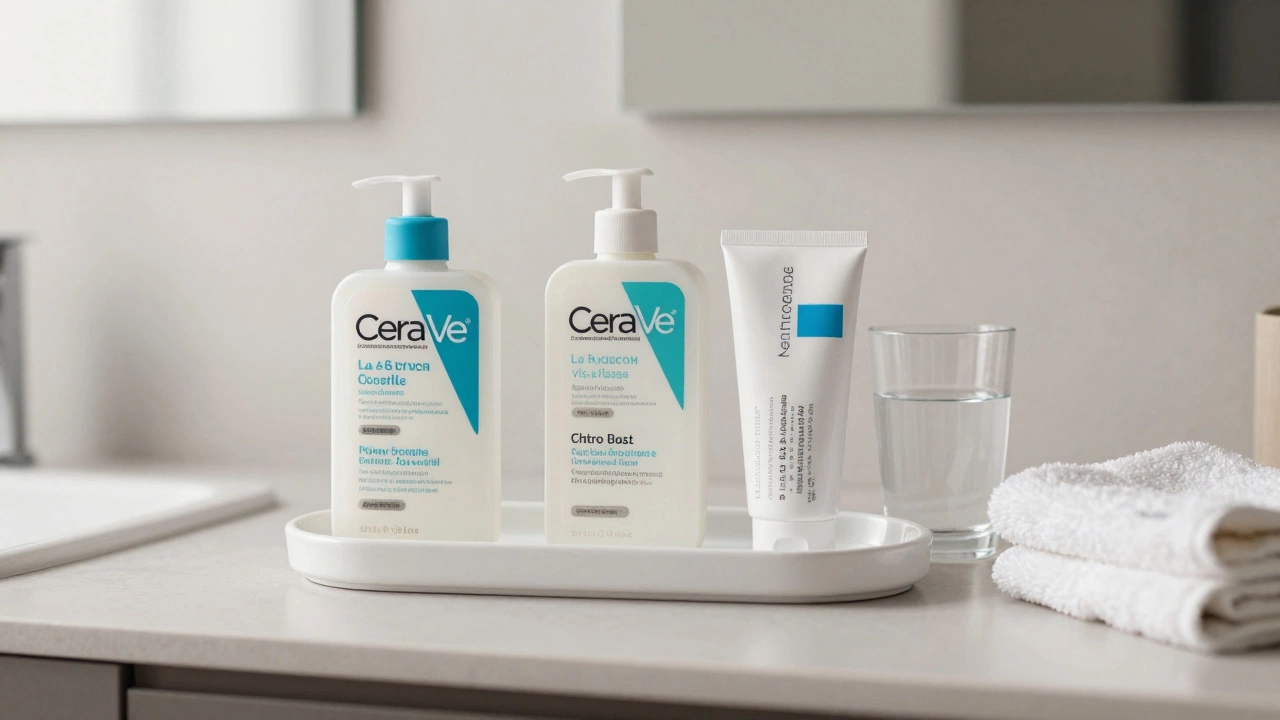
Right now, the beauty product in most demand isn’t a luxury serum or a viral TikTok highlighter. It’s moisturizer-specifically, the kind that works hard, doesn’t irritate, and fits into a busy life. In 2025, people aren’t chasing 10-step routines. They’re looking for one product that actually delivers: hydration that lasts, skin that feels calm, and ingredients they can trust. This isn’t just a trend-it’s a reset.
Why moisturizer is leading the charge
After years of over-exfoliating, layering actives, and chasing glow, skin fatigue is real. A 2024 survey by the International Journal of Cosmetic Science found that 68% of women aged 25-45 reported redness, tightness, or flakiness from using too many products. The fix? Simpler. Moisturizers with ceramides, hyaluronic acid, and niacinamide became the go-to because they repair the skin barrier, not just sit on top of it.
Brands like CeraVe, La Roche-Posay, and Vanicream saw sales jump 42% in the last year-not because they’re flashy, but because they’re effective. No fragrance. No alcohol. No hype. Just science-backed formulas that work for sensitive, dry, and acne-prone skin alike. Even Gen Z, once obsessed with glitter serums, are switching to plain jars with simple labels.
What makes a moisturizer ‘in demand’ in 2025?
It’s not just about what’s inside. It’s about how it fits into daily life. The most demanded moisturizers today share three key traits:
- Multi-tasking - They hydrate, protect, and sometimes even have SPF 30+ built in. People don’t want to carry three products in their bag.
- Fast absorption - No greasy residue. You apply it, wait 30 seconds, and put on makeup or head out the door.
- Transparent ingredients - No vague terms like ‘proprietary blend.’ Labels list everything clearly. People check them like grocery lists.
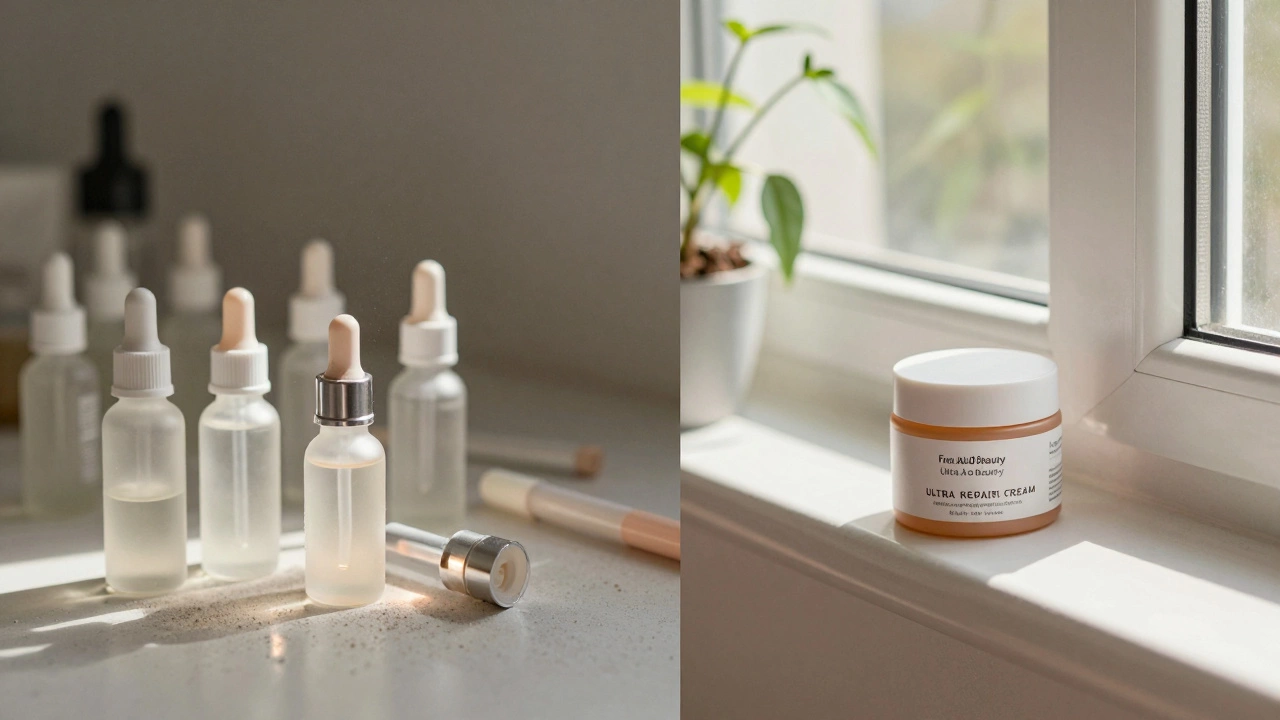
Products like the Neutrogena Hydro Boost Water Gel and First Aid Beauty Ultra Repair Cream dominate Amazon and Sephora best-seller lists because they hit all three. They’re affordable, widely available, and backed by dermatologist recommendations-not just influencer posts.
What’s falling out of favor
Five years ago, you couldn’t walk into a drugstore without seeing a bottle labeled ‘anti-aging miracle.’ Now, those products are gathering dust. Ingredients like retinol and vitamin C are still popular-but only when they’re part of a balanced routine. People are ditching:
- Single-ingredient serums that promise everything but deliver irritation
- Expensive ‘luxury’ moisturizers with 17 botanical extracts no one can pronounce
- Products marketed as ‘for mature skin’-because skin health isn’t tied to age anymore
Instead, the focus is on skin resilience. That means fewer products, better quality, and more consistency. A $15 moisturizer used every morning and night beats a $90 one used twice a week.
Regional differences matter
In Melbourne, where the climate swings from dry winter winds to humid summer heat, people lean toward lightweight, non-comedogenic formulas. In colder cities like Toronto or Oslo, thicker creams with shea butter and squalane are top sellers. In places like Seoul or Tokyo, layered hydration still has its place-but even there, the trend is toward ‘skin-first’ routines with fewer steps.
Global brands are adapting. For example, Kiehl’s launched a ‘Climate Adapt’ line in 2024 with regional variants. The original formula sold well in Australia, but the version with added antioxidants for pollution-prone cities like Delhi and Beijing saw even higher repeat purchases.
Who’s buying-and why
The biggest buyers aren’t beauty influencers or 20-year-olds. They’re working parents, nurses, teachers, and healthcare workers-people who need results without spending 20 minutes in front of the mirror. A 2025 poll by YouGov showed that 71% of people who switched to a simple moisturizer did so because they were tired of spending money on products that didn’t work.
Men’s skincare is also growing fast. Sales of men’s moisturizers with SPF rose 58% last year. Brands like CeraVe and Aveeno now have dedicated men’s lines with no scent, no fuss, and clear labeling. It’s not about masculinity-it’s about efficiency.
What to look for when choosing your next moisturizer
If you’re ready to cut through the noise, here’s what actually matters:
- Check the first three ingredients - They make up most of the product. Look for water, glycerin, or hyaluronic acid first. Avoid alcohol, fragrance, or essential oils near the top.
- Look for ceramides - These are lipids your skin naturally makes. When they’re added back in, your barrier heals.
- Test it on your jawline - Not your hand. Your face has different skin than your wrist.
- Give it 4 weeks - Skin turnover takes time. Don’t quit after three days.
Don’t buy based on packaging. Don’t buy because your favorite influencer uses it. Buy because the ingredient list makes sense and your skin feels better after a week.
The future isn’t more products-it’s smarter ones
The beauty industry used to sell dreams. Now, it’s selling reliability. The most demanded product isn’t the one with the prettiest bottle or the loudest marketing. It’s the one that works quietly, every day, without drama.
Moisturizer isn’t glamorous. But in 2025, that’s exactly why it’s winning.
Is moisturizer really the most demanded beauty product in 2025?
Yes. Sales data from major retailers like Sephora, Ulta, and Amazon show moisturizers with barrier-repairing ingredients (ceramides, hyaluronic acid, niacinamide) are the top-selling category. They outsold serums, cleansers, and makeup combined in the first half of 2025. Consumer surveys confirm people are prioritizing skin health over trends.
What’s the difference between a cheap and expensive moisturizer?
The main difference is branding, packaging, and fragrance-not effectiveness. Many drugstore moisturizers like CeraVe and Vanicream contain the same key ingredients as luxury brands like La Mer. In blind tests, dermatologists often can’t tell them apart. The expensive ones may feel nicer on the skin, but they don’t deliver better results.
Should I use a moisturizer with SPF?
If you’re only applying it once a day and spending time outdoors, yes. But if you’re going to be in the sun for hours, a dedicated sunscreen is still better. Most moisturizers with SPF 30 don’t provide enough protection for extended exposure, and people usually don’t apply enough of them. Use it as a base, not your only defense.
Can I use the same moisturizer for day and night?
Absolutely. Most people don’t need two different formulas. A good moisturizer works equally well in the morning and evening. The only exception is if you’re using a retinoid at night-that’s when you might want a richer cream to buffer irritation. But for everyday use, one product is enough.
Why do some moisturizers make my skin break out?
It’s usually fragrance, heavy oils like coconut or mineral oil, or comedogenic ingredients. Look for ‘non-comedogenic’ on the label. Also, avoid products with alcohol denat. or menthol near the top of the ingredient list-they strip the skin and trigger reactions. Patch test any new product on your jawline for three days before using it all over.