Eco-Impact & Savings Estimator
Select the sustainable changes you've implemented or plan to implement to see your estimated home impact.
Kitchen
Bathroom
General & Energy
Quick Wins for Your Home
- Switch to LED bulbs (they use 75% less energy than incandescents).
- Set your water heater to 60°C (140°F) to stop wasting energy on overheating.
- Swap paper towels for washable microfiber cloths.
- Start a basic compost bin for fruit and veg scraps.
- Install low-flow showerheads to cut water usage by up to 40%.
Tackling the Kitchen Waste Problem
The kitchen is usually the biggest source of waste in any household. Between plastic wrap and food scraps, it's a goldmine for trash. To be more eco-friendly at home, you have to stop the leak at the source. Composting is the natural process of recycling organic matter, such as leaves and food scraps, into a valuable fertilizer. If you live in an apartment, look into Bokashi composting, which uses an airtight bucket and a specific bran to ferment waste without the smell of a traditional heap.
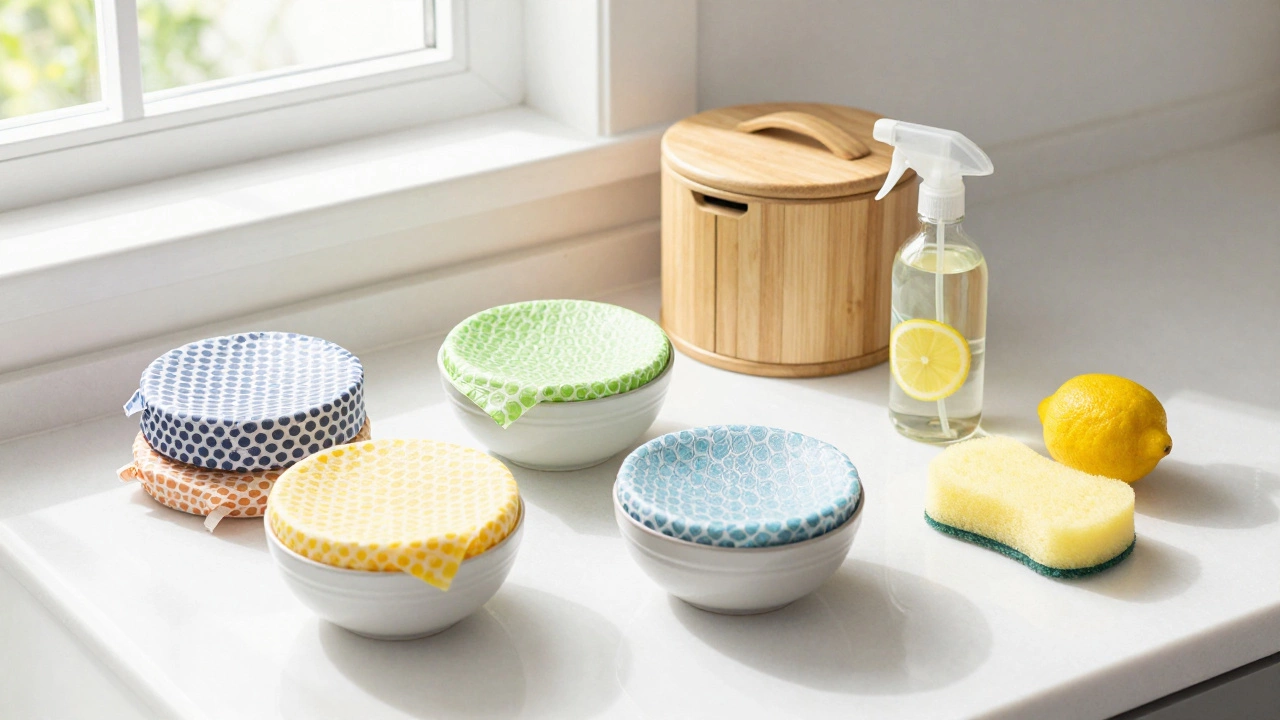
Stop buying single-use plastic wrap. Instead, try beeswax wraps or silicone stretch lids. These aren't just better for the planet; they actually seal better. When it comes to cleaning, most of us are using chemicals that are overkill for a few crumbs on a counter. You can replace almost every harsh cleaner with a mix of white vinegar, baking soda, and lemon. It's cheaper and doesn't off-gas toxins into your living room.
| Common Item | Eco-Friendly Alternative | Main Benefit |
|---|---|---|
| Plastic Sponges | Loofah or Cellulose Sponges | Biodegradable and plastic-free |
| Paper Towels | Swedish Dishcloths | Replace 17 rolls of paper towels |
| Plastic Bags | Canvas or Mesh Bags | Reusable for years |
| Liquid Soap in Plastic | Bar Soap / Soap Nuts | Zero plastic packaging |
Cutting Energy Leaks and Lowering Bills
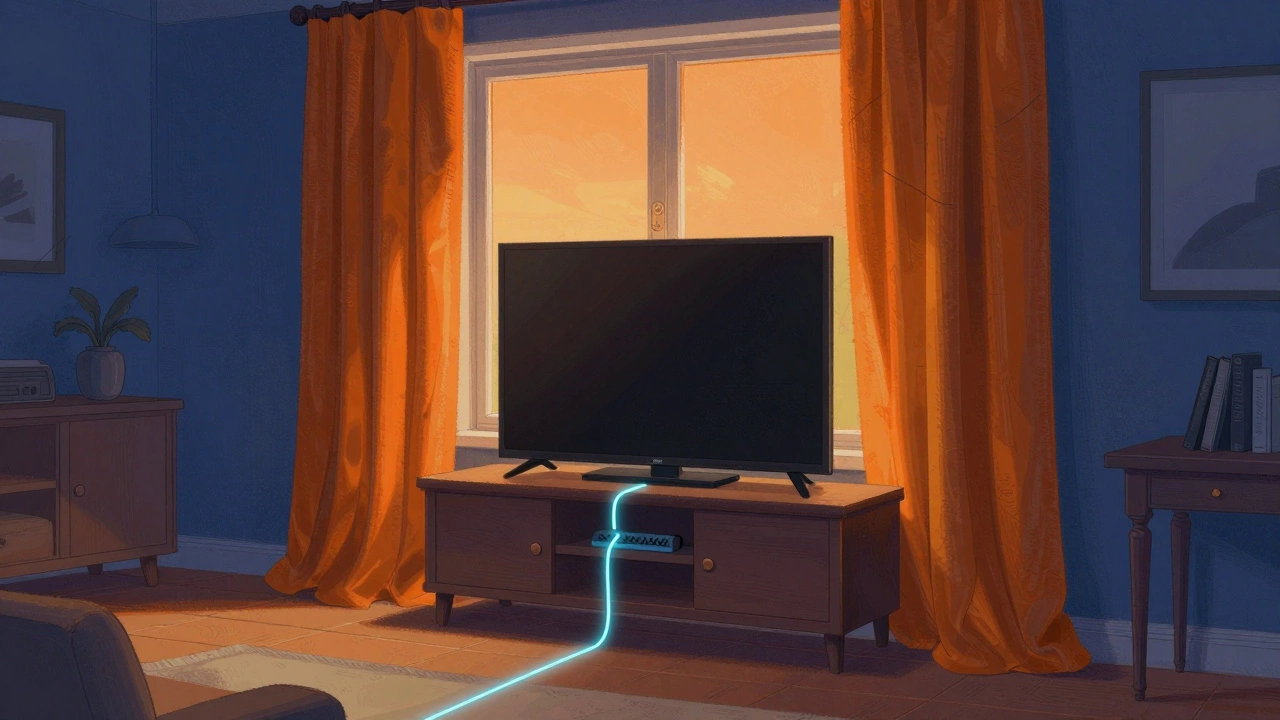
Energy efficiency isn't just about the environment; it's about your wallet. Many homes have "phantom loads"-electronics that suck power even when they're turned off. Smart Power Strips are devices that automatically cut power to peripherals when the main device is turned off. By plugging your TV, gaming console, and soundbar into one, you stop the trickle of wasted electricity.
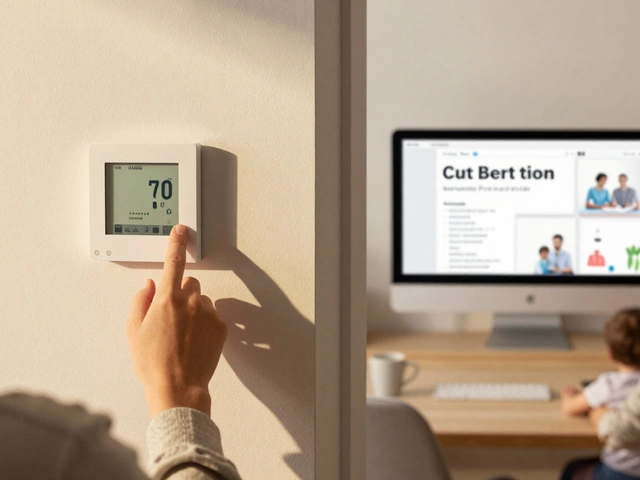
Temperature control is another big win. Instead of cranking the AC or heater, focus on insulation. Use heavy curtains to block out the midday sun in summer or keep the heat in during winter. If you have gaps around your windows, use weatherstripping tape. It's a five-minute fix that prevents your expensive heated air from escaping into the street. Also, try the "60-centimeter rule": keep furniture and electronics at least 60 centimeters away from heaters and vents so the air can circulate properly without the machine working overtime.
Sustainable Bathroom Habits
The bathroom is often where we unknowingly dump the most microplastics. Think about your exfoliating scrubs or the synthetic fibers in your towels. Switching to a Bamboo Toothbrush is a simple start. Since bamboo is a fast-growing grass that is naturally biodegradable, it replaces the plastic handles that take 500 years to decompose in a landfill.
Water waste is the other culprit. A standard shower can use 20 liters of water per minute. By installing a low-flow aerator, you maintain the water pressure while significantly reducing the volume. Also, consider the "navy shower" method: turn the water on to get wet, turn it off to lather up, and turn it back on to rinse. It feels weird at first, but it saves gallons of water per session.
For skincare and toiletries, look for "naked" products. Solid shampoo bars and conditioner bars eliminate the need for plastic bottles entirely. Most modern bars are formulated to be just as effective as liquid versions, and because they're concentrated, they often last three times longer than a standard bottle.
Mindful Consumption and the Circular Economy
The most eco-friendly product is the one you don't buy. We've been conditioned to believe that we need a new version of everything every two years. Adopting a Circular Economy mindset means prioritizing the reuse, repair, and recycling of materials to extend their lifecycle. Before buying something new, ask yourself: can I rent this? Can I buy it second-hand? Can I fix what I already have?
Repairing clothes is a lost art that's making a comeback. A simple sewing kit can save a pair of jeans from the landfill just because of a small rip in the seam. If you aren't handy with a needle, look for local "Repair Cafes" where volunteers help you fix electronics or textiles for free. This shifts your relationship with your belongings from "disposable" to "valued." It also stops the demand for fast fashion, which is one of the most polluting industries on the planet.
Creating an Eco-Friendly Outdoor Space
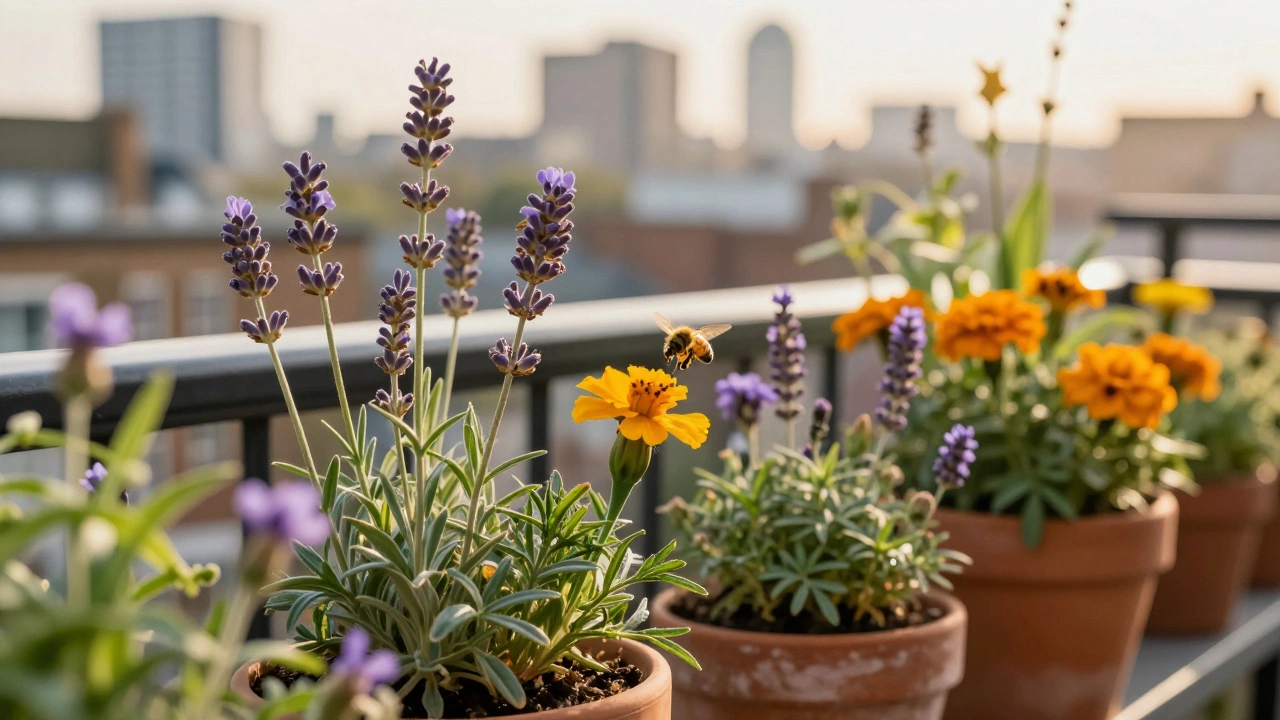
If you have a yard or even a small balcony, you have a chance to support local biodiversity. Replacing a manicured grass lawn with Native Plants is a game changer. Native plants are species that occur naturally in a particular region and are adapted to the local soil and climate. This means they require less water and no chemical fertilizers.
Native plants attract pollinators like bees and butterflies, which are critical for our food systems. If you're in a city, a window box filled with lavender or marigolds can provide a vital "pit stop" for insects. Also, avoid using pesticides. Instead, use an integrated pest management approach-like introducing ladybugs to handle aphids. It's a natural balance that keeps your garden healthy without poisoning the soil.
Is it actually cheaper to be eco-friendly?
In the long run, yes. While some sustainable products like beeswax wraps or high-quality LED bulbs have a higher upfront cost, they replace the need to buy disposable items repeatedly. Reducing energy and water waste directly lowers your monthly utility bills. The biggest savings come from "buying less," which is free.
What should I do with electronics I can't fix?
Never throw electronics in the general trash, as they contain heavy metals that leak into groundwater. Look for certified e-waste recycling centers. Many electronics stores also have take-back programs where they collect old cables, phones, and batteries to recover precious metals like gold and copper.
Do bamboo products really make a difference?
Yes, primarily because bamboo grows incredibly fast without the need for pesticides and uses significantly less water than cotton or plastic production. However, be careful with "bamboo viscose" fabric, as the chemical process to turn wood into fabric can be polluting. Look for mechanically processed bamboo or FSC-certified sources.
How do I start composting if I don't have a yard?
You have a few options: a Bokashi bin, which ferments waste in a small indoor bucket; a vermicompost bin, which uses worms to break down scraps; or a community compost hub. Many cities now have drop-off points at local markets or community gardens where you can leave your organic waste.
Are "biodegradable" plastics actually helpful?
Not always. Many "biodegradable" plastics only break down in industrial composting facilities at very high temperatures. If they end up in a regular landfill or the ocean, they behave just like traditional plastic. Always check if a product is "home compostable" before assuming it will disappear on its own.
Next Steps for Your Sustainable Journey
If you're feeling motivated, don't try to change everything tomorrow. Pick one room and master it first. Start with the kitchen-swap your sponges and start a compost. Once that feels like a habit, move to the bathroom. The goal isn't to be perfectly zero-waste; it's to be imperfectly sustainable. If a million people do it imperfectly, the impact is far greater than ten people doing it perfectly.
For those who want to go deeper, look into your home's energy audit. Many utility companies offer free or cheap checks to see where heat is leaking. From there, you can plan larger upgrades like switching to a heat pump or installing a greywater system to reuse laundry water for your garden. Every small shift adds up to a massive change in your environmental footprint.