Meal Prep Efficiency Calculator
Your Current Habits
Projected Monthly Savings
Recommended Prep Strategy
Enter your details to see how much time and money meal prepping can save you.
You stare at the fridge on Tuesday night. The leftover pasta from Sunday is cold, the vegetables are wilting, and the thought of chopping onions while exhausted feels like a punishment. You aren’t lazy; you’re just overwhelmed by the daily decision fatigue of "what’s for dinner?" A good meal prep schedule isn’t about spending your entire Sunday in the kitchen. It’s about creating a system that respects your time, reduces food waste, and keeps you eating well without the mental load.
If you’ve tried meal prepping before and quit after two weeks, it’s likely because your schedule was too rigid or too ambitious. The secret isn’t willpower; it’s logistics. Let’s break down exactly how to build a routine that actually sticks, whether you work nine-to-five, have kids running around, or just hate cooking.
The Foundation: Planning Before You Cook
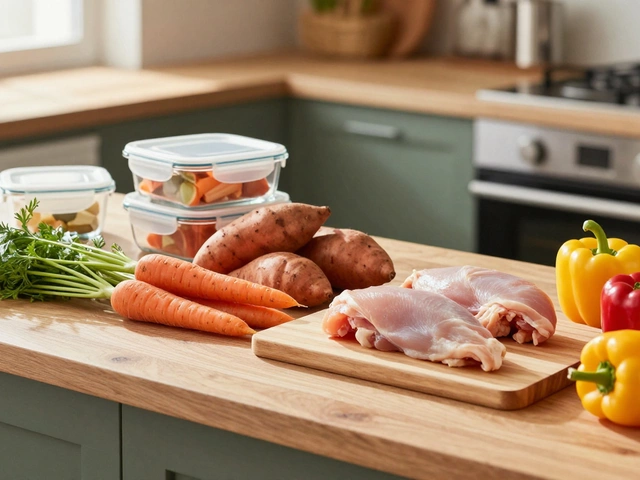
Most people skip this step and jump straight to the grocery store, which is why they end up with half-used jars of pesto and three bags of spinach that turn into slime. Your schedule starts here, not in the kitchen. You need a master plan that aligns with your actual life, not an idealized version of it.
Start by looking at your calendar for the week ahead. Are there nights when you’ll be out late? Do you have a big meeting on Wednesday that means you won’t get home until 7 PM? Mark those days as "easy meals" or "takeout nights" right now. This prevents the frustration of making elaborate lasagna sheets only to eat them cold over the sink.
- Audit your pantry: Check what you already have. If you have four cans of chickpeas, make a chickpea curry. This saves money and clears space.
- Pick a theme: Rotate themes to keep things interesting. Monday could be "Meatless," Tuesday "Leftover Remix," and Friday "Pizza Night."
- Limit recipes: Aim for 3-4 main recipes per week. More than that increases complexity and waste.
Once you have your menu, write a specific shopping list. Group items by aisle (produce, dairy, dry goods) so you don’t wander aimlessly. Stick to the list. Impulse buys are the enemy of a streamlined meal prep schedule.
Choosing Your Prep Style: Batch vs. Assembly
Not everyone has the energy to cook five separate dishes on Sunday afternoon. That’s why you should choose a prep style that matches your energy levels and kitchen setup.
| Style | Best For | Time Commitment | Freshness Level |
|---|---|---|---|
| Batch Cooking | People who want identical lunches all week | High (3-4 hours one day) | Moderate (flavors meld, veggies soften) |
| Assembly Prep | Those who prefer fresh-cooked dinners | Low (30 mins daily + 1 hour prep) | High (components stay crisp) |
| Hybrid Approach | Balanced lifestyle seekers | Medium (2 hours prep + 15 mins daily) | High (mix of cooked and raw) |
Batch cooking involves making large quantities of a single dish, like chili or stir-fry, and dividing it into containers. It’s efficient but can get monotonous. Assembly prep is different. You wash and chop all your vegetables, hard-boil eggs, and portion out grains on Sunday. Then, during the week, you quickly heat a protein and assemble a salad or bowl. This keeps textures fresh and gives you variety without the daily chopping board battle.
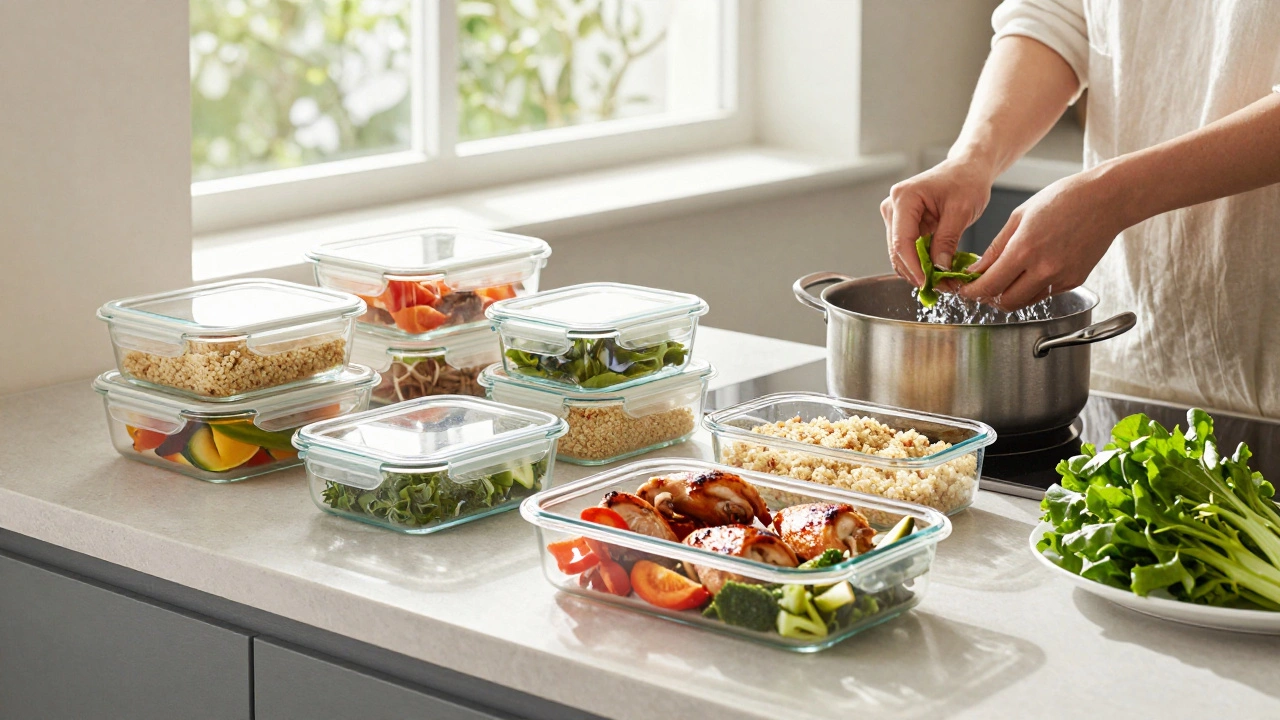
I recommend the Hybrid Approach for most beginners. Spend Sunday roasting a tray of chicken thighs and a tray of mixed vegetables. Wash and bag your greens. Cook a pot of quinoa. On weekdays, you mix and match these components. One day might be chicken and quinoa; the next, roasted veggies and a hard-boiled egg. Same ingredients, different meals.
The Ideal Weekly Timeline
When do you actually do the work? Timing matters more than you think. Here is a realistic schedule that fits a standard workweek.
- Sunday Afternoon (The Power Hour): This is your main prep window. Spend 60-90 minutes cooking proteins, grains, and roasting veggies. Wash and dry leafy greens thoroughly (wet greens rot fast). Portion snacks like nuts or cut fruit.
- Monday Morning (The Quick Check): Take 5 minutes to ensure everything is organized. If you forgot to pack a snack, grab something now. Reheat any freezer meals if needed.
- Tuesday & Wednesday (Maintenance): These are usually low-energy days. Rely on your prepped components. If you notice you’re running low on salad greens, buy a quick bag on your way home.
- Thursday Evening (The Mid-Week Reset): You might be halfway through your prepped food. Cook a small batch of something fresh, like pasta or rice, to last for Friday and Saturday. This prevents the "Sunday Scaries" of realizing you have nothing left.
- Friday Night (Cleanup & Relax): Eat whatever is left. Don’t stress about perfection. Use leftovers for a casual dinner or freeze them for next week.
This timeline avoids the burnout of doing everything on Sunday. By splitting the labor, you keep food fresher and your mind clearer.
Storage Strategy: Keeping Food Safe and Tasty
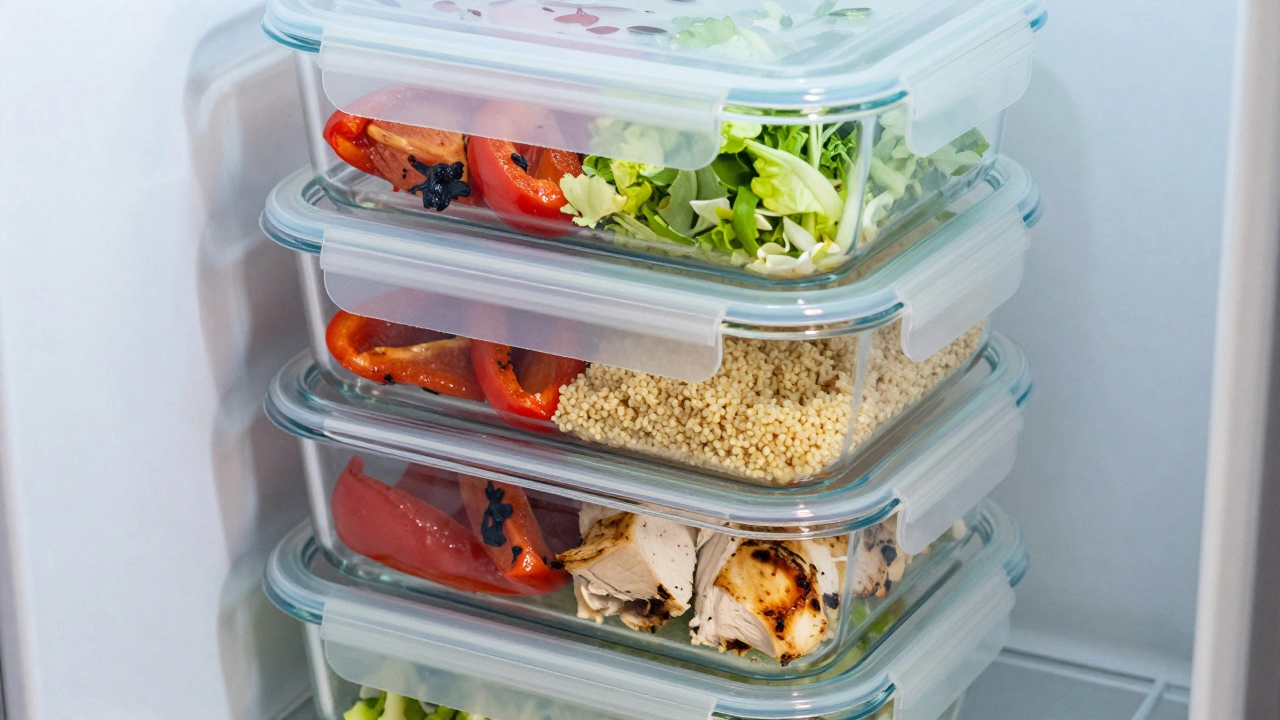
A good schedule fails if your food spoils in three days. Proper storage is non-negotiable. Glass containers are superior to plastic because they don’t retain odors, stain easily, or leach chemicals when heated. They also stack neatly in the fridge.
Here are the rules for longevity:
- Cool before sealing: Never put hot food directly into a sealed container. The steam creates condensation, which leads to sogginess and bacterial growth. Let food cool to room temperature first.
- Layering matters: Put wet ingredients (dressings, sauces) at the bottom or in separate compartments. Keep crunchy toppings (nuts, seeds) separate until you’re ready to eat.
- Label everything: Use masking tape and a marker to write the date and contents. "Mystery meat" never gets eaten. If it’s older than four days, toss it.
- Freeze smartly: Soups, stews, and cooked grains freeze beautifully. Leave an inch of headspace in containers for expansion. Thaw overnight in the fridge, not on the counter.
Remember that some foods don’t travel well. Cucumbers get watery, lettuce gets soggy, and bread gets stale. Keep these items fresh and add them to your meal at the last minute. Pre-chop carrots, celery, and bell peppers, but leave delicate herbs and leafy greens whole until assembly.
Troubleshooting Common Pitfalls
Even with the best schedule, hiccups happen. Here’s how to handle them without abandoning ship.
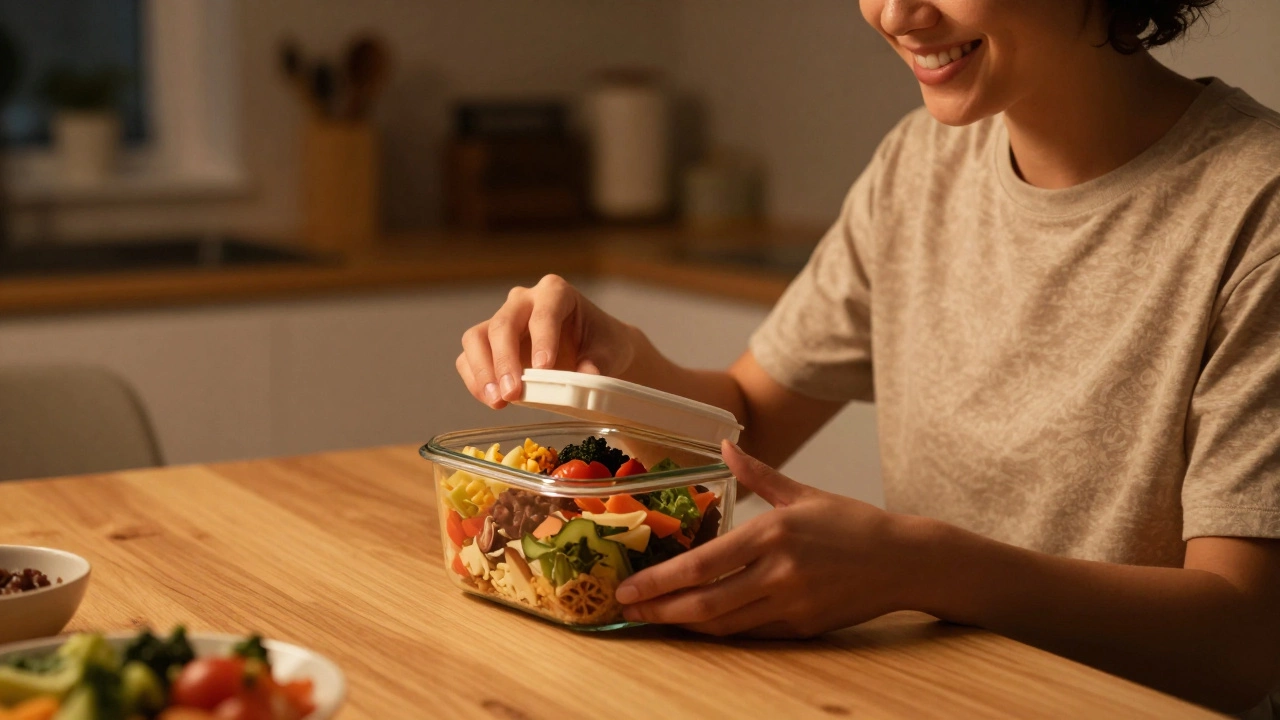
"I’m bored of eating the same thing." Solution: Change the seasoning, not the base. Keep a jar of lemon juice, soy sauce, hot honey, and salsa in your fridge. Drizzle a different sauce over your prepped chicken and rice each day. It tastes completely different but requires zero extra cooking.
"I don’t have enough fridge space." Solution: Declutter. Remove expired condiments and duplicate appliances. Invest in stackable glass containers. If you’re still tight on space, consider freezing half your prepped meals and rotating them weekly.
"My schedule changed unexpectedly." Solution: Build flexibility into your plan. Always have a "backup meal" option-like frozen dumplings or a simple grain bowl-that requires minimal effort. Don’t view a missed prep day as failure; view it as data. Adjust next week’s plan accordingly.
"It takes too long." Solution: Start smaller. Prep only lunches for three days instead of seven. Gradually increase as you get comfortable. Efficiency comes with practice. You’ll learn how long it takes to chop onions or boil eggs, and you’ll speed up naturally.
Next Steps: Making It Stick
Start this weekend. Don’t try to overhaul your entire life at once. Pick three meals you want to prep, buy the ingredients, and follow the Sunday Power Hour guideline. Track how much time and money you save. Notice how much less stress you feel during the week.
Meal prep is a skill, not a talent. Some weeks will go smoothly; others will be chaotic. That’s normal. The goal isn’t perfection; it’s progress. By establishing a consistent rhythm, you reclaim your evenings, reduce food waste, and nourish your body without the daily struggle. Your future self will thank you every time you open the fridge and see a delicious, ready-to-eat meal waiting for you.
How many days of meals should I prep at once?
For beginners, start with 3-4 days. This balances freshness and convenience. Most cooked vegetables and grains stay fresh for up to 4 days in the fridge. Prepping for 5+ days often results in soggy food and loss of appetite. If you want to prep for a full week, freeze half your portions and thaw them mid-week.
What are the best containers for meal prep?
Glass containers with airtight lids are the gold standard. They are microwave-safe, dishwasher-safe, and don’t absorb stains or odors. Look for rectangular shapes that stack efficiently in your fridge. Avoid thin plastic containers, which can warp in the microwave and harbor bacteria over time.
Can I meal prep on weekdays instead of weekends?
Yes, absolutely. Many people find it easier to prep during the week when their energy levels are higher. Try "assembly prep" where you spend 15 minutes each evening preparing the next day’s lunch. This keeps ingredients fresher and allows you to adjust based on your changing schedule.
How do I prevent my prepped food from getting boring?
Use the "component method." Prep versatile bases like grains, proteins, and roasted veggies separately. Mix and match them differently each day. Add variety with condiments, spices, and fresh herbs added right before eating. A little lemon juice, hot sauce, or pesto can transform the same base ingredients into distinct meals.
Is meal prep cost-effective?
Yes, significantly. Buying ingredients in bulk and avoiding daily takeout or convenience foods saves money. According to various studies, home-cooked meals cost roughly half as much as restaurant equivalents. Additionally, meal prep reduces food waste by ensuring you use what you buy, further stretching your grocery budget.