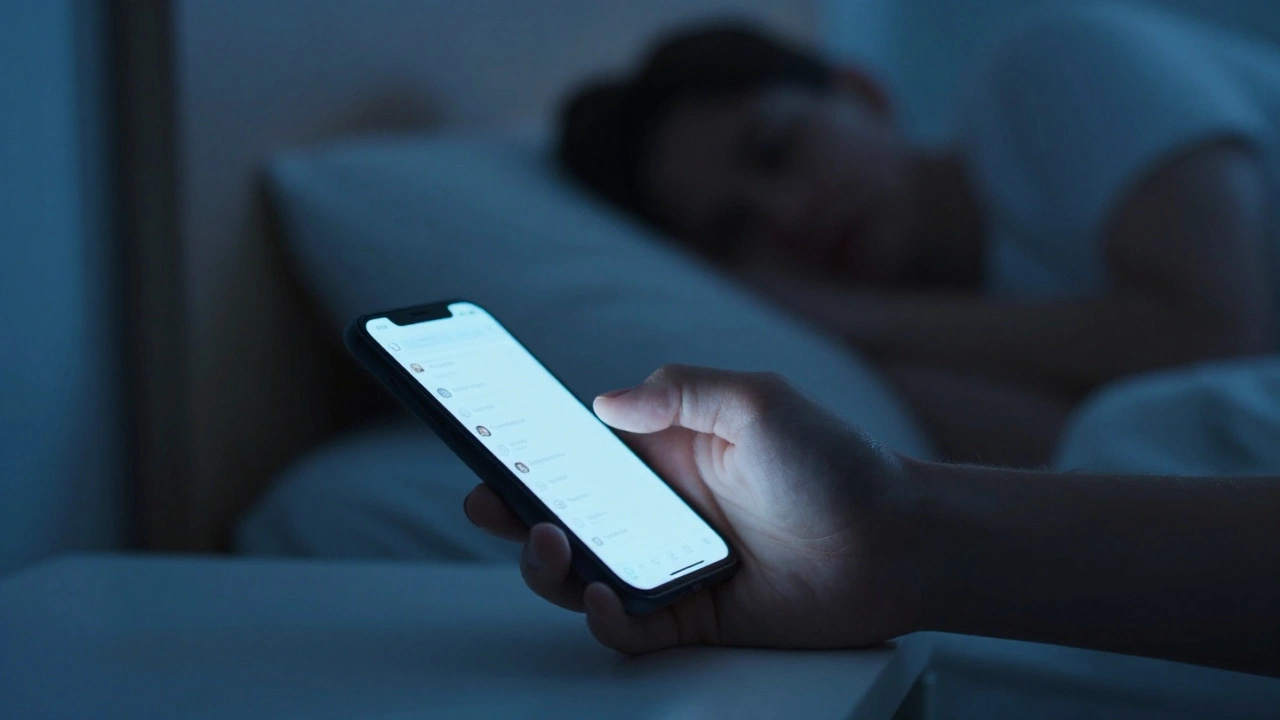
You wake up, check your email before your eyes are even fully open, and suddenly you're in a race against a clock that never stops. By the time you actually log off, you're so exhausted that you can't even enjoy the things you supposedly worked so hard to afford. If this sounds like your daily routine, you aren't just 'busy'-you're out of alignment. Restoring your work-life balance isn't about a perfect 50/50 split of your hours; it's about making sure your job doesn't eat your identity.
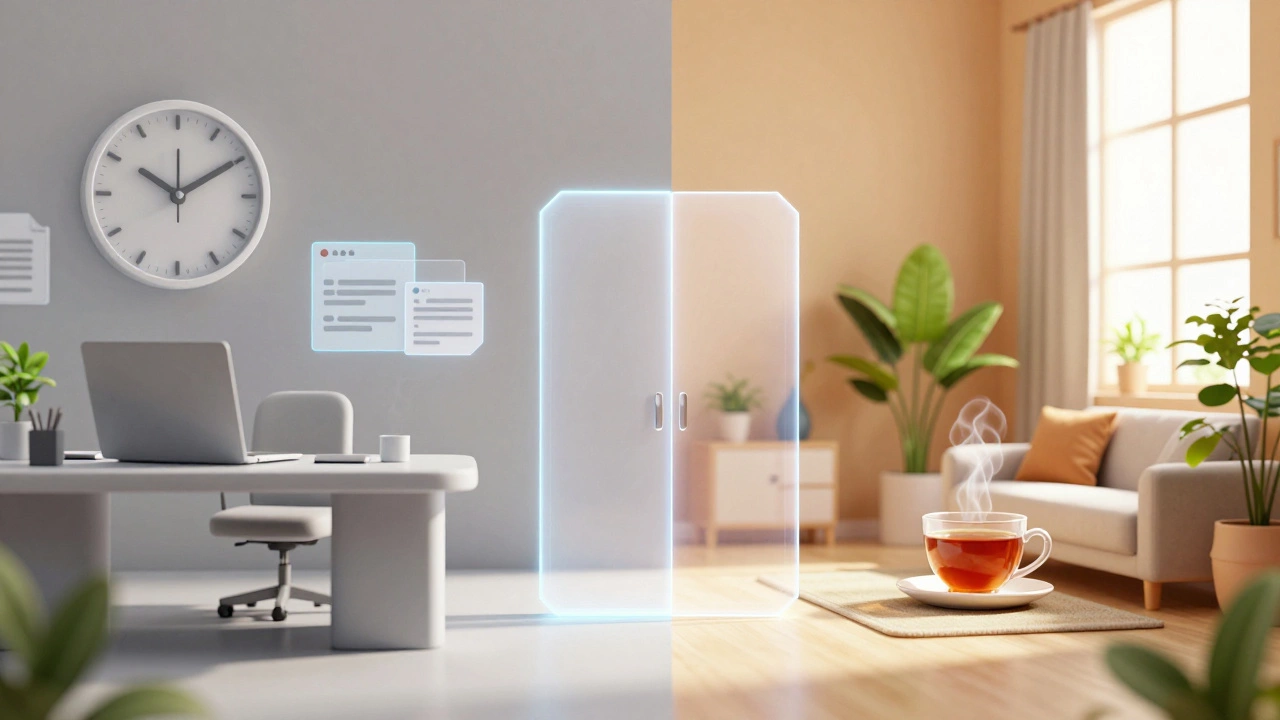
When we talk about work-life balance, we are referring to the state of equilibrium where an individual prioritizes the demands of one's career and the demands of one's personal life equally. In 2026, with the rise of hyper-connectivity, this balance is harder to maintain than ever because the physical boundary between the 'office' and 'home' has practically vanished for millions of us.
Quick Wins for Immediate Relief
- The Hard Stop: Pick a time (e.g., 6:00 PM) where all work devices are powered down. No "just one last email."
- Digital Minimalism: Remove work chat apps like Slack or Microsoft Teams from your personal phone.
- The Transition Ritual: Spend 15 minutes doing something that signals to your brain that work is over-like a quick walk, a shower, or changing into "home clothes."
Identifying the Root of the Imbalance
You can't fix a leak if you don't know where the hole is. Most people blame their boss or their workload, but the imbalance usually stems from one of three things: a lack of boundaries, an internal drive for perfectionism, or a systemic issue within the company culture. Ask yourself: Do I actually have too much work, or do I just feel guilty when I'm not working?
If you're dealing with Burnout-which is a state of emotional, physical, and mental exhaustion caused by excessive and prolonged stress-simple time management won't be enough. You'll need a more aggressive recovery plan that involves actual rest, not just 'passive' leisure like scrolling through social media.
Setting Boundaries That Actually Stick
Boundaries aren't walls; they're gates. You decide who gets in and when. The problem is that most of us set "soft boundaries" that people can easily push through. Instead of saying "I'll try to be offline this weekend," try "I will be unavailable from Friday at 6 PM until Monday at 9 AM. If there is an absolute emergency, please call my phone."
This approach removes the ambiguity. When you provide a specific window of unavailability, you train your colleagues and clients to respect your time. It's a psychological shift from asking for permission to stating your availability. This is especially critical for those working in Remote Work environments, where the expectation of 24/7 availability often creeps in by default.
| Boundary Type | Example Phrase | Typical Result |
|---|---|---|
| Soft/Vague | "I might not check my mail tonight." | People still email; you feel guilty for not replying. |
| Firm/Clear | "I am offline after 6 PM." | Expectations are set; interruptions decrease. |
| Strict/Absolute | "I do not check email on weekends." | High respect for time; potential friction if culture is toxic. |
Managing Your Time and Energy
Stop managing your clock and start managing your energy. We all have peaks and valleys throughout the day. If you try to do deep, focused work during your mid-afternoon slump, you'll take three hours to do a one-hour task, which then bleeds into your evening.
Try Time Blocking. This is a method where you carve out specific blocks of time for different activities. For example, block 9 AM to 11 AM for "Deep Work" (no meetings, no emails). Block 4 PM to 5 PM for "Administrative Cleanup." When the block ends, move on. This prevents tasks from expanding to fill your entire day, a phenomenon known as Parkinson's Law.
Another effective tool is the Pomodoro Technique. By working in 25-minute sprints followed by 5-minute breaks, you prevent the mental fatigue that leads to procrastination and late-night catch-up sessions. It keeps your brain fresh and ensures you actually take the breaks you need to survive a long week.
The Psychology of "Doing Nothing"
In our current culture, we've been conditioned to feel that every second must be productive. This is why many people feel anxious when they finally sit down to relax. You might find yourself thinking, "I should be reading a business book" or "I should be organizing my closet." This is called productivity guilt.
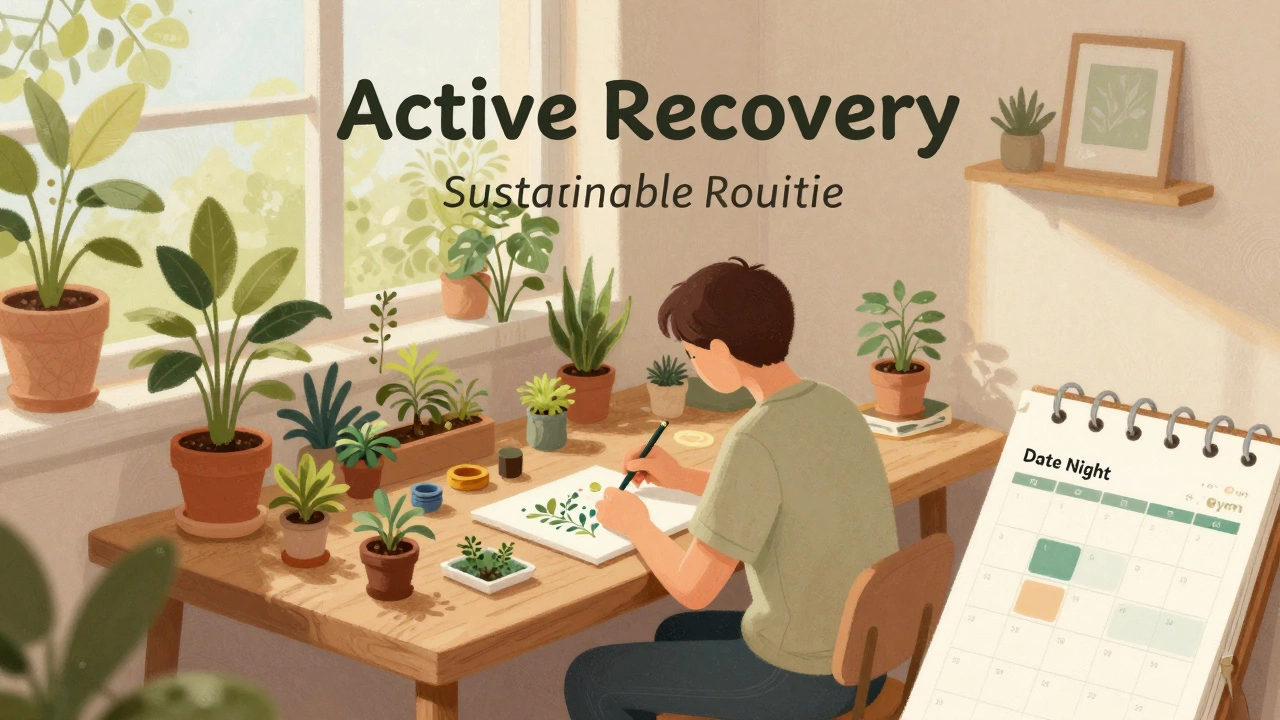
To counter this, you need to redefine "rest." Rest isn't just the absence of work; it's the presence of activities that recharge you. This could be a hobby that has zero commercial value-like painting miniatures or gardening. When you engage in Active Recovery, you're giving your prefrontal cortex a break from the decision-making stress of your job.
Remember that sleep is the non-negotiable foundation of this balance. A lack of sleep impairs your executive function, making you less efficient at work and more irritable at home. If you're cutting sleep to finish a project, you're essentially borrowing time from tomorrow at a very high interest rate.
Dealing with Toxic Work Cultures
Sometimes, the problem isn't your time management; it's the environment. If you work for a company that rewards those who stay latest or expects responses to emails at 2 AM, no amount of time-blocking will save you. In these cases, you have two choices: attempt to shift the culture from within or find a new environment.
To shift the culture, start with your direct reports or peers. Be the example. Stop sending emails on Sundays. When a boss emails you at midnight, don't reply until 9 AM the next morning. If you reply instantly, you're confirming that you're available, which reinforces the behavior. By establishing a pattern of delayed responses during off-hours, you subtly signal that your time is valuable.
A Sustainable Routine for the Long Haul
Restoring balance is not a one-time event; it's a maintenance project. Your needs will change. Some weeks, a big project will require more of your energy, and that's okay-as long as it's followed by a period of intentional recovery. The key is to avoid letting the "crunch time" become the "permanent time."
Schedule your personal life with the same rigor you schedule your work meetings. Put your gym sessions, date nights, and reading time in your digital calendar. If it's in the calendar, it's a commitment. If it's just a "wish," it will always be the first thing you sacrifice when work gets hectic.
Is it possible to have a perfect work-life balance?
Not really. "Balance" suggests a static 50/50 split, which is unrealistic. Instead, think of it as "work-life integration" or a pendulum. Some days work will take more, some days your family will. The goal is to make sure the pendulum doesn't get stuck on one side for too long.
How do I tell my boss I'm overwhelmed without sounding lazy?
Focus on productivity and quality, not hours. Instead of saying "I'm stressed," say "I want to ensure the quality of Project X remains high, but my current bandwidth is full. Which of these three tasks should I prioritize to ensure we hit the deadline?" This frames the problem as a business efficiency issue rather than a personal struggle.
What if I work from home? How do I separate the two?
Create a physical and psychological divide. Use a dedicated workspace-even if it's just a specific chair. When you're done, physically close the laptop or put it in a drawer. Use a "commute substitute," like a 10-minute walk around the block, to signal to your brain that you've left the office and entered your home.
Does taking a vacation actually help with burnout?
A vacation is a temporary fix. If you return to the same toxic environment and the same habits, the burnout will return within weeks. Vacations are great for resetting, but long-term recovery requires changing the daily systems and boundaries that caused the stress in the first place.
What are the signs that I've already lost my balance?
Common red flags include chronic fatigue that sleep doesn't fix, increased irritability with loved ones, a feeling of dread on Sunday evenings, and a decline in the quality of your work despite working longer hours. If you find yourself unable to concentrate on a movie or book because you're thinking about a spreadsheet, you've likely crossed the line.