UK Tipping Calculator
Stepping off a plane at Heathrow or landing in Manchester can feel like entering a different universe. The air smells different-rainier, perhaps?-and the rhythm of life feels distinctively British. For many travelers, the United Kingdom is a dream destination filled with history, culture, and incredible food. But navigating local customs isn't always intuitive. What seems like a polite gesture in one country might be considered rude in another.
I’ve spent years observing these nuances, both from my home in Melbourne and during numerous trips across the UK. Understanding the unwritten rules of British society can transform your trip from merely good to truly memorable. It’s not just about seeing the sights; it’s about connecting with the place and its people on a deeper level. Here is what you need to know before you pack your bags.
The Art of the Queue
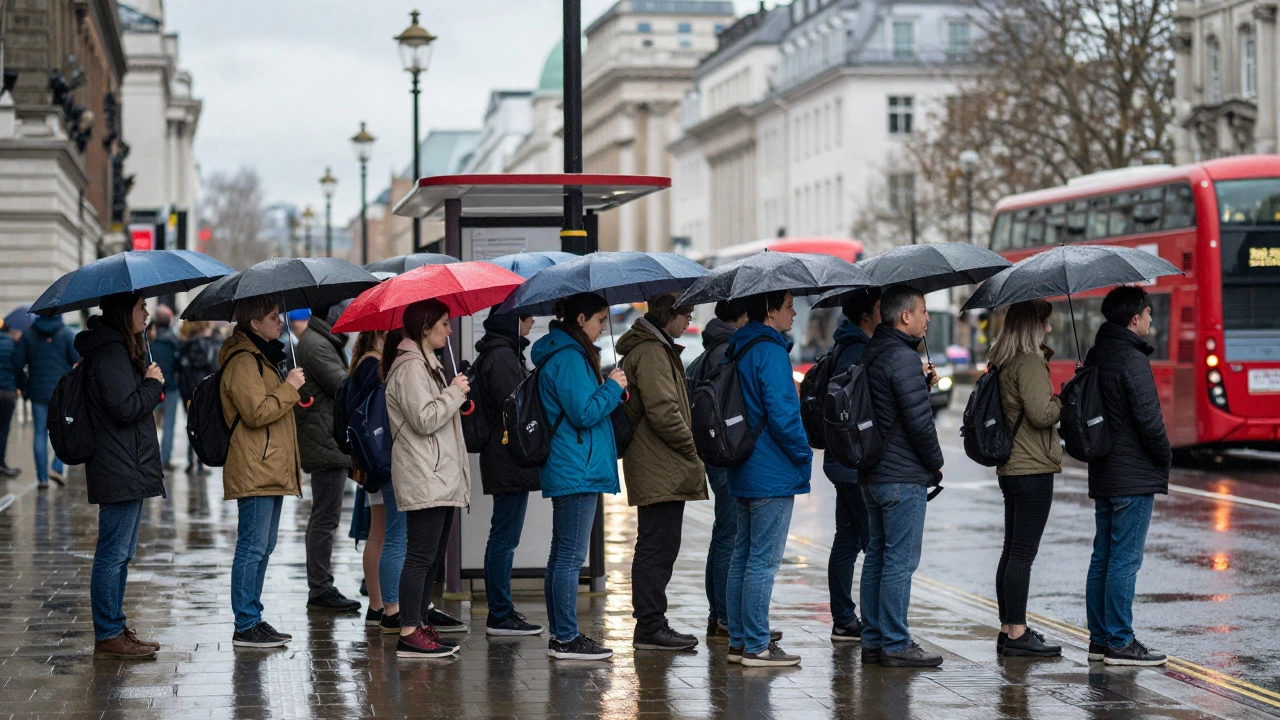
If there is one rule that defines British public behavior, it is the queue. In the UK, queuing is not just a logistical necessity; it is a moral imperative. You will see people forming lines spontaneously, often without any visible barriers or signs. This happens at bus stops, ticket counters, and even when waiting for the last train home.
Here is how to do it right:
- Find the end: Look for the person standing slightly apart from others. That is likely the back of the line. If unsure, ask politely, "Excuse me, is this the end of the queue?"
- Stay put: Once you are in line, resist the urge to shuffle forward aggressively. Patience is key.
- No cutting: Jumping the queue is arguably the most offensive social faux pas you can commit in Britain. It will result in raised eyebrows, muttered comments, and possibly a stern confrontation.
Don’t assume that because no one is physically blocking your path, you can bypass someone who arrived seconds before you. The invisible line is sacred. Even if the person ahead of you steps aside to check their phone, they remain in the queue. Respect the order, and you’ll earn instant respect in return.
Paying Your Way: Tipping Culture
Tipping in the UK works differently than in countries like the United States. Many visitors get confused by the card machines at restaurants, which often prompt you to add a tip. Let’s clear up the confusion once and for all.
In the UK, service charges are often included in the bill, especially in sit-down restaurants. Always check your receipt first. If a 12.5% service charge is already added, you are under no obligation to pay more. However, if the service was exceptional, leaving an additional small amount is appreciated but not expected.
If no service charge is included, here is the general guideline:
- Restaurants: 10-15% is standard for good service.
- Cafes and Pubs: Tipping is not mandatory. Rounding up the change or leaving loose coins is sufficient.
- Taxis: Round up to the nearest pound or add 10% for longer journeys.
- Hotels: £1-2 per bag for porters and £1-2 per night for housekeeping is customary but optional.
Don’t overtip out of guilt or habit from other countries. British service workers appreciate fair compensation, but excessive tipping can sometimes make them uncomfortable. Keep it simple and proportional to the service received.
Navigating Public Transport
Public transport in the UK, particularly in cities like London, Edinburgh, and Manchester, is efficient but comes with its own set of unspoken rules. Whether you are taking the Tube, a bus, or a train, understanding these protocols will save you stress and awkward moments.
First, let’s talk about payment. In London, you don’t necessarily need to buy an Oyster card anymore. Using a contactless debit or credit card is just as easy and often cheaper due to daily fare caps. Just tap in and tap out every time you enter and exit the station. Forgetting to tap out can result in being charged the maximum fare, so make it a habit.
On trains and the Tube, space is at a premium. Here is how to behave:
- Stand on the right: On escalators, stand on the left side to allow people in a hurry to pass on the right. This is strictly enforced in London.
- Mind the gap: Literally and figuratively. Be aware of the physical gap between the train and platform, and also give space to those getting off before you board.
- Silence is golden: Mobile phone conversations are frowned upon on trains, especially during peak hours. Use headphones for music or calls if necessary.
- Priority seating: Seats marked with symbols are reserved for elderly, disabled, or pregnant passengers. Give them up if needed, even if you think you look fine.
Don’t block the doors. As soon as the train stops, move toward the center of the carriage to let people off. It’s a simple act of courtesy that keeps everyone moving smoothly.
Dining Etiquette and Pub Culture
Eating and drinking in the UK offers unique experiences, from high-end dining to cozy pub meals. Knowing the basics of table manners and pub behavior will help you blend in seamlessly.
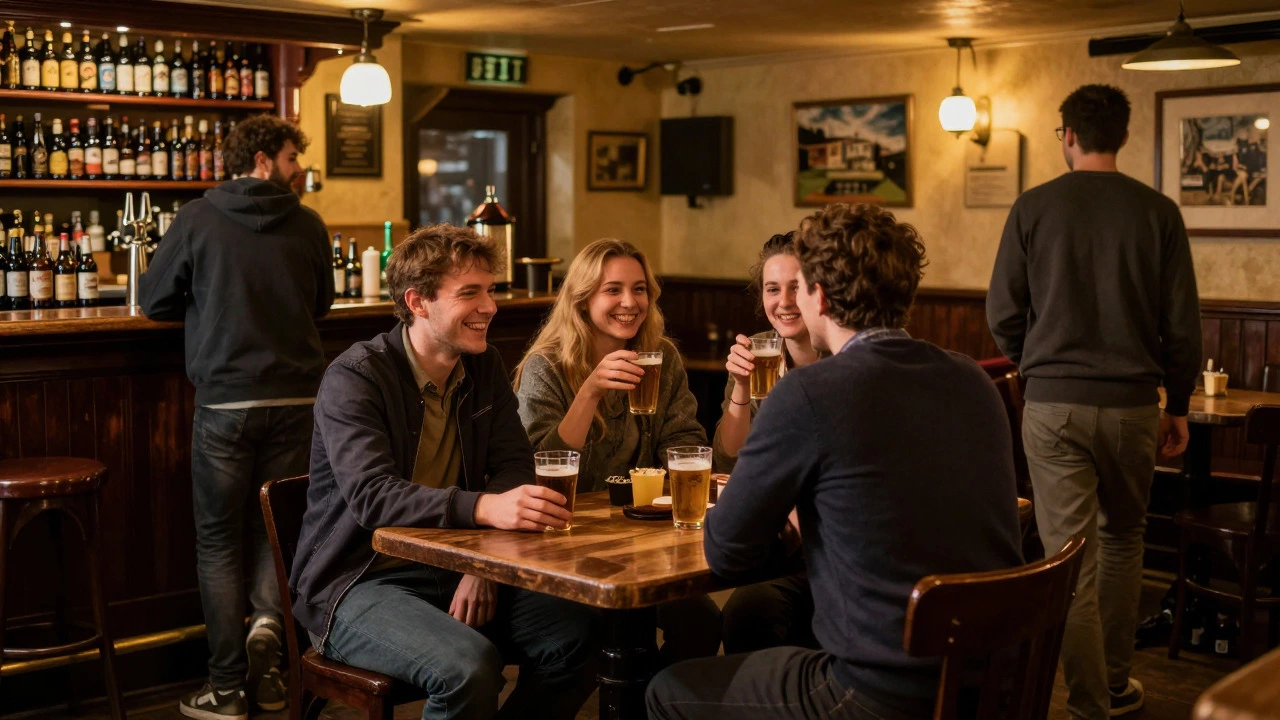
In pubs, ordering is straightforward. Walk up to the bar, state your order clearly, and pay immediately. Unlike some countries where service comes to your table, in traditional pubs, you collect your drinks yourself. If you are with a group, it is common to take turns buying rounds. This builds camaraderie and ensures everyone contributes equally.
At dinner tables, whether in a restaurant or a home, follow these guidelines:
- Utensils: Use the continental style-fork in the left hand, knife in the right. Switching hands after cutting is less common.
- Water: Tap water is safe and delicious. Ask for a glass of tap water instead of bottled to save money and reduce waste.
- Tea breaks: Tea is ubiquitous. Accepting a cup of tea is a sign of hospitality. Don’t refuse unless absolutely necessary.
Don’t shout for service. A gentle wave or eye contact with the server is sufficient. Aggressive gestures can be perceived as rude. Remember, politeness goes a long way in British hospitality.
Weather Preparedness
The UK weather is famously unpredictable. One minute it’s sunny, the next it’s pouring rain. Being prepared is essential for enjoying your trip regardless of the conditions.
Pack lightweight, waterproof jackets rather than heavy coats. Layers allow you to adjust throughout the day as temperatures fluctuate. Comfortable walking shoes are non-negotiable. Cobblestone streets and uneven pavements can ruin cheap footwear quickly.
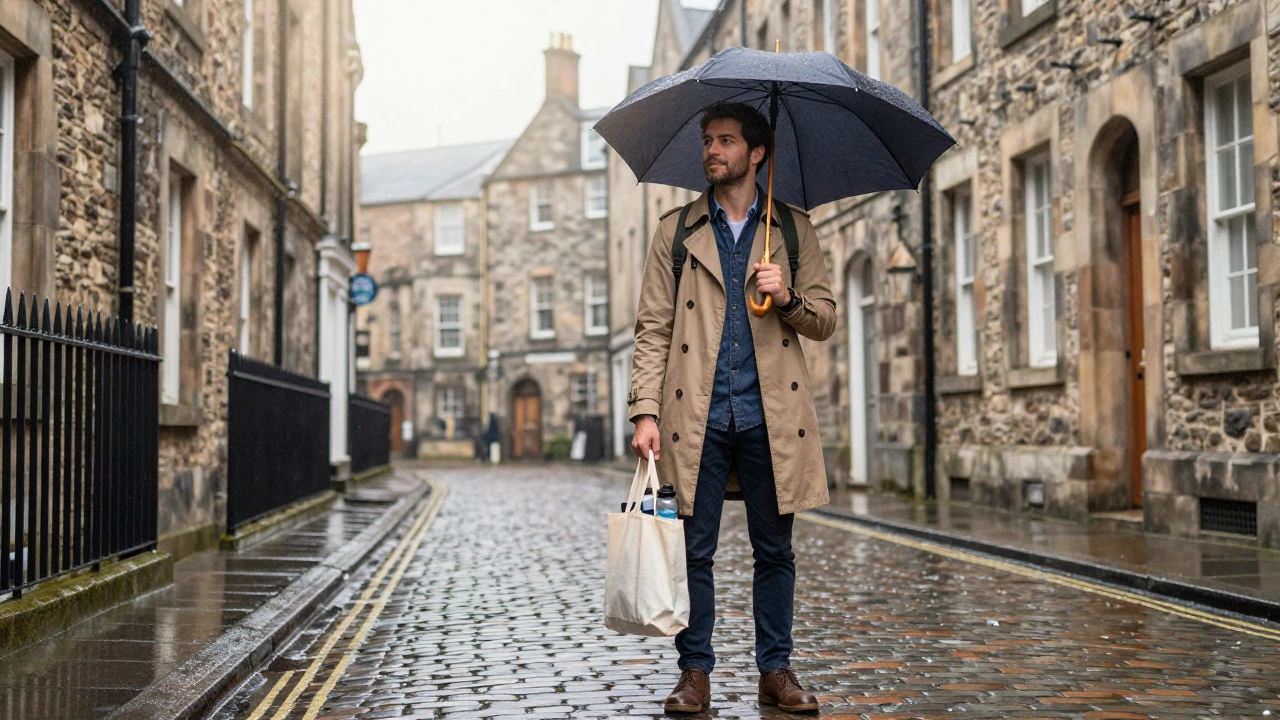
Don’t rely solely on forecasts. Even if the app says sun, carry a compact umbrella. Rain can appear suddenly and disappear just as fast. Embrace the wet weather as part of the experience-it adds character to the landscape and makes indoor cafes and museums even more inviting.
Language and Politeness
British English has its own quirks. Slang terms vary by region, and indirect communication is common. Understanding these subtleties helps avoid misunderstandings.
- Please and Thank You: These words are magic. Use them frequently. They soften requests and show appreciation.
- Sorry: Brits apologize often, even when not at fault. It’s a lubricant for social interactions. Don’t take it personally if someone says sorry to you.
- Indirectness: A British "yes" might mean "maybe," and a "no" might mean "not really." Pay attention to tone and context.
Don’t assume everyone speaks with a Received Pronunciation accent. Accents vary wildly across Scotland, Wales, Northern Ireland, and England. Listen carefully and ask for clarification if needed. Most people are happy to repeat themselves patiently.
Safety and Security
The UK is generally safe for tourists, but like any major destination, it requires basic vigilance. Pickpocketing occurs in crowded areas, particularly in London, Manchester, and tourist hotspots.
Keep your valuables secure. Use cross-body bags with zippers, and avoid displaying expensive jewelry or electronics unnecessarily. At night, stick to well-lit main streets. Trust your instincts-if a situation feels off, leave it.
Don’t ignore local advice. If locals advise against certain areas late at night, heed their warnings. Research neighborhoods beforehand to plan your evenings wisely. Emergency services can be reached by dialing 999 or 112.
Environmental Awareness
Sustainability is increasingly important in the UK. Many cities have implemented plastic bag charges, and recycling facilities are widespread. Participating in these efforts shows respect for local values.
- Recycling: Look for color-coded bins. Blue for paper, green for glass, yellow for plastics/metals. Separate your waste accordingly.
- Plastic Reduction: Carry a reusable water bottle and shopping bag. Supermarkets charge for single-use bags.
- Energy Conservation: Hotels encourage guests to reuse towels and turn off lights when leaving rooms.
Don’t litter. Fines for littering can be steep, and keeping public spaces clean is a shared responsibility. Small actions contribute to a larger positive impact.
Final Thoughts on Cultural Sensitivity
Traveling in the UK is about more than checking off landmarks. It’s about engaging with a rich cultural tapestry woven from centuries of history, diverse communities, and evolving traditions. By respecting local customs, you open doors to authentic interactions and deeper insights.
Remember, mistakes happen. If you slip up, apologize sincerely and move on. Brits appreciate effort and goodwill far more than perfection. Approach your journey with curiosity and humility, and you’ll find warmth and welcome everywhere you go.
Is it expensive to visit the UK?
Costs vary depending on location and season. London is pricier than rural areas. Budget travelers can manage with hostels, self-catering accommodations, and free attractions like parks and museums. Mid-range options offer comfort without breaking the bank.
Do I need a visa to visit the UK?
Citizens of many countries, including the US, Canada, Australia, and EU nations, can visit for up to six months without a visa for tourism. Check official government websites for specific requirements based on your nationality.
What currency is used in the UK?
The British Pound Sterling (£) is the official currency. Cards are widely accepted, but carrying some cash is useful for small purchases, markets, and tips. ATMs dispense pounds readily.
Are dogs allowed in pubs?
Many pubs welcome well-behaved dogs, especially in outdoor seating areas. Always check beforehand or ask the staff. Service animals are always permitted indoors.
How do I handle electrical outlets?
The UK uses Type G plugs with three rectangular pins. Bring a universal adapter if traveling from abroad. Voltage is 230V, so check device compatibility before plugging in electronics.