London Currency Converter
USD to GBP Converter
Convert dollars to pounds for your London trip. Remember: US banks charge 3% fees on ATM withdrawals.
Travel Tips
• Use a no-foreign-fee card like Charles Schwab or Revolut
• Withdraw cash from bank ATMs (not airport exchange booths)
• Check your bank's app for foreign transaction fees
• Many shops prefer chip-and-PIN instead of contactless
Your £100 withdrawal will cost: £103
(Including 3% bank fee)
When you land in London, you won’t just be stepping into a city-you’ll be stepping into a rhythm that’s completely different from what you’re used to back home. Americans often assume London is just like New York with tea and royal palaces. But the truth? It’s weirder, quieter, and way more efficient in ways you won’t expect. Here’s what you actually need to know before you go.
The Underground Isn’t Just a Subway
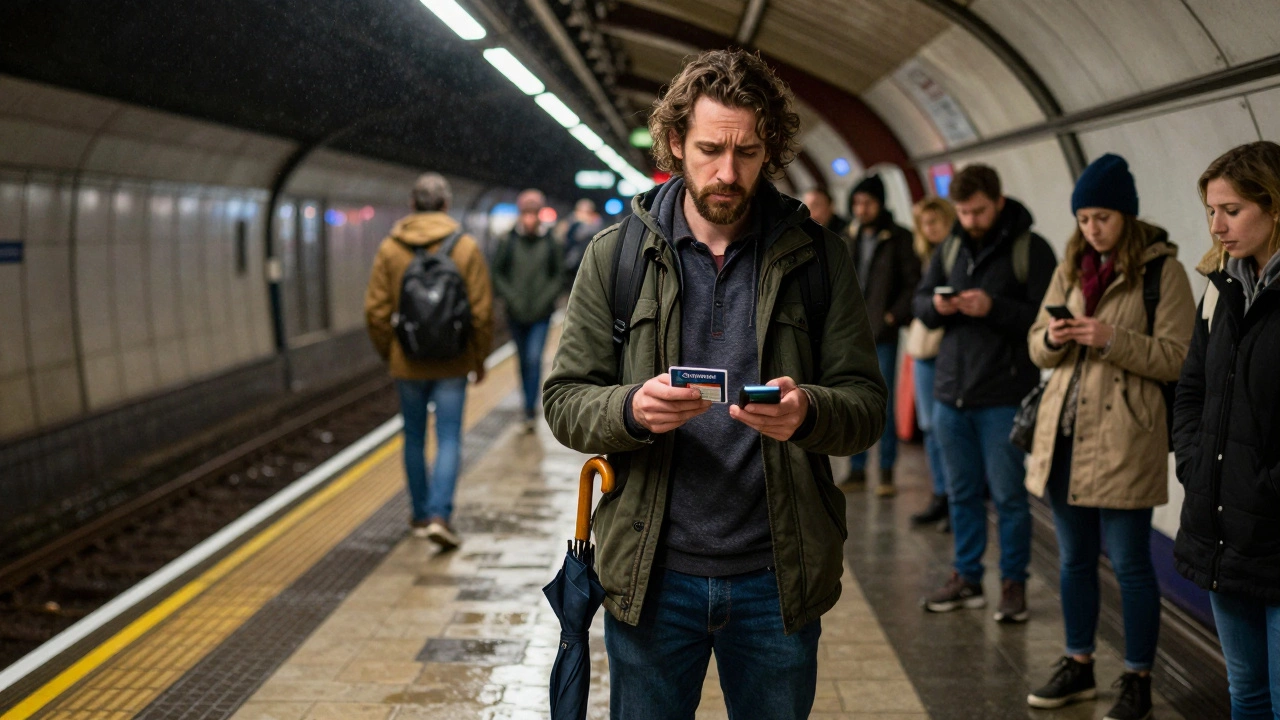
You’ve heard of the Tube. But if you think it’s like the NYC subway, you’re in for a surprise. London’s Underground runs 24 hours on weekends, but don’t expect elevators everywhere. Most stations have stairs, narrow platforms, and no air conditioning. The London Underground is old, crowded, and brilliant. Download the Citymapper app before you leave. It tells you real-time delays, platform changes, and even which door to stand by for faster exits. Pay with a contactless card or an Oyster card. Don’t buy paper tickets. They cost more, take longer, and you’ll waste time in lines you didn’t know existed.
Don’t Panic About the Weather
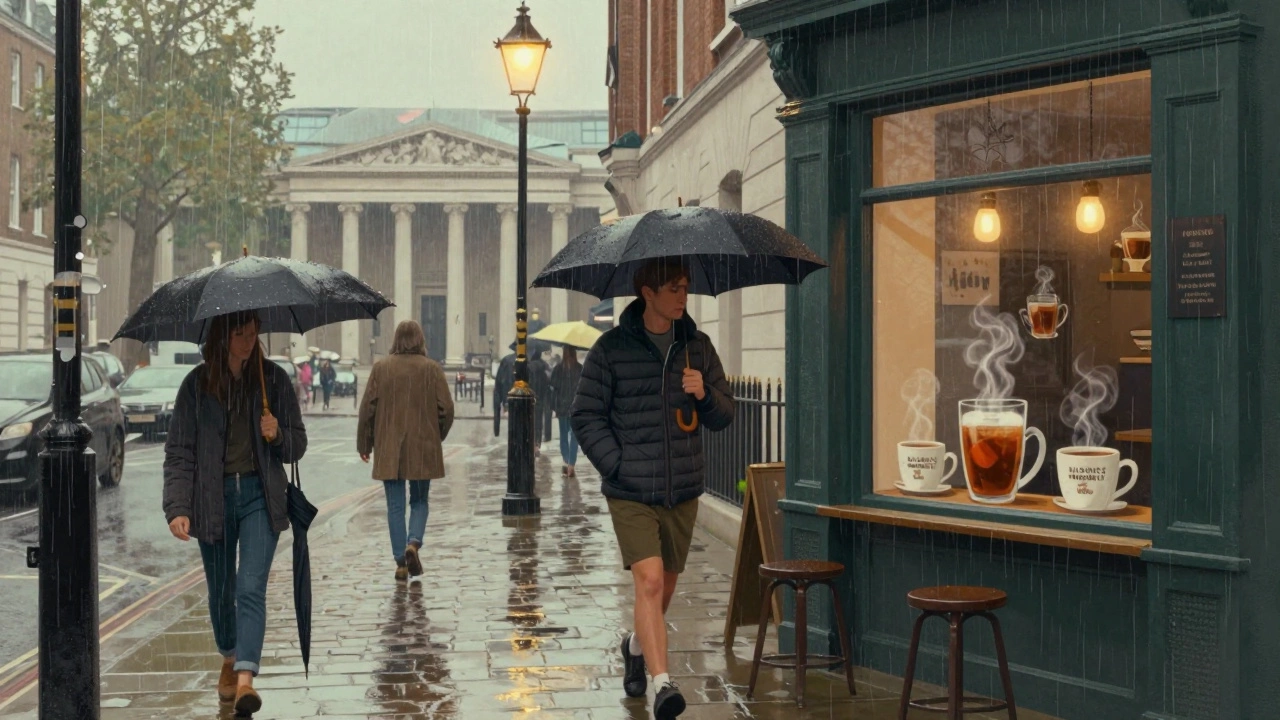
Americans often pack for London like it’s Paris in July. It’s not. The weather doesn’t care about your itinerary. It rains 150 days a year. Even in summer, you’ll need a light raincoat. Temperatures rarely go above 75°F (24°C) and drop to 40°F (4°C) at night. You’ll see locals walking in shorts with umbrellas tucked under their arms. That’s not odd-it’s normal. Pack a foldable umbrella, waterproof shoes, and layers. No one wears heavy winter coats in March. A thin puffer jacket and a scarf are enough.
Pounds, Not Dollars
Don’t rely on your American debit card to automatically convert at the point of sale. Many shops in London still prefer chip-and-PIN. If your card doesn’t have a chip, you’ll be turned away. ATMs are everywhere, but avoid airport exchange booths-they give terrible rates. Withdraw cash from a bank ATM instead. Use your bank’s app to check foreign transaction fees. Most U.S. banks charge 3% per withdrawal. Better yet: use a no-foreign-fee card like Charles Schwab or Revolut. And yes, tipping is optional. 10% is polite in restaurants, but not expected. Many places add a service charge already. Check the bill.
Public Transport Rules Are Not Suggestions
On the Tube, you stand on the right, walk on the left. It’s not a suggestion. It’s law. If you block the left side with your suitcase, someone will tap you on the shoulder. No exceptions. Buses don’t have doors that open automatically. You press a button, then wait. Drivers won’t stop if you’re not ready. And if you’re on a bus and want to get off, you must press the button before the stop. Miss it? You’re going to the next borough. No one will help you. That’s how it works.
Londoners Don’t Talk to Strangers
Don’t try to make small talk on the Tube. Don’t ask, “Is this the right train?” unless you’re clearly lost. People will look at you, then look away. It’s not rude-it’s cultural. Americans often mistake silence for coldness. It’s not. Londoners are polite, just private. If you ask for directions, be specific. “Where’s the nearest Tube?” won’t work. Say, “How do I get to the British Museum from here?” They’ll give you a clear answer. And if someone says “Cheers,” they mean “thank you.” Not “let’s drink.”
The Food Isn’t What You Think
You’ll hear “fish and chips” and think it’s greasy fast food. It’s not. A good chippy uses fresh cod, crispy batter, and sea salt. Try it with mushy peas and vinegar. That’s the real deal. Tea isn’t just a drink-it’s a ritual. You don’t order “a latte” at 3 p.m. You order a “builder’s tea”-strong, milky, in a mug. And don’t expect Starbucks to be everywhere. Independent cafes rule. Try a London cafe like The Guardian’s former office location in Clerkenwell. The coffee is better, the staff remembers your name, and you’ll get a free biscuit.
Opening Hours Are Strict
Most museums are free. That’s right-free. The British Museum, the National Gallery, Tate Modern-they all let you in without paying. But they close at 5 p.m., sometimes 6 p.m. on weekends. If you show up at 5:30, you’ll be turned away. Shops close at 6 p.m. on weekdays. Sunday hours are limited. Don’t assume everything is open like in the U.S. Grocery stores like Tesco and Sainsbury’s close at 10 p.m., but corner shops (called “convenience stores”) stay open until midnight. Plan ahead.
Don’t Try to See Everything in One Trip
London has 32 boroughs. You can’t see them all in three days. Pick one area and explore it deeply. Camden Market is loud, fun, and packed. Not worth it on a Saturday. Try Brixton instead-authentic Caribbean food, street art, and live music. Or go to Greenwich for the Royal Observatory and a free ferry ride down the Thames. Walk. That’s how locals do it. You’ll see more in 30 minutes walking than in 2 hours on a double-decker bus.
There’s No Such Thing as “American Service”
Don’t expect servers to check on you every five minutes. They’re not trying to be rude. They’re trained to leave you alone. If you need something, say “Excuse me” and make eye contact. Don’t snap your fingers. Don’t say “Can I get the bill?” Say “Could I have the check, please?” It’s polite. And if you’re in a pub, order at the bar. Don’t wait for someone to come to your table. You’ll be waiting all night.
What to Pack That No One Tells You
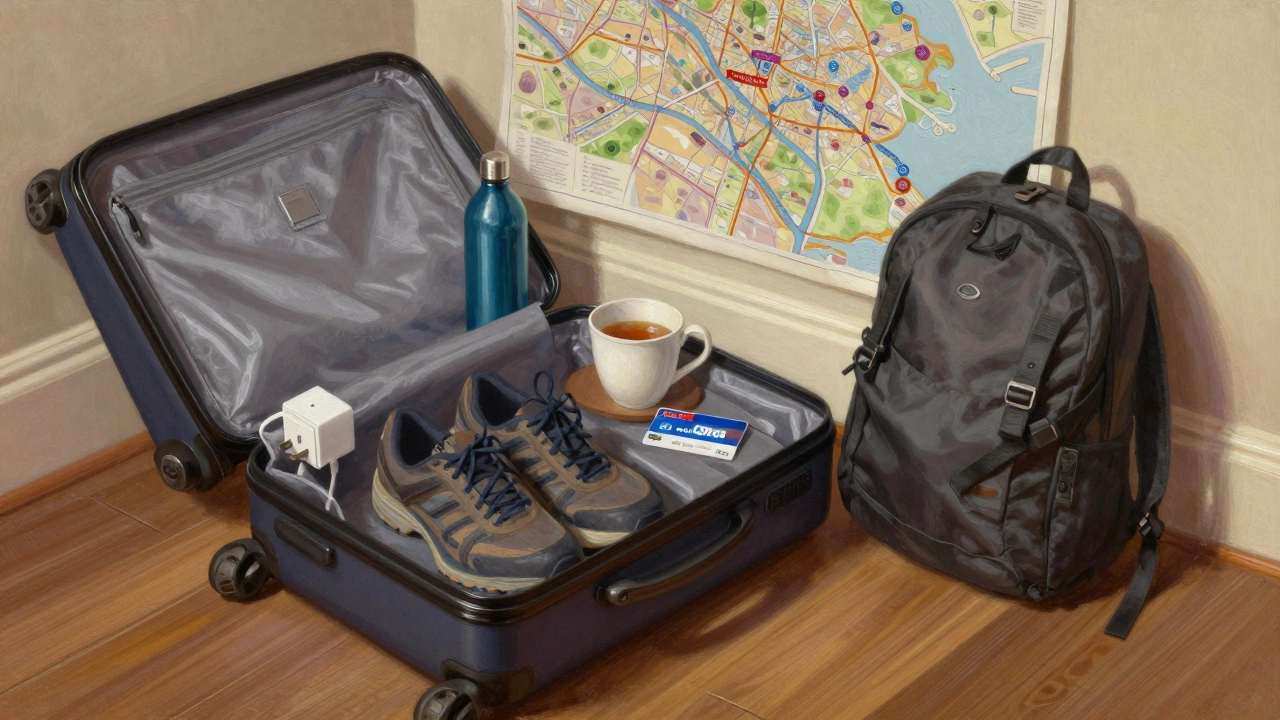
- A universal plug adapter (UK uses Type G, 3-prong, 230V)
- A reusable water bottle (tap water is safe and free everywhere)
- A small daypack (pickpockets exist, but they target tourists with big cameras)
- Comfortable walking shoes (cobblestones are real)
- A phrasebook app (yes, even if you speak English)
Most Americans forget: London has no free public Wi-Fi outside airports. Use your phone’s hotspot. Or buy a local SIM card at the airport. Vodafone and EE have good coverage. Three offers the best deals for tourists.
Final Tip: Be Patient
London doesn’t rush. Trains are late. Buses get stuck. People take their time. If you’re stressed about schedules, you’ll hate it. But if you slow down, you’ll notice the little things: the smell of fresh bread from a bakery at 7 a.m., the sound of a busker playing violin near Covent Garden, the quiet of St. James’s Park at sunset. That’s London. Not the postcards. Not the movies. The real thing.