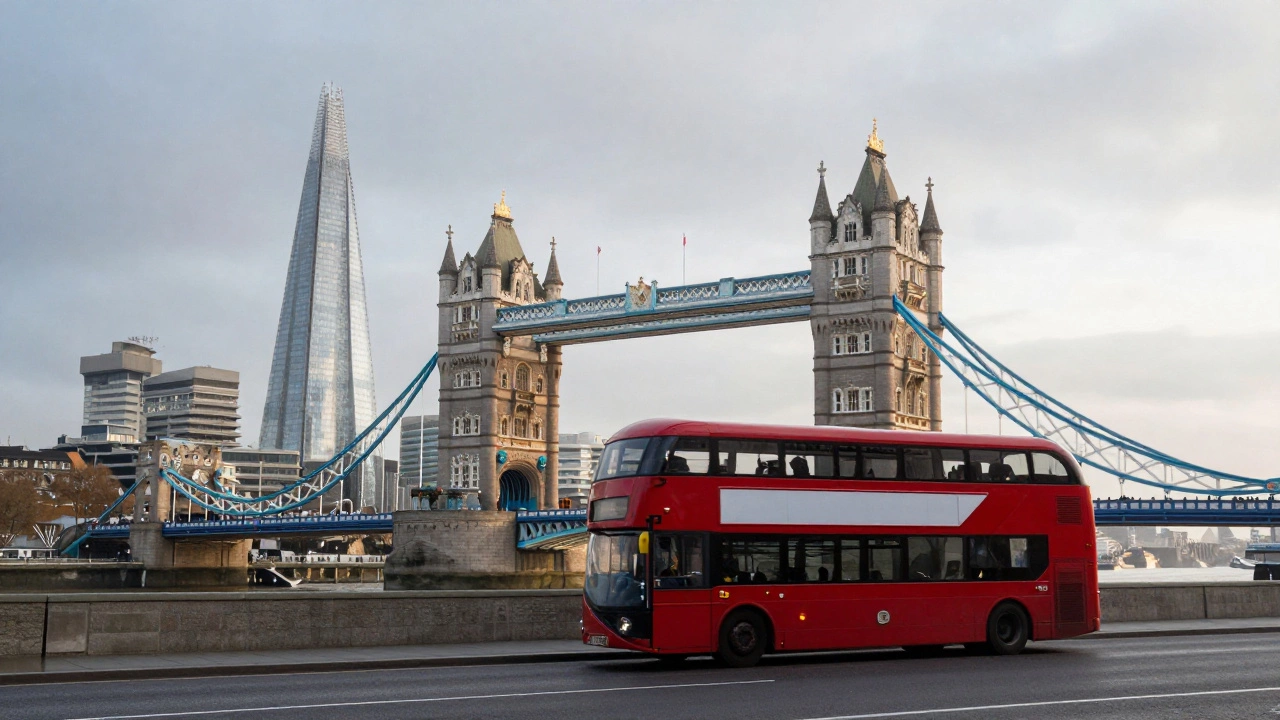
- Best time to visit: May to September for weather; November to December for Christmas markets.
- Key transport: Trains for cities, rental cars for the countryside.
- Must-have apps: Trainline and Google Maps.
- Budget tip: Use contactless payment for everything to avoid expensive currency exchange.
Sorting Out Your Entry and Paperwork
Before you even look at hotels, you need to handle the legal side of things. For most visitors, United Kingdom is a sovereign country consisting of England, Scotland, Wales, and Northern Ireland. Depending on where you're from, you might need a visa. If you're coming from Australia or the US, you typically don't need a visa for short tourist stays, but you'll need a valid passport. One thing that often trips people up is the Electronic Travel Authorisation (ETA), which is a digital travel permission for visitors who do not need a visa to enter the UK. As of 2026, the rollout for this is pretty much complete for most major nationalities. Don't leave this until the night before your flight; it usually takes a few days to process, and you can't board your plane without it.Picking Your Base: London and Beyond
London is the capital city of England and the UK, known for its global financial hub and historic landmarks. Most first-timers spend at least 4 or 5 days here. If you stay too long, you miss the soul of the country; if you stay too short, you only see the tourist traps. When choosing where to stay, avoid the very center of the West End if you're on a budget. Look at areas like Southwark or Bloomsbury. They are walkable and keep you close to the action without the eye-watering price tags of Mayfair. But England isn't just London. To really experience the place, you need to divide your time. If you like history, head north to York, a walled city with a stunning medieval center. If you want those postcard-perfect villages with honey-colored stone houses, the Cotswolds is your spot. Just be warned: the Cotswolds are nearly impossible to navigate without a car. If you're not comfortable driving on the left side of the road, look into guided day tours from London.Mastering English Transportation
Getting around is where most tourists lose their minds. In London, forget buying a physical travel card. Use your phone's digital wallet or a contactless credit card to tap in and out of the London Underground (better known as the Tube). It's the fastest way to move, though the Central Line can feel like an oven in August. For traveling between cities, the National Rail network is your best bet. However, buying tickets at the station on the day of travel is a financial mistake. Tickets are significantly cheaper if you book 'Advance' fares via the Trainline app weeks in advance.| Mode | Best For | Pros | Cons |
|---|---|---|---|
| The Tube | Inner London | Fast, frequent | Crowded, expensive peaks |
| National Rail | City-to-City | Comfortable, scenic | Pricey if not booked early |
| Rental Car | Countryside | Total freedom | Narrow roads, left-side driving |
| Coach (Bus) | Budget Travel | Very cheap | Slower, traffic-dependent |

Budgeting for the British Experience
Planning a plan a trip to England requires a realistic look at the costs. England is generally more expensive than Eastern Europe but often cheaper than Scandinavia. Food varies wildly. You can grab a 'Meal Deal' at a supermarket like Tesco or Sainsbury's for under £5, which is a local obsession. On the other hand, a dinner at a nice spot in Covent Garden will easily run you £30-£50 per person. One huge pro tip: look for the 'Free' museums. The British Museum and the National Gallery are free to enter (though you should book a free time slot online). This is a great way to save your budget for experiences, like a West End show or a high-end afternoon tea.The Practicalities: Weather, Plugs, and Etiquette
Let's talk about the weather. Don't trust the forecast. It can be sunny at 10 AM and pouring by 10:15 AM. The key is layering. A light, waterproof jacket is non-negotiable, even in mid-summer. Regarding power, England uses the Type G plug (three rectangular pins). If you're coming from Australia or North America, you'll need a sturdy adapter. Don't buy a cheap one at the airport; they often fry your electronics. Get a surge-protected universal adapter. As for etiquette, the British are politely indirect. If someone says "That's interesting," they might actually mean "I think that's a terrible idea." Also, queueing is a sacred art here. Never, ever jump a line; it's the fastest way to make an entire group of strangers dislike you.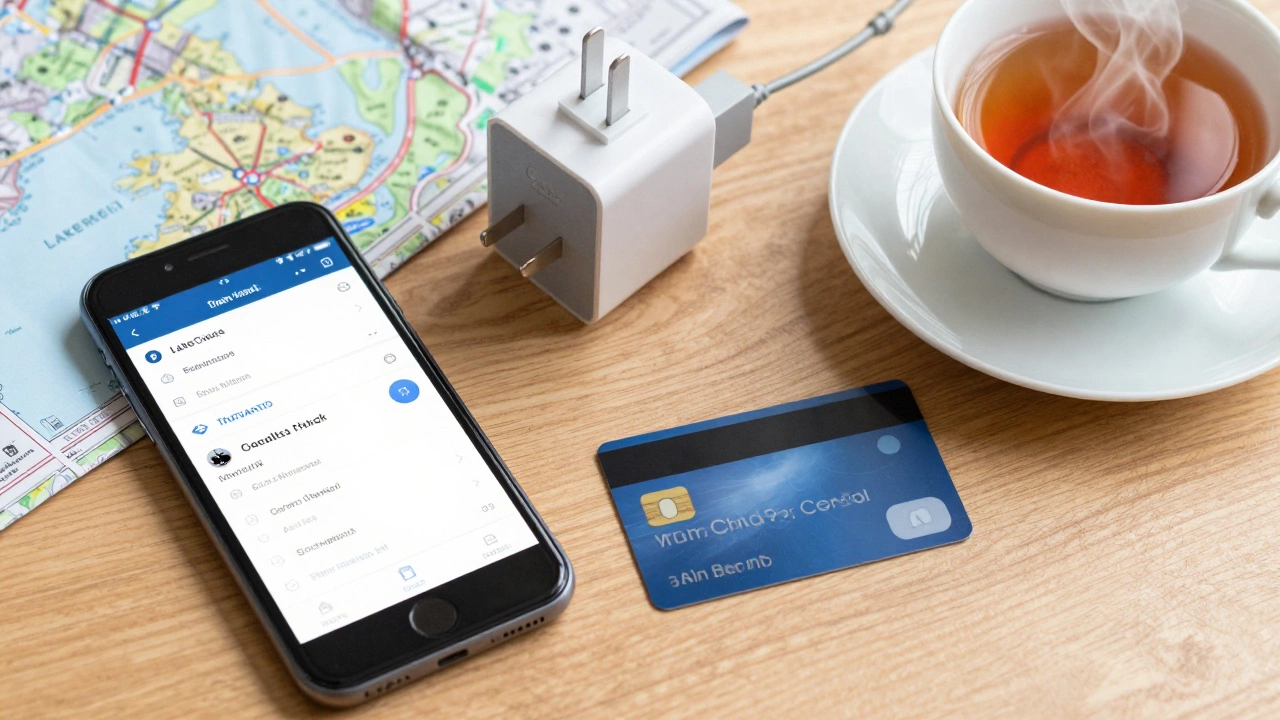
Creating Your Itinerary: A Sample 14-Day Route
If you're struggling to map this out, try this balanced flow. It prevents 'museum fatigue' and gives you a mix of urban and rural vibes.- Days 1-4: London. Focus on the South Bank, Tower of London, and a stroll through Hyde Park. Take one day for a dedicated museum crawl.
- Days 5-6: The Cotswolds. Rent a car or join a tour. Visit villages like Castle Combe or Bourton-on-the-Water. Stay in a traditional B&B.
- Day 7: Oxford. Stop here on your way north. Walk through the university colleges and visit the Bodleian Library.
- Days 8-9: York. Take the train from Oxford. Walk the Roman walls and explore the Shambles, one of the best-preserved medieval streets in the world.
- Days 10-11: The Lake District. If you like nature, head to Cumbria. Windermere is the most popular spot, but the smaller valleys offer better hiking.
- Days 12-14: Return to London. Use the final days for shopping on Regent Street or visiting a spot you missed on day one before your flight home.
Avoiding Common Tourist Pitfalls
Many people make the mistake of trying to see every single castle in the country. Trust me, after the third castle, they all start to look the same. Pick one or two iconic ones-like Windsor Castle or Warwick Castle-and spend your time actually enjoying them rather than rushing through. Another trap is the "Tourist Menu" in central London. If a restaurant has pictures of the food on a board outside and a staff member waving you in, keep walking. Walk three blocks away from the main square, and you'll find authentic pubs with better food for half the price. Finally, don't forget to breathe. The UK is small, but the transport can be unpredictable. Trains get cancelled, and roads get blocked. Build "buffer time" into your schedule. If you have a tight connection, you'll spend your whole trip staring at a departures board instead of a cathedral.Do I need to tip in England?
Tipping isn't as mandatory as it is in the US. In restaurants, a 12.5% service charge is often added automatically to the bill. If it's already there, you don't need to add more. In pubs, you don't typically tip for drinks at the bar. For taxis, rounding up to the nearest pound is common and appreciated.
Can I use my credit card everywhere?
Yes, almost everywhere in England accepts contactless payments. From high-end hotels to tiny fruit stalls in the countryside, tapping your card or phone is the norm. However, it's always smart to have about £20 in cash for very remote areas or small independent shops that might have a minimum spend for cards.
What is the best way to get from Heathrow Airport to Central London?
The Elizabeth Line is currently the best balance of speed and cost. It's faster than the Piccadilly Line (the Tube) and much cheaper than the Heathrow Express. If you have a lot of luggage, a pre-booked Uber or a black cab is the most stress-free option, though it will cost significantly more.
Is it safe to travel alone in England?
Generally, yes. England is very safe for solo travelers. Like any major city, you should stay aware of your surroundings in crowded areas (especially in London) to avoid pickpockets. Using official transport and staying in well-reviewed hostels or hotels makes the experience very smooth.
When is the cheapest time to fly to England?
The 'shoulder seasons'-March to May and September to October-usually offer the best flight deals and lower hotel prices. Mid-winter (January and February) is the cheapest overall, but the weather can be grey and biting cold, which might dampen the sightseeing experience.