Quick Dinner Decision Helper
Stuck deciding what to cook? Select a method below to see ingredients, steps, and tips.
Select a cooking method above to view details.
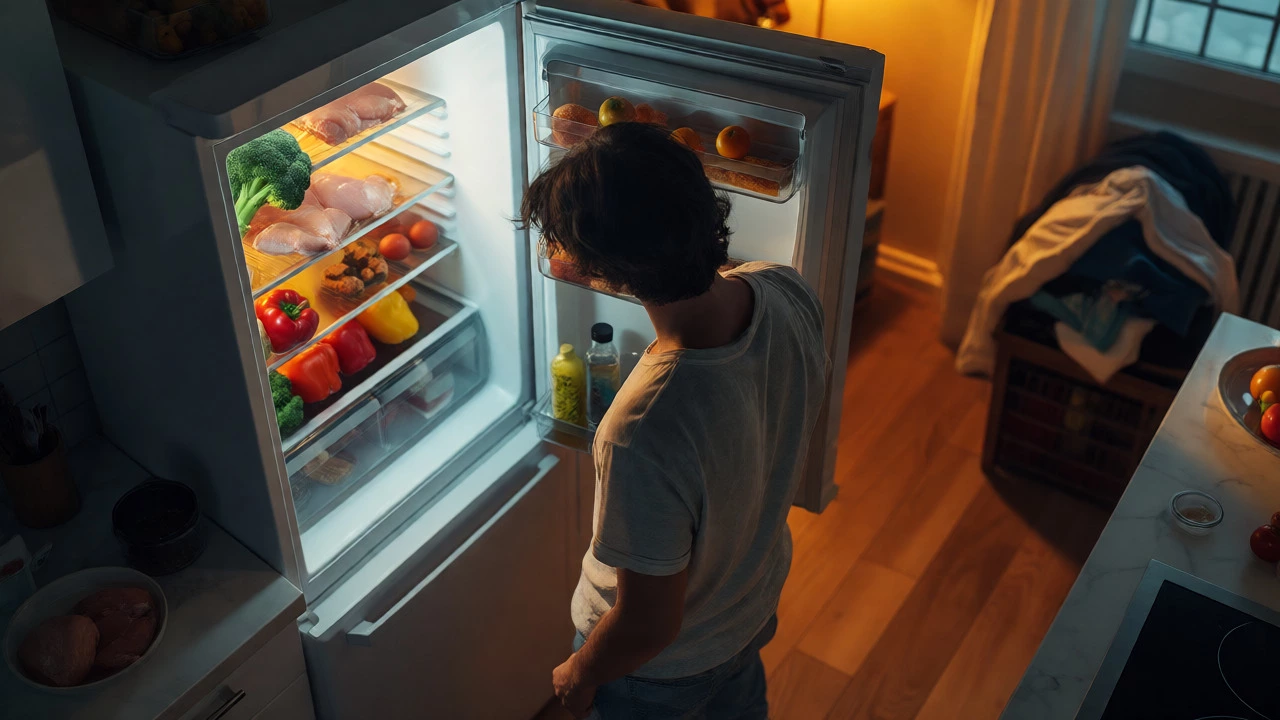
You stare into the fridge. It’s 6:30 PM. You’re tired. The delivery app is tempting, but so is that pile of laundry you haven’t folded. Sound familiar? We’ve all been there. The question isn't usually "what can I cook?" It's "what can I cook right now without losing my mind or spending an hour chopping onions?" That’s where basic dinners save the day. These aren't fancy restaurant dishes. They are reliable, repeatable, and genuinely good for you. Let’s cut through the noise and look at what actually works when you need food on the table fast.
The One-Pan Sheet Method
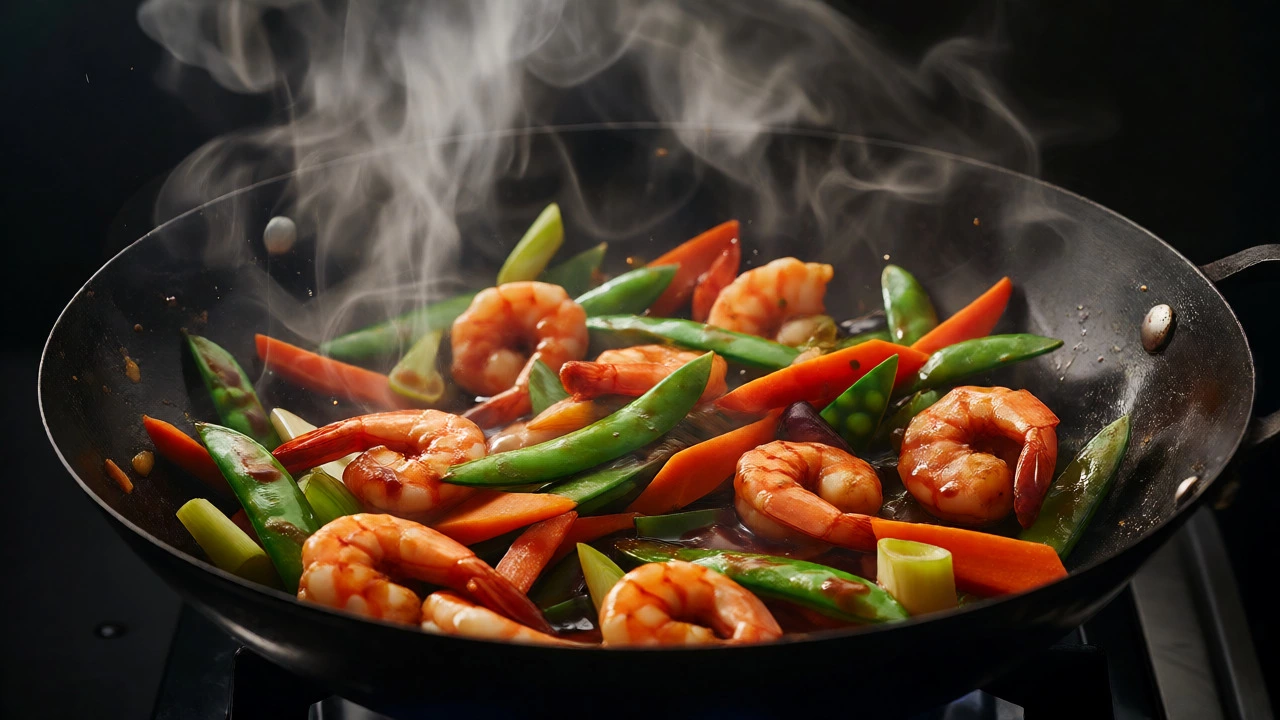
If you hate doing dishes, this is your new best friend. A Sheet Pan Dinner is a method of cooking multiple components of a meal on a single baking sheet in the oven. This technique minimizes cleanup and maximizes flavor by roasting ingredients together, allowing their juices to mingle. It’s efficient because the oven does the work while you shower or read a chapter of a book. The formula is dead simple: one protein + two vegetables + fat + seasoning. Toss them in olive oil, salt, pepper, and maybe some garlic powder. Spread them out so they roast rather than steam. Here’s how it breaks down:
- Protein: Chicken thighs (skinless), salmon fillets, chickpeas, or sausage slices.
- Vegetables: Broccoli florets, bell peppers, zucchini, red onion wedges, or Brussels sprouts.
- Fat & Flavor: Olive oil, lemon juice, dried herbs like oregano or thyme.
For example, try chicken thighs with broccoli and sweet potatoes. Roast at 425°F (220°C) for 25-30 minutes. The high heat caramelizes the veggies and crisps up the chicken skin if you leave it on. No stirring required until the end. If you’re vegetarian, swap the chicken for firm tofu cubes pressed dry. Tofu absorbs the marinade beautifully and gets surprisingly crispy if you coat it lightly in cornstarch before tossing it in oil.
Stir-Fry Speed Cooking
When you want something hot and savory in under 15 minutes, stir-frying is unbeatable. It’s not just about speed; it’s about texture. Stir-Fry is a Chinese cooking technique involving frying small pieces of food in a small amount of very hot oil while being moved around in a wok or large skillet. This method preserves nutrients and creates a distinct 'wok hei' or breath of the wok flavor. The key here is prep. Have everything chopped and mixed before you turn on the stove. Once the pan is hot, things move fast. Start with a base of aromatics: minced garlic, ginger, and sliced scallions. Throw them in the hot oil for 30 seconds until fragrant. Then add your protein-shrimp, beef strips, or diced chicken breast-and cook until just opaque. Remove the protein. Add hardy veggies like carrots or snap peas first, then softer ones like mushrooms or spinach later. Return the protein to the pan, pour in your sauce, and toss for another minute. A basic sauce ratio you can memorize: 2 parts soy sauce, 1 part rice vinegar, 1 part sesame oil, and a teaspoon of honey or sugar. Add a splash of water if it’s too salty. Serve over steamed rice or cauliflower rice. This dish is infinitely customizable. Use whatever vegetables are wilting in your crisper drawer. Bell peppers, bok choy, and cabbage all work well. The beauty of stir-fry is that it turns random leftovers into a cohesive, flavorful meal.
The Grain Bowl Formula
Grain bowls are perfect for meal prepping or using up odds and ends from the fridge. They are visually appealing, nutritionally balanced, and require zero cooking skills beyond boiling water. A Grain Bowl is a composed meal featuring a base of whole grains topped with proteins, vegetables, and sauces. This format allows for high customization and ensures a balance of macronutrients in every bite. Think of it as a salad that stays warm and filling longer.
Build your bowl in layers. Start with a grain base like quinoa, brown rice, farro, or couscous. Cook a big batch on Sunday and store it in containers. When you’re ready to eat, scoop a cup of grains into a bowl. Top with a protein source. Hard-boiled eggs, canned tuna, grilled chicken strips, or black beans are all excellent options. Next, add raw or roasted vegetables. Cherry tomatoes, cucumber slices, shredded carrots, or roasted sweet potato cubes add crunch and sweetness. Finish with a healthy fat and a dressing. Here is a quick comparison of common grain bowl bases:| Grain | Cook Time | Texture | Best For |
|---|---|---|---|
| Quinoa | 15 mins | Fluffy, slightly nutty | High protein needs |
| Brown Rice | 40 mins | Chewy, hearty | Meal prep longevity |
| Couscous | 5 mins | Light, soft | Quick weekday lunches |
| Farro | 25 mins | Dense, chewy | Hearty winter meals |
Soup for the Soul (and the Stomach)
On rainy days or when you’re feeling under the weather, soup hits different. But making soup doesn’t mean simmering bones for 12 hours. Quick soups rely on broth quality and fresh additions. A Broth-Based Soup is a liquid dish made by simmering meat, vegetables, or legumes in water or stock. Using a high-quality store-bought broth cuts preparation time significantly while maintaining deep flavor profiles. Look for low-sodium versions so you can control the saltiness yourself. Start with a mirepoix: equal parts chopped onion, carrot, and celery sautéed in butter or oil. This builds the flavor foundation. Add garlic for the last minute. Pour in four cups of vegetable or chicken broth. Bring to a boil, then reduce heat. Now, choose your main ingredient. Lentils are fantastic because they cook quickly (about 20 minutes) and don’t need soaking. Red lentils break down into a creamy consistency, perfect for a dal-style soup. Canned beans, rinsed and drained, are even faster-they just need warming through. Add greens like kale or spinach in the last five minutes. They wilt instantly and add vibrant color and iron. Season generously with cumin, paprika, or chili flakes. A squeeze of lemon juice right before serving brightens the entire pot. Serve with crusty bread for dipping. Leftover soup often tastes better the next day as the flavors meld. Freeze portions in individual containers for future emergencies.
Pasta Done Right
Pasta gets a bad rap for being unhealthy, but that’s mostly due to portion size and heavy cream sauces. Basic pasta dishes can be light, nutritious, and incredibly satisfying. The trick is to load up on vegetables and use lean proteins. Pasta Primavera is an Italian dish consisting of pasta tossed with freshly cooked vegetables and a light sauce, typically olive oil or tomato-based. This approach emphasizes fresh produce over heavy dairy, making it a lighter option.
Boil your pasta of choice. Whole wheat or chickpea pasta adds fiber and protein. While it cooks, sauté a mix of seasonal vegetables in olive oil. Zucchini, cherry tomatoes, spinach, and asparagus work well. Keep the veggies crisp-tender; don’t let them turn mushy. Drain the pasta, reserving a half-cup of starchy pasta water. Toss the pasta and veggies together in the pan. Add the reserved water gradually-it helps create a silky sauce without any cream. Finish with grated Parmesan cheese, fresh basil, and cracked black pepper. Another quick option is aglio e olio. Garlic, oil, chili flakes, and parsley. That’s it. It takes ten minutes. Add shrimp or white beans for protein. The simplicity forces you to use good ingredients. Cheap olive oil will taste flat here. Invest in a decent bottle. Pasta is comfort food, but it doesn’t have to be a carb coma. By balancing the plate with veggies and moderate portions, you keep energy levels stable instead of crashing after dinner.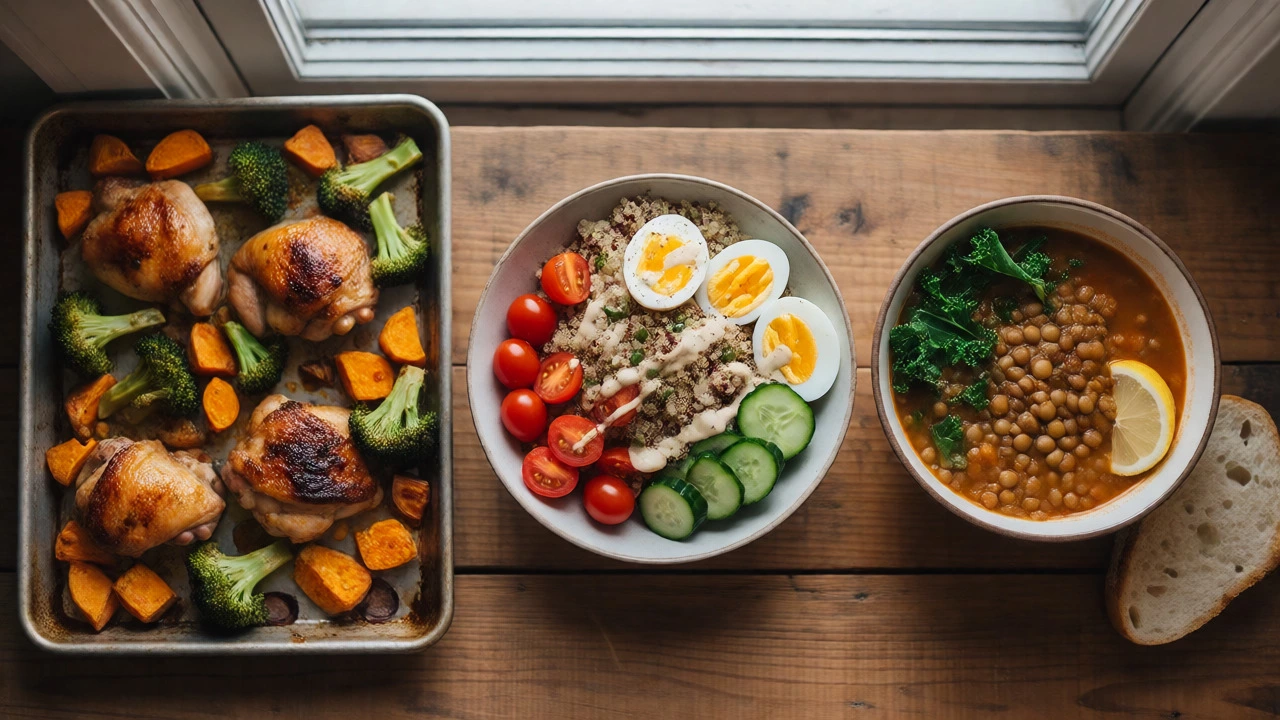
Tacos and Wraps for Interactive Eating
Sometimes you want dinner to feel like an event, even if it’s Tuesday night. Tacos and wraps allow everyone at the table to customize their own meal. This reduces complaints about "I don’t like this" because people can pick what they want. Taco Night refers to a casual dining experience where individuals assemble their own tacos from a variety of prepared fillings and toppings. This interactive format encourages social eating and dietary flexibility.
Set up a buffet line. Warm up corn or flour tortillas. Prepare a main filling: seasoned ground turkey, slow-cooked carnitas, or spiced black beans. Provide toppings like shredded lettuce, diced tomatoes, salsa, sour cream (or Greek yogurt), avocado, and lime wedges. The assembly process slows down eating, which aids digestion and satisfaction. Plus, kids love building their own tacos, making them more likely to eat their vegetables. Wraps are similar but portable. Use large lettuce leaves for a low-carb option or whole-wheat tortillas. Fill them with rotisserie chicken, shredded carrots, cucumber, hummus, and feta cheese. Roll them tight and slice in half. These are great for packing leftovers for lunch the next day. The variety keeps boredom at bay. Rotate your fillings weekly to keep things interesting. Try fish tacos with cabbage slaw one week, and Korean beef bulgogi wraps the next.Putting It All Together
Basic dinners aren't about deprivation. They're about efficiency and sustainability. If you rely on complicated recipes every night, you'll burn out. Stick to these five formats: sheet pans, stir-fries, grain bowls, soups, and pasta. Mix and match ingredients based on what's on sale or what needs to be used up. Keep your pantry stocked with staples like canned beans, frozen veggies, spices, and oils. This reduces decision fatigue. You won't wonder "what's for dinner?" because you'll know the framework. Just plug in the variables. Your body will thank you for the consistent, wholesome fuel, and your evenings will feel less chaotic. Start with one format this week. Master it. Then rotate to the next. Before long, you'll have a repertoire of go-to meals that take less time to make than waiting for delivery.
How do I keep basic dinners from getting boring?
Variation comes from swapping ingredients within the same format. If you make a stir-fry with chicken and broccoli one week, try shrimp and snap peas the next. Change the sauce profile: switch from soy-based to peanut-based or teriyaki. Rotating spices and herbs also changes the flavor dramatically without requiring new techniques. Keep a list of three favorite combinations per category and cycle through them.
Are frozen vegetables healthy enough for basic dinners?
Yes, absolutely. Frozen vegetables are picked at peak ripeness and flash-frozen, which locks in nutrients. In many cases, they retain more vitamins than fresh produce that has sat in transit for days. They are also pre-chopped, saving significant prep time. Just avoid varieties with added sauces or sodium. Plain frozen broccoli, peas, and mixed veggie blends are excellent staples for quick meals.
What is the cheapest way to build a basic dinner?
Legumes and grains are the most cost-effective calorie sources. Dried lentils, chickpeas, and rice are inexpensive in bulk. Pair them with seasonal vegetables, which are cheaper when in season. Buy meats in family packs and freeze portions. Eggs are another budget-friendly protein. Planning meals around sales flyers and using store-brand pantry items can cut costs by 30-50% compared to buying pre-packaged meals.
Can I meal prep basic dinners for the whole week?
Some formats meal prep better than others. Grain bowls and soups hold up excellently for 3-4 days in the refrigerator. Stir-fries and pasta can get soggy if stored too long, so it's better to prep the components separately and combine them right before eating. Sheet pan meals reheat well, especially if you undercook the vegetables slightly initially. Label containers with dates to track freshness.
How much time should a basic dinner take?
Aim for 20-30 minutes total, including prep and cooking. This timeframe is realistic for busy nights. If a recipe claims to take 15 minutes but requires extensive chopping, it might actually take 45. Focus on methods that allow passive cooking time, like roasting or simmering, so you can multitask. Pre-chopping vegetables on weekends can cut weekday prep time in half.