Greenwashing Risk Checker
Answer the following questions based on the product packaging or company website. The more specific the evidence, the higher your score.
Fill in the form to see if the brand is walking the talk or just talking green.
Walking down the aisle at a supermarket or scrolling through an online store, you see it everywhere: "100% Eco-Friendly," "Planet Positive," "Carbon Neutral." It’s easy to feel overwhelmed. You want to buy products that don’t hurt the planet, but how do you know which eco-friendly companies are actually walking the talk and which are just painting their logos in green? The truth is, there isn't one single list of "good" companies because sustainability is complex. A brand might be great for packaging but terrible for labor rights. Or excellent for local sourcing but heavy on carbon emissions from shipping. This guide cuts through the noise. We’ll look at specific sectors, real-world examples, and the red flags that help you make informed choices without spending hours researching every label.
Why "Eco-Friendly" Is Not One-Size-Fits-All
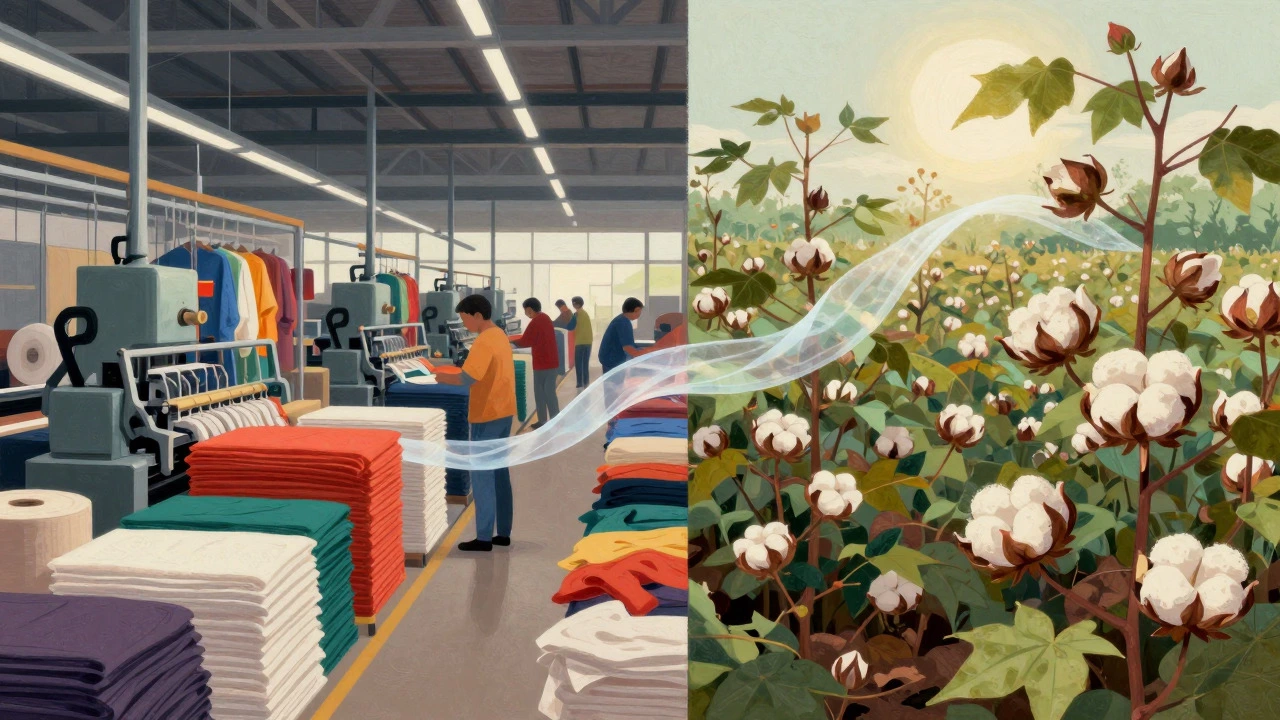
Sustainability isn't a binary switch. It's a spectrum with multiple dimensions. When people ask, "What company is eco-friendly?", they usually mean one of three things: low environmental impact, ethical labor practices, or both. These often overlap, but not always. Consider the fast fashion industry. Some brands have introduced recycled polyester lines (a win for waste reduction) but still rely on water-intensive cotton farming (a loss for resource conservation). Conversely, a small local bakery might use organic ingredients and compostable boxes but source butter from a factory farm with high methane emissions. To find truly sustainable options, you need to look at the whole picture, not just the marketing slogan.
Key Sectors and Standout Examples
Let’s break this down by category. These are sectors where consumer choice has a massive impact, and where some companies have made significant strides in transparency and innovation.
Food & Beverage
The food industry accounts for roughly one-third of global greenhouse gas emissions. Here, supply chain transparency is king.
- Patagonia Provisions: While known for outdoor gear, their food line focuses on regenerative agriculture. They work directly with farmers who use soil-building practices rather than chemical-heavy inputs.
- Oatly: The oat milk giant has been aggressive about reducing its carbon footprint per liter compared to dairy. They’ve invested heavily in renewable energy for their production facilities.
- Local Co-ops: Often overlooked, local food cooperatives in cities like Melbourne or Sydney reduce transport emissions significantly. Buying seasonal produce from these sources is often the most impactful "company" choice you can make.
Clothing & Apparel
Fashion is one of the largest polluters globally. Look for brands that prioritize durability and circularity over speed.
- Pact: Specializes in organic cotton basics. Their supply chain is audited for fair wages, and they use GOTS-certified fabrics, which ensure strict environmental and social criteria.
- Reformation: Known for using deadstock fabric (leftover material from other manufacturers) and Tencel™. They publish a "RefScale" score for each product, showing its environmental impact relative to conventional alternatives.
- Everlane: Pioneered radical pricing transparency. While their sustainability record has faced scrutiny, their commitment to showing exactly what goes into the cost of a shirt helps consumers understand the true price of cheap goods.
Home Goods & Cleaning
Household products often come in excessive plastic packaging and contain harsh chemicals.
- Blueland: Uses tablet-based cleaning solutions. Instead of buying bottles of liquid cleaner filled mostly with water, you buy a reusable spray bottle once and refill it with tablets. This reduces plastic waste by up to 80%.
- Bent Organic: Offers natural body care products packaged in recyclable glass or aluminum. They avoid palm oil and synthetic fragrances, focusing on clean ingredients.
How to Spot Greenwashing: The Red Flags
Just because a box says "Green" doesn't mean it's good. Greenwashing is when companies spend more time and money marketing themselves as environmentally responsible than actually minimizing their environmental impact. Here are the signs to watch for:
- Vague Terminology: Words like "natural," "green," or "earth-friendly" are not regulated. If a product claims to be "eco-friendly" without specifying *how*, be skeptical.
- Irrelevant Claims: A product labeled "ozone-friendly" might ignore its massive carbon footprint from manufacturing. Always check if the claim addresses the biggest issue for that product type.
- The "Halo Effect": A company might highlight one sustainable feature (like using recycled paper for manuals) while ignoring major issues (like poor waste management in factories).
- Lack of Third-Party Certification: Trust seals from recognized organizations matter. Look for B Corp certification, Fair Trade, or Energy Star. These require rigorous audits, unlike self-declared labels.
The Role of Certifications and Metrics
To move beyond guesswork, rely on standardized metrics. Here is a quick comparison of common certifications and what they actually verify.
| Certification | Focus Area | What It Verifies | Limitations |
|---|---|---|---|
| B Corp | Overall Business Impact | Governance, workers, community, environment, customers | Can be expensive to maintain; smaller brands may lack resources |
| Fair Trade | Labor & Supply Chain | Fair wages, safe working conditions, no child labor | Does not necessarily cover environmental practices |
| Energy Star | Product Efficiency | Meets strict energy efficiency guidelines set by EPA | Only applies to energy usage, not materials or end-of-life |
| GOTS | Textiles | Organic fiber content, environmental processing, social criteria | Specific to textiles; less useful for electronics or food |
Notice that no single certification covers everything. A B Corp status tells you a lot about a company's overall ethos, but if you're buying a washing machine, Energy Star is more relevant for your electricity bill. If you're buying coffee, Fair Trade ensures the farmers got paid fairly, but you should also check if it's organic to protect soil health.

Practical Steps for Consumers in 2026
You don't need to become a researcher to make better choices. Here is a simple framework to use before you hit "buy":
- Check the Ingredients/Materials: For food, look for short ingredient lists. For clothes, prefer natural fibers (organic cotton, linen, wool) or certified recycled synthetics.
- Look for Repairability: Does the company offer repair services? Brands like Patagonia and Fairphone encourage fixing products rather than replacing them. This extends the product's life and reduces waste.
- Read the Packaging Policy: How does the company handle returns? Do they use plastic mailers? Companies with clear, plastic-free return policies show a commitment to the full lifecycle.
- Support Local Where Possible: In Australia, supporting local producers reduces the carbon cost of long-haul shipping. Check out local markets or regional brands that prioritize short supply chains.
Common Questions About Sustainable Brands
Even with this guide, doubts remain. Let’s address the most frequent questions readers have when trying to navigate the sustainable market.
Is buying from big companies ever eco-friendly?
Yes, but it depends on the specific product line. Large corporations have the scale to invest in renewable energy and efficient logistics. For example, IKEA has committed to being climate positive by 2030 and offers a take-back program for old furniture. However, you must look at specific initiatives rather than assuming the whole brand is green. Compare the specific product's lifecycle data against smaller, niche competitors.
What is the difference between biodegradable and compostable?
Biodegradable means the material will eventually break down naturally, but it can take years and may leave microplastics behind. Compostable means the material breaks down into non-toxic nutrients within a specific timeframe (usually 90 days) under industrial or home composting conditions. Always check if the compostable product requires industrial facilities, as many don't break down well in home bins.
Are "carbon neutral" labels reliable?
They can be misleading. Carbon neutrality is achieved by measuring emissions and then offsetting them, often by buying credits to plant trees or fund renewable projects elsewhere. While offsets are part of the solution, they shouldn't replace actual emission reductions. Look for companies that report on their Scope 1, 2, and 3 emissions and show a trajectory of reducing actual output, not just buying credits.
Which sector has the highest potential for individual impact?
Diet and housing typically have the largest carbon footprints for individuals. Switching to a plant-forward diet and improving home insulation have bigger impacts than choosing a specific brand of shampoo. However, within the shopping context, fashion and household goods offer the most visible opportunities to choose verified sustainable brands over fast-fashion or single-use plastic alternatives.
How can I verify if a company is a legitimate B Corp?
Visit the official B Lab directory. Only companies listed there have passed the rigorous assessment and paid the licensing fee. Beware of websites that display the B Corp logo without a link to the official registry, as some companies use similar-looking logos for "B Initiative" or other unverified programs.