Shiplap Alternative Selector
Not sure which modern wall finish is right for you? Answer a few quick questions about your space and priorities to get a personalized recommendation.
Your Preferences
Why this choice?
Select your preferences and click "Find My Match" to see your recommended wall finishes.
You’ve probably seen it everywhere: the clean, horizontal lines of shiplap. For a decade, it was the default choice for cozy kitchens and rustic living rooms. But if you’re looking at your home now, that look might feel a bit dated or too "Instagram-cottage-core." The question on everyone’s mind isn't just what is replacing shiplap in 2024, but what is actually dominating design studios and showrooms today.
The shift away from shiplap isn't about hating wood; it's about evolving aesthetics. Homeowners are moving toward textures that offer more depth without the visual clutter of gaps, or they are embracing minimalist surfaces that let other elements shine. Whether you're planning a full renovation or just refreshing a single room, understanding these new directions can save you from making a trendy mistake that will feel outdated in two years.
Key Takeaways
- Vertical slat walls are the most direct competitor to shiplap, offering similar texture but with a taller, more architectural feel.
- Matte and eggshell paints are replacing textured panels in many spaces, prioritizing clean, seamless surfaces over patterned wood.
- Natural materials like reclaimed timber and stone are gaining ground as homeowners seek authentic, non-manufactured looks.
- Budget-friendly options like PVC cladding and peel-and-stick wallpapers are surging due to their ease of installation and low maintenance requirements.
- The "less is more" philosophy means that large, unbroken wall surfaces are often preferred over busy patterns.
Why Shiplap Is Fading from Favor
To understand what’s coming next, we have to look at why the current favorite is losing steam. Shiplap, originally used for its practical ability to seal out drafts in ships and old farmhouses, became a design staple because it added instant warmth. However, repetition breeds fatigue. When every kitchen island and TV feature wall has the same white-painted pine boards, the novelty wears off quickly.
Designers are also noticing that shiplap can make small rooms feel even smaller due to the visual interruption of the gaps. In open-plan living areas, which are very common in modern Australian homes, those horizontal lines can disrupt the flow of sightlines. The industry is moving toward solutions that either elongate the space or provide a smoother canvas for art and furniture.
The Rise of Vertical Slat Walls
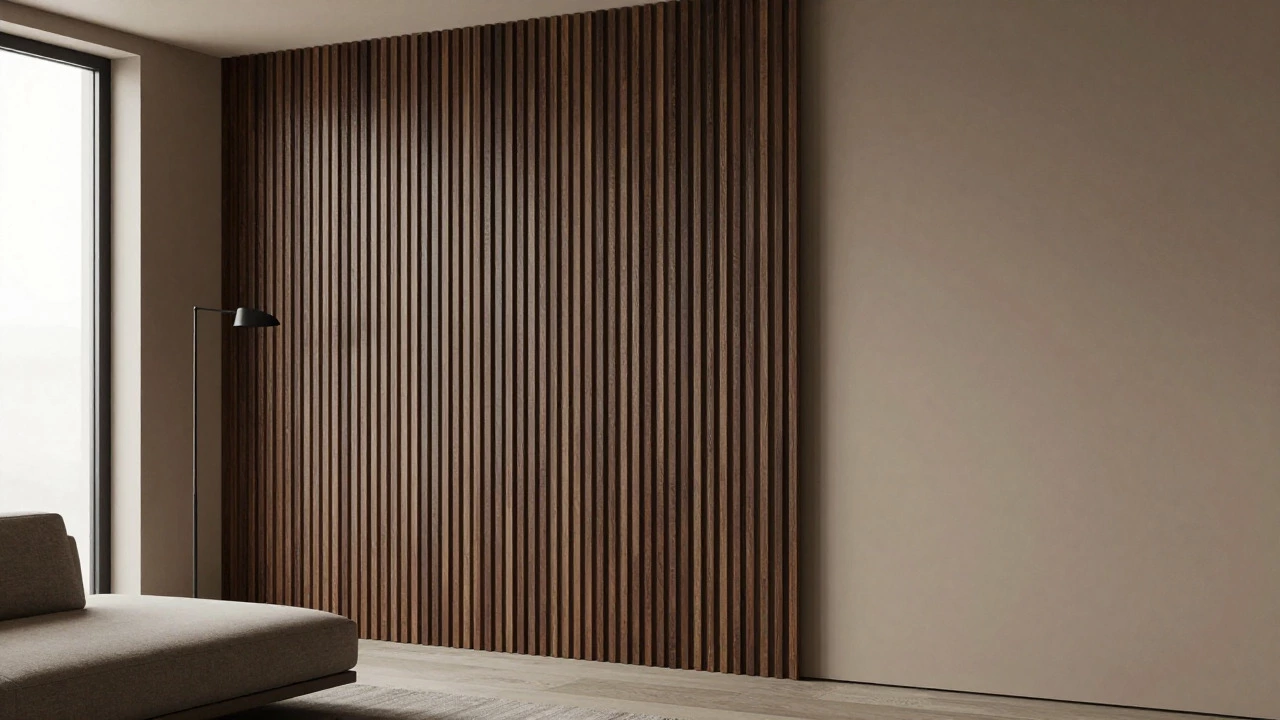
If you want to keep the wooden texture but update the vibe, vertical slat walls are the top contender. Unlike shiplap, which runs horizontally, slats run vertically. This simple change has a massive impact on perception. Vertical lines draw the eye upward, making ceilings appear higher and rooms feel more spacious. It’s particularly effective in entryways, behind bedheads, or as a backdrop for a fireplace.
These slats are often made from engineered wood or bamboo, which makes them stable and less prone to warping than solid timber. You can find them in various widths, from narrow 20mm strips to broader 50mm planks. The aesthetic is modern and sleek, often paired with dark stains or black metal accents rather than the traditional white paint. It feels more intentional and architectural, fitting well with contemporary and industrial styles.
Embracing Smooth Surfaces: Paint and Plaster
Not everyone wants wood on their walls. A significant portion of the market is swinging back to smooth, painted surfaces. This isn’t just flat white, though. The trend here is about finish and color depth. Matte and eggshell paint finishes are replacing high-gloss or semi-gloss options because they hide imperfections and reduce glare from natural light. In Melbourne’s bright climate, this is crucial for managing sunlight reflection in living areas.
Color-wise, we’re seeing a move away from stark whites toward warm neutrals. Think soft taupes, creamy beiges, and muted sage greens. These colors provide a calm background that allows furniture and artwork to stand out without competing with a busy wall texture. If you choose this route, investing in high-quality primer and proper sanding is essential. A smooth wall is only as good as its preparation. One blemish stands out much more on a blank canvas than on a textured surface.
Natural Textures: Stone and Reclaimed Timber
For those who crave texture but want something more organic, natural materials are stepping up. Reclaimed timber offers a story that new factory-made boards can’t match. Each plank has unique knots, weathering marks, and variations in tone. It adds character and authenticity, appealing to those who value sustainability and history in their homes. It’s pricier than standard shiplap, but the one-of-a-kind look is hard to replicate.
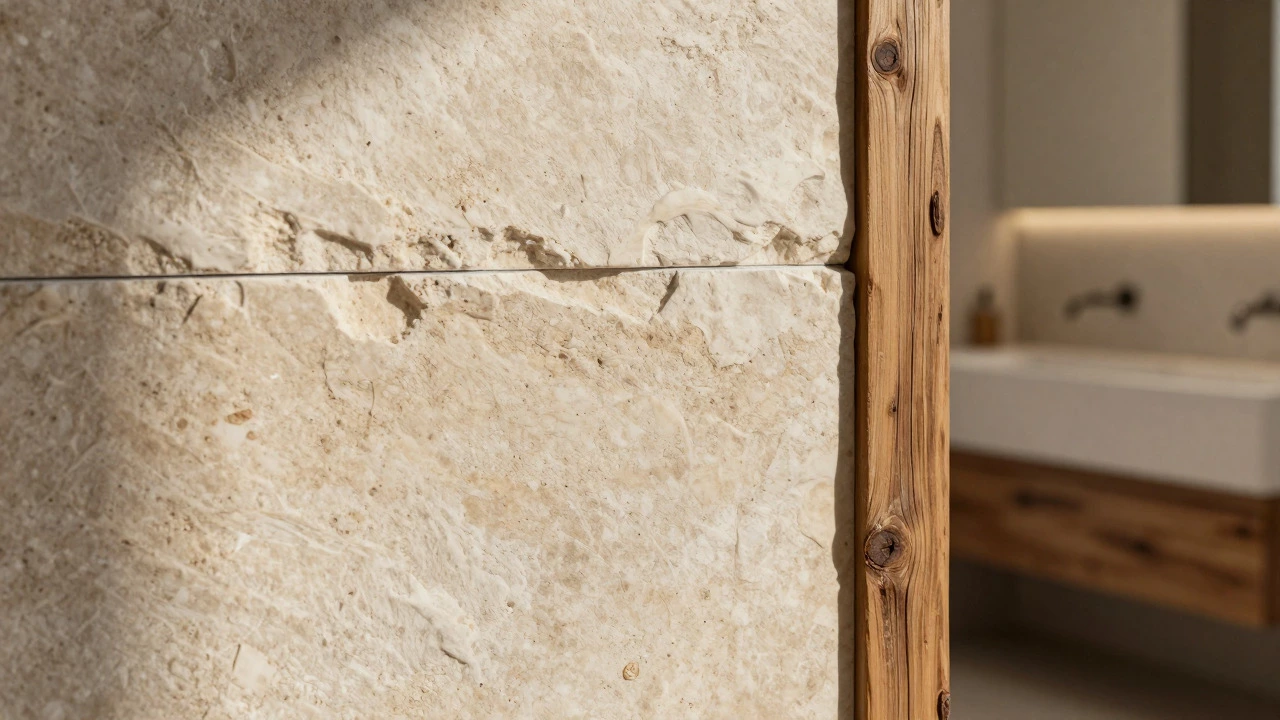
On the other end of the spectrum, stone veneer is making a comeback. Not the heavy, rough-hewn stone of previous decades, but thin, lightweight veneers that mimic limestone or travertine. These are easy to install over existing drywall and add a touch of luxury. They work beautifully in bathrooms and powder rooms, where moisture resistance is key. The cool, hard surface contrasts nicely with warm wood floors, creating a balanced, spa-like atmosphere.
Budget-Friendly Alternatives and Easy Updates
Not every homeowner wants to tear down walls or hire a carpenter. That’s where affordable alternatives come in. PVC cladding has improved dramatically in recent years. Modern PVC panels mimic the look of wood grain convincingly and are water-resistant, making them perfect for laundry rooms, basements, or outdoor covered patios. Installation is straightforward, often requiring just adhesive and a utility knife, which makes it a popular DIY project.
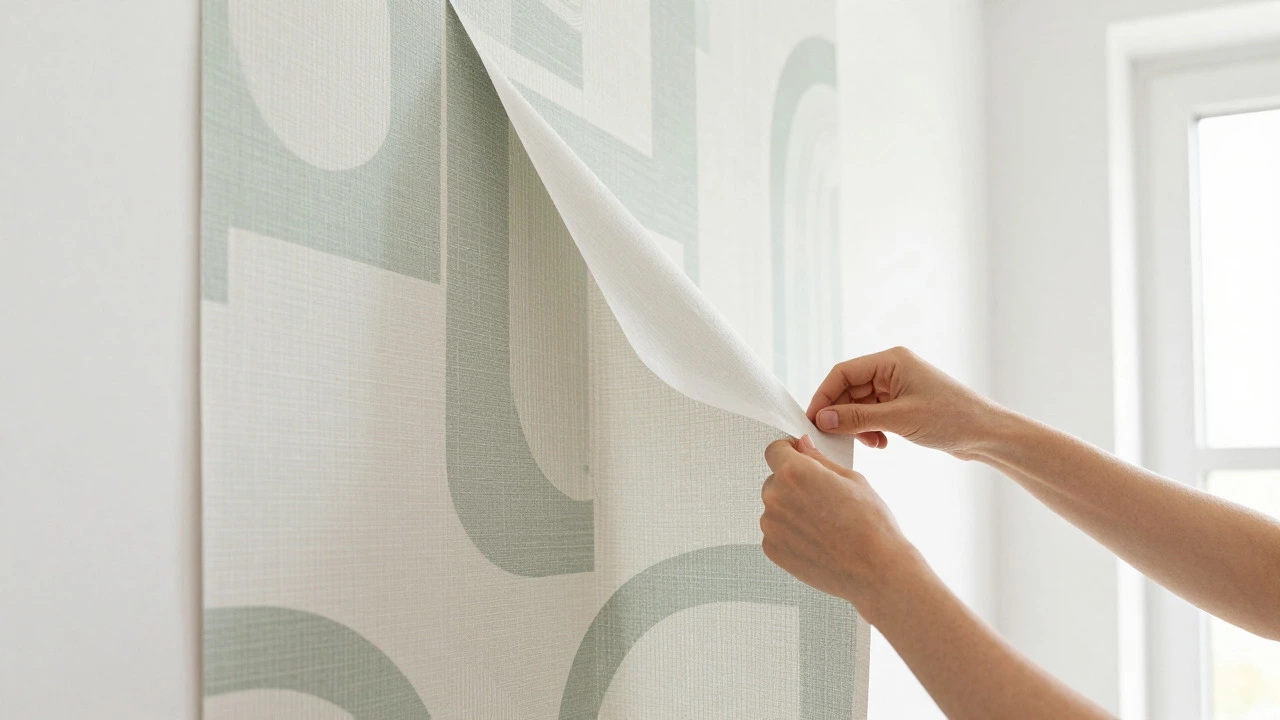
Another rising star is peel-and-stick wallpaper. Yes, wallpaper! But not the floral patterns of your grandmother’s house. Current designs feature abstract geometric shapes, subtle linen textures, or bold botanical prints. Because they are removable, they allow you to experiment with trends without committing to a permanent renovation. It’s a low-risk way to test how a new aesthetic feels in your space before spending big on custom millwork.
| Material | Best For | Cost Level | Maintenance |
|---|---|---|---|
| Vertical Slat Walls | Feature walls, bedrooms | Medium-High | Dust collection in gaps |
| Matte Paint | All rooms, minimalist style | Low | Touch-ups needed for scuffs |
| Reclaimed Timber | Living rooms, dining areas | High | Sealing required |
| PVC Cladding | Kitchens, laundries, outdoors | Low-Medium | Wipe clean, water resistant |
| Stone Veneer | Bathrooms, fireplaces | Medium-High | Low, occasional cleaning |
How to Choose the Right Alternative for Your Space
Selecting the right replacement depends heavily on your room’s function and lighting. Before you buy anything, step back and assess the space. Is it a high-traffic area like a hallway, or a quiet sanctuary like a bedroom? High-traffic zones benefit from durable, wipeable surfaces like PVC or semi-gloss paint. Quiet rooms can handle softer textures like fabric-backed wallpaper or delicate plaster finishes.
Lighting is another critical factor. North-facing rooms (in the Southern Hemisphere) receive cooler, indirect light, so warm wood tones or yellow-based paints can add necessary coziness. South-facing rooms get harsher afternoon sun, where cool grays or white-washed finishes help balance the brightness. Always order samples and view them at different times of day. What looks perfect in the morning might feel glaring by 3 PM.
Finally, consider the long-term value. While trendy items are fun, classic materials tend to age better. A well-executed painted wall or high-quality hardwood paneling will still look good in ten years. A specific patterned wallpaper might not. If you plan to sell your home soon, stick to neutral, timeless options. If it’s your forever home, go with whatever makes you happy every time you walk in.
Frequently Asked Questions
Is shiplap really going out of style?
It is becoming less dominant. While not entirely obsolete, it is no longer the default choice for new builds. Designers are opting for more varied textures and smoother finishes to avoid a repetitive look across neighborhoods.
Which alternative is cheapest to install?
Painting is the most cost-effective option, requiring only labor and materials. For a textured look, peel-and-stick wallpaper or PVC cladding offers the lowest barrier to entry compared to custom woodwork or stone.
Can I mix different wall finishes in one room?
Yes, mixing is a popular technique. For example, using vertical slats on one accent wall while keeping the other three walls in a smooth matte paint creates contrast and focal points without overwhelming the space.
Are vertical slats difficult to maintain?
They require slightly more dusting than flat walls because dust settles in the gaps between slats. Using a vacuum with a brush attachment makes this quick and easy. Regular wiping keeps them looking fresh.
What is the best material for a bathroom wall?
PVC cladding or ceramic tile are the best choices due to their water resistance. If you prefer a natural look, ensure any wood used is properly sealed and rated for wet areas, or opt for stone veneer which handles humidity well.