The Quick Wins: Trash and Obvious Waste
Before you touch a single piece of clothing or a dusty book, grab a large heavy-duty trash bag. Your first mission is to find things that have no value to anyone, anywhere. This is the easiest phase because there is no decision-making involved; the item is either garbage or it isn't. Start with the bathroom. Look for expired medications, old makeup that has changed color, and empty shampoo bottles you've been keeping "just in case" you need the last drop. Move to the kitchen and purge the fridge of expired condiments and the pantry of crackers that went stale two years ago.Don't forget the "junk drawer." Every home has one. Dig through it and toss the dried-out pens, old rubber bands that have snapped, and those mystery cables that don't fit any device you've owned since 2012. When you remove these, you aren't just cleaning; you're clearing the visual noise that stresses your brain.
The "Easy Outs": Non-Sentimental Excess
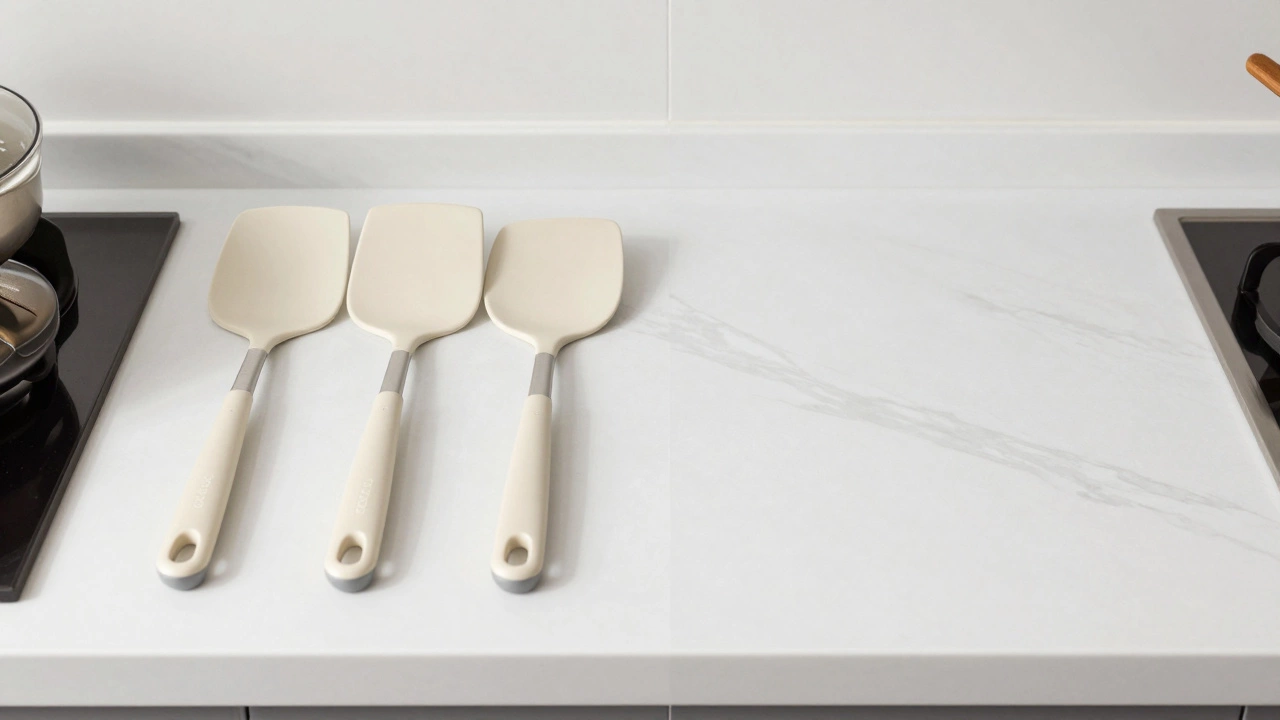
Once the actual trash is gone, move to items that are still usable but simply unnecessary. These are the duplicates. Why do you have four identical spatulas? Why are there three different sets of bed sheets for a guest room that is rarely used?Focus on these categories first:
- Duplicates: Keep the best version of a tool and donate the others.
- Outdated Tech: Old smartphones, ancient calculators, and DVD players that no longer work.
- Single Socks and Broken Items: If you haven't found the matching sock in six months, you never will. If the toaster is broken and you've been "meaning to fix it" for a year, it's time to let it go.
- Promotional Materials: Old catalogs, flyers, and manuals for products you no longer own.
The goal here is to reduce the volume of things in your sightline. When you see the surface of your counters again, you get a hit of dopamine that encourages you to keep going. This is where home organization tips shift from being a chore to becoming a rewarding game.
| Priority Level | Item Type | Emotional Effort | Action |
|---|---|---|---|
| Level 1: Immediate | Trash, Expired Goods | Zero | Discard/Recycle |
| Level 2: Low | Duplicates, Broken Tools | Very Low | Donate/Sell |
| Level 3: Medium | Clothing, Books | Moderate | Evaluate & Sort |
| Level 4: High | Photos, Heirlooms | High | Archive Carefully |
Tackling the Wardrobe: The Volume Shift
Now that the trash and duplicates are gone, you can move to the closet. Clothing takes up a massive amount of physical space, so clearing it out provides the biggest visual transformation in your home.Avoid the mistake of trying every single item you own. Instead, use a concrete rule. If you haven't worn it in a full calendar year-including all seasons-it's a candidate for removal. Consider the KonMari Method, which suggests keeping only things that "spark joy," but if that feels too abstract, stick to the utility rule: Does this fit me today, and do I actually wear it?
Separate your clothes into three piles: Keep, Donate, and Repair. Be honest about the "Repair" pile. If you've had a shirt with a missing button since 2023, you aren't going to fix it. Move it to the donate pile. This stage is where most people stall because they worry about "what if I need it someday." The truth is, most things can be replaced cheaply if the need actually arises, and the cost of storing a "maybe" item is the peace of mind you lose every time you look at your cluttered closet.
The Danger Zone: Paper and Digital Clutter
Many people skip paper because it feels boring, but it's actually one of the heaviest sources of mental clutter. We keep old bank statements, tax returns from a decade ago, and random handwritten notes that no longer mean anything.Start by shredding anything with personal information that is older than seven years. Then, tackle the "to-do" paper-the brochures for home improvements you'll never do or the magazines you've already read. If you find a document you want to keep but don't need physically, use a scanner to digitize it.
This process is closely linked to Minimalism, which isn't about living in an empty white box, but about removing the obstacles that get in the way of your actual life. When your desk is clear of paper, your brain has more room to focus on the task at hand rather than the mess around it.
The Final Boss: Sentimental Items
Leave the photos, old letters, and childhood trophies for the very end. If you start here, you'll spend three hours reminiscing about third grade and zero hours actually cleaning. By the time you reach this stage, you've already cleared 70% of the house. You are now a "decluttering pro" with the confidence to make hard decisions.When dealing with sentimental items, try the "Photo Strategy." If you have a bulky old trophy or a piece of art that you hate but can't throw away because a relative gave it to you, take a high-quality photo of it. You're preserving the memory, not the physical object. This allows you to let go of the item without feeling like you're erasing the history associated with it.
What is the fastest way to see progress?
Focus on flat surfaces first. Clear your kitchen counters, coffee table, and dining table. When these surfaces are empty, the entire room feels cleaner, which gives you the psychological boost to tackle deep closets and drawers.
How do I handle things I'm unsure about?
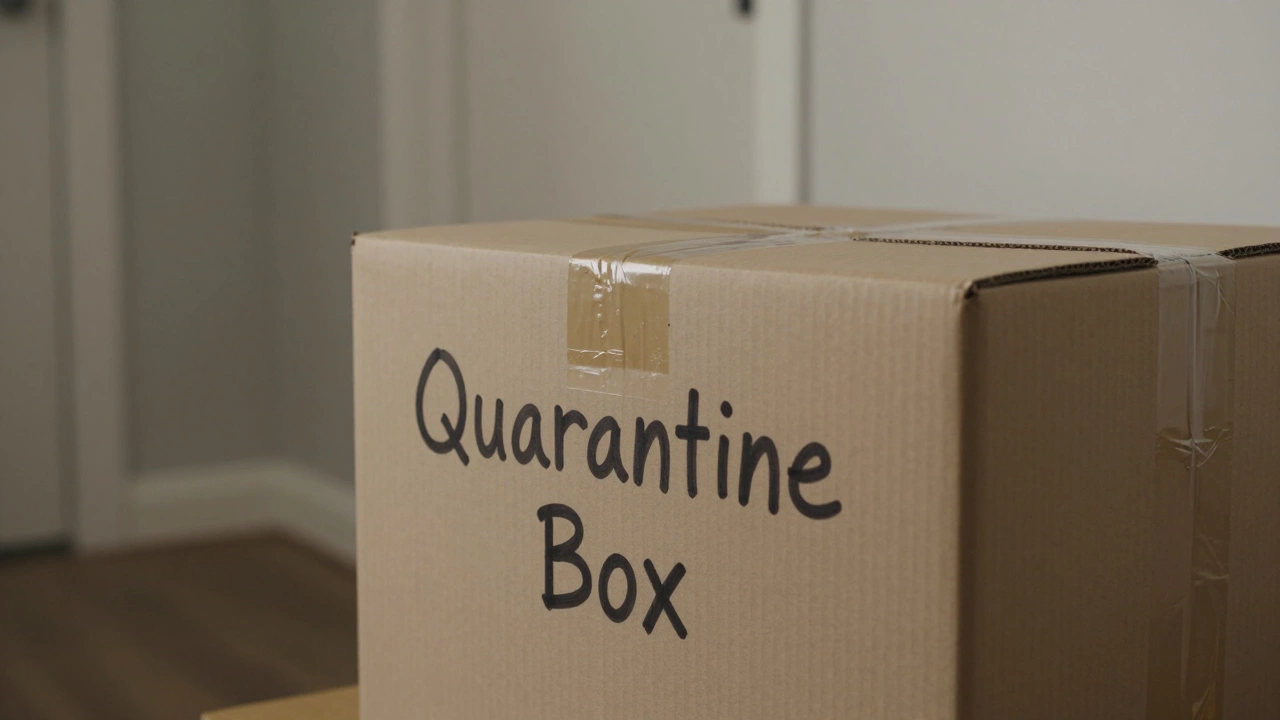
Use the "Quarantine Box" method. Put the uncertain items in a cardboard box, seal it, and date it for six months from now. If you don't open the box to retrieve anything in that time, you can safely donate the entire contents without looking inside again.
Should I sell my clutter first or just donate it?
If the item is worth more than $50, try to sell it. If not, donate it. The "selling trap" happens when people keep piles of clutter for months because they're waiting for a buyer on a marketplace. If it doesn't sell in two weeks, donate it to get it out of your house.
How often should I do this?
A deep declutter is usually a once-a-year event, but a "maintenance declutter" should happen monthly. Spend one hour a month scanning for new duplicates or expired items to prevent the clutter from returning.
Where should I donate my things?
Local charities, shelters, and thrift stores are great options. For clothing, look for textile recycling centers if the items are too worn to be donated. Always check the quality of the items-don't donate things that are stained or broken, as that just moves the problem to someone else's house.
Next Steps for a Clutter-Free Home
Now that you've cleared the bulk, the goal is to keep it that way. Start implementing the "One In, One Out" rule: for every new item you bring into your home, one old item must leave. This stops the cycle of accumulation and ensures your home stays organized.If you're still feeling overwhelmed, try the 15-minute timer. Set a timer for 15 minutes and focus on one small area, like a single shelf or the spice rack. It's much easier to commit to a quarter-hour of work than a whole weekend of cleaning. Once the timer goes off, you're allowed to stop, or you might find that the momentum carries you through the rest of the room.