Your Personalized 2026 Home Decor Action Plan
Select your priorities and budget to receive a tailored step-by-step guide for transforming your space using the latest 2026 home decor trends.
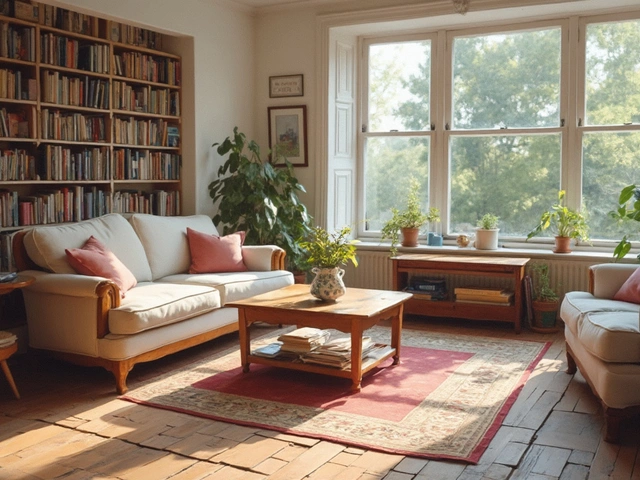
Warm Minimalism
Clean lines, neutral palettes, cozy textures, and clutter-free spaces that feel like a hug.
Biophilic Design
Bringing nature indoors with plants, natural light optimization, and organic materials.
Sustainable & Upcycled
Eco-friendly materials, vintage finds, upcycling projects, and ethically sourced pieces.
Maximalist Accents
Bold art, mixed patterns, colorful ceramics, and curated personal collections against calm backdrops.
Walk into almost any renovated living room in Melbourne right now, and you’ll notice a shift. The stark, cold white walls and chrome accents that dominated the early 2020s are fading fast. In their place, we see textured linens, curved furniture, and an abundance of greenery. If you’ve been scrolling through interior design feeds lately, you might be wondering what is actually trending versus what is just noise. The short answer? warm minimalism has taken the crown as the most popular home decor style globally in 2026.
But it’s not just about picking a style name off a menu. People are craving spaces that feel like a hug after a long day. They want homes that look good on camera but also feel good to live in. This shift isn’t accidental; it’s a reaction to years of digital fatigue and economic uncertainty. We’re moving away from ‘showing off’ our homes and toward ‘living in’ them. Let’s break down exactly what this looks like, why it’s happening, and how you can adapt your space without spending a fortune.
The Dominance of Warm Minimalism
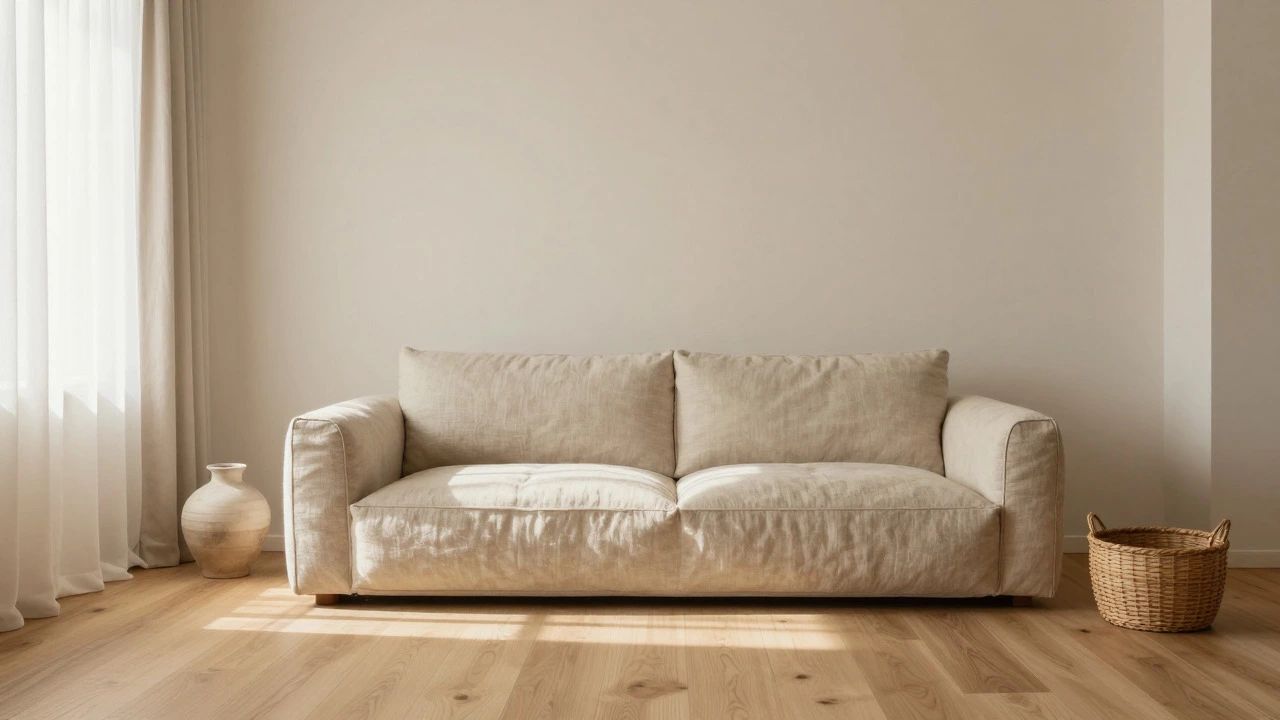
Warm minimalism is a design aesthetic that combines the clean lines of minimalism with organic textures, neutral palettes, and cozy elements. Think of it as minimalism that learned how to relax. It keeps the clutter-free ethos of its predecessor but ditches the sterile hospital vibe. Instead of empty white voids, you get cream-colored walls, natural wood floors, and plenty of soft lighting.
Why is this winning? Because it’s flexible. You don’t need to buy everything new. A simple swap-replacing glass vases with ceramic ones, or swapping out harsh overhead lights for warm-toned lamps-can instantly shift a room into this category. It appeals to both renters who need low-commitment changes and homeowners looking for timeless value. The key attributes here are simplicity, comfort, and nature-inspired tones.
- Color Palette: Creams, beiges, soft taupes, and muted earth tones.
- Materials: Linen, cotton, rattan, light oak, and stone.
- Furniture Shapes: Rounded edges, low profiles, and modular pieces.
Biophilic Design: Bringing the Outside In
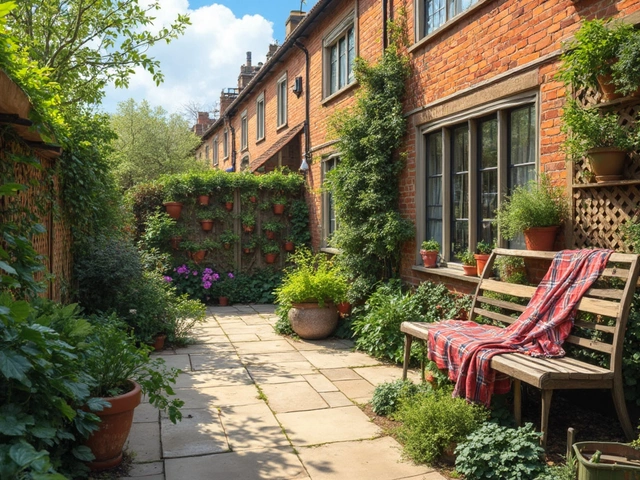
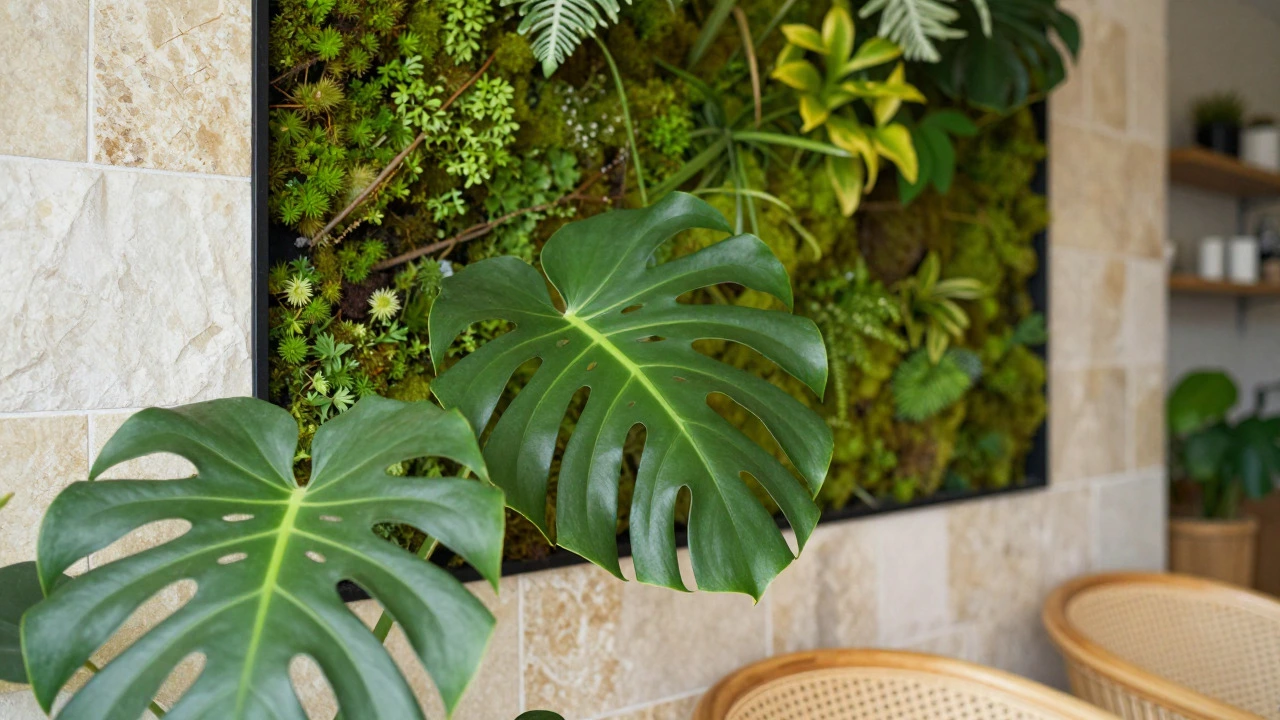
You can’t talk about 2026 decor without mentioning Biophilic design is an approach that connects occupants more closely to nature through plants, natural light, and organic materials. This isn’t just having a cactus on the windowsill anymore. It’s about integrating nature into the architecture of the room. Large indoor plants like Monstera Deliciosa and Fiddle Leaf Figs remain staples, but there’s a growing trend toward vertical gardens and moss walls in urban apartments where floor space is tight.
In Melbourne, with its distinct seasons, this means maximizing natural light during winter and using sheer curtains to diffuse summer glare. The goal is to reduce stress and improve air quality. Studies have shown that even viewing greenery can lower cortisol levels. So, when people choose this style, they aren’t just decorating; they’re investing in their mental health. Look for large-format tiles that mimic stone or wood grain to extend that natural feel underfoot.
Sustainable and Upcycled Pieces
Sustainability has moved from a niche interest to a mainstream expectation. In 2026, consumers are increasingly wary of fast furniture-cheap, disposable items that end up in landfills within months. Instead, there is a surge in demand for durable, ethically sourced materials. Solid timber tables, second-hand leather sofas, and vintage rugs are highly prized. This ties directly into the circular economy mindset.
Upcycling is huge. Taking an old dresser and refinishing it with eco-friendly paint, or reupholstering a chair with scrap fabric, adds character while reducing waste. Brands that highlight their supply chain transparency do better than those that hide behind generic marketing. When buying new, look for certifications like FSC (Forest Stewardship Council) for wood products. This trend proves that style and ethics can coexist beautifully.
The Return of Maximalist Accents
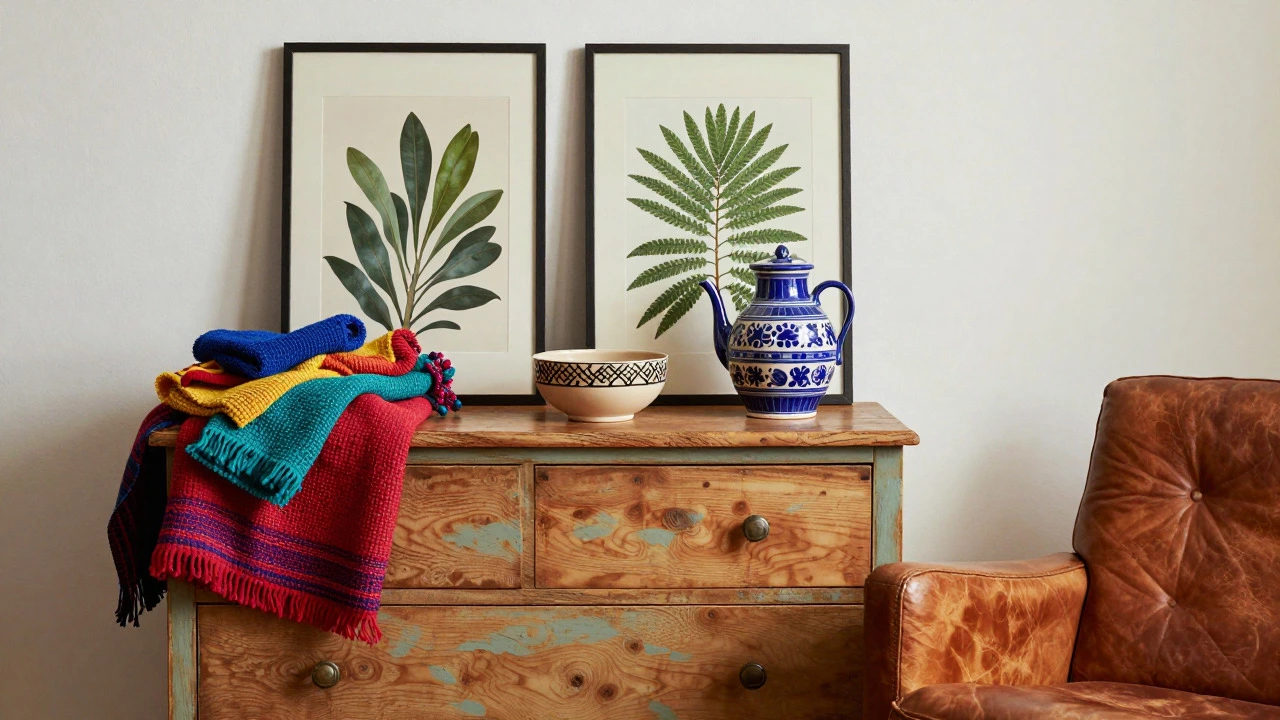
While the base structure of homes is becoming simpler, accessories are getting bolder. This is often called “maximalist accents” or “curated chaos.” Against a calm, neutral backdrop, people are displaying collections of art, colorful ceramics, and patterned textiles. It’s a way to express personality without overwhelming the senses. A single wall covered in framed botanical prints or a vibrant, hand-knotted rug can anchor a room.
This approach allows for creativity. You don’t need to match every cushion perfectly. Mixing patterns-stripes with florals, geometric shapes with abstract art-is encouraged. The rule of thumb? Keep the large furniture neutral and let the small items pop. This creates visual interest and makes the space feel lived-in and personal rather than staged for a magazine shoot.
Smart Tech Integration
Technology is no longer an afterthought in home decor. Smart home devices are being designed to blend seamlessly into interiors. Visible wires and bulky hubs are out. Instead, we see smart speakers disguised as sculptures, lighting systems controlled by apps that adjust color temperature based on the time of day, and hidden charging stations built into furniture.
The focus is on invisibility. The tech should work for you, not distract you. For example, motorized blinds that open automatically with the sunrise enhance the biophilic connection. Energy-efficient smart thermostats help manage costs, which is crucial given rising energy prices. When choosing tech, prioritize devices with matte finishes and rounded designs that complement the warm minimalist aesthetic.
| Trend | Key Characteristics | Best For | Cost Level |
|---|---|---|---|
| Warm Minimalism | Neutral colors, clean lines, cozy textures | Small apartments, first-time buyers | Low to Medium |
| Biophilic Design | Plants, natural light, organic materials | Urban dwellers, wellness-focused homes | Medium |
| Sustainable Decor | Recycled materials, vintage finds, durability | Eco-conscious consumers, budget shoppers | Variable |
| Maximalist Accents | Bold art, mixed patterns, personal collections | Creatives, larger spaces | Medium to High |
How to Start Your Own Project
Feeling overwhelmed? Start small. Pick one corner of your home and apply these principles. Swap out plastic storage bins for woven baskets. Add a large leafy plant. Change your bedding to linen. These small wins build momentum. Remember, decor is personal. Don’t follow a trend if it doesn’t make you happy. Use these ideas as inspiration, not rules.
Visit local markets for unique finds. Talk to artisans. Support small businesses. This not only enriches your home but also strengthens your community. And don’t forget to take photos before and after. Tracking your progress is satisfying and helps you refine your taste over time.
Is warm minimalism expensive to achieve?
Not necessarily. Warm minimalism focuses on texture and light rather than expensive materials. You can achieve the look with thrifted furniture, DIY painting projects, and affordable linen throws. The key is decluttering, which is free.
Can I mix maximalist accents with minimalism?
Yes, this is a very popular combination. Keep your large furniture and walls neutral and simple, then add bold colors and patterns through artwork, cushions, and rugs. This balances calmness with personality.
What are the best plants for indoor biophilic design?
Snake plants, Pothos, and ZZ plants are great for beginners as they tolerate low light. For larger statements, consider a Fiddle Leaf Fig or a Bird of Paradise if you have bright indirect sunlight.
How do I make my home more sustainable?
Start by buying less and choosing quality over quantity. Look for second-hand items, use eco-friendly cleaning products, and invest in energy-efficient LED lighting and smart thermostats to reduce your carbon footprint.
Will these trends last beyond 2026?
Core principles like sustainability and comfort are likely to endure. Specific color shades may change, but the desire for cozy, functional, and healthy living spaces is a long-term shift driven by lifestyle changes, not just fleeting fashion.