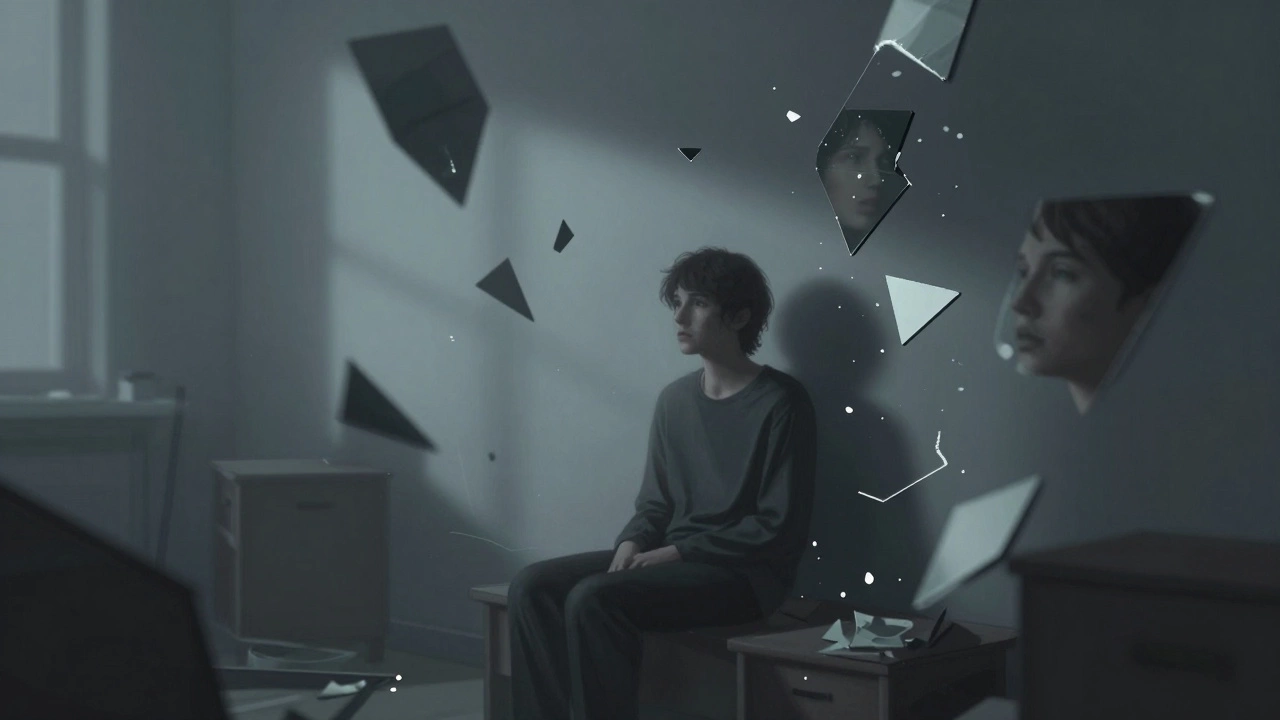
Mental Health Condition Comparison Tool
Explore the primary challenges, daily impacts, and key treatments for severe mental health conditions based on clinical data.
There is no single answer to what makes a mental illness the "hardest" to live with. Pain is subjective, and what feels like an unclimbable mountain for one person might be manageable for another with the right support. However, clinicians and patients often point to conditions that disrupt basic reality testing, emotional regulation, or daily functioning as particularly grueling. These aren't just bad days; they are chronic battles against your own brain.
When we talk about severity, we aren't ranking suffering. We are looking at how much a condition interferes with your ability to work, maintain relationships, and feel safe in your own mind. Some illnesses strike early, others late. Some come in waves, others are constant background noise. Understanding these differences helps remove the stigma of "just thinking positive" and highlights why professional help is non-negotiable for severe cases.
The Reality of Psychotic Disorders
Schizophrenia is a serious mental disorder characterized by distortions in thinking, perception, emotions, language, sense of self, and behavior. For many, this is cited as one of the most difficult conditions to navigate because it attacks the very foundation of how you experience reality. It’s not just hearing voices; it’s losing the ability to trust your own senses.
Imagine trying to hold a job when your brain tells you that your coworkers are plotting against you. Or trying to connect with family when you feel detached from the world, a symptom known as depersonalization. The negative symptoms-lack of motivation, flat affect, social withdrawal-are often harder to treat than the hallucinations. You might stop cleaning your house not because you’re lazy, but because the energy required to process basic stimuli is overwhelming.
Treatment usually involves antipsychotic medication, which can have heavy side effects like weight gain or tremors. But without it, the risk of homelessness, incarceration, or suicide skyrockets. Living with schizophrenia requires a village: therapists, psychiatrists, and family members who understand that the patient isn’t being difficult; they are fighting a neurological storm.
Emotional Turmoil in Borderline Personality Disorder
If schizophrenia distorts reality, Borderline Personality Disorder (BPD) is a condition marked by unstable moods, behavior, and relationships, often involving intense fear of abandonment. People with BPD don’t lose touch with reality, but they lose touch with emotional stability. Their emotional reactions are like those of a toddler amplified by adult intensity. A minor criticism can feel like a life-threatening betrayal.
The pain here is relational. You might love someone fiercely one minute and hate them the next. This push-pull dynamic destroys friendships, marriages, and careers. The internal experience is often described as chronic emptiness or rage. Many people with BPD engage in self-harm not to kill themselves, but to regulate overwhelming emotional pain. It’s a coping mechanism gone wrong.
Historically, BPD was considered untreatable. Today, therapies like Dialectical Behavior Therapy (DBT) have changed the game. DBT teaches skills for mindfulness, distress tolerance, and emotion regulation. Recovery is possible, but it requires years of hard work and a therapist who specializes in trauma and personality disorders. The hardest part? Convincing yourself that you deserve help despite feeling fundamentally flawed.
The Weight of Severe Depression and Bipolar Disorder
Major Depressive Disorder is a mood disorder causing persistent feelings of sadness, loss of interest, and lack of energy. While common, its severe form is debilitating. It’s not just sadness; it’s paralysis. You know you should shower, eat, or reply to texts, but your body refuses to move. This psychomotor retardation can last for months, eroding your identity and self-worth.
Then there is Bipolar Disorder, which adds the chaos of mania to the depths of depression. During manic episodes, you might feel invincible, sleepless, and impulsive. You could spend your life savings, quit your job on a whim, or engage in risky sexual behavior. When the crash comes, the guilt is crushing. The unpredictability makes planning for the future nearly impossible. How do you save for retirement when you can’t predict if you’ll be depressed or manic next month?
Treatment involves mood stabilizers and careful monitoring. The challenge is adherence. During mania, patients often believe they don’t need medication. During depression, they believe nothing will help. Finding the right chemical balance is a trial-and-error process that can take years.

Obsessive-Compulsive Disorder: The Prison of Doubt
Obsessive-Compulsive Disorder (OCD) is an anxiety disorder characterized by recurring, unwanted thoughts (obsessions) and repetitive behaviors (compulsions). Pop culture jokes about OCD as liking things tidy. In reality, it’s a torture chamber of doubt. You might wash your hands until they bleed, not because you’re clean, but because the anxiety of *possibly* having germs is unbearable.
The hardest part of OCD is that the sufferer knows their fears are irrational. They are trapped in a loop where performing a ritual temporarily relieves anxiety, only for it to return stronger. Pure O (purely obsessional OCD) involves intrusive thoughts about harm, sex, or religion. These thoughts are ego-dystonic, meaning they go against your values. A loving parent might have intrusive thoughts of harming their child, leading to immense shame and isolation.
Exposure and Response Prevention (ERP) therapy is the gold standard. It forces you to face the fear without doing the compulsion. It’s terrifying and exhausting, but it rewires the brain. Without ERP, OCD tends to worsen over time, consuming hours of every day.
Comparing the Challenges
| Condition | Primary Challenge | Impact on Daily Life | Key Treatment |
|---|---|---|---|
| Schizophrenia | Reality distortion | High (work, social) | Antipsychotics, therapy |
| BPD | Emotional instability | High (relationships) | DBT, psychotherapy |
| Severe Depression | Psychomotor paralysis | High (basic function) | Medication, therapy |
| OCD | Intrusive loops | Medium-High (time-consuming) | ERP therapy |
| Bipolar Disorder | Mood volatility | High (financial, social) | Mood stabilizers |
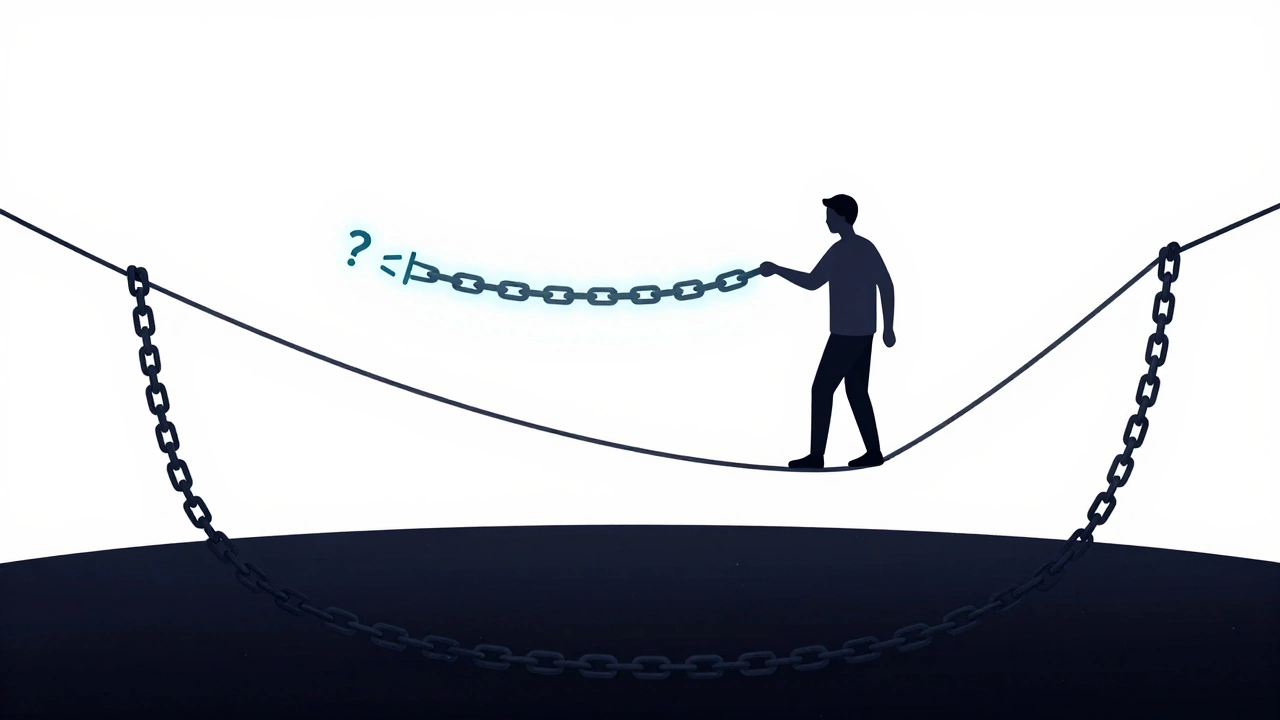
Why There Is No "Winner" in Suffering
Ranking mental illnesses is dangerous. It minimizes the struggle of those with "easier" diagnoses while pressuring those with "harder" ones to perform bravery. The truth is, any untreated mental illness can become the hardest thing you’ve ever lived through. Anxiety can lead to panic attacks that mimic heart attacks. PTSD can make leaving the house feel like walking into war.
The difficulty often depends on comorbidity. Having both depression and anxiety is more complex than having either alone. Substance abuse complicates almost every diagnosis. Social determinants matter too: poverty, lack of insurance, and stigma make recovery exponentially harder. In Melbourne, access to public health services has improved, but wait times for specialized care remain long. Private therapy is expensive, pushing many toward crisis management rather than prevention.
What makes an illness "hard" is also the lack of understanding from others. If your friends think your depression is laziness or your BPD is manipulation, you isolate further. Education is key. When loved ones understand the biology behind the behavior, compassion replaces judgment.
Finding Hope in Treatment
Despite the darkness, treatment works. Medication doesn’t cure mental illness, but it levels the playing field. Therapy provides tools to navigate triggers. Support groups offer community. Many people with schizophrenia live independently. People with BPD build lasting relationships. Those with OCD break free from rituals. Recovery isn’t always a straight line, but it is possible.
If you are struggling, reach out. Talk to a GP, seek a psychiatrist, or call a crisis line. You don’t have to white-knuckle your way through this. Asking for help is not weakness; it’s the first step toward reclaiming your life. The hardest part is often starting, but once you do, the path becomes clearer.
Is schizophrenia the most severe mental illness?
Schizophrenia is often considered one of the most severe due to its impact on reality testing and daily functioning. However, severity varies by individual. Other conditions like bipolar disorder or severe depression can be equally debilitating depending on symptoms and support systems.
Can borderline personality disorder be cured?
While there is no "cure," BPD is highly treatable. Dialectical Behavior Therapy (DBT) has shown significant success in reducing symptoms and improving quality of life. Many people achieve remission and lead fulfilling lives with consistent therapy.
How does OCD differ from normal worries?
Normal worries are proportional to threats and fade over time. OCD involves intrusive, irrational thoughts that cause extreme anxiety, leading to compulsive behaviors to neutralize the fear. These rituals consume time and interfere with daily life, unlike typical worrying.
What is the best treatment for severe depression?
Treatment often combines antidepressant medication and psychotherapy, such as Cognitive Behavioral Therapy (CBT). For treatment-resistant cases, options like electroconvulsive therapy (ECT) or transcranial magnetic stimulation (TMS) may be considered under medical supervision.
Why is it hard to get help for mental illness?
Barriers include stigma, cost, long wait times for specialists, and lack of awareness. Many people delay seeking help due to shame or fear of judgment. Improving access to affordable, timely care is a major global health priority.