Meal Prep Durability Calculator
Select your planned ingredients to see a durability score and personalized tips for keeping your meals fresh.
Durability Score
Select Ingredients
Choose options to calculate fridge life
Quick Summary
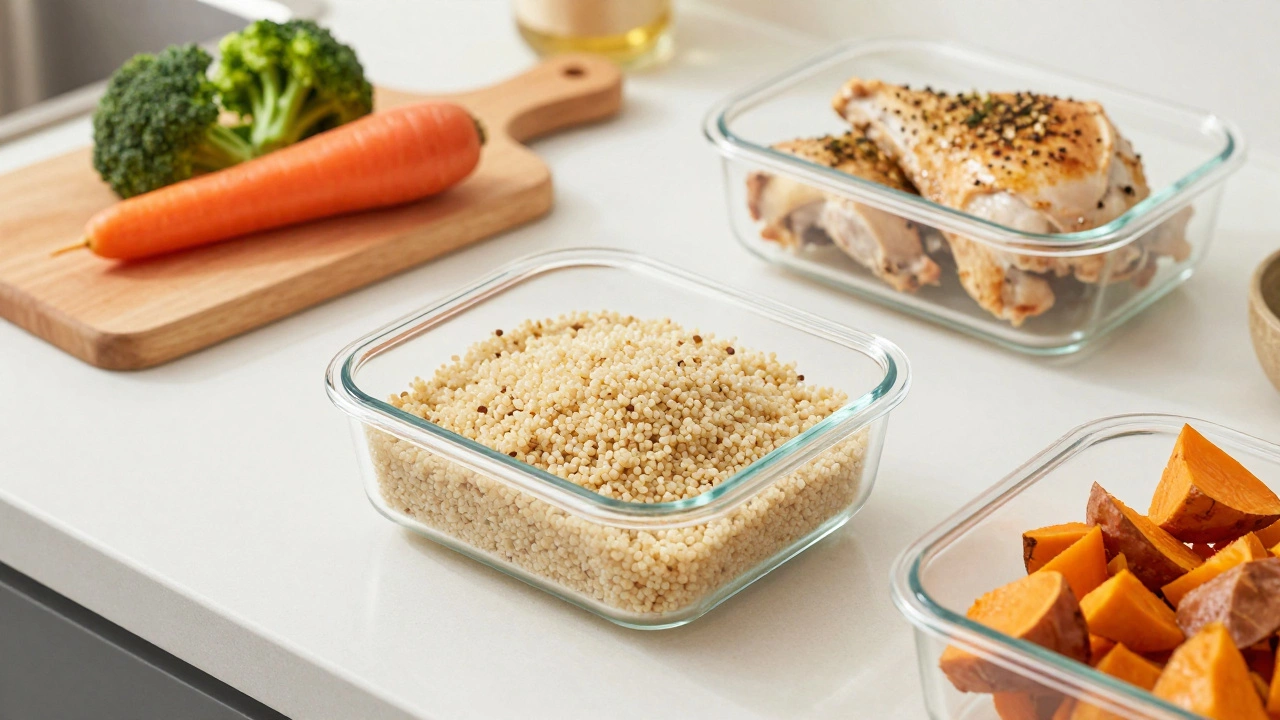
- Best bases: Quinoa, brown rice, and sweet potatoes hold up best over 4-5 days.
- Protein power: Chicken thighs, lentils, and hard-boiled eggs offer durability and flavor retention.
- Veggie strategy: Roast root vegetables; keep leafy greens separate until eating.
- Sauce rule: Store dressings in separate containers to prevent sogginess.
- Freezer hacks: Cooked grains and marinated meats freeze better than raw salads.
Why Most Meal Prep Fails (And How to Fix It)
You’ve probably been there. You spend three hours on Sunday chopping, roasting, and assembling five perfect meals. By Wednesday, your chicken is dry, your broccoli is mushy, and you’re ordering takeout again. The problem isn’t your effort-it’s your ingredient choices. Not all foods are created equal when it comes to sitting in a fridge for four days. Some ingredients thrive in bulk preparation, while others turn into unappetizing sludge within 48 hours.
The secret to successful meal prep isn’t just about cooking ahead; it’s about selecting ingredients that maintain texture, flavor, and nutritional value over time. When you choose the right foods, you save money, reduce food waste, and actually look forward to eating your pre-made meals. Let’s break down exactly what works and why.
The Golden Rule: Texture Retention
Before picking specific items, understand the core principle of meal prep: texture retention. Foods that release too much water or become soggy when reheated are enemies of the lunchbox. Conversely, ingredients that firm up or absorb flavors well are your allies. Think about how you’ll eat these meals. Will they be eaten cold? Reheated in a microwave? Eaten at room temperature? This determines your ingredient list more than any diet trend does.
Best Grains and Starches for Batch Cooking
Grains form the foundation of most meal prep bowls. They provide sustained energy and fill you up without weighing you down. However, not all grains behave the same way after refrigeration.
| Grain | Refrigerator Life | Reheating Quality | Best Use Case |
|---|---|---|---|
| Quinoa | 5-7 days | Excellent (fluffier when cold) | Buddha bowls, salads |
| Brown Rice | 5-6 days | Good (add splash of water) | Stir-fries, grain bowls |
| Sweet Potatoes | 4-5 days | Excellent (roasted cubes) | Side dishes, breakfast hash |
| Oats | 3-4 days (overnight) | N/A (eaten cold) | Breakfast jars |
| White Pasta | 2-3 days | Poor (becomes gummy) | Avoid unless eaten day-of |
Quinoa is arguably the king of meal prep grains. Unlike white rice, which can become hard and clumpy when cold, quinoa retains its fluffy texture and even improves slightly as it chills. Brown rice is a close second but requires a trick: store it with a damp paper towel in the container to reintroduce moisture during reheating. Sweet potatoes are incredibly versatile. Roast them in cubes with olive oil and rosemary, and they’ll last all week without turning mushy. Avoid delicate pastas like angel hair or thin spaghetti-they disintegrate upon reheating. If you must include pasta, opt for whole wheat penne or zucchini noodles, which hold their structure better.
Proteins That Don’t Dry Out
Protein is often the first casualty of bad meal prep. Lean chicken breast, if overcooked or stored improperly, turns into cardboard by Wednesday. To avoid this, focus on proteins with higher fat content or those that benefit from marination.
- Chicken Thighs: Dark meat has more connective tissue and fat, meaning it stays juicy even after multiple reheat cycles. Season generously before baking.
- Lentils and Chickpeas: These legumes are meal prep superheroes. They don’t require reheating to taste good, so they’re perfect for cold salads. Plus, they’re cheap and pack a protein punch.
- Hard-Boiled Eggs: Peel them immediately after cooking to prevent the shell from sticking. Store in an airtight container with a damp paper towel to keep them fresh for up to a week.
- Firm Tofu: Press and cube tofu, then toss with soy sauce and cornstarch before baking. This creates a crispy exterior that survives fridge storage surprisingly well.
- Canned Fish: Sardines, salmon, and tuna are already cooked and preserved. Add them to salads or mix with mayo for sandwiches. No prep required.
Avoid deli meats for long-term storage if possible-they lose freshness quickly and often contain preservatives that alter flavor. Freshly cooked ground turkey or beef works well if you store it in small portions to minimize thawing/reheating time later.
Vegetables: The Soggy Trap
This is where most people go wrong. Leafy greens like spinach, arugula, and mixed salad leaves wilt rapidly once dressed or exposed to humidity in a sealed container. Here’s how to handle veggies intelligently:
Roast, Don’t Raw
Root vegetables like carrots, parsnips, and Brussels sprouts roast beautifully and retain crunch for days. Toss them with oil, salt, and paprika, then bake at 200°C (400°F) until caramelized. They pair perfectly with grains and proteins.
Separate Your Greens
If you love salads, keep your leafy greens in a separate small container. Dress them only when you’re ready to eat. Alternatively, use sturdy greens like kale or cabbage, which withstand dressing better than tender lettuce varieties.
Blanch for Brightness
Broccoli, green beans, and asparagus benefit from blanching-briefly boiling then plunging into ice water. This stops the cooking process, preserving color and crispness. Drain thoroughly before storing to prevent sogginess.
Healthy Fats and Flavor Boosters
Fats carry flavor and keep you satiated. Without them, your meal prep tastes bland and feels incomplete. Incorporate these wisely:
- Avocado: Cut half an avocado, leave the pit in, and wrap tightly in plastic wrap. It won’t brown significantly for 2-3 days. For longer storage, skip avocado and add it fresh on the day of eating.
- Nuts and Seeds: Walnuts, almonds, chia seeds, and pumpkin seeds add crunch and omega-3s. Sprinkle them on top of meals just before eating to maintain texture.
- Olive Oil: Drizzle high-quality extra virgin olive oil over roasted veggies or grains. It acts as both a dressing and a preservative, slowing oxidation.
- Dried Herbs and Spices: Fresh herbs like basil or cilantro wilt quickly. Use dried oregano, thyme, cumin, or smoked paprika instead. They intensify in flavor over time.
Sauces and Dressings: The Game Changer
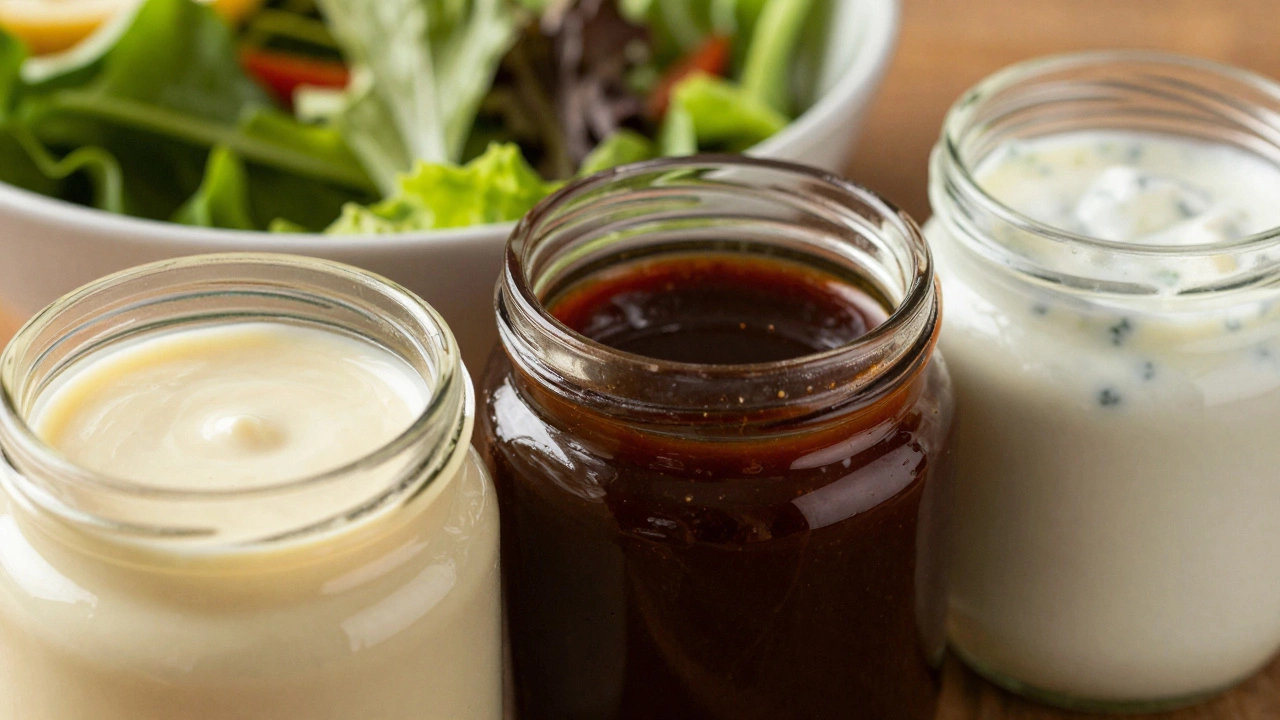
Never pour dressing directly onto your salad or grain bowl during prep. Moisture breaks down cell walls in vegetables, leading to wilting and mushiness. Instead, store sauces in small jars or condiment cups.
Create versatile base sauces that complement multiple meals:
- Tahini Lemon: Mix tahini, lemon juice, garlic, and water. Great for Mediterranean-style bowls.
- Soy-Ginger Glaze: Combine low-sodium soy sauce, rice vinegar, ginger, and honey. Perfect for Asian-inspired dishes.
- Ranch Alternative: Blend Greek yogurt, dill, parsley, and a touch of mustard. Lighter than traditional ranch but equally satisfying.
Store these in the fridge for up to 10 days. Shake well before using, as natural separation occurs.
What to Avoid in Meal Prep
Some ingredients simply don’t survive the journey from kitchen to desk. Knowing what to exclude saves frustration:
- Mashed Potatoes: Become glue-like when reheated.
- Cream-Based Soups: Curdle under microwave heat unless specifically designed for freezing.
- Fresh Berries: Turn into jammy messes after one day.
- Delicate Seafood: Shrimp and white fish dry out easily. Save these for immediate consumption.
- Mayo-Based Salads: Egg salad or potato salad spoil faster due to mayonnaise’s emulsion breaking down.
Storage Containers Matter
Your choice of container affects food longevity as much as the ingredients themselves. Glass containers are superior because they don’t absorb odors, stains, or chemicals. Plastic tends to retain smells and can leach microplastics when heated.
Use portion-controlled containers to avoid overeating. Clear lids let you see contents at a glance, reducing decision fatigue. Label everything with dates to track freshness. A simple marker or sticker system ensures nothing gets forgotten in the back of the fridge.
Building a Weekly Menu Template
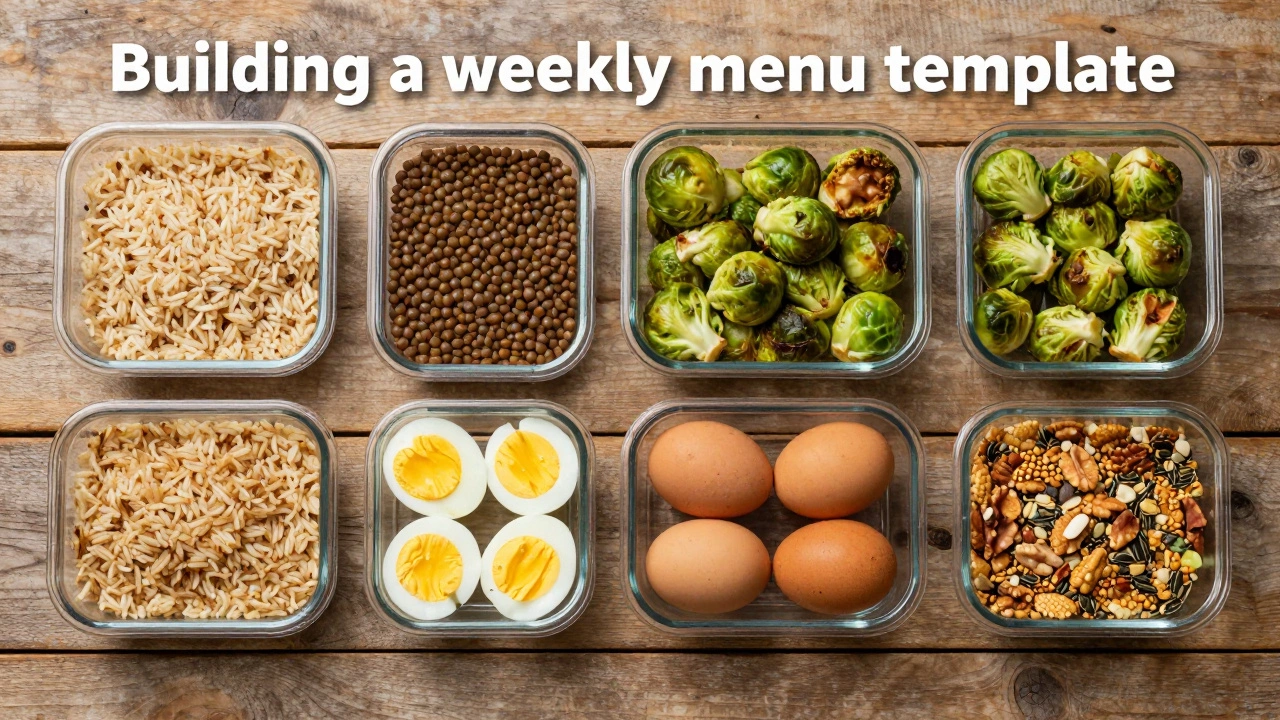
Don’t reinvent the wheel every week. Create a flexible template based on your favorite combinations:
- Base: Choose one grain (quinoa, brown rice, or oats).
- Protein: Pick two proteins (e.g., chicken thighs and chickpeas).
- Veggies: Select three vegetables (one roasted, one raw, one blanched).
- Fat/Flavor: Add nuts, seeds, or avocado.
- Sauce: Prepare two different dressings.
Mix and match components throughout the week to create variety without starting from scratch. For example, Monday might feature quinoa, chicken, roasted carrots, and tahini dressing. Tuesday could swap in chickpeas, steamed broccoli, and soy-ginger glaze. Same ingredients, new experience.
Final Thoughts on Smart Ingredient Selection
Meal prep success hinges on understanding how ingredients behave over time. Prioritize durability, flavor enhancement, and ease of assembly. By choosing grains like quinoa, proteins like chicken thighs, and vegetables that roast well, you set yourself up for consistent, enjoyable meals. Remember, the goal isn’t perfection-it’s consistency. Even small improvements in ingredient selection lead to big gains in health, savings, and peace of mind.
How long do meal-prepped meals last in the fridge?
Most properly stored meal prep lasts 4-5 days. Grains and cooked proteins hold up best, while leafy greens and delicate vegetables degrade faster. Always label containers with preparation dates to ensure freshness.
Can I freeze meal prep meals?
Yes, many components freeze well. Cooked grains, roasted vegetables, and marinated meats freeze beautifully for up to 3 months. Avoid freezing dairy-heavy sauces or watery vegetables like cucumbers, which become soggy upon thawing.
What’s the best way to reheat meal prep without drying it out?
Add a splash of water or broth before microwaving. Cover the container loosely to trap steam. For oven reheating, use foil to retain moisture. Reheat gently rather than blasting at high power to preserve texture.
Should I wash my produce before storing it for meal prep?
Wash only what you plan to use immediately. Excess moisture accelerates spoilage. Store unwashed produce in breathable bags or crisper drawers. Wash berries gently right before eating to prevent mold growth.
Is it cheaper to meal prep or buy ready-made meals?
Meal prep typically costs 30-50% less per serving than restaurant or delivery options. Bulk buying staples like rice, beans, and frozen vegetables further reduces expenses. Over time, the initial investment in containers pays off significantly.