London Neighborhood Finder
Step 1: Select your primary travel style.
First-Timer & Sightseer
Want classic landmarks, theaters, and walkability.Creative & Trendy
Love street art, vintage shops, and alternative vibes.Luxury & Family
Seek elegance, parks, museums, and tranquility.Foodie & Riverside
Prioritize markets, dining, and scenic views.Alternative & Music
Enjoy punk heritage, quirky markets, and history.Budget Conscious
Willing to commute slightly for better value.Recommended Area:
- Pros:
- Cons:
- Budget Level:
Key Tip
London is massive. It’s not just one city; it’s a collection of distinct personalities wrapped up in historic brick and modern glass. If you’ve ever tried to book a hotel here without knowing the geography, you know the panic. You see "Central London" on a map, but that could mean the quiet cobblestones of Mayfair or the chaotic energy of Shoreditch. The wrong choice means spending your vacation commuting instead of exploring.
The truth is, there is no single "best" area for everyone. The best spot depends entirely on what kind of trip you’re planning. Are you here for high-end shopping? Do you want to party until dawn? Or do you need a quiet base to visit museums? I’ve spent years navigating these streets, and I’m going to break down exactly where you should sleep based on your travel style.
Covent Garden & Soho: The Heartbeat of Central London
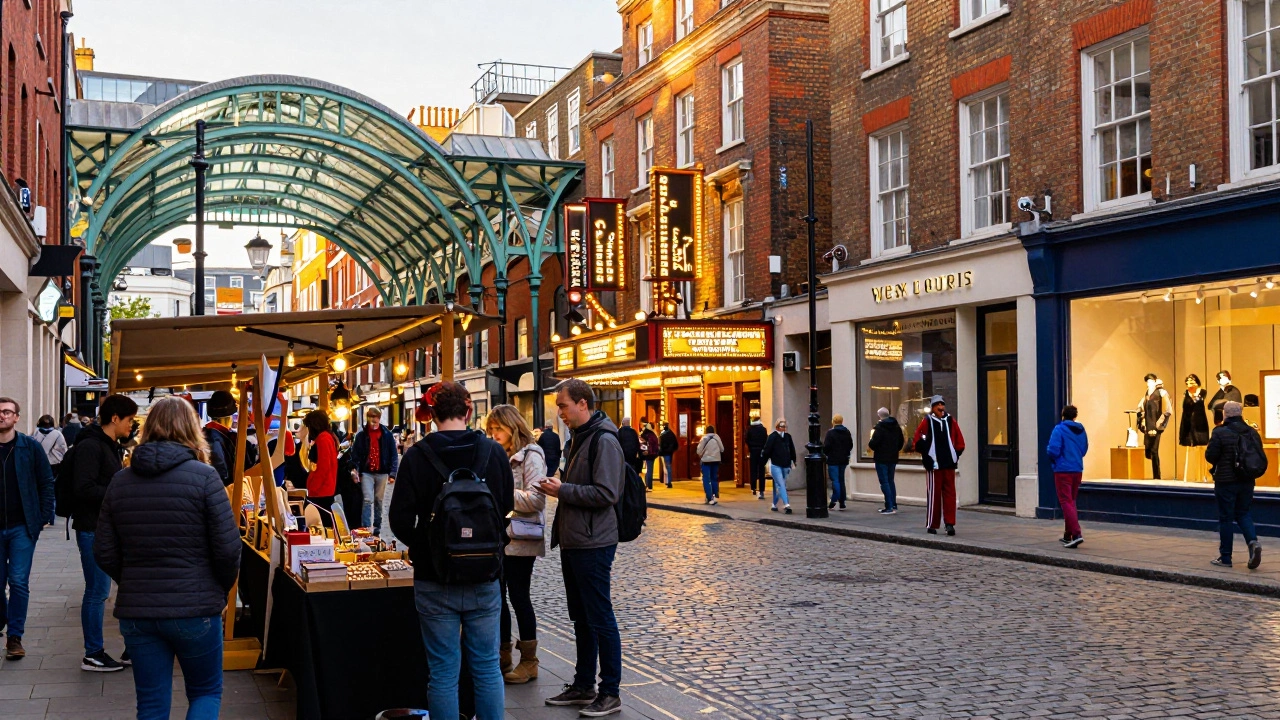
If this is your first time in London, start here. Why? Because everything is within walking distance. You can step out of your hotel, grab a coffee in Covent Garden, watch street performers, and then wander into Soho for dinner. The West End theaters are all clustered around Shaftesbury Avenue, so if you’re planning to see a musical like *The Lion King* or *Hamilton*, staying nearby saves you from fighting the Tube crowds after showtime.
Soho is famous for its nightlife, restaurants, and LGBTQ+ friendly bars. It’s loud, it’s busy, and it’s electric at night. Covent Garden is slightly more polished, with luxury boutiques like Apple and Zara sitting alongside artisanal food markets. However, be prepared to pay a premium. Hotels here command higher prices because of the convenience. If you value location over square footage, this is your zone.
- Best for: First-timers, theater lovers, and foodies.
- Avoid if: You hate noise or want a budget-friendly stay.
- Vibe: Energetic, crowded, convenient.
Shoreditch & Hoxton: The Creative Edge
Move east along the Old Street roundabout, and the vibe shifts dramatically. Shoreditch was once a gritty industrial zone, but now it’s the capital’s playground for creatives, startups, and trendsetters. This isn’t your grandparent’s London. Think exposed brick walls, vintage clothing stores, independent record shops, and some of the best brunch spots in the country.
Staying in Shoreditch feels less like tourism and more like living like a local cool kid. The area is packed with street art, including works by Banksy, making every corner a potential photo op. Brick Lane is just a short walk away, offering incredible curry houses and a bustling Sunday market. If you’re into tech, fashion, or alternative culture, you’ll feel right at home.
One thing to note: it can get rowdy on weekends. The bars spill out onto the streets, and the music can carry late into the night. But during the day, it’s incredibly walkable and full of character. Plus, you’re only a few stops on the Overground from central attractions, so you’re not isolated.
- Best for: Young travelers, creatives, and night owls.
- Avoid if: You prefer traditional history or quiet nights.
- Vibe: Trendy, artistic, energetic.
Kensington & Chelsea: Luxury and Green Spaces
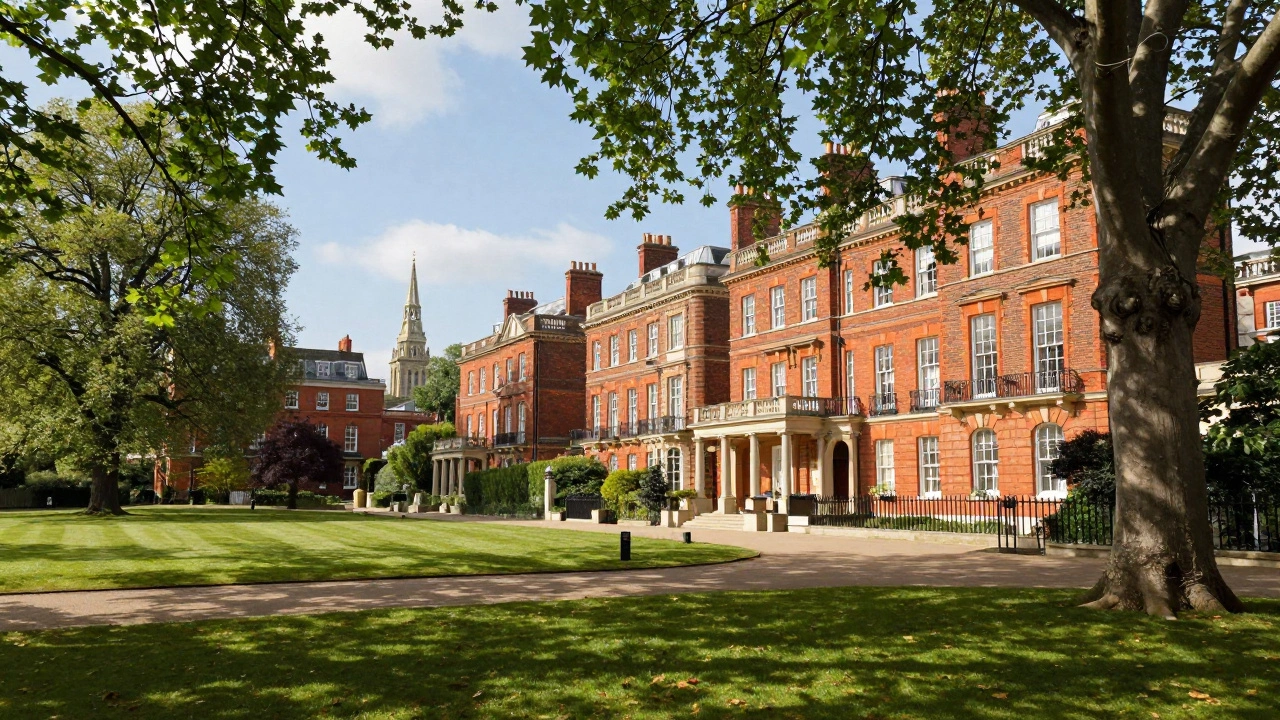
If your idea of a perfect London holiday involves sipping tea in a palace garden or browsing world-class art collections, look west. Kensington and Chelsea are affluent boroughs known for their elegance, safety, and proximity to royal residences. This is where you find Kensington Palace, Hyde Park, and the Natural History Museum.
The architecture here is stunning-think red-brick Victorian mansions and leafy squares. It’s quieter than Soho, cleaner, and generally more expensive. But you’re paying for space and tranquility. Many hotels here offer larger rooms and better service standards. If you’re traveling with family, this is a great base because it’s close to major museums that kids love, like the Science Museum and V&A.
Chelsea, specifically, has a sophisticated dining scene and beautiful riverside walks along the Thames. It’s less about partying and more about enjoying the finer things. Just remember, public transport connections are good but not as dense as in Zone 1, so factor in a bit more travel time to reach East London attractions.
- Best for: Families, luxury seekers, and museum lovers.
- Avoid if: You’re on a tight budget or want a wild nightlife.
- Vibe: Elegant, peaceful, upscale.

South Bank & Borough Market: Riverside Charm
Crossing the river south doesn’t mean you’re leaving the action. In fact, the South Bank offers some of the best views of London’s skyline. Staying here puts you steps away from the Tate Modern, Shakespeare’s Globe, and the bustling Borough Market. This area strikes a nice balance between tourist appeal and local life.
Borough Market is a food lover’s paradise. Imagine fresh oysters, artisanal cheeses, and hot cross buns on a crisp morning. After eating, you can stroll along the Thames Path, watching the boats go by. It’s scenic, relaxed, and visually stunning. The Jubilee Line station connects you directly to Westminster and Oxford Circus, so getting around is easy.
Hotels here range from boutique options to larger chains. One downside? Some parts of the South Bank can feel a bit transient, with fewer residential communities compared to North London. But for a short stay focused on sightseeing and food, it’s hard to beat.
- Best for: Foodies, couples, and sightseers.
- Avoid if: You dislike bridges or want deep local immersion.
- Vibe: Scenic, culinary, relaxed.
Camden & Primrose Hill: Alternative Vibes and Views
Head north to Camden Town, and you enter a world of punk rock heritage, quirky markets, and canal-side cafes. Camden Market is huge-literally spanning multiple buildings-and sells everything from leather jackets to handmade jewelry. It’s loud, colorful, and unapologetically unique. If you loved the 90s alternative scene, this place will take you back.
Just a short walk up the hill is Primrose Hill, which offers one of the best panoramic views of London. On a clear day, you can see Big Ben, the Gherkin, and the Shard stretching across the horizon. It’s a lovely spot for a picnic. The neighborhood itself is residential and charming, with tree-lined streets and cozy pubs. It’s a great mix of edgy and serene.
Transport links are solid via the Northern Line, though peak hour trains can be packed. Prices here are moderate compared to Kensington, making it a good middle ground for travelers who want character without breaking the bank.
- Best for: Music fans, shoppers, and view-seekers.
- Avoid if: You dislike crowds or loud music.
- Vibe: Eclectic, historic, lively.
How to Choose: A Quick Decision Guide
Picking the right area comes down to prioritizing what matters most to you. Here’s a simple breakdown to help you decide:
| Area | Best For | Budget Level | Nightlife | Walkability to Attractions |
|---|---|---|---|---|
| Covent Garden/Soho | First-timers, Theater | High | Excellent | Very High |
| Shoreditch | Creatives, Nightlife | Medium-High | Excellent | Medium |
| Kensington/Chelsea | Families, Luxury | Very High | Limited | High (Museums/Parks) |
| South Bank | Foodies, Views | Medium-High | Good | High |
| Camden | Alternative Culture | Medium | Good | Medium |
Remember, London’s public transport system is excellent. Even if you stay slightly further out, you can still reach major sites quickly. Don’t let the fear of being "off-center" stop you from finding a better deal or a more authentic experience. Sometimes, staying ten minutes outside the core zones gives you more space and personality for your money.
Practical Tips for Booking Accommodation
Before you finalize your booking, keep these practical points in mind. London housing is small. A "standard" room here might be tiny compared to what you’re used to. Check the square footage if it matters to you. Also, consider the noise level. Rooms facing main roads in Soho or near tube stations can be loud. Look for hotels mentioning "soundproofing" or located on side streets.
Book early. London is a year-round destination, and prices spike during summer holidays, Christmas markets, and major events like Wimbledon or Fashion Week. If you’re flexible with dates, mid-week stays are often cheaper than weekends. Finally, read recent reviews. A hotel’s rating can drop quickly due to maintenance issues or construction nearby, so check the last three months of feedback.
Is it safe to stay in Shoreditch at night?
Yes, Shoreditch is generally safe, especially in the well-lit main areas around Redchurch Street and Rivington Place. Like any big city, stick to populated streets and keep an eye on your belongings. The area is lively and busy late into the night, which actually adds to its safety through natural surveillance.
What is the cheapest area to stay in London?
Areas like Brixton, Dalston, and Peckham in South and East London tend to offer more affordable accommodation options. While they are further from central landmarks, they have excellent transport links via the Overground and Underground, making them cost-effective choices for budget-conscious travelers.
Should I stay near the airport or in the city center?
Always stay in the city center unless you have a very early flight and limited time. London airports are far from the main attractions, and commuting daily takes hours and significant money. The convenience of being in the heart of the city outweighs the slight extra travel time to the airport.
Are hostels a good option in London?
Absolutely. London has many high-quality hostels that cater to solo travelers and groups. Areas like Camden and Shoreditch have popular hostels with social atmospheres. They are a great way to save money and meet other travelers, provided you don’t mind shared facilities.
Which area is best for families with young children?
Kensington and Chelsea are ideal for families due to their proximity to large parks like Hyde Park and Kensington Gardens, as well as child-friendly museums like the Natural History Museum. The streets are safer and quieter, and many hotels offer family suites or connecting rooms.