Sustainable Clothing Score Calculator
Select the options that best describe the item you are evaluating.
Your Result
Cost Per Wear Tip:
A higher score often means a higher upfront price, but lower cost per wear over time due to durability.
Walk down any high street today, and you’ll see a confusing mix of labels. One shirt claims to be "eco-friendly," while another boasts "green materials." But if you strip away the marketing buzzwords, what does sustainable clothing actually look like in your wardrobe? It’s not just about organic cotton or recycled polyester. True sustainability is visible in the fabric’s texture, the durability of the seams, and the transparency of the brand behind it.
We often think of sustainable fashion as expensive or bohemian, but that’s a myth. In 2026, sustainable clothing looks like smart choices: buying less, choosing better materials, and supporting brands that treat workers fairly. It’s about shifting from a disposable mindset to one where every garment has a purpose and a lifespan.
The Fabric Test: Touching the Truth
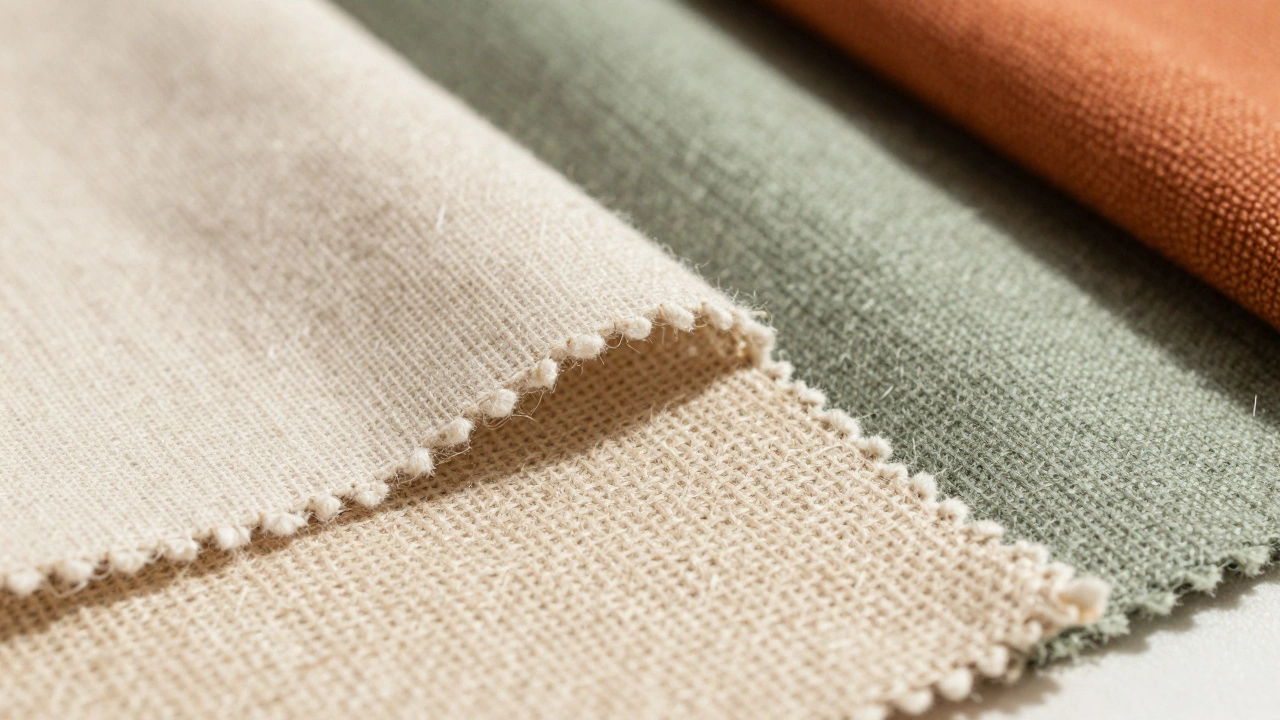
The first clue lies in the material itself. When you hold a piece of sustainable clothing, it should feel substantial, not flimsy. Fast fashion relies on synthetic fibers like virgin polyester, which are derived from petroleum and shed microplastics every time you wash them. Sustainable alternatives offer a different tactile experience.
Look for natural fibers that biodegrade. Organic Cotton is cotton grown without toxic pesticides or synthetic fertilizers, using significantly less water than conventional cotton. It feels softer and gets better with wear. Then there’s Hemp, a durable, low-water crop that naturally resists pests and mold. Hemp garments start stiff but soften over time, becoming incredibly long-lasting. For warmth, Recycled Wool or Tencel (Lyocell), made from wood pulp in a closed-loop process, offers a silky smoothness without the environmental cost of traditional rayon.
If a shirt feels thin, shiny, or plasticky, it’s likely fast fashion. Sustainable clothing prioritizes fiber quality that respects both the planet and your skin.
The Construction Check: Built to Last
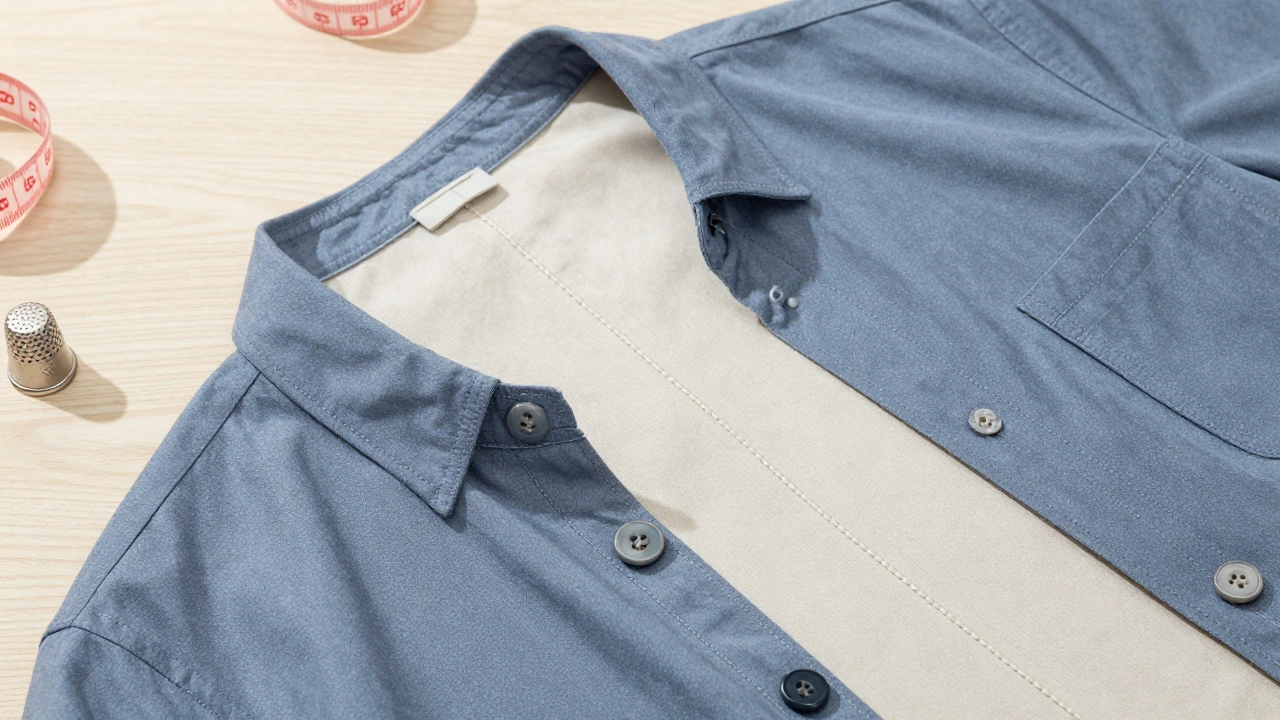
Sustainability isn’t just about what something is made of; it’s about how it’s made. Flip a garment inside out. Do you see loose threads? Are the seams straight and reinforced? Cheap clothing uses weak stitching that unravels after a few washes, ending up in a landfill within months.
Sustainable brands invest in construction. Look for bar-tacked stress points at pockets and waistbands. Check the buttons-are they plastic snaps that pop off, or durable metal or horn buttons sewn on securely? Even the lining matters. A fully lined jacket protects the outer fabric from sweat and friction, extending its life by years.
This approach aligns with the concept of Slow Fashion, a movement advocating for mindful consumption, higher quality production, and fair labor practices. Slow fashion rejects the rapid turnover of trends, focusing instead on timeless design and robust craftsmanship.
Decoding Labels: Spotting Greenwashing
In 2026, greenwashing is more sophisticated than ever. Brands use vague terms like "earth-friendly" or "conscious collection" to imply sustainability without proof. To cut through the noise, look for third-party certifications. These aren’t just stickers; they’re audits.
| Certification | What It Validates | Why It Matters |
|---|---|---|
| GOTS (Global Organic Textile Standard) | Organic fiber content and social criteria | Ensures no toxic chemicals were used in processing and workers are treated fairly. |
| Fair Trade Certified | Labor conditions and wages | Guarantees farmers and factory workers receive fair pay and safe working environments. |
| B Corp | Overall corporate social performance | Indicates the entire company meets high standards of social and environmental accountability. |
| OEKO-TEX® STANDARD 100 | Absence of harmful substances | Certifies the fabric is free from allergens, carcinogens, and other toxic chemicals. |
If a brand can’t tell you exactly who made your clothes or where the materials came from, they’re likely hiding something. Transparency is a non-negotiable pillar of true sustainability.
The Color Clue: Natural vs. Synthetic Dyes
Have you noticed how some new jeans bleed heavily in the wash, turning the water bright blue? That’s often a sign of cheap, chemical-heavy dyes. The textile industry is the second-largest polluter of clean water globally, largely due to dye runoff.
Sustainable clothing uses low-impact, non-toxic dyes. These colors might appear slightly muted or earthier at first glance but hold their vibrancy longer without fading rapidly. Some innovative brands are even experimenting with Natural Dyeing, using pigments derived from plants, minerals, and insects to color textiles without harming aquatic ecosystems. While still niche, this technology is growing, offering a glimpse into a future where fashion doesn’t poison our rivers.
The Price Point: Real Cost vs. Retail Price
Here’s the hard truth: a $5 t-shirt cannot be sustainable. The price tag reflects the hidden costs. Cheap clothing externalizes its costs onto the environment and the workers who make it. Sustainable clothing internalizes these costs.
When you pay more for a sustainably made item, you’re paying for:
- Fair wages for garment workers, ensuring they live above the poverty line.
- Higher-quality raw materials that don’t degrade quickly.
- Smaller batch production that reduces waste.
- Research and development for eco-friendly processes.
Think of it as cost per wear. A $100 pair of jeans worn 100 times costs $1 per wear. A $30 pair worn three times before falling apart costs $10 per wear. Sustainable clothing wins on economics if you value longevity.
The Silhouette: Timeless Over Trendy
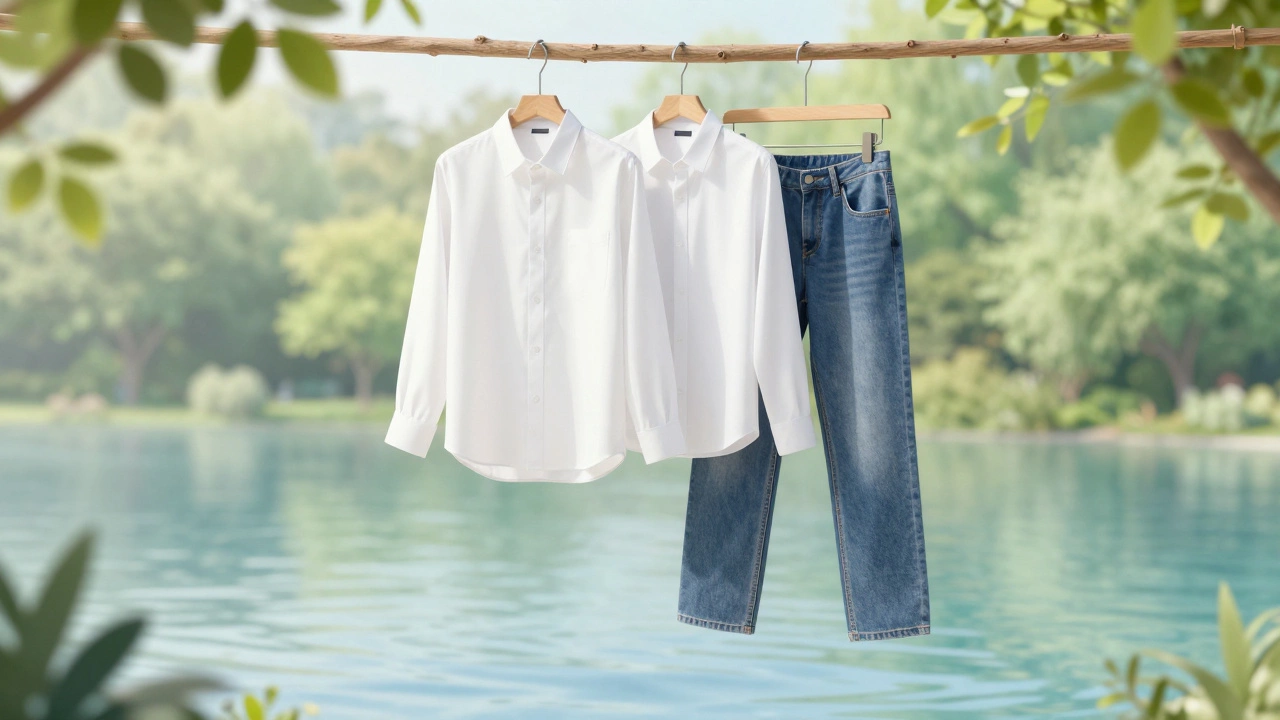
Sustainable clothing rarely chases micro-trends. If a style will be outdated in six months, it’s destined for disposal. Instead, look for classic cuts and versatile designs. A well-fitted white button-down, a straight-leg denim pant, or a neutral wool coat never goes out of style.
This connects to the principle of Minimalist Wardrobe, which focuses on owning fewer, high-quality pieces that mix and match easily, reducing decision fatigue and consumption. By choosing timeless silhouettes, you ensure your clothes remain relevant season after season, reducing the urge to constantly buy new items.
The End-of-Life Plan: Circularity
Finally, ask yourself: what happens when I’m done with this garment? Sustainable clothing is designed with circularity in mind. This means it can be repaired, resold, or recycled.
Brands embracing Circular Fashion often provide repair services, take-back programs, or resale platforms to keep garments in use as long as possible. They avoid blended fabrics (like poly-cotton) that are nearly impossible to recycle, opting instead for mono-materials that can be broken down and reused.
When you buy sustainable clothing, you’re participating in a system where waste is designed out. You’re voting for a future where clothes are assets, not trash.
Is sustainable clothing always more expensive?
While the upfront cost is usually higher, sustainable clothing often offers better value over time due to its durability. However, you can find affordable options by shopping second-hand, swapping with friends, or choosing brands that use efficient production models. The key is avoiding the constant repurchase cycle of fast fashion.
How do I know if a brand is genuinely sustainable?
Look for specific details rather than vague claims. Check for third-party certifications like GOTS or Fair Trade. Investigate their supply chain transparency-do they list their factories? Read their sustainability reports for concrete data on water usage, carbon footprint, and worker wages. If information is hard to find, the brand is likely not transparent.
Can synthetic fabrics ever be sustainable?
Yes, but with caveats. Recycled polyester (rPET) is better than virgin polyester because it diverts plastic waste from landfills and oceans. However, it still sheds microplastics. Look for brands using filters in washing machines or developing technologies to reduce shedding. Natural fibers like hemp and organic cotton are generally preferred for biodegradability.
What should I do with my old fast fashion clothes?
Don’t throw them in the trash. Donate wearable items to local charities or thrift stores. For damaged clothes, check if your city has textile recycling bins. Avoid sending large bags of low-quality synthetics to developing countries, as this can disrupt local markets. Focus on repairing and wearing what you have until it truly reaches end-of-life.
Does sustainable clothing look different from regular clothes?
Not necessarily. Many sustainable brands produce modern, stylish designs that fit current aesthetics. The difference lies in the quality of materials, the precision of construction, and the ethical production process. You might notice fewer trendy logos and more focus on fabric texture and cut.