Meal Prep Food Compatibility Checker
Stop wasting money on soggy leftovers. Filter by category or search for specific ingredients to see if they hold up well in the fridge or freezer.
High intramuscular fat keeps them juicy even after reheating. Better than breasts for long-term storage.
Excellent Freezer FriendLast up to 7 days in the shell. Peel only before eating to maintain freshness and prevent rubbery texture.
No Cook RequiredMust be pressed and roasted until crispy. Avoid waterlogged tofu which steams and becomes rubbery.
Prep Step CriticalBlack beans hold shape in acidic sauces. Red lentils break down nicely into soups. Sturdy and cheap.
Stable TextureRetains a pleasant crunch and provides complete protein. Absorbs dressings slowly, preventing sogginess.
Texture WinnerMaintain creamy consistency when reheated. Superior to russet potatoes which turn grainy and dry.
Reheats WellChewy textures resist becoming mushy. Ideal for salads as they don't get swimming in vinaigrette quickly.
Salad SafeHolds up better than white rice due to fibrous bran layer. White rice can become sticky and clumpy once cool.
Moderate StabilityBroccoli, Cauliflower, Brussels Sprouts, Carrots. Roasting creates a caramelized exterior that protects moisture.
Roast For Best ResultsThe exception among leafy greens. Massage with lemon/oil to soften fibers; stays vibrant for 3-4 days.
Leafy Green ExceptionReleases water easily. Salt slices, let sit 10 mins, pat dry, then roast to prevent making your entire meal soggy.
Watch MoistureSpinach, Lettuce, Cucumber. Turn limp and watery within 24 hours. Add fresh right before eating.
Avoid PreppingBrowns quickly. Store whole or use extra lime juice in guacamole to prevent oxidation. Slice fresh.
Oxidizes FastAdd crunch and healthy fats. Keep in separate small bags so they don't go soft from steam in hot containers.
Store SeparatelyKimchi/Sauerkraut improve gut health and taste better after fermenting further. Add as topping to preserve probiotics.
Flavor BoosterCheddar/Parmesan work well. Avoid soft cheeses like mozzarella which release too much water and spoil faster.
Choose Firm VarietiesNo foods match your search criteria. Try clearing filters or searching for broader terms.
You’re standing in the kitchen at 6 PM on a Tuesday. The fridge is half-empty, you’re exhausted from work, and the delivery app is calling your name with its siren song of $18 burritos. Sound familiar? Most people fail at meal prepping not because they lack discipline, but because they pick foods that turn into sad, soggy mush after three days in the fridge. You don’t need a culinary degree to win this game; you just need to know which ingredients hold up against time and temperature.
| Criterion | Why It Matters | What to Avoid |
|---|---|---|
| Texture Stability | Foods must remain palatable after reheating or sitting cold. | Cooked pasta (gets gummy), leafy greens (wilt instantly). |
| Nutrient Density | High value per calorie keeps energy stable. | Empty carbs like white bread alone. |
| Freezer Friendliness | Extends shelf life beyond 4-5 days. | Dairy-heavy sauces, crisp vegetables. |
The Protein Powerhouses That Don’t Dry Out
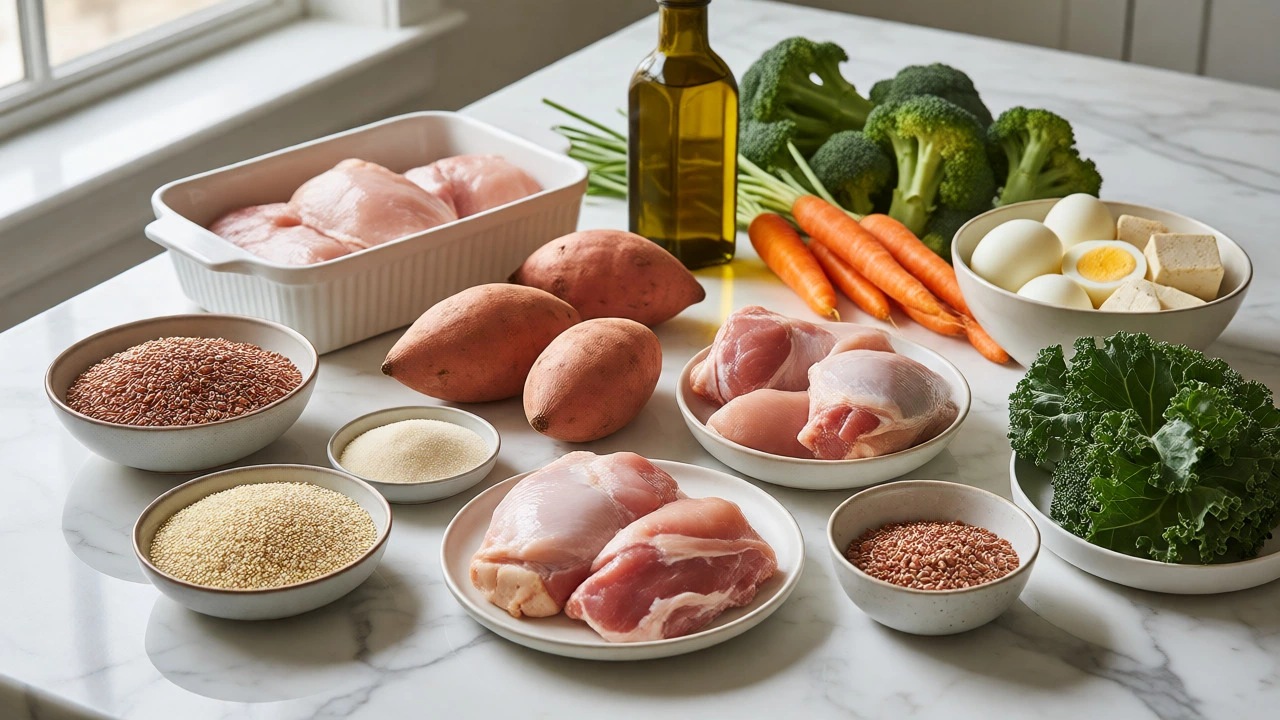
Protein is usually the first thing people get wrong. They grill five chicken breasts, eat one, and spend the rest of the week chewing through something resembling cardboard. Chicken breast is lean, sure, but it dries out aggressively when reheated. If you want juicy meat on Wednesday night, switch your strategy. Thighs are your best friend here. They have more intramuscular fat, which means they stay tender even if you accidentally overcook them by two minutes. Same goes for pork shoulder or beef chuck-these cuts are built for slow cooking and holding up in containers.
If you’re vegetarian or just trying to cut down on meat, eggs are arguably the most versatile prep item available. Hard-boiled eggs last up to seven days in the shell in the fridge. Peel them right before eating to keep them fresh. Tofu is another winner, but only if you press it first. Waterlogged tofu steams instead of browning, leading to a rubbery texture. Press it, cube it, roast it until crispy, and then toss it into stir-fries or grain bowls. It absorbs flavors beautifully and stays intact for days.
Legumes are dried seeds of leguminous plants used as food. Unlike canned beans, dried lentils cook quickly and hold their shape better than chickpeas in acidic sauces. Black beans and kidney beans are sturdy enough for chili or taco fillings, while red lentils break down into soups and curries, thickening them naturally without flour.Carbohydrates That Won’t Turn Into Glue
Rice is the default carb for many preppers, but plain white rice can become sticky and clumpy once it cools. Brown rice holds up better due to its fibrous bran layer, but even better options exist. Quinoa is a pseudo-grain that retains a pleasant crunch and provides complete protein. Farro and barley are ancient grains with chewy textures that resist becoming mushy. These grains also absorb dressings slowly, meaning your salad won’t be swimming in vinaigrette by lunchtime.
Sweet potatoes are superior to regular potatoes for meal prep. Regular russet potatoes lose moisture and turn grainy when refrigerated and reheated. Sweet potatoes maintain a creamy consistency and offer a massive dose of vitamin A. Roast them whole, slice them open later, and top with butter or Greek yogurt. They reheat evenly in the microwave without exploding or drying out.
Whole wheat pasta is tricky. If you must prep pasta, undercook it by two minutes (al dente) and toss it with olive oil immediately. This prevents sticking. However, avoid heavy cream-based sauces like Alfredo. Dairy separates when frozen or reheated repeatedly, creating a gritty texture. Stick to tomato-based sauces or pesto, adding fresh basil right before serving rather than mixing it in beforehand.
Vegetables That Survive the Fridge
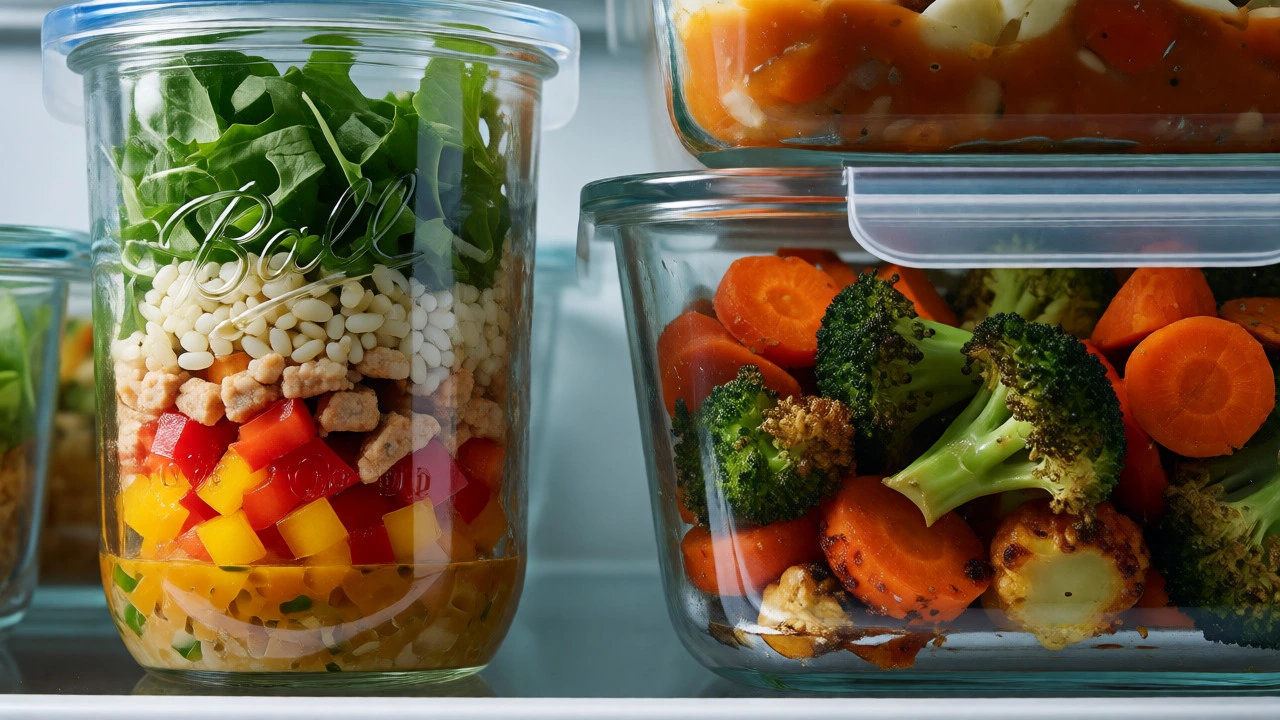
Here is the hard truth: delicate vegetables do not belong in meal prep containers. Spinach, lettuce, and cucumber turn limp and watery within 24 hours. Save these for fresh sides or add them to your container right before eating. Instead, focus on hearty, dense vegetables. Broccoli, cauliflower, Brussels sprouts, and carrots are excellent choices. Roasting them brings out natural sugars and creates a caramelized exterior that protects the interior moisture.
Zucchini is a bit of a wildcard. It releases water as it cooks, which can make your entire meal soggy. To fix this, salt sliced zucchini and let it sit for 10 minutes to draw out excess liquid, then pat dry before roasting. Bell peppers hold up well raw or cooked, adding color and crunch. Kale is the exception among leafy greens-it’s tough enough to withstand dressing and refrigeration. Massage kale with a little lemon juice and oil to soften the fibers, and it will stay vibrant for three to four days.
Healthy Fats and Flavor Boosters
Meals often taste bland after day two because salt and spices fade or migrate unevenly. Healthy fats act as flavor carriers and satiety signals. Avocado is great, but it browns quickly. Store avocados whole and slice them fresh, or use guacamole with extra lime juice to prevent oxidation. Nuts and seeds add crunch and omega-3 fatty acids. Keep them in a separate small baggie so they don’t go soft in the steam of hot food.
Olive oil is essential for roasting veggies and dressing grains. It doesn’t solidify in the fridge like some animal fats, keeping your food moist. Cheese adds richness, but choose firm varieties like cheddar or parmesan. Soft cheeses like mozzarella release too much water and can spoil faster. Fermented foods like kimchi or sauerkraut are fantastic additions because they improve gut health and actually taste better after fermenting further in the jar. Add them as a topping rather than mixing them in, preserving their probiotic benefits and tangy kick.
The Freezer vs. The Fridge Strategy
Not everything belongs in the same place. Your goal is to maximize freshness while minimizing waste. The general rule is simple: eat what’s in the front of the fridge within 3-4 days. Anything beyond that goes to the freezer. Soups, stews, casseroles, and cooked meats freeze exceptionally well. Portion them into single-serving bags before freezing so you can grab exactly what you need without thawing a giant brick of lasagna.
Label everything with dates. “Monday” is vague; “Oct 12” is precise. In Melbourne, where humidity fluctuates, moisture control is key. Ensure your containers are airtight. Glass containers are heavier but don’t stain or retain odors, making them ideal for long-term storage. Plastic is lighter and cheaper but may warp in the dishwasher or leak if lids aren’t secure. For salads, use mason jars. Layer dressing at the bottom, followed by hard veggies, proteins, grains, and finally greens on top. This keeps the leaves dry until you shake the jar onto a plate.
Common Pitfalls and How to Fix Them
The biggest mistake isn’t choosing bad food; it’s choosing too much variety. Trying to prep six different meals leads to decision fatigue and unused leftovers. Pick two proteins, two carbs, and two veggie bases. Mix and match them throughout the week. Monday might be chicken + quinoa + broccoli. Tuesday is chicken + sweet potato + roasted carrots. Wednesday is tofu + farro + kale. You save time shopping and cooking while still feeling varied.
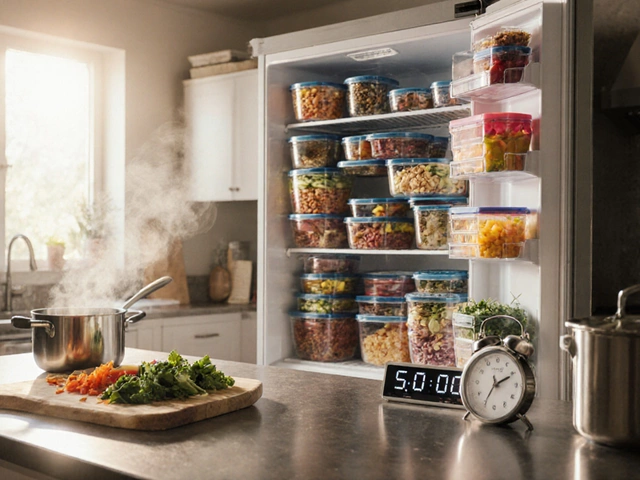
Another trap is ignoring condensation. Hot food placed directly into sealed containers creates steam, which turns into water droplets. This makes food soggy and promotes bacterial growth. Let your food cool to room temperature before sealing the lid. If you’re short on time, leave the lid slightly ajar until it cools, then seal it tight.
How long do meal prepped foods last in the fridge?
Most cooked meals stay safe and tasty for 3 to 4 days in the refrigerator. Seafood should be eaten within 2 days. Soups and stews can last up to 5 days. Always smell and look for signs of spoilage before eating.
Can I freeze cooked pasta and rice?
Yes, but texture changes. Rice freezes well if cooled properly. Pasta tends to become softer upon reheating. Undercooking pasta before freezing helps maintain bite. Use glass containers for freezing to avoid plastic warping.
What is the best container material for meal prep?
Glass is generally considered the best option because it is non-porous, doesn't stain, and is microwave-safe. High-quality BPA-free plastic is acceptable for short-term storage but may retain odors and stains over time.
Do I need to prep snacks too?
Prepping snacks prevents impulsive unhealthy choices. Hard-boiled eggs, portioned nuts, apple slices with nut butter, and Greek yogurt cups are easy, no-cook snack options that fit easily into a busy schedule.
How do I keep vegetables from getting soggy?
Avoid high-moisture veggies like tomatoes and cucumbers in mixed containers. Roast hearty veggies like broccoli and carrots. For raw salads, store dressing separately and add crunchy elements like nuts right before eating.