Work-Life Balance Diagnostic Tool
Balance Assessment
Est. Time: 2 minsAnswer the following questions honestly to generate a personalized Work-Life Balance Score and actionable recommendations.
/ 50
Your Breakdown
Personalized Recommendation
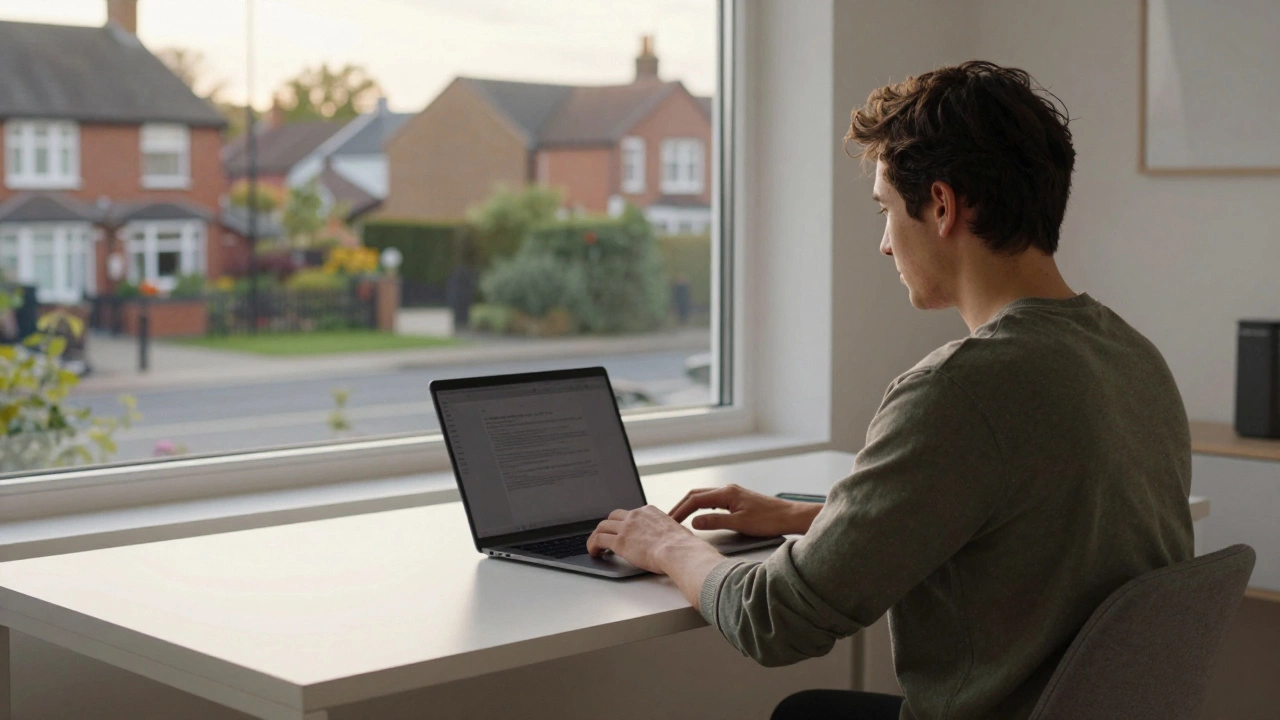
You check your email at 9 PM. You answer a Slack message while eating dinner. You feel guilty when you’re not working, but exhausted when you are. If this sounds familiar, you aren’t failing at life-you’re just playing by rules that no longer work. In 2026, the line between office and home has blurred beyond recognition. With hybrid work models and always-on communication tools, "balance" doesn’t mean splitting your day perfectly in half. It means setting boundaries that protect your energy so you can actually enjoy both parts of your life.
Most people think work-life balance is about time management. It’s not. It’s about attention management. You can have all the free time in the world, but if your brain is still processing spreadsheets, you’re not resting. True balance requires intentional design of your daily habits, your digital environment, and your relationship with productivity culture. Let’s break down how to build a system that works for real humans, not robots.
What does "work-life balance" actually mean in 2026?
It’s no longer a 50/50 split. Modern work-life balance is dynamic-it shifts based on your current life phase, workload, and personal priorities. Some weeks you’ll lean into career goals; other times, family or health takes precedence. The key is intentionality, not perfection.
Redefining Balance for the Hybrid Era
The old model assumed you left work at 5 PM and picked it up again at 9 AM. That structure collapsed during the pandemic and never fully returned. Today, hybrid work is a flexible arrangement where employees split time between remote and office settings, which offers freedom but also creates ambiguity. When your kitchen table doubles as your desk, your brain struggles to switch contexts. This cognitive friction leads to what researchers call "role blurring"-the inability to mentally separate professional responsibilities from personal life.
Consider Sarah, a project manager in Melbourne who works three days from home. She thought she had it made until she realized she was answering emails during school pickups and attending video calls in her pajamas. Her problem wasn’t time-it was context. Without physical separation, she needed stronger psychological boundaries. The solution? Rituals. Not fancy ones, just consistent cues that signal to her brain: "Work mode off. Life mode on." For Sarah, it was closing her laptop, changing clothes, and taking a ten-minute walk around the block. Simple, repeatable, effective.
Your job isn’t to eliminate work from your life. It’s to contain it so it doesn’t leak into every moment. Start by identifying your trigger points. Do you check messages after dinner? Do you start tasks early because you’re anxious about tomorrow? Map these behaviors first. Awareness precedes change.
Building Digital Boundaries That Stick
We live in an era of notification overload. Every ping demands attention, fragments focus, and keeps us in a state of low-grade stress. Studies show it takes an average of 23 minutes to regain deep focus after an interruption. Multiply that by dozens of daily alerts, and you’ve lost hours of productive time-and peace of mind.
Digital boundaries aren’t about deleting apps. They’re about designing your tech environment to support your values. Here’s how:
- Schedule communication windows. Instead of being available 24/7, set clear blocks for responding to emails and messages. Tell your team: "I check inbox at 10 AM and 3 PM. Urgent matters get a call." Most colleagues will respect this if you communicate it clearly.
- Turn off non-essential notifications. Keep only critical alerts (like calendar reminders or direct messages from your boss). Everything else can wait. Your phone should serve you, not hijack you.
- Create a "shutdown ritual." At the end of each workday, spend five minutes reviewing what you accomplished, planning tomorrow’s top three tasks, and then physically closing your work devices. This signals closure to your brain.
- Use app blockers strategically. Tools like Freedom or Focus Me can restrict access to distracting sites during focused work periods. But don’t use them to police yourself endlessly-use them to create space for deep work.
Remember: technology is neutral. It amplifies whatever behavior you feed it. If you want less noise, design systems that reduce input. If you want more presence, remove distractions before they start.
Time Blocking vs. To-Do Lists: What Actually Works
To-do lists give us false comfort. We write things down, cross them off, and feel productive-even if we spent eight hours reacting to urgent requests instead of tackling important work. Time blocking flips this script. Instead of listing tasks, you assign specific time slots to activities. This forces prioritization and exposes how much time you truly have.
Here’s a simple framework:
- Identify your peak energy hours. Are you sharpest in the morning? After lunch? Schedule high-cognitive tasks (writing, strategy, coding) during these windows.
- Block time for deep work. Protect at least two uninterrupted hours daily for your most important projects. Treat these blocks like meetings-with yourself.
- Batch shallow tasks. Group administrative work (emails, scheduling, data entry) into one or two short sessions. Don’t let them fragment your day.
- Include buffer time. Overestimate how long tasks take. Add 15-20% extra time for unexpected interruptions or transitions.
- Schedule rest explicitly. Yes, put "lunch," "walk," or "read" on your calendar. If it’s not scheduled, it won’t happen.
This approach works because it respects human limitations. You can’t multitask effectively. You can’t sustain intense focus for eight hours straight. Time blocking acknowledges reality and builds sustainability into your routine.
| Method | Focus | Best For | Pitfall |
|---|---|---|---|
| To-Do List | Task completion | Simple, linear workflows | Encourages busywork over impact |
| Time Blocking | Attention allocation | Complex, creative, or strategic work | Requires discipline to maintain |
| Eisenhower Matrix | Prioritization | Deciding what to drop or delegate | Can become overly analytical |
The Role of Recovery in Sustainable Performance
We often treat rest as a reward for hard work. Flip that mindset. Rest is fuel. Without adequate recovery, performance declines, errors increase, and creativity stalls. Think of your energy like a battery. Working without recharging doesn’t make you efficient-it makes you depleted.
Effective recovery isn’t passive scrolling through social media. That’s distraction, not restoration. True recovery involves activities that replenish your mental and physical reserves:
- Physical movement. Even a 20-minute walk boosts circulation, reduces cortisol, and clears mental fog.
- Nature exposure. Spending time outdoors lowers stress hormones and improves mood. Urban parks count.
- Social connection. Meaningful conversations with friends or family restore emotional energy better than isolation.
- Mental downtime. Reading fiction, listening to music, or meditating allows your default mode network to activate-where insight and consolidation happen.
If you’re constantly tired despite sleeping enough, ask yourself: Am I recovering, or just avoiding work? There’s a difference. One restores; the other delays.
Communicating Boundaries Without Burning Bridges
Setting limits feels risky. You worry about seeming uncommitted, missing opportunities, or annoying your manager. But here’s the truth: sustainable performers outlast martyrs. Companies notice who delivers consistently-not who answers emails at midnight.
How to communicate boundaries professionally:
- Frame it positively. Instead of saying "I won’t check email after 6 PM," try "I’m protecting my evening focus to ensure I’m sharp for tomorrow’s deliverables."
- Offer alternatives. "I can’t jump on a call right now, but I can schedule something for 10 AM tomorrow. Does that work?"
- Be consistent. People adjust to patterns. If you reliably respond within business hours, they’ll stop expecting instant replies.
- Document expectations. In team chats or onboarding docs, clarify response times and availability. Clarity prevents assumptions.
Boundaries aren’t walls-they’re gates. You control who enters and when. And yes, some people will push back initially. That’s normal. Hold firm. Most will adapt once they see you’re still delivering quality work.
When Balance Feels Impossible: Troubleshooting Common Scenarios
Not every situation fits neatly into a template. Sometimes life throws curveballs-a sick child, a product launch, a global crisis. Here’s how to navigate common challenges:
- During crunch periods: Accept temporary imbalance. Communicate clearly: "For the next two weeks, I’ll be focusing heavily on Project X. I’ll resume regular availability afterward." Then honor that promise.
- With unsupportive managers: Focus on outcomes, not hours. Show data: "When I protect my evenings, my error rate drops by 15%." Frame boundary-setting as performance-enhancing.
- In caregiving roles: Build flexibility into your schedule. Use micro-breaks throughout the day. Delegate where possible. Guilt is expensive-invest in solutions instead.
- When guilt creeps in: Ask yourself: "Whose standard am I trying to meet?" Often, we internalize outdated notions of heroism. Productivity porn sells anxiety. Real success includes well-being.
Balancing act isn’t static. It’s iterative. Check in weekly. Adjust as needed. Celebrate small wins. Progress compounds.
Is work-life balance achievable for parents?
Yes, but it looks different. Parents often need more flexibility, not less. Negotiate adjusted hours, leverage asynchronous communication, and accept that some days will be messy. Perfection is the enemy of progress.
How do I handle after-hours emergencies?
Define what constitutes an emergency upfront. Create an escalation protocol. If something truly urgent arises outside hours, address it briefly, document it, and discuss process improvements later to prevent recurrence.
Can freelancers achieve work-life balance?
Absolutely-but it requires stricter self-discipline. Set client-facing hours, automate invoicing, batch similar tasks, and enforce shutdown rituals. Without external structure, you must create your own.
What if my company culture discourages boundaries?
Start small. Model healthy behavior quietly. Share results showing improved output with protected time. Gradually influence norms. If resistance persists, consider whether the environment aligns with your long-term well-being.
How long does it take to build new habits?
Research suggests 18-254 days depending on complexity and consistency. Expect slip-ups. Track streaks, not perfection. Small daily actions compound into lasting change.