Beginner's Garden Planner
Select your garden conditions and a vegetable to see if they are a good match for your first grow!
Choose a Vegetable to Analyze:
Key Takeaways for Your First Garden
- Start with high-yield, low-effort crops like radishes, zucchini, and lettuce.
- Focus on container gardening if you lack a large backyard.
- Prioritize sunlight (at least 6 hours) and consistent watering over expensive fertilizers.
- Grow things you actually like to eat to keep the motivation high.
The Low-Hanging Fruit: Easiest Vegetables to Start With
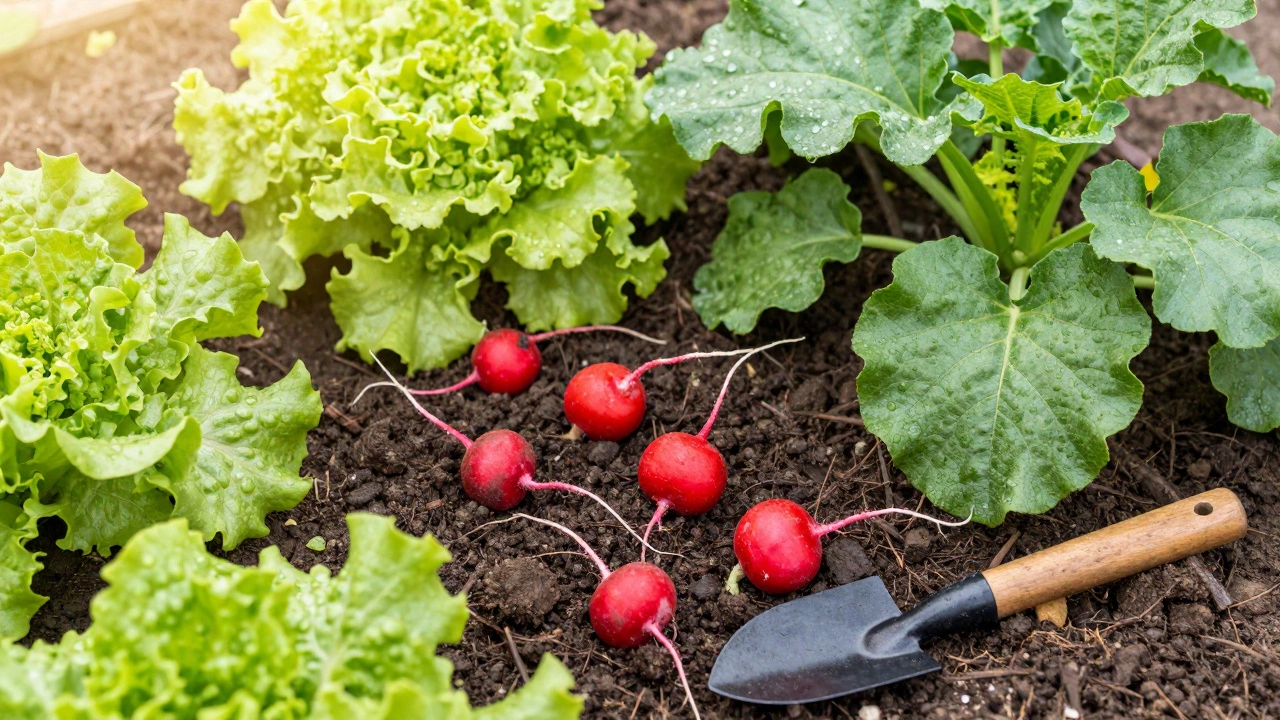
You want plants that are 'forgiving.' This means if you forget to water them for a day or accidentally prune a leaf, they won't just wither away. Radishes is a root vegetable known for its rapid growth cycle, often ready for harvest in just 25 to 30 days. Because they grow so fast, you get an immediate win, which is the best way to build confidence.
Then there is Zucchini, which is essentially the overachiever of the vegetable world. One or two plants in a sunny spot will produce more squash than a single family can usually eat. They are hearty and handle most soil types well, provided they have enough room to spread their large leaves.
If you prefer greens, go for Lettuce. Whether you want curly leaf or butterhead, lettuce is great because you can harvest 'cut-and-come-again' style. Just snip the outer leaves, and the center keeps growing. It's a sustainable way to have fresh salads throughout the season without starting over every two weeks.
Understanding Your Setup: Soil and Sun
Before you buy seeds, you need to look at your space. Most vegetables belong to the Heliotropes category, meaning they crave the sun. If your yard is mostly shade, you can still grow leafy greens and root veggies, but fruit-bearing plants like peppers or cucumbers will struggle. Aim for a spot that gets at least 6 to 8 hours of direct sunlight.
Now, let's talk about the dirt. If you're planting in the ground, you likely have Loam, a balanced soil type containing sand, silt, and clay. However, for beginners, I always suggest starting with Raised Bed Gardening or pots. Why? Because you control the soil quality. You can buy a high-quality potting mix that is already aerated and nutrient-rich, which removes the guesswork of testing your backyard soil pH.
| Vegetable | Sun Need | Water Level | Harvest Time |
|---|---|---|---|
| Radishes | Partial/Full | Medium | 3-4 Weeks |
| Zucchini | Full Sun | High | 6-8 Weeks |
| Lettuce | Partial Sun | Medium | 4-6 Weeks |
| Cherry Tomatoes | Full Sun | Medium | 10-12 Weeks |
Step-by-Step: Planting Your First Seed
Whether you're using a pot on a balcony or a patch in the yard, the process is the same. Don't overcomplicate it. Here is the most straightforward way to get started:
- Pick your spot: Find that sunny area we talked about. If you're using containers, make sure they have holes in the bottom. Drainage is key-plants hate sitting in a swamp.
- Prepare the soil: Fill your container with a mix of compost and potting soil. If you're planting in the ground, dig in some organic matter or aged manure to give the plants a nutrient boost.
- Sow the seeds: Read the packet! It will tell you how deep to plant. A general rule of thumb: plant the seed twice as deep as it is wide. For tiny seeds like lettuce, just press them lightly into the surface.
- Water gently: Use a spray bottle or a watering can with a rose attachment. A heavy stream of water will wash away your seeds or bury them too deep.
- Wait and watch: Check them every morning. If the soil feels dry an inch below the surface, give them a drink.
Dealing with Common Rookie Mistakes
Most beginners make the mistake of overwatering. It seems like you're being helpful, but you're actually drowning the roots. This leads to Root Rot, a condition where the roots decay and the plant dies despite the soil being wet. Stick your finger in the dirt; if it's damp, leave it alone.
Another common pitfall is planting too many things in one spot. A tiny seed might look small now, but a zucchini plant will eventually take up three feet of space. When you crowd plants, they compete for nutrients and sunlight, and you'll end up with small, stunted vegetables. Give them room to breathe.
Then there are the pests. You'll likely see Aphids-tiny green bugs that suck the sap out of stems. Instead of reaching for harsh chemicals, try a simple mix of water and a few drops of mild dish soap in a spray bottle. It's an effective, non-toxic way to keep the bugs away without poisoning your dinner.
Expanding Your Garden: Moving Beyond the Basics
Once you've mastered radishes and lettuce, you can try Cherry Tomatoes. Unlike big beefsteak tomatoes, which can be prone to splitting or disease, cherry tomatoes are prolific and generally more resistant to problems. Just remember they need a cage or a stake for support, as they'll grow into wild vines if left alone.
Another great next-step crop is Green Beans. These are fantastic because they actually improve the soil. They are nitrogen-fixing plants, meaning they take nitrogen from the air and put it back into the earth, making the ground healthier for whatever you plant there next year.
If you have a bit more room, consider Herbs like basil, mint, or parsley. While not strictly vegetables, they follow similar growing patterns and provide a huge amount of value for very little effort. Basil, for instance, loves the same sunny conditions as tomatoes and can be planted right next to them in a technique called companion planting.
Maintaining the Rhythm of the Garden
Gardening isn't a 'set it and forget it' hobby. It's more like a slow conversation with nature. Spend five minutes every morning walking through your patch. This allows you to spot a pest or a drooping leaf before it becomes a disaster. Check the undersides of leaves-that's where bugs love to hide their eggs.
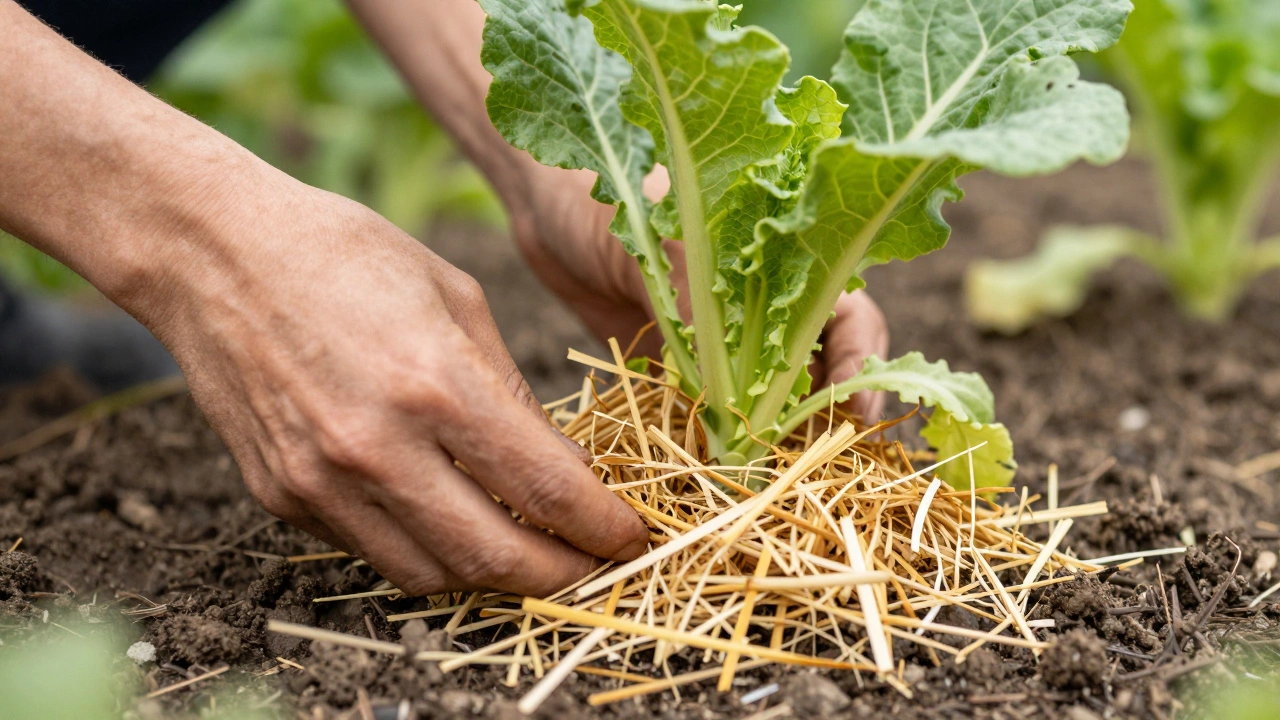
Mulching is another pro move that beginners often overlook. Spreading a layer of straw, dried leaves, or bark around the base of your plants does two things: it keeps the moisture in the soil and stops weeds from stealing nutrients. It's a simple way to reduce your watering time and keep your garden looking clean.
Finally, don't be afraid to fail. Some plants will die. You'll have a season where the snails eat everything, or a heatwave wilts your spinach. That's not a failure; it's a lesson. Every dead plant teaches you something about your specific microclimate, and that's how you eventually become an expert.
Do I need to buy expensive seeds for a beginner garden?
Not at all. Standard seed packets from a local nursery or hardware store are perfectly fine for beginners. The most expensive 'premium' seeds are often heirloom varieties that require more specific care and have lower yield rates. Stick to the basic, widely available varieties until you get a feel for your soil and weather.
Can I grow vegetables in pots on an apartment balcony?
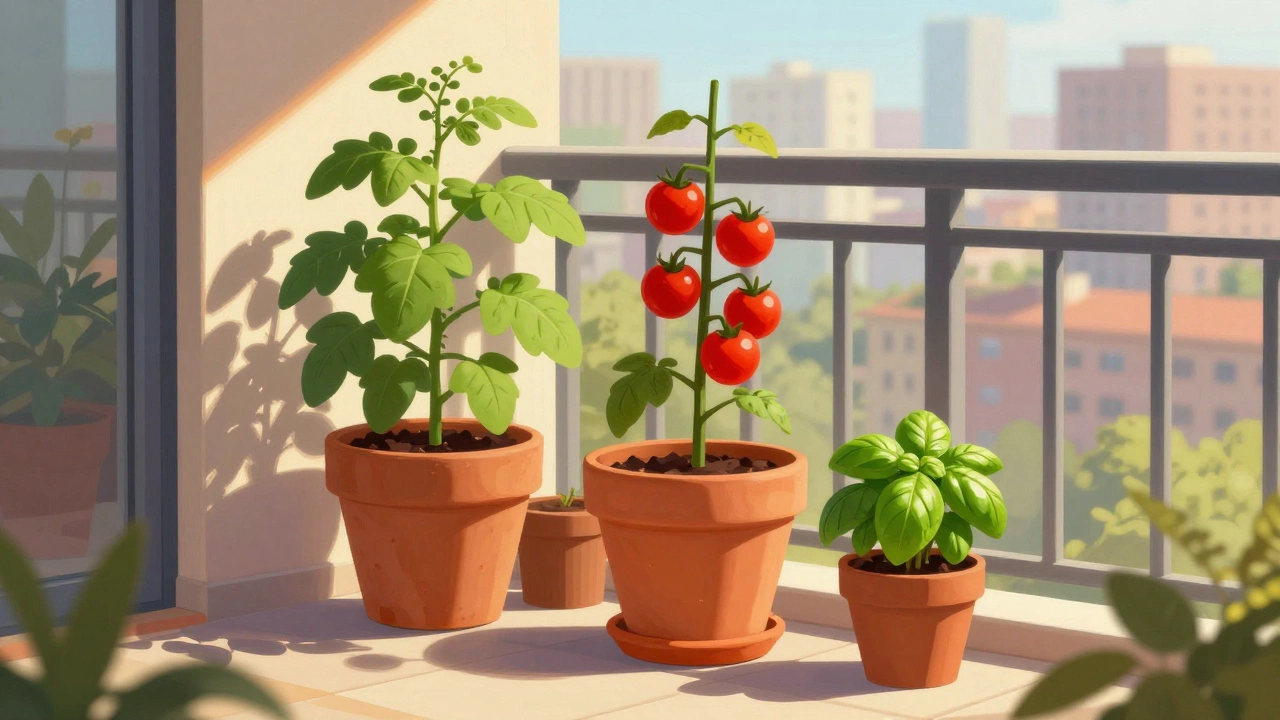
Yes, absolutely. Many of the vegetables mentioned, like lettuce, radishes, and cherry tomatoes, thrive in containers. The key is using a high-quality potting mix rather than garden soil, as potting mix is lighter and allows the roots to breathe better in a confined space. Just make sure your pots have drainage holes.
How often should I water my vegetables?
There is no fixed schedule because every environment is different. The best method is the 'finger test': poke your finger into the soil up to the second knuckle. If it feels dry, water it. If it's still moist, wait. Watering too often is a more common mistake than underwatering and can lead to root rot.
What is the easiest vegetable for someone with zero experience?
Radishes are widely considered the best starting point. They grow incredibly fast, usually within a month, and are very hardy. Because the turnaround is so quick, you get the satisfaction of a harvest almost immediately, which motivates you to try more challenging plants.
What do I do if bugs start eating my plants?
Start with manual removal-pick off larger bugs by hand. For smaller pests like aphids, use a mixture of water and a small amount of dish soap. Avoid using heavy chemical pesticides as a first resort, as these can kill the beneficial insects like bees and ladybugs that actually help your garden thrive.
Next Steps for Your Gardening Journey
Once you've harvested your first batch of radishes or zucchini, don't stop there. If you've mastered the easy stuff, try experimenting with vertical gardening-using trellises for peas or cucumbers to save space. You might also want to look into composting, which turns your kitchen scraps into 'black gold' for your plants, reducing the need for store-bought fertilizers.
If you find that certain plants consistently struggle in your yard, consider a soil test kit. This will tell you if your soil is too acidic or lacking specific minerals. From there, you can adjust your soil with lime or sulfur to create the perfect environment for more sensitive crops like peppers or eggplant.